Best Sleep Trackers for Adults of 2026

A sleep tracker that gets the numbers wrong is worse than no tracker at all. You wake up feeling fine, the app informs you your deep sleep was a disaster, and suddenly you're anxious about a night that was actually okay. The point isn't to stop looking — it's to find a device whose data you trust, that you forget you're wearing by 2 a.m., and that still has battery left by Friday.

My team and I wore 12 of them for six months — rings, bands, watches, and a couple of screen-free options — and comfort decided more than specs did. A tracker you peel off at midnight isn't tracking anything, and looks count too, because the one you'll actually keep wearing is the one that doesn't look odd at the office. Here's what nobody tells first-time buyers: judge a device on two weeks of trends, never on one weird night. The picks below earned their spot over months, not a single good sleep.

1

Best Overall

Fitbit Air

87 /100
Trail Score Excellent

Key details

Weight
0.18 oz
Display
None (screenless)
Battery Life
Up to 7 days
Water Resistance
50 m
Check Price on Amazon

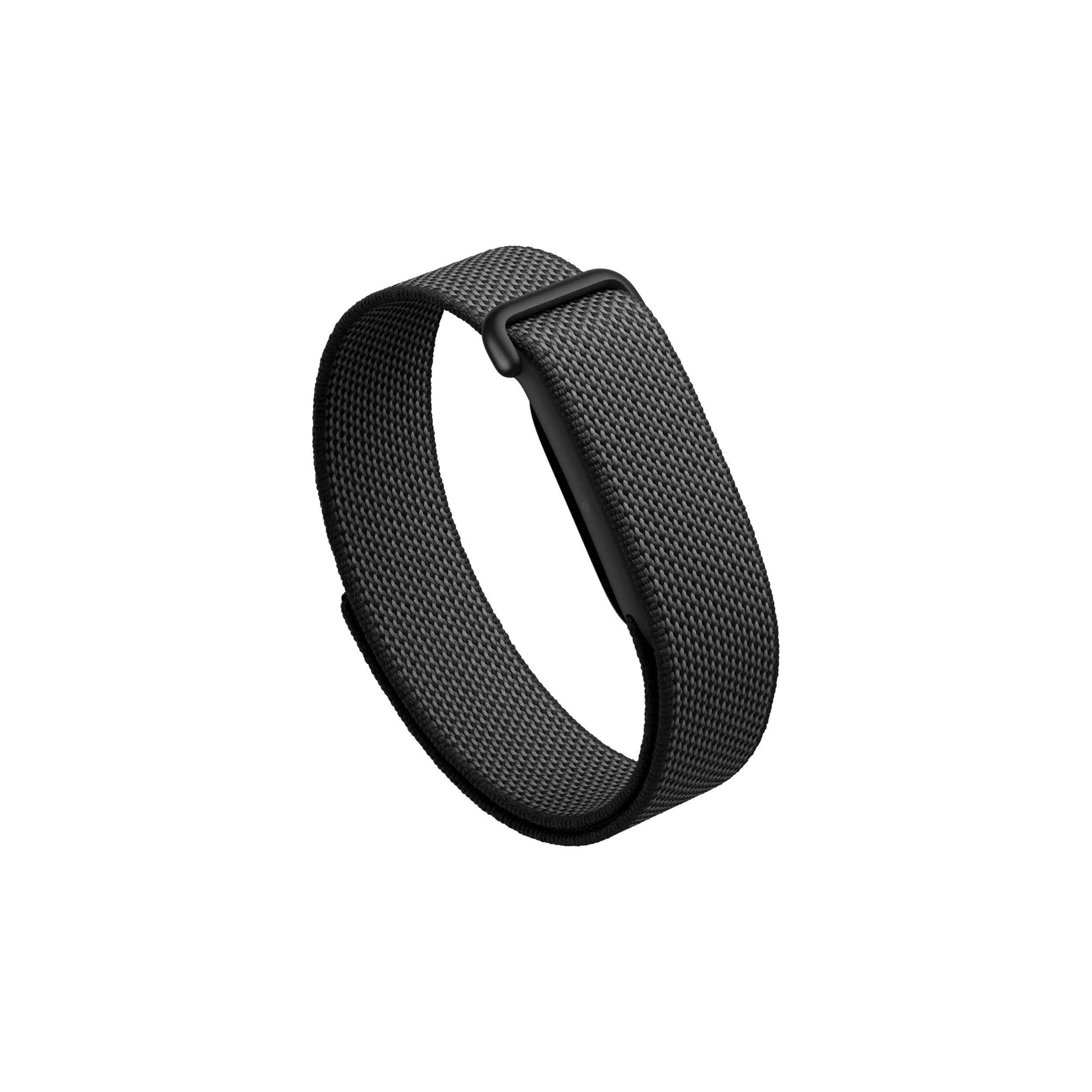
No screen, and about five grams of tracker on an 18.2 mm band. Those are the two things you notice in the first night, because nothing lights up when you roll over and nothing digs into a wrist you've slept on. Of the wrist-worn options here, this is the one we leave on for a normal weeknight.

The sleep reporting is a full night's file rather than a single grade: a daily sleep score, heart-rate variability, resting heart rate, blood-oxygen readings and skin-temperature variation, all waiting in the Google Health app. We paid close attention to the morning routine, because that's where a screenless tracker lives or dies — the data has to be legible before coffee, or you stop looking. It also gives you a reason to keep the band on during the day, which is how a sleep tracker turns into a whole-health device.

Battery is the quiet win. Up to a week per charge, and five minutes on the cable buys a full day, so a flat band at bedtime is one shower away from recording the night. Syncing occasionally needs a second attempt; opening the app with the band nearby sorts it out.

Where we're least convinced is the precision of the stage split. Total sleep and overnight heart rate read sensibly against how we felt; the deep-versus-REM breakdown moves around more than we trust. Since the thing you wear to bed has one real job — stay on, stay quiet, keep recording — we can live with an estimated stage chart. Thicker wrists can't: the strap is a single size covering 130 to 210 mm, and that's the limit to check before you order.

Pros

  • About five grams, so it disappears overnight
  • Up to a week per charge, with a five-minute day's top-up
  • Sleep score plus HRV, SpO2 and skin-temperature variation
  • No screen or light to disturb the night

Cons

  • One-size band stops at 210 mm wrists
  • Every morning needs the app
Our verdict

Our default for most adults: a five-gram screenless band that stays comfortable all night, records a full sleep file, and runs a week between charges.
Check Latest Price
2

Best for Recovery Coaching

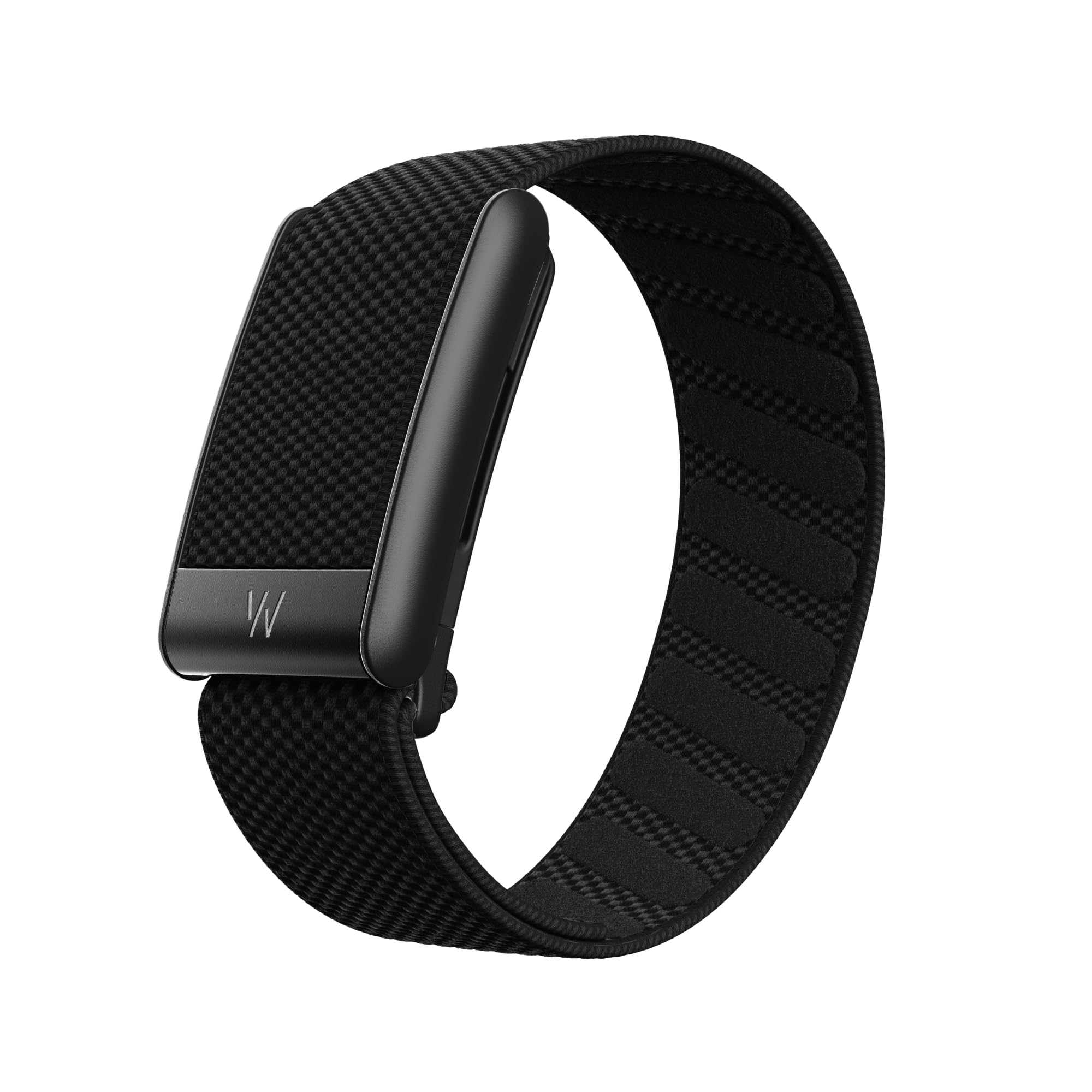
WHOOP 5.0

85 /100
Trail Score Excellent

Key details

Charging
While wearing
Battery Life
14 days
Water Resistance
IP68
Membership Included
12-month Peak
Check Price on Amazon

The band arrives inside a twelve-month Peak membership, and that's the right way to think about the cost — you're subscribing to the analysis, and the hardware is the key that unlocks it.

What the subscription buys is context. Instead of a sleep score in isolation, you get the night broken into REM, deep and light time, set against recovery, strain and heart-rate variability, with an AI coach turning the pile into a suggestion for the day. That framing is what makes it useful to someone training hard, where how you slept last night and how hard today should be are the same question.

The detail that impressed us most is mundane: the wireless PowerPack charges the band while you're wearing it. No nightly charging ritual, and no gap in the record every couple of weeks — for a device whose whole job is overnight data, never having to take it off is a genuine design advantage. Fourteen days per charge makes the point moot anyway.

Two things to accept. The app is a firehose, 140-plus metrics, and it takes a few weeks before the numbers mean anything to you. And the membership is annual, which is a recurring bill rather than a purchase. One practical note worth knowing: the membership is HSA/FSA eligible, so check your health account before paying out of pocket.

Pros

  • Sleep stages paired with recovery and strain
  • Charges while worn, so the record never breaks
  • Two weeks between charges
  • Membership is HSA/FSA eligible

Cons

  • Annual membership required
Our verdict

The pick if you want to know how hard to train tomorrow, not just how you slept: deep sleep and recovery in one view, charged while you wear it, on an annual membership.

Check Latest Price
3

Best Value Fitbit

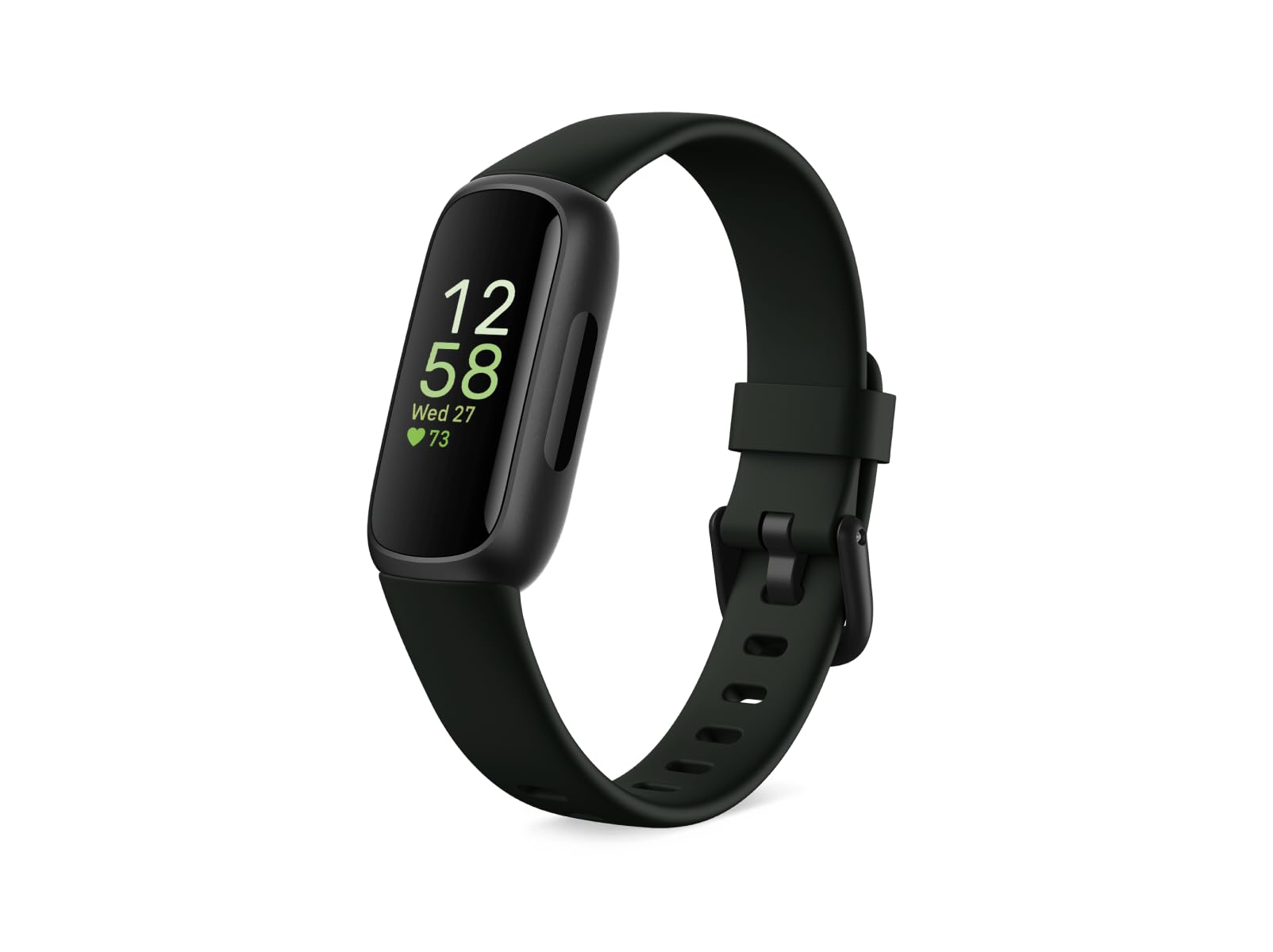
Fitbit Inspire 3

86 /100
Trail Score Excellent

Key details

Display
0.76 in color
Battery Life
Up to 10 days
Bands Included
Small and large
Water Resistance
50 m
Check Price on Amazon

This is the Fitbit for anyone who wants the sleep score without reaching for a phone. Same app as the Air, a small color display instead, and a smaller outlay.

The 0.76-inch screen earns its place at 6 a.m.: your score and stages are on your wrist before you're upright, and a vibrating smart wake alarm nudges you out of light sleep without waking the other side of the bed. Sleep mode keeps notifications quiet overnight. Around ten days per charge and a two-hour refill make charging a Sunday habit rather than a nightly chore, and we like that both a small and a large band come in the box — the screenless Fitbit's single size stops at 210 mm.

The risk is longevity. Where these fail, they fail early: a screen that quits, or a battery that stops taking a charge, sometimes inside the first year. It's the pattern to weigh against the lower price, and it's the reason this sits below the Air.

If a wrist readout and a silent alarm are what you're after, though, this is the value pick of the group, and the second band size covers wrists the Air won't reach.

Pros

  • Sleep score and stages visible on the wrist
  • Around ten days per charge
  • Small and large bands both included
  • Vibrating smart wake alarm

Cons

  • App syncing can stall
  • Tiny 0.76-inch display takes squinting
Our verdict

Buy it for the wrist readout: a sleep score, stages and a silent wake alarm for less than the screenless Fitbit, if you can accept the longevity risk.

Check Latest Price
4

Best Budget Smart Ring

BIEMHA Smart Ring

87 /100
Trail Score Excellent

Key details

Heart Rate
Every 30 minutes
Battery Life
2–3 days
Subscription
None
Water Resistance
80 m
Check Price on Amazon

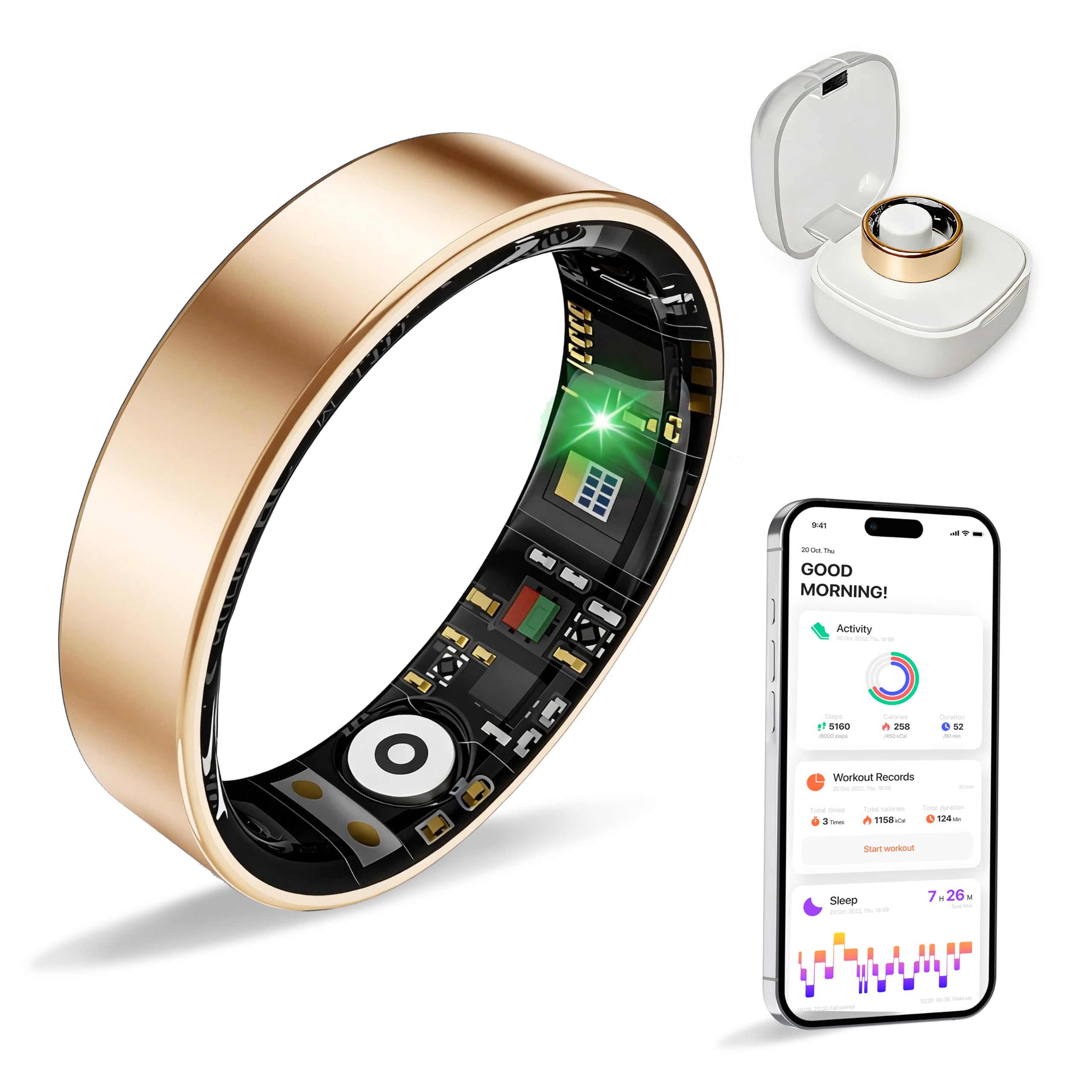
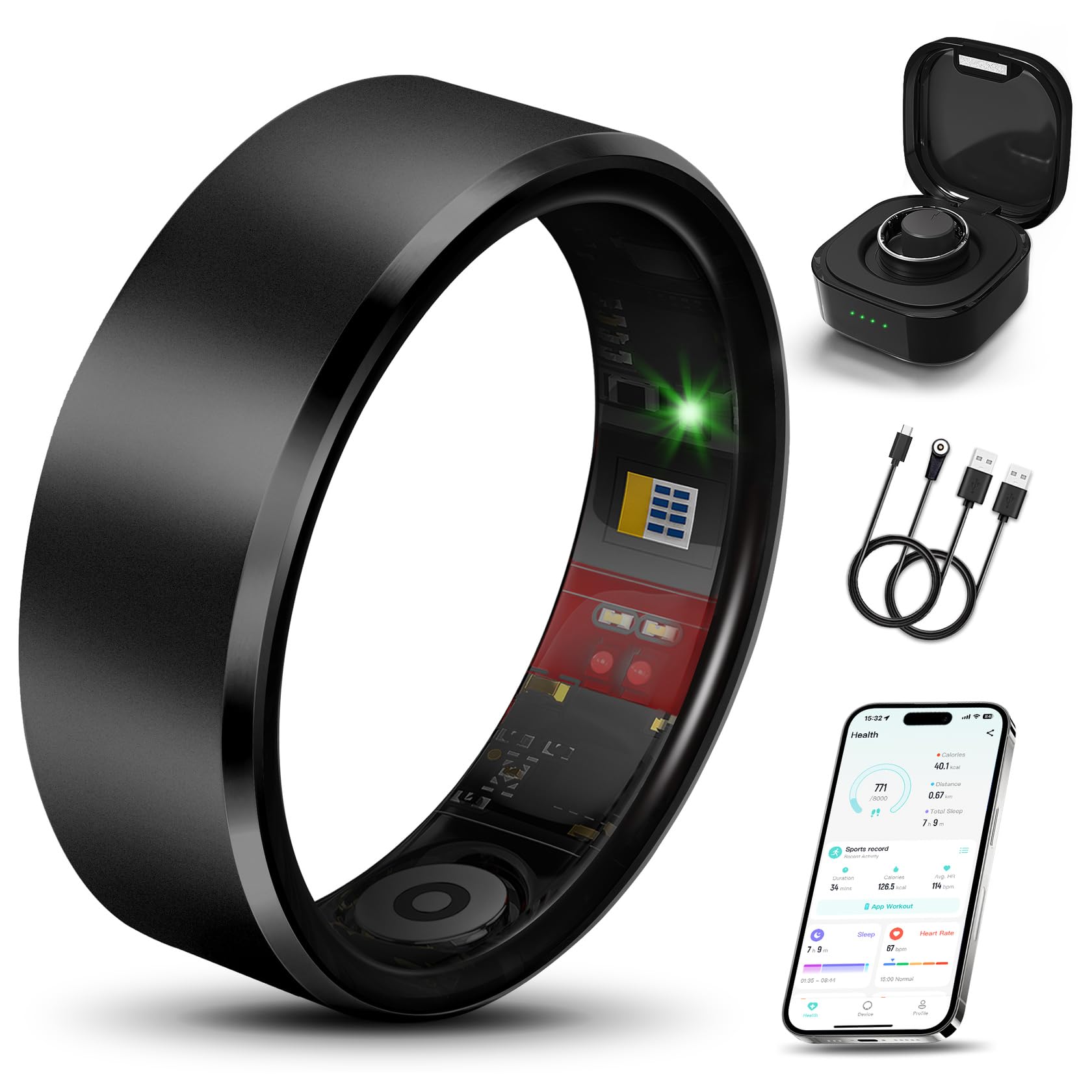
A ring can't be let out a notch, so sizing is the whole purchase. Check the chart and measure the exact finger you plan to wear it on. The size is fixed, and a band that's comfortable at noon can feel tight at 3 a.m. when fingers swell, which is the one mistake no app will forgive.

Get the size right and there's very little to it, in a good way: a slim band with a metallic finish, no screen, nothing to catch on a pillow, and water resistance to 80 meters so a shower or a swim doesn't matter. The sensor takes heart rate every 30 minutes rather than continuously, which is fine for a nightly overview and thin if you want to see the shape of a whole night.

As an inexpensive way to find out whether a ring suits you, this is the one we point people to: no subscription for the app or the sleep data, two to three days per charge, and a charging case to top it up between. What it isn't is a precision instrument — the app's reports are shallower than what the Fitbits give you, and the ring is best treated as a trial of the form rather than a replacement for a proper tracker.

Pros

  • No subscription for the app or sleep data
  • Water resistant to 80 meters
  • Slim, screenless and comfortable overnight

Cons

  • Charging case is the weak link
  • No warranty stated on the listing
Our verdict

The low-risk way to try a ring: comfortable, no subscription, and 80-meter water resistance, as long as you measure your finger carefully first.

Check Latest Price
5

Ring with Warranty

Milavan Smart Ring

85 /100
Trail Score Excellent

Key details

Warranty
1 year
Ring Width
7 mm
Charge Time
1 hour
Battery Life
3 days
Check Price on Amazon

Two numbers stand out here: a 7 mm band and a stated one-year warranty. What struck us is the width, because it's the figure you actually feel at night — narrow enough to sit between fingers without pushing them apart — and the warranty is what the other budget ring on this list doesn't offer.

The rest is modest but sensible. Heart rate and stress read every 30 minutes, sleep monitoring runs automatically around the clock, the battery gives about three days and refills in roughly an hour, and the app is free with no subscription attached. Thirty-minute sampling gives you a summary rather than a curve, and three days means this one spends more time on its charger than a wrist tracker would.

Measure the finger you'll actually wear it on before ordering. A fixed size is the one thing a warranty won't fix, and it's the most common reason a ring goes back in its box unused.

Pros

  • Stated one-year warranty
  • Narrow 7 mm band sits easily between fingers
  • Free app with no subscription
  • About an hour to recharge

Cons

  • Three-day battery means frequent charging
Our verdict

A sensible first ring: 7 mm wide, a one-year warranty and no subscription, provided you measure your finger and accept a three-day battery.

Check Latest Price
6

Cheap Screen Tracker

Bakoor Fitness Tracker

78 /100
Trail Score Very Good

Key details

Display
1.10 in AMOLED
Sport Modes
25
Sleep Stages
Light, deep, awake
Water Resistance
IP68
Check Price on Amazon

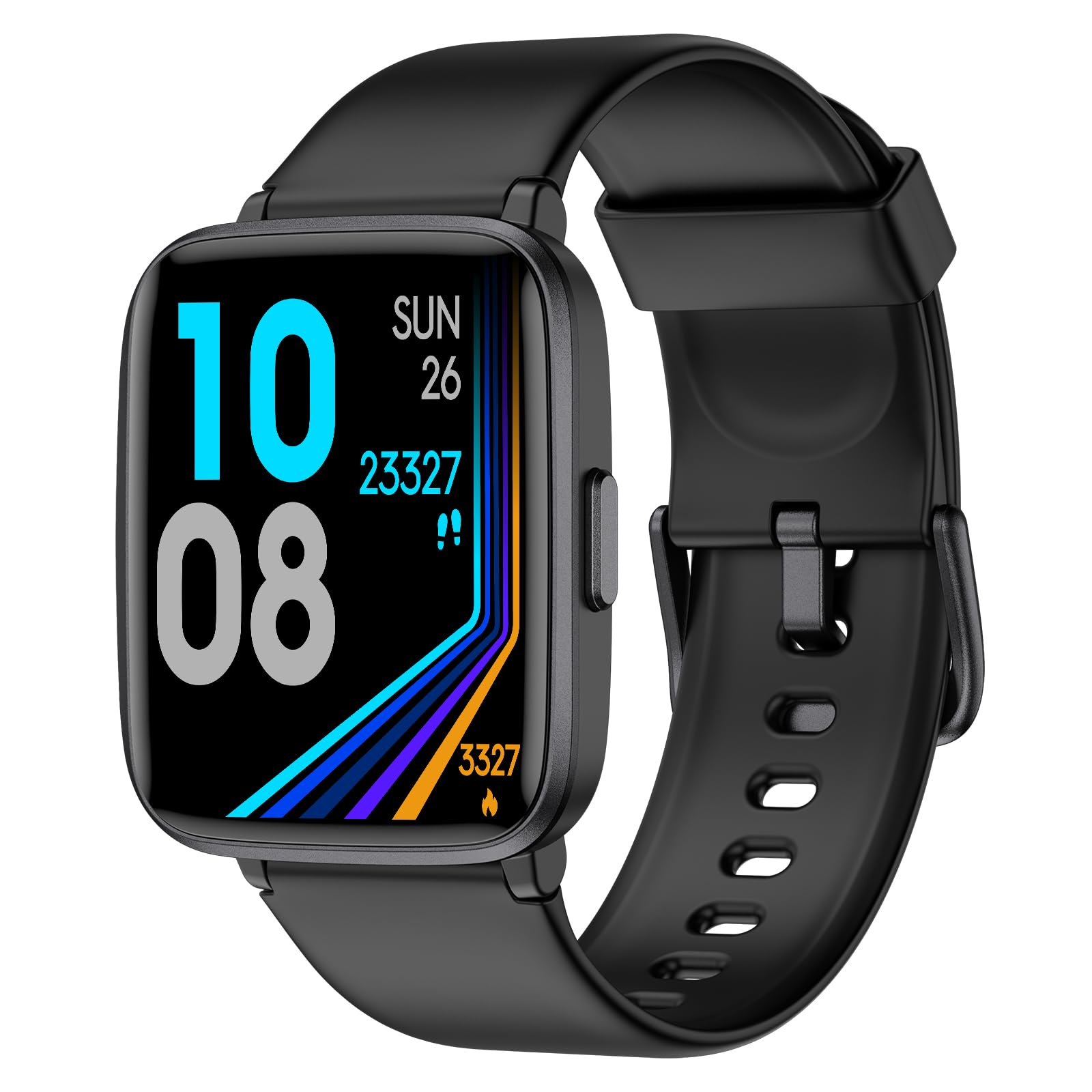
A 1.10-inch AMOLED panel is the reason to look at this one. It's bright, legible in daylight and easy to read at arm's length, which is more than you can say for most watches at this end of the price range.

Sleep is logged automatically — light, deep and awake time — and read in the Keep Heath app, while the watch carries 25 sport modes and IP68 water resistance for everything else. We think it's the right buy if you want one inexpensive watch for steps, heart rate and sleep rather than a dedicated sleep instrument.

The trade-offs are real. Stage accuracy is the least dependable part of the package, and charging is the soft spot — some units simply stop taking a charge. The screen is also not especially sensitive, so expect a firmer tap than you'd use on a premium watch.

Pros

  • Bright, readable 1.10-inch AMOLED display
  • IP68 water resistance and 25 sport modes
  • Automatic light, deep and awake sleep logging

Cons

  • No stated warranty
  • Sleep detail only in the app, not on the watch
Our verdict

Buy it as a cheap everyday watch that logs sleep: a bright AMOLED screen, IP68 and 25 sport modes, with the stage data waiting in the app.

Check Latest Price
7

No-Phone Tracking

LIVIKEY Fitness Tracker

82 /100
Trail Score Excellent

Key details

Charge Time
2 hours
Battery Life
5–7 days
Phone Required
No
Water Resistance
IP68
Check Price on Amazon

The pitch is unusual: no app, no account, no phone. The watch shows steps, heart rate and sleep on its own 41 mm screen, and if you never pair it to anything, it still works.

That makes it the one to buy if the phone is the thing you're trying to keep out of the bedroom. Heart rate runs automatically through the day, sleep is monitored overnight, IP68 covers sweat and rain, and a two-hour charge buys five to seven days.

The honesty is in the fidelity. This is a movement-based estimate with little nuance, and there are nights it doesn't log at all. We think that's a fair trade for a device that needs nothing else in the room — and it carries a stated one-year warranty, which is more than some pricier picks here offer.

Pros

  • No app, phone or account needed
  • Five to seven days from a two-hour charge
  • IP68 water resistance
  • Stated one-year warranty

Cons

  • Bands wear through before the watch does
Our verdict

The one for a phone-free bedroom: no app, no account, sleep and heart rate on the watch itself, for less than any other pick here.

Check Latest Price

How We Tested 12 Sleep Trackers

The shortlist started wide: every sleep tracker we could find that works with both major phone platforms and doesn't hide basic sleep data behind a subscription. From there we cut anything rated for under three nights of battery, anything without a heart-rate sensor, and anything with a visible pattern of reliability complaints in user reviews. Twelve devices made the cut, and we've lived with them for six months.

Each one got at least two straight weeks on the wrist or finger, covering workdays, a weekend away, and the kind of night where you're up at 2 a.m. We compared the morning report against how we actually felt and against a finger pulse oximeter, and noted whether the app showed trends over time or just one unhelpful score. We also wore each tracker to the office and out to dinner — one you won't wear in public is one you'll leave in a drawer.

The practical stuff got equal weight. We timed how many nights each lasted with alarms and continuous heart rate switched on, and how long a full charge took. We slept with a partner in the bed to see which screens lit up the room, checked wrists and fingers for pressure marks by morning, and handed the app to someone who'd never opened it to see whether they could find last night's data unaided. Every dropped sync, unlogged workout, and step count that drifted from a chest strap went in the notes.

How to Choose a Sleep Tracker

Start With What Stays On All Night

A tracker you take off at 2 a.m. records nothing, so comfort outranks every sensor on the box. Wrist bands are the most forgiving: a strap adjusts, and a light one on a narrow band — the Fitbit Air is about five grams on an 18.2 mm strap — disappears under a sleeve. Rings are less noticeable still, but they're fixed. There's no notch to loosen, which is why sizing is the deciding risk with any ring purchase and why a first ring is best treated as a fit experiment rather than a long-term buy.

Decide Whether You Want a Score or a Spreadsheet

There are two useful kinds of morning report. One is a single score you can act on without thinking, which is the Fitbit approach. The other is a set of trends — heart-rate variability, resting heart rate, blood oxygen, skin temperature — compared against your own baseline, which is what the WHOOP builds its day around.

More sensors don't automatically mean more insight, and the app is where a tracker earns its keep: pick the one whose report you'll actually open at 6 a.m. Keep in mind, too, that stage splits are estimates while total sleep time and overnight heart rate are the sturdier figures.

Match the Battery to Your Routine

A tracker on the charger can't track anything. A week or more per charge — up to seven days on the Air, around ten on the Inspire 3 — turns charging into a weekly habit instead of a nightly one, and a five-minute top-up that buys a full day is the best emergency measure here.

Rings run shorter, two to three days, and lean on a charging case. Don't confuse the two: case capacity isn't the ring's own battery life, and a case that stops working leaves you with a dead ring on a Sunday night.

Budget For the Second Year, Not Just the First

Sleep tracking is sold three ways. As a membership, like the WHOOP 5.0, where the band comes included and the hardware stops being useful if you stop paying. As a one-time price with optional extras, which is how Fitbit works — the core sleep score is free, the coaching tier is not. Or with no subscription at all, which is what the budget rings offer, usually with a thinner app behind it. Decide which of those you'll still be happy paying in year two; a subscription you resent is a tracker you stop wearing.

Frequently Asked Questions

Final Verdict

Start with the Google Fitbit Air. It's light enough to forget, quiet enough to sleep beside, and it runs a week with a five-minute rescue charge — the three things that decide whether a sleep tracker is still being worn in month three.

If you want to know how hard to train tomorrow rather than just how you slept, the WHOOP 5.0 sets the night's stages against recovery and strain, and the membership is worth it for that. If a ring is the only thing you'll tolerate on your hand, the BIEMHA VR11 is the low-risk way to find out.