Best Shoes for Neuropathy of 2026

The tricky part of shopping for neuropathy shoes is that the features that protect your feet—a roomy toe box, deep cushioning, a sole that grips—can make a pair look and feel like a medical device. A good shoe fixes the daily friction: it gives toes room without letting the foot slide, cushions the ball and heel without turning every step into a wobble, and makes getting dressed less of a negotiation.

Over the past eight months, our team has worn 12 pairs through grocery aisles, doctor appointments, kitchen-floor standing, and evening walks. We looked for shoes that felt comfortable from the first block, looked normal enough with jeans, and felt worth the money. The first thing I tell a first-time buyer is that the size on the box matters less than the shape of the toe box and whether the heel stays put. The picks below are the ones we kept reaching for.

1

Best Overall

FitVille EasyTop Wings

89 /100
Trail Score Excellent

Key details

Style
Slip-on walking shoe
Width
Extra wide
Closure
Adjustable straps
Department
Men's
Check Price on Amazon

Most shoes for neuropathy make you push your foot into a fixed opening and hope the swelling clears it. The EasyTop Wings doesn't work that way: the top of the shoe lifts open on long hook-and-loop panels, so you set your foot down flat and close the shoe around it. That one difference is why it sits at the top of this list. On a puffy day you leave the strap looser; on a better day you snug it down.

The width backs it up. These are built extra wide, and the toe box is cut to match, so toes sit side by side instead of stacking. We paid attention to where the closure presses: the panel runs across a long stretch of the instep rather than one narrow band, which spreads pressure instead of concentrating it over the top of the foot. And there's nothing to lace, tie, or reach for — the shoe closes with one hand if that's what the morning allows.

The rest of the build is unremarkable in the right way. The footbed is padded, the upper folds back easily, and the shoe reads as an athletic sneaker rather than a medical product, which matters more to some buyers than any specification on this page.

Two things to sort out before ordering. These run a little large, so take your usual size rather than sizing up out of caution. And the insole carries a raised ridge above the arch; run a thumb along it first, because on a sensitive foot that ridge is the spot most likely to annoy.

Pros

  • Opens wide for swollen or bandaged feet
  • Extra-wide toe box with no break-in squeeze
  • One-hand adjustable closure
  • Looks like a walking shoe, not a medical one

Cons

  • Sizing runs large
Our verdict

If your feet swell and lacing has become a chore, start here: an extra-wide shoe that opens flat and closes around the foot.
Check Latest Price
2

Best Cushioning

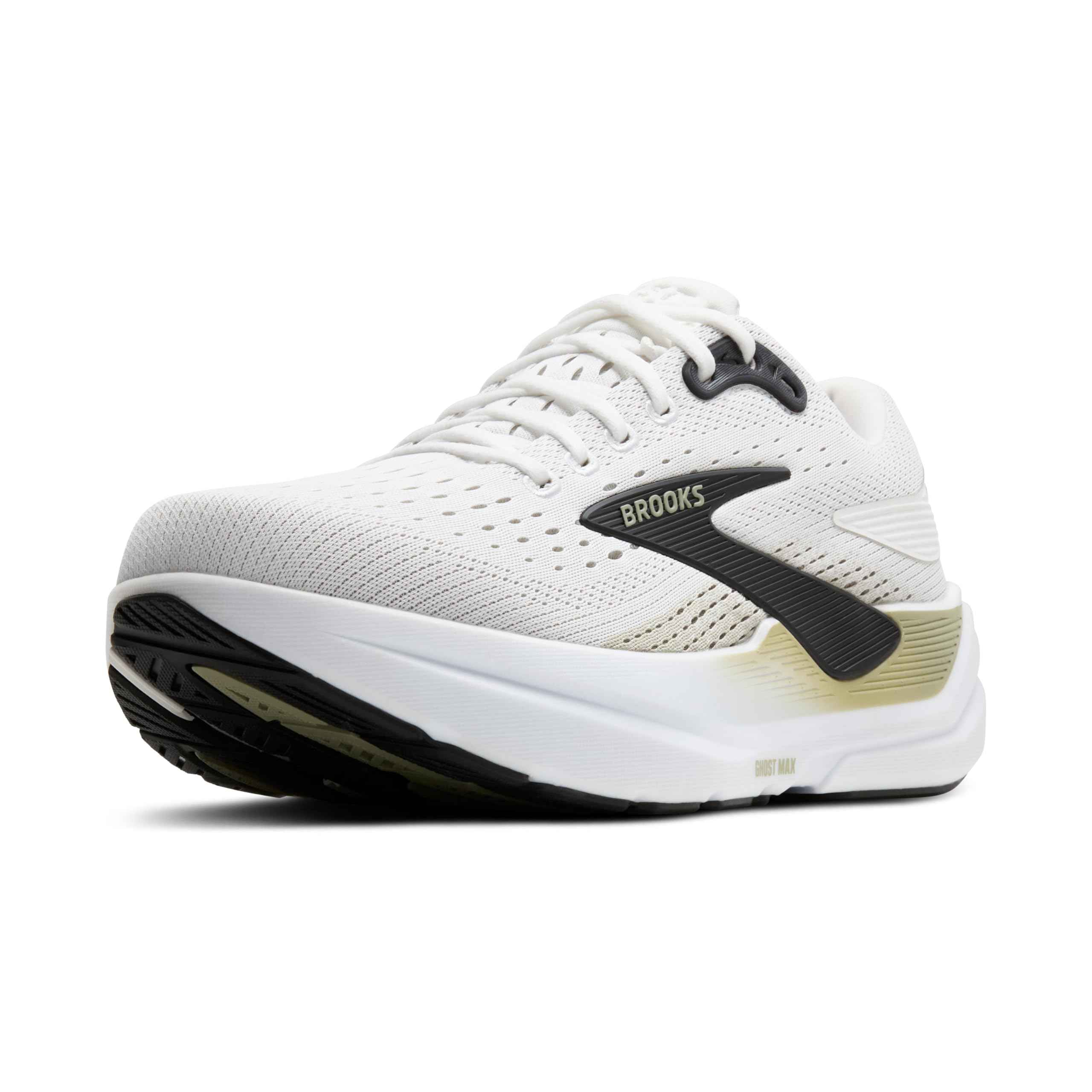
Brooks Ghost Max 3

90 /100
Trail Score Outstanding

Key details

Model
110464
Closure
Lace-up
Department
Men's
Listed Use
Road running
Check Price on Amazon

There's a lot of shoe between your foot and the pavement here, which is the point. The Ghost Max 3 has a thick, soft midsole, a rockered sole that rolls the foot forward instead of slapping it down, and a toe box wide enough that toes don't press together — the combination that makes a long day on hard floors bearable.

Cushioning is where this one beats everything else in the group. The landing is soft without the shoe wallowing, and the heel is deep enough that a custom insert doesn't crowd the toes. If you stand for a shift or walk a couple of miles a day, we think the extra spend buys something real: the kind of underfoot softness that leaves your feet less tired after hours on them.

The heel collar is the one thing we flag. It can rub at first, before the shoe softens, and with reduced sensation a hot spot at the back of the heel is exactly the sort of thing you won't notice until later. Wear them around the house for an hour with the socks you'll actually use, check your heels, and only then take them outside.

Beyond that it's a running shoe doing walking duty, and it's priced like one — the most expensive pick here. It earns that when cushioning is your priority and the fit is right; it buys you nothing if the shoe isn't the shape of your foot.

Pros

  • Deep cushioning for long days on feet
  • Wide toe box with room for an orthotic
  • Rockered sole keeps the stride rolling

Cons

  • Lace-up, so not a hands-free shoe
Our verdict

The pick when cushioning matters most: the softest, most protective ride here, with a wide toe box and room for an insert.

Check Latest Price
3

Best Everyday Slip-On

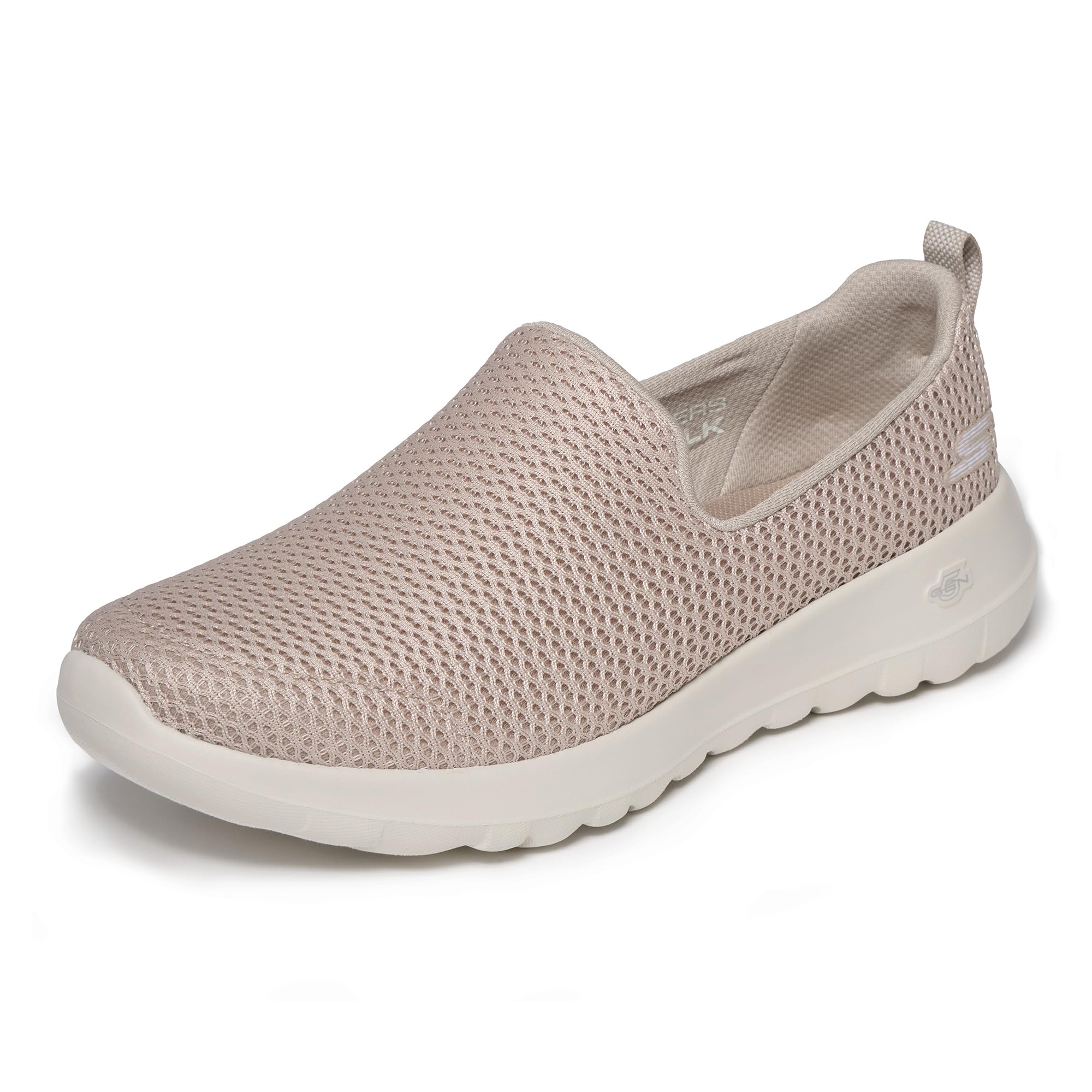
Skechers Go Walk Joy

91 /100
Trail Score Outstanding

Key details

Model
15600
Closure
Slip-on
Department
Women's
Check Price on Amazon

Nothing about the Go Walk Joy is designed for neuropathy. It's a soft pull-on walking shoe with a stretchy upper and a pillowy footbed, and it happens to suit feet that need exactly that. What we like is how little there is to fight with: no laces, no strap to line up, no break-in period, and a price that makes a second pair an easy decision.

Comfort is the whole point of it. The footbed is soft under the heel, the upper gives over a bunion instead of pressing on it, and the shoe is light enough that an afternoon of errands doesn't turn into a slog. The upper also takes a cold machine wash, which matters when one pair is all you wear.

Fit is the catch. The standard width runs narrow, so if your forefoot is wide, order the wide width rather than your usual number. Sizing is inconsistent enough that one pair can run true and the next come up a half size large, and the arch is thin — this is a soft shoe, not a structured one.

For the money it's still one of the easiest recommendations here. It's the least expensive women's pick that stays comfortable for a full day, and the one we point people to who want a single shoe for errands, work, and the mailbox.

Pros

  • Slips on with no laces or straps
  • Pillowy footbed for all-day wear
  • Upper takes a machine wash
  • Low price for a daily shoe

Cons

  • Minimal arch support
Our verdict

A soft, inexpensive slip-on that's easy to live with — best for women with narrow-to-average feet who want comfort without a medical look.

Check Latest Price
4

Best Hands-Free

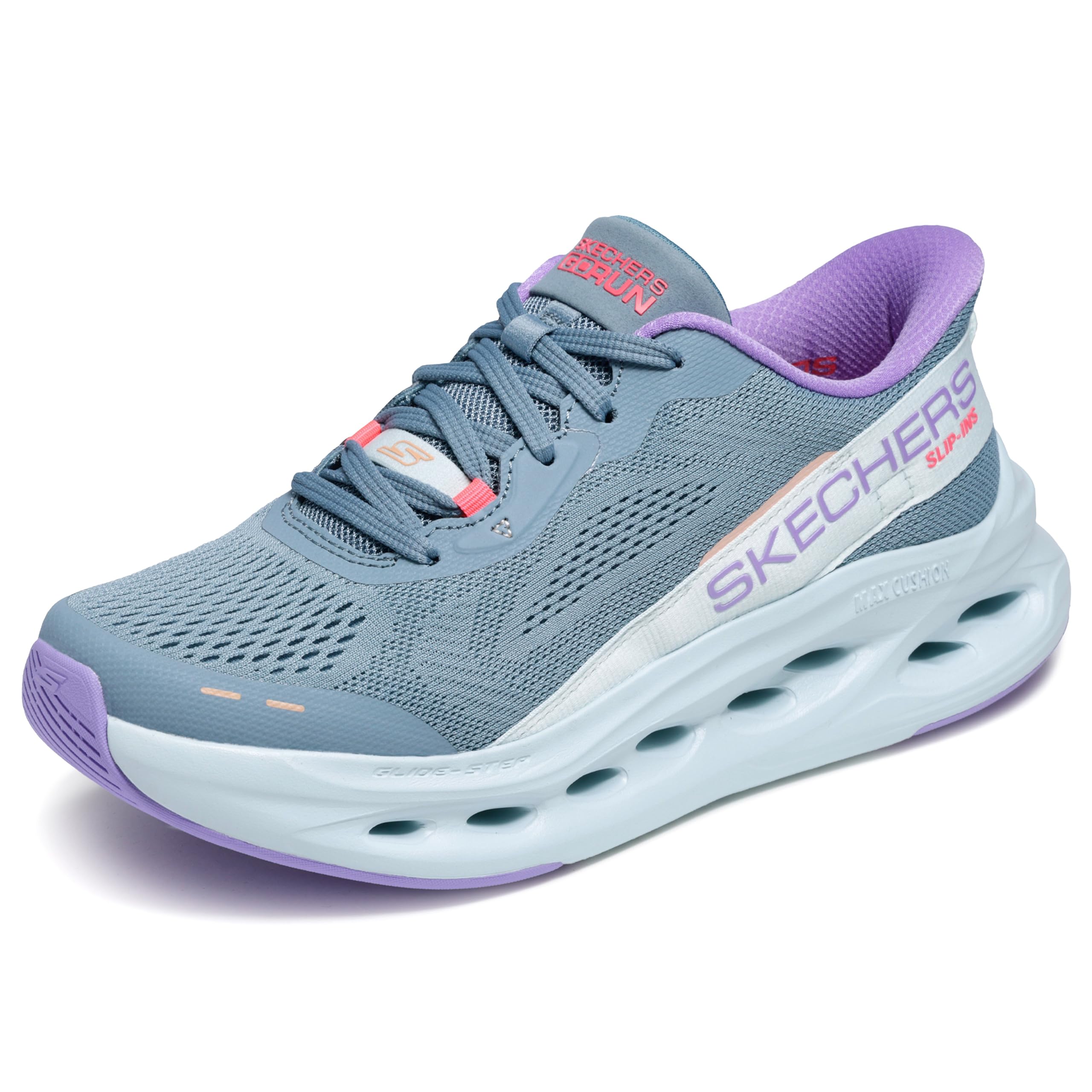
Skechers Max Cushioning Caledonia

90 /100
Trail Score Outstanding

Key details

Model
129400
Closure
Hands-free step-in
Department
Women's
Check Price on Amazon

You step down into the Caledonia and the heel closes behind your foot on its own — no hands, no bending, no shoehorn. Skechers calls it hands-free, and it's the reason this is the women's pick here for the days when reaching your feet is the hard part.

The surprise is that the toe box didn't get sacrificed for the trick. There's real room across the forefoot, and in a wide width it accommodates a broad foot without the upper cutting across the toes. Underfoot it's the plushest women's shoe in this set: thick, soft, closer to walking on a padded mat than on pavement, with an arch that feels built up rather than flat.

The bulk is what you pay for all that foam. This is a tall, chunky shoe and it reads as a comfort sneaker rather than something discreet. We don't mind the trade, since cushioning is the whole point of the design, but it isn't the pair for anyone who wants the shoe to vanish under trousers.

Pros

  • Heel closes hands-free on step-in
  • Roomy toe box, available in wide
  • Thick, plush cushioning
  • Built-up arch support

Cons

  • Lining can tear while the rest holds up
Our verdict

The women's shoe to buy if you can't bend to put shoes on — a true step-in with a wide toe box and soft, thick cushioning.

Check Latest Price
5

Best for Swollen Feet

LeIsfIt Wide Diabetic Shoe

86 /100
Trail Score Excellent

Key details

Drop
Zero drop
Width
Wide
Closure
Adjustable straps
Department
Men's
Check Price on Amazon

The LeIsfIt is the least expensive adjustable men's shoe in this group, and for a lot of households that settles it. Two hook-and-loop straps open the front wide, so a foot that's puffy in the morning or after a flight goes in without a fight.

We noticed how much of the shoe is strap, and that's the good part. The closure runs the length of the instep, so you tighten where you need to and leave the rest alone, and the whole front opens far enough to take a swollen foot without a shoehorn. It's light, it doesn't look like a slipper, and there's nothing to tie.

The sole is where it gives ground. It's a zero-drop shoe, so there's no extra heel height to soften a step, and the sidewalls are soft enough that the foot can roll. Around the house, out to the car, or on a foot that's still healing, that's fine. For two miles on pavement, it isn't enough shoe.

Pros

  • Full-length straps open the shoe wide
  • Least expensive adjustable men's shoe here
  • Light and easy to step into
  • Doesn't look like a slipper

Cons

  • Sizing chart runs tight
Our verdict

The best value in an adjustable shoe: straps that open wide for a swollen foot, on a light, low sole that suits indoors and short trips.

Check Latest Price
6

Arch Support

OrthoComfoot Orthotic Loafer

86 /100
Trail Score Excellent

Key details

Closure
Slip-on
Footbed
Orthotic arch support
Department
Men's
Check Price on Amazon

OrthoComfoot sells these as loafers with an orthotic footbed, and the footbed is the reason to look. The arch is high and firm — structure you notice under the midfoot rather than a token bump — and the shoe ships with a spare set of inserts so you can tune how much volume sits under your foot.

That makes it a firmer ride than the Skechers and the FitVille, and some feet want exactly that: the midfoot feels held rather than floating. There's no break-in to speak of, the upper is soft, and they read as casual shoes rather than orthopedic ones, which is more than several picks here manage.

Durability is the caveat. The sole has separated from the upper on some pairs well inside a year, and that's the kind of failure that ends a shoe early regardless of how good the footbed is. If you walk several miles a day, this isn't the pair to do it in.

Where that leaves us: it's the pick for a firm, structured footbed and a plain look, and a reasonable second pair for someone who wants support without a wide, soft, adjustable shoe.

Pros

  • Firm, high arch support
  • Spare inserts included to adjust volume
  • No break-in period

Cons

  • No wide width and no half sizes
Our verdict

Buy these for the firm, high arch support and the plain loafer look, as long as a whole-size fit works for your foot.

Check Latest Price
7

Budget Wide Fit

Scurtain Wide Diabetic Shoe

86 /100
Trail Score Excellent

Key details

Drop
Zero drop
Width
Wide
Closure
Adjustable straps
Department
Women's
Check Price on Amazon

The Scurtain is what a wide forefoot on a tight budget looks like. The squared-off box toe is the design's whole argument — it lets toes spread instead of crowding — and it's the first thing you notice once the shoes are on.

There's more adjustment here than the price suggests. A strap on the side snugs the shoe across the instep, so you can tighten over a thin sock and loosen over a thick one. They're light, they breathe, and they kick on and off easily, which is why they end up by the door.

It's a zero-drop shoe with a thin sole, so there's no heel lift to soften a long walk and you feel more of the ground than you do in the Brooks or the Caledonia. For errands, work that keeps you near a chair, and padding around the house, that's an easy trade at this price. It isn't the shoe to build a daily walking routine around.

Pros

  • Roomy box toe for wide forefeet
  • Side strap adjusts over socks
  • Light and breathable
  • Least expensive women's pick here

Cons

  • Very little arch structure
  • Grip is inconsistent on wet floors
Our verdict

A wide, adjustable, inexpensive women's shoe that handles errands and everyday wear — not long walks, and not if you need arch support.

Check Latest Price

How We Tested These Neuropathy Shoes

We started with a shortlist of more than 40 styles recommended by podiatrists, physical therapists, and customer reviews, then narrowed it to 12 pairs based on available widths, removable footbeds, seam placement, and price. Over eight months, those shoes went where feet actually go: grocery aisles, doctor appointments, a long stand at the kitchen counter, and a 20-minute evening walk on sidewalk and uneven pavement.

For fit and size, we tried each pair in our usual size and a half size up, measured the toe box with a ruler, and noted whether the heel slipped when we walked. We pressed a thumb into each footbed, swapped insoles where the shoe allowed it, and climbed stairs to see whether the arch felt supportive or just hard. Ease of use got its own test: we timed putting each shoe on and taking it off, first sitting with a shoehorn and then standing without one.

Comfort was tracked by where we felt pressure after 45 minutes on our feet—hot spots, pinched toes, a heel that rubbed. On a wet tile floor and a damp concrete driveway, we took short turns and noted whether the outsole broke loose. We also wore the pairs with jeans and casual trousers, checked heel wear and seam separation after eight months, and compared the materials and construction against what each pair cost.

How to Choose Shoes for Neuropathy

Room in the Toe Box Comes First

Nothing else on this list matters if the front of the shoe presses on your toes. Look for a box that's wide across the ball of the foot and deep enough that toes don't brush the top, then stand up in the shoe and wiggle: you want space, not contact. Extra-wide sizing deserves to be treated as a real option rather than a last resort — the FitVille is built that way, and both budget shoes here come in wide. If the forefoot is the only part that's tight, order the wide width instead of going up a size.

Cushioning Is Protection

With reduced sensation you don't get an early warning about a hard landing or a hot spot, so the sole has to absorb what your foot can't feel. A thick, soft midsole spreads pressure and takes the edge off pavement; a thin, flat one passes it straight through. Zero-drop designs like the Scurtain and the LeIsfIt have no heel lift, which is fine for short trips and indoor wear but gives you less protection over distance. Press a thumb into the midsole before you commit — it should push in and spring back.

Choose a Closure You Can Change

Feet change size during the day. A shoe that fits at eight in the morning can be tight by mid-afternoon, and a tight shoe is the thing you're least likely to feel. That's why we rank a strap above laces and laces above a fixed opening. A panel running along the instep, as on the FitVille and the LeIsfIt, lets you loosen one spot without undoing anything else, and it opens the shoe wide enough to get a puffy foot in without a shoehorn.

Hands-Free Entry Has a Catch

A step-in design like the Caledonia is genuinely useful when bending over is the hard part, and a heel that closes itself is not a gimmick. The trap is a shoe that's easy to step into but not secure to walk in: if the heel lifts with each step, the shoe can catch, slide, or come off. Test it by walking ten paces and feeling for movement at the back. Some slip going in is fine. Movement while walking is not.

Frequently Asked Questions

Final Verdict

For most men, the FitVille EasyTop Wings is the pair to buy: the front opens flat, the strap closes around a swollen foot, and the extra-wide box leaves your toes alone. Women should start with the Skechers Max Cushioning Caledonia if bending is the problem, or the Go Walk Joy if the budget is tight and the feet are average width.

If cushioning outranks convenience and laces are still manageable, the Brooks Ghost Max 3 gives you the softest landing here and room for an insert — the pick to walk miles in rather than step into.