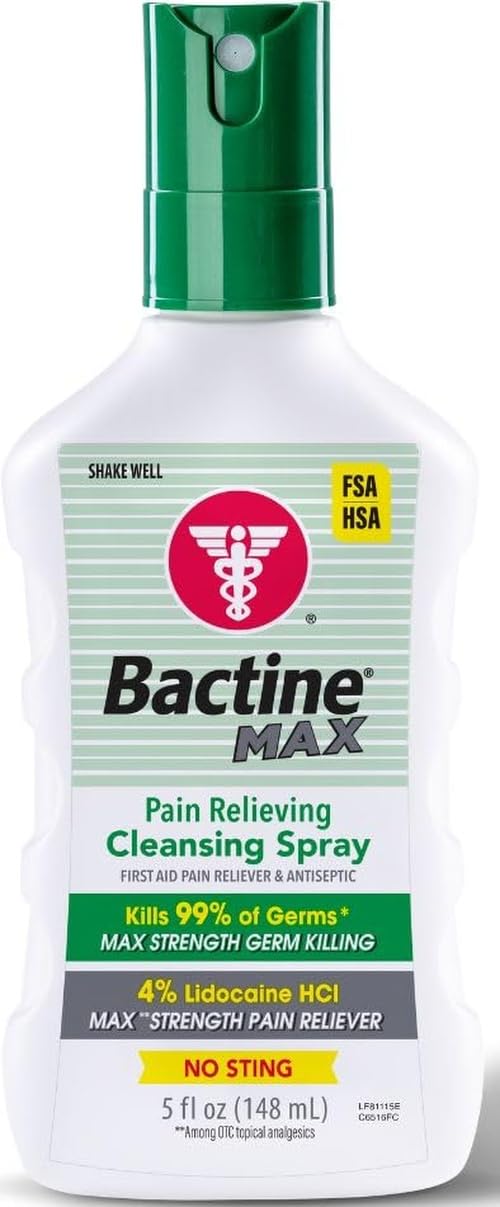
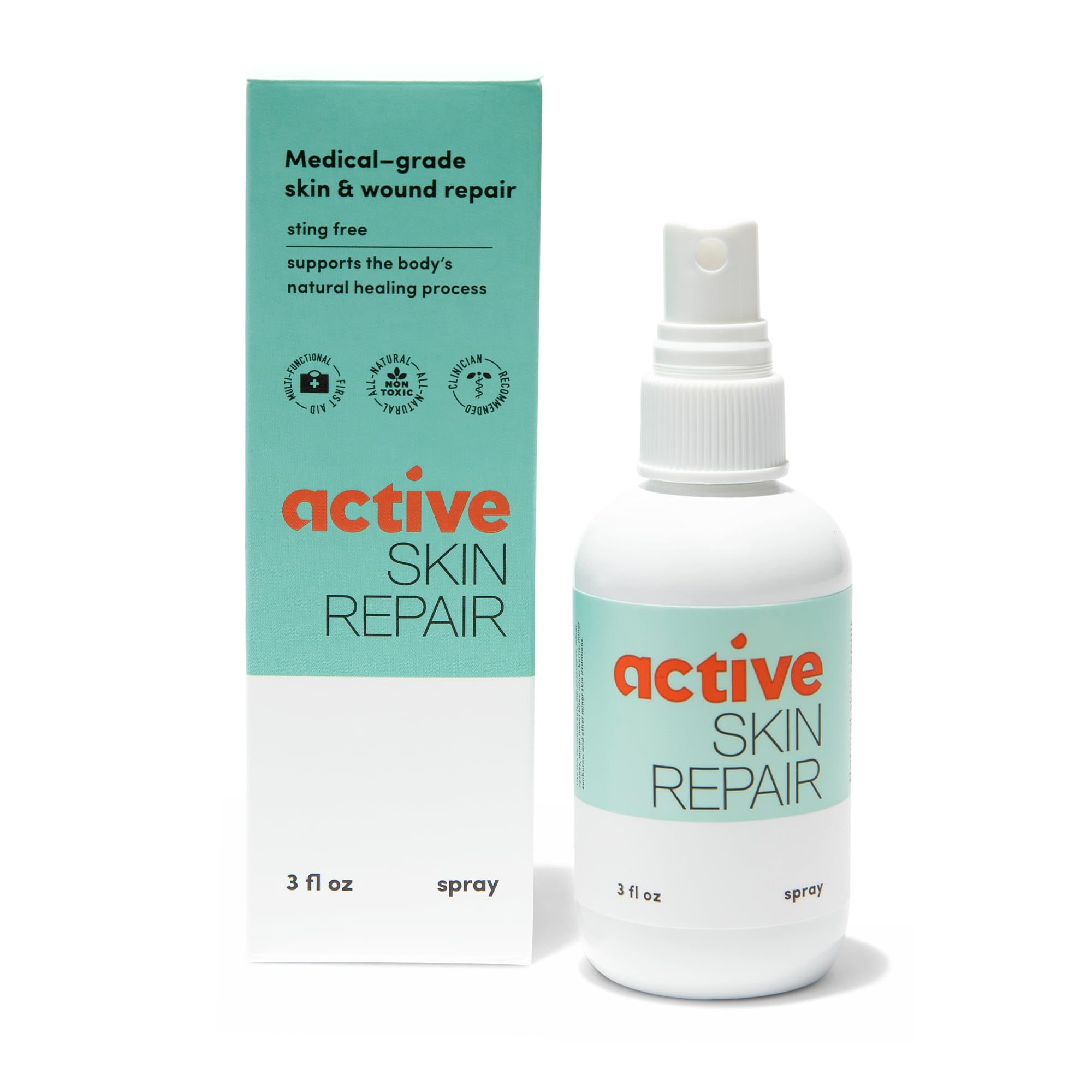
Best Overall

Band-Aid Antiseptic Cleansing Spray
Key details
- Size
- 8 fl oz
- Antiseptic
- Benzalkonium chloride
- Spray Type
- Pump spray
- Pain Reliever
- Pramoxine HCl
An eight-ounce pump bottle sits differently in a cabinet than the little tubes and ampoules most first-aid kits carry. It stands on the shelf, it comes out one-handed, and there's enough in it that you stop rationing. The formula pairs benzalkonium chloride, the standard over-the-counter first-aid antiseptic, with pramoxine hydrochloride, which numbs as it cleans. The label says to spray a small amount one to three times a day and let it dry completely before covering the wound.
Doing both jobs in one pass is why this is the bottle we point people to first. Several sprays here are pure cleansers with no numbing ingredient at all, and the ones that do numb tend to come in small cans you save for the bad ones. This one is inexpensive enough per ounce to use on a stubbed toe without a second thought, and it doesn't have the alcohol-and-hydrogen-peroxide bite that makes children pull away before you've sprayed anything.
The delivery is the compromise. It comes out closer to a narrow stream than a mist, so spray from a couple of inches and let it run across the scrape rather than trying to fog the whole area. On a knee or an elbow that's fine. For a scraped cheek, spray a gauze pad and dab instead, which also keeps it out of an eye.
What we keep noticing is what happens after: it dries quickly without the sticky film an ointment leaves, so a bandage goes on straight away instead of sliding around. Eight ounces then lasts a household long enough that replacing it isn't a monthly errand.
Pros
- Numbs and disinfects in one spray
- No sting on minor cuts and scrapes
- Eight ounces lasts a household
- Dries without a sticky residue
Cons
- Pump needs a firm, deliberate press
For a household kit, this is the bottle we recommend first — it numbs, disinfects, and doesn't sting.