Best Zero Drop Shoes of 2026

Zero drop shoes promise a more natural stride, but the first pair can feel like a negotiation: your calves notice the missing heel lift, your arches wonder where the support went, and your toes either spread out or get pinched. The right pair fixes the cramped-toe, heel-first feel without forcing you into a barefoot transition you did not ask for. Some are basically foot-shaped slippers; others have enough cushioning and tread for a weekend hike.

I have worn zero drop shoes for years, and over the past nine months my team tested 12 pairs on daily dog walks, grocery runs, airport days, and a few muddy trail miles. We compared fit out of the box and after a month of wear, how they looked with shorts versus jeans, and whether traction held on wet pavement. The cushiest pairs often had the least reliable balance on uneven ground, while a few firmer ones became the ones I reached for. The picks below cover that range—barefoot-feel options, cushioned everyday pairs, and a couple built for a trail.

1

Best Overall

Joomra Women's Trail Running Barefoot Shoes

88 /100
Trail Score Excellent

Key details

Shoe Type
Trail running
Department
Women's
Heel-to-toe Drop
Zero
Check Price on Amazon

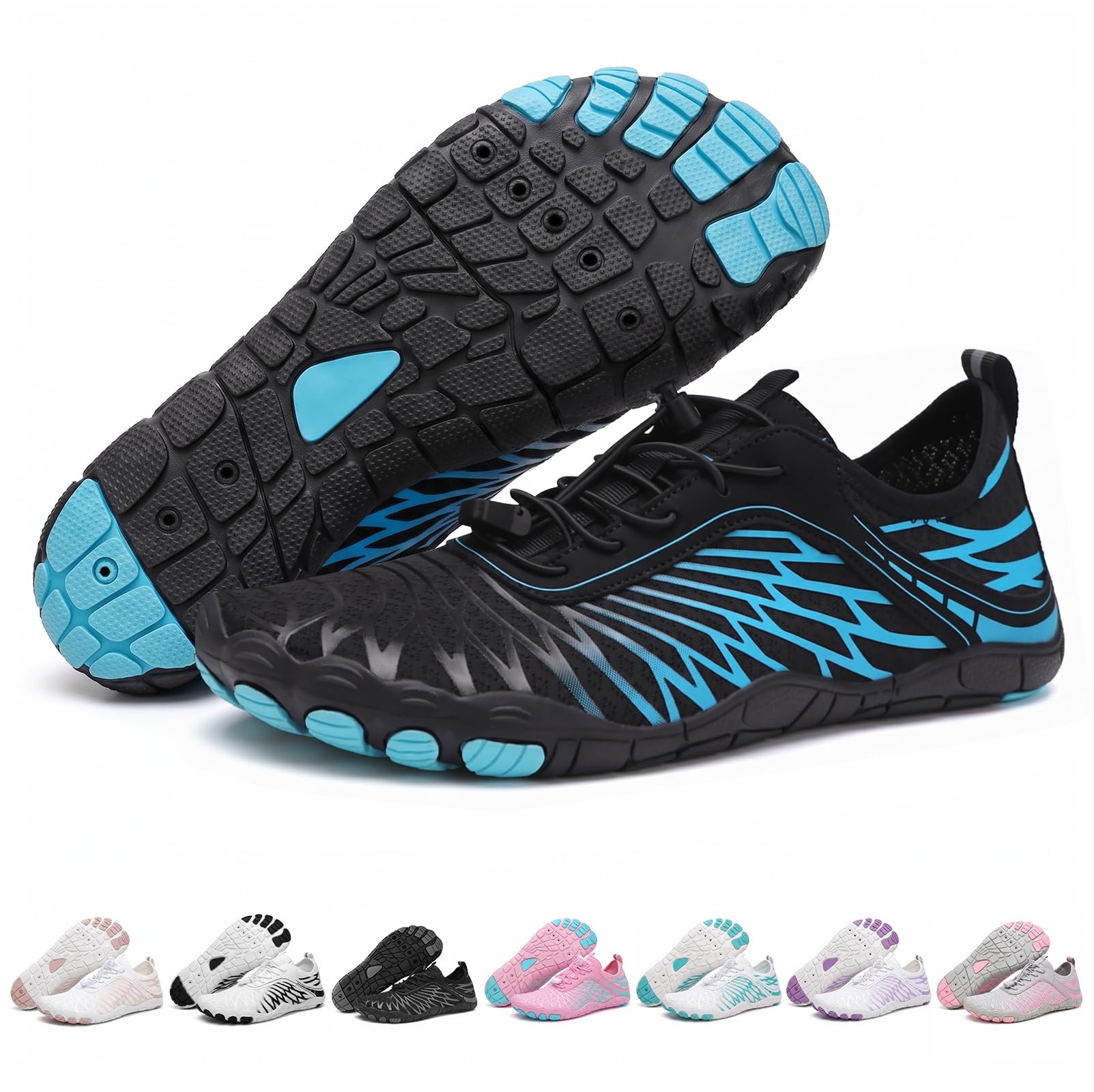
If you want to find out whether zero drop works for your feet without committing much money to the answer, start here. The Joomra is the least expensive pair in this guide that we still recommend after living with it: flat and flexible underfoot, roomy across the toes, and grippier on gravel and wet pavement than anything else at this end of the price range.

Range is what earns it the top spot. Ours went from a light trail jog to a supermarket run to a long day on our feet without ever feeling like the wrong shoe, which is unusual in a category where most pairs end up being either a gym flat or a trail shoe and not both. The tread is the reason: aggressive enough for loose gravel, thin enough that you still feel the ground underneath, which is the entire point of a barefoot-style shoe.

The closure is the detail we didn't expect to like. A drawcord and a strap let you snug the middle of the foot without crushing the toes, so the width stays where it matters, and there's nothing hard to rub if you wear them without socks. Ours have become the default pair by the door, which is about the highest compliment a shoe at this price can get.

Pros

  • Flat, flexible sole with real ground feel
  • Grippy on gravel and wet pavement
  • Wide toe box with an adjustable closure
  • Costs less than most zero-drop shoes here

Cons

  • Runs small; order a half size up
Our verdict

The best-value introduction to zero drop we found: flat, grippy, and wide enough for most feet, whether you run or just walk.
Check Latest Price
2

Best for Trail Running

ALTRA Lone Peak 9 Trail Running Shoe

89 /100
Trail Score Excellent

Key details

Toe Box
Wide
Shoe Type
Trail running
Department
Men's
Check Price on Amazon

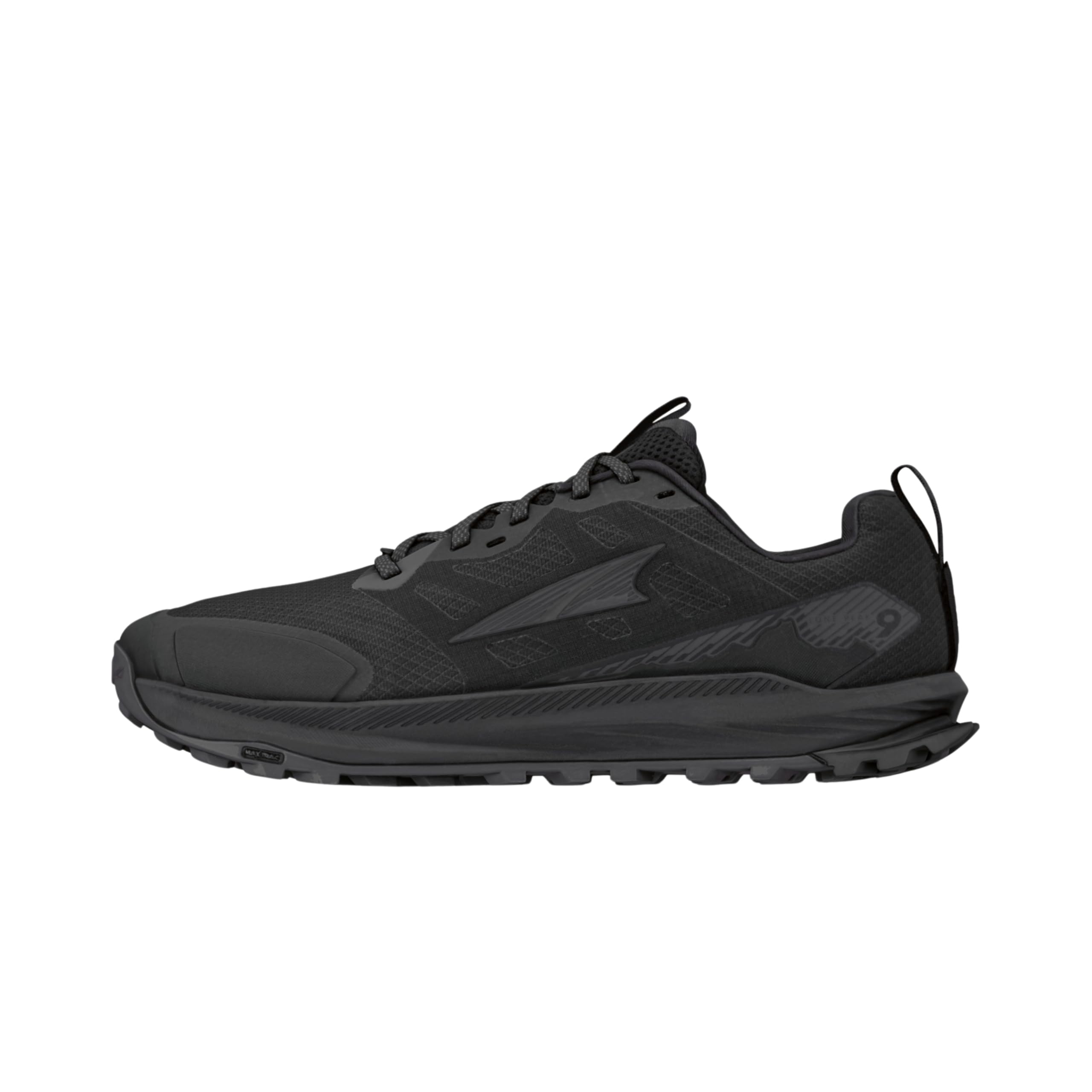
The priciest shoe here is also the only one we'd call a proper trail runner, and that's the whole trade. On wet roots, loose rock, and a cambered path, the Lone Peak 9 is the pair that stayed planted while the cheap flat shoes skated. It is also the one that felt most like a running shoe rather than a sock with a rubber bottom, which is either the selling point or the deal-breaker depending on what you came for.

The shape is what we kept noticing. There's more room across the ball of the foot than a standard running shoe gives you, so toes spread on push-off without the midfoot going slack, and the upper doesn't press anywhere across the instep. After a few days of daily wear the shoe stopped being something we thought about, which is the best thing you can say about a trail shoe on a road week.

Durability is the open question, and it's worth knowing before you spend this much. The uppers hold up well; the outsole is the part that can wear through ahead of the rest of the shoe, so if you're putting in serious mileage, plan on replacing them sooner than the price suggests. For weekly trail runs and long dog walks, that's a fair trade for the grip.

Where it earns its place is the combination: protection on rough ground, a foot-shaped toe box, and enough stability to run downhill on loose rock without thinking about your ankles. If you want maximum feedback underfoot rather than protection, the Joomra or the WHITIN do that better for far less.

Pros

  • Best traction and stability here on wet, loose ground
  • Roomy toe box that still holds the midfoot
  • Comfortable for all-day standing and long walks

Cons

  • Priciest shoe in this guide
  • Outsoles can wear ahead of the uppers
Our verdict

Our pick for real trails: the grippiest, most stable shoe in this guide, with a roomy toe box — and the premium price to match.

Check Latest Price
3

Best for Men

ASITVO Men's Wide Barefoot Sneakers

88 /100
Trail Score Excellent

Key details

Width
Wide
Shoe Type
Trail running
Department
Men's
Heel-to-toe Drop
Zero
Check Price on Amazon

Two sets of insoles come in the box, and that tells you most of what you need to know about who these are for. The ASITVO is a gym and walking shoe first — flat, wide, firm underfoot, with an optional insole for anyone who wants a little more arch than a barefoot platform gives. We put the thicker pair in on the first day and left them there, and the fit went from roomy to right.

For the money, this is the men's pick we hand over most readily. The upper takes a wide forefoot without pinching the little toe, the shoe is light enough to forget about on a long walk, and the finish looks considerably tidier than the price implies — ours have done duty at the gym and at a coffee shop on the way home without looking out of place.

Running is the line to respect. The listing calls it a cross-trainer, but the ride is flat and firm with nothing to absorb a heel strike, and pushing it into distance work left our feet feeling every curb. Keep it for lifting, walking, and errands and it does all three well; ask it to be a running shoe and you'll be disappointed by a product that's otherwise very good at its job.

Pros

  • Wide forefoot without pinching
  • Second insole included in the box
  • Solid build for the money

Cons

  • Not built for distance running
Our verdict

The best value for men here: a wide, flat gym-and-walking shoe with a spare insole in the box. Just don't plan on running in it.

Check Latest Price
4

Best Lightweight Everyday

WHITIN Women's W81 Barefoot Sneakers

88 /100
Trail Score Excellent

Key details

Shoe Type
Road running
Department
Women's
Heel-to-toe Drop
Zero
Check Price on Amazon

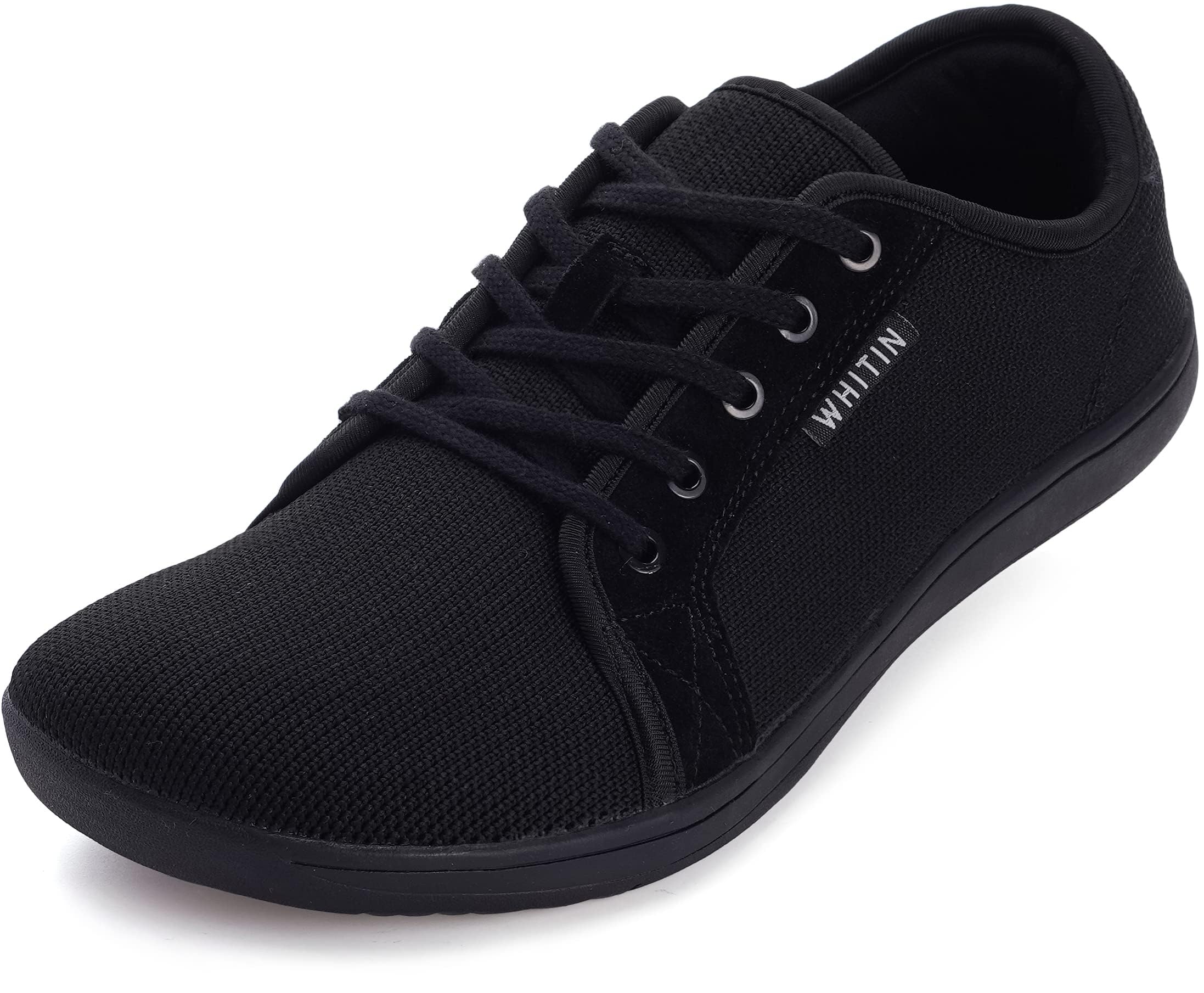
The first thing you notice is the shape. The toe box flares wide and blunt, the kind of silhouette that reads as a house slipper in the box and looks deliberate once it's on, and the whole point of it is that your toes lie flat and spread instead of stacking. If you've been squeezing a wide forefoot into standard running shoes, this is the correction.

They weigh almost nothing on the foot, which is why they became our default for a gym session or a long errand walk. The upper breathes well enough that hot feet stop being a factor, and the shoe holds its shape with constant wear rather than going floppy at the heel. Of everything here, this is the pair that gives toes the most room.

Where they give ground is grip. The outsole can be slick on smooth indoor floors, and we learned to take the polished gym floor more slowly after a turn that felt less secure than it should. Pavement and packed gravel are fine. For a light, wide, everyday zero-drop shoe they're excellent value — just don't ask them to be sure-footed on a wet locker-room floor.

Pros

  • Roomiest toe box in this guide
  • Barely there on the foot
  • Holds its shape with constant wear

Cons

  • Slick outsole on smooth indoor floors
  • Blunt, wide silhouette that reads casual
Our verdict

The roomiest, lightest everyday pair in this guide — a natural fit for wide feet at the gym or on errands, so long as the floor isn't wet.

Check Latest Price
5

Best Budget All-Day

RUFONE Barefoot Hiking Shoes

89 /100
Trail Score Excellent

Key details

Toe Box
Wide
Shoe Type
Hiking and water
Department
Women's
Check Price on Amazon

The name on the box says hiking, and that's the one thing to get past. These are thin-soled, flat, and light — closer to a house slipper with a rubber bottom than to a trail shoe — and on a rooted path you feel every pebble and every root. Over-promising in the title has soured some buyers on a shoe that is genuinely pleasant at everything else.

As an everyday shoe, they're a good deal. They're the easiest pair here to get on: no laces to fight, no break-in, no thinking about it at the door. We wore ours for errands, a long museum afternoon, and a day of standing at a desk, and they never pinched, never got hot, and never needed adjusting. The wide toe box does its job without the shoe looking like a water sandal, and the colors are more interesting than the price suggests.

Where they fall down is support. There's very little under the arch, the platform is thin enough that gravel is a conversation, and if you're used to a cushioned shoe you'll notice by mid-afternoon. As a cheap, light, wide shoe for flat ground they're excellent; for anything longer or rougher, the Joomra or the Altra will serve you better.

Pros

  • Easy on and off with no break-in
  • Light and cool on warm days
  • Wide fit without the water-shoe look

Cons

  • Too thin and grip-limited for trails
  • Very little arch or midfoot support
Our verdict

A cheap, light, easy-on everyday shoe for pavement and warm weather; ignore the hiking label and you'll be very happy with it.

Check Latest Price
6

Slip-On Wear

HOBIBEAR Women's Slip-On Barefoot Shoes

86 /100
Trail Score Excellent

Key details

Closure
Slip-on
Shoe Type
Walking
Department
Women's
Check Price on Amazon

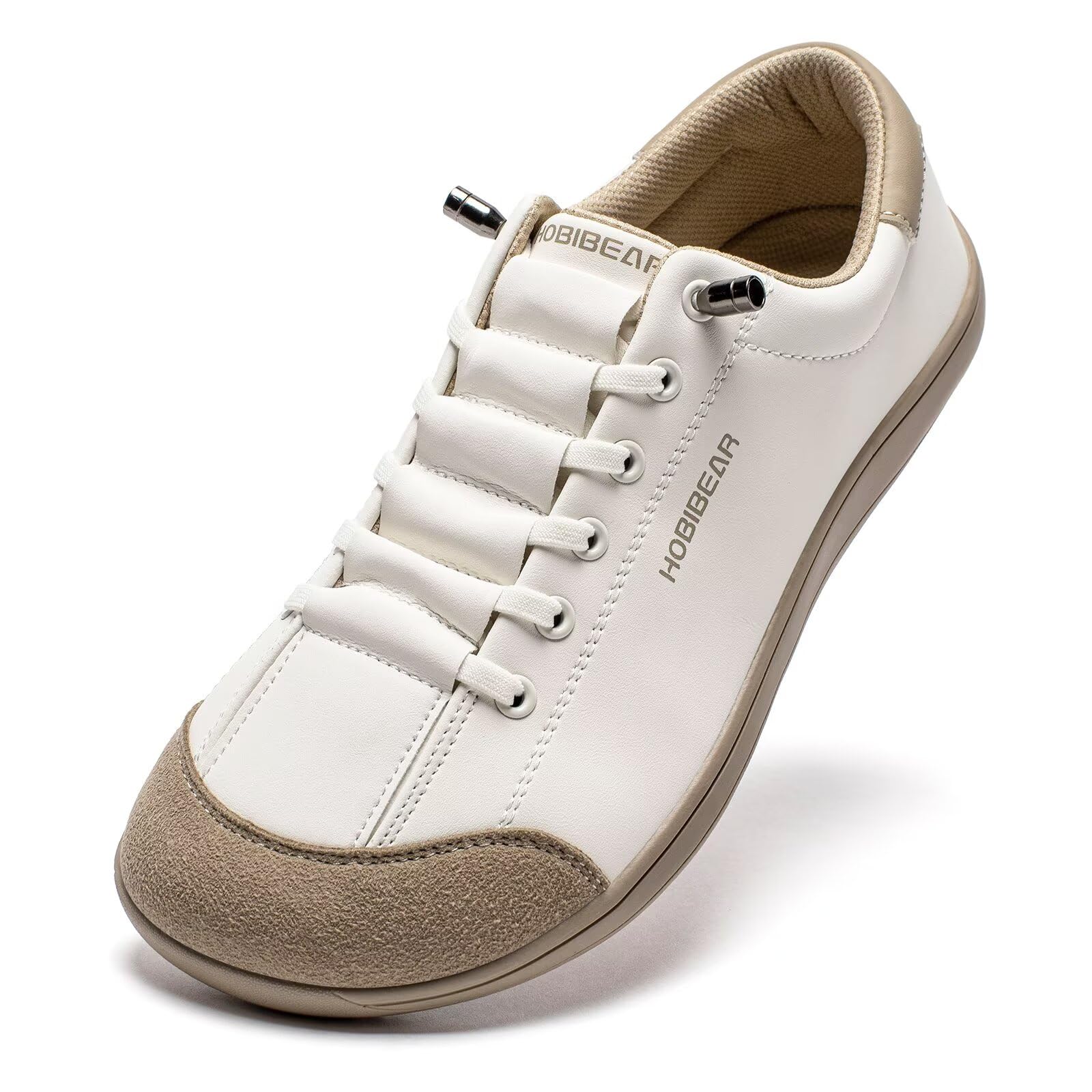
There's no lacing, no tongue to straighten, nothing to tie. You step in and you're out the door, which sounds like a small thing until it's a wet morning and both hands are full. This is the pair we reach for when we're carrying a bag and a coffee, and it turns out that's most mornings.

The nicer surprise is how finished they look for a slip-on. One colorway pairs a metallic gold upper with a grey rim around the toe, and the shape holds up with trousers as well as jeans — this is the pair that draws comments rather than the pair people assume are gym shoes. That matters if the shoe has to do double duty between work and a walk at lunch.

Fit is where to slow down. The upper runs snug across the top of the foot, so a high instep will feel pressure there, and the sizing is inconsistent enough that you should try them on carpet before the world sees them. They're also warmer than the mesh shoes here because the upper doesn't breathe much — welcome in rain, less welcome in July — and grip on wet tile is only average.

Pros

  • No laces; step in and go
  • Looks tidy enough for work
  • Wide toe box with a secure upper

Cons

  • Snug across the top of the foot
  • Warm, low-breathing upper
Our verdict

The slip-on we actually like: neat enough for work, quick to put on, and wide in the toes — provided your instep isn't high.

Check Latest Price
7

Wide, Swollen Feet

Scurtain Women's Zero Drop Walking Shoes

86 /100
Trail Score Excellent

Key details

Width
Wide
Closure
Adjustable
Shoe Type
Walking
Heel-to-toe Drop
Zero
Check Price on Amazon

If you need a shoe you can loosen across the top of the foot as the day goes on, start here. The adjustable flap and the boxy toe leave room for feet that swell by afternoon, the opening is wide enough to step into without a shoehorn, and the whole thing weighs next to nothing. For anyone whose main problem is getting a shoe on comfortably and keeping it on comfortably, that combination is the whole decision.

What it isn't is a barefoot shoe in feel. There's a padded, cushioned sole underfoot — pleasant, but you won't get much of the ground through it — and the arch is soft rather than supportive. That's the trade you're making: the wide, flat, roomy shape of a zero-drop shoe without the thin, sensory ride, which is exactly what some people want and precisely what others are trying to get away from.

Grip is the other compromise. The rubber sole is fine on dry floors and less convincing on wet ones, and the heel can slide if the flap isn't snugged down properly. Fasten it, wear them around the house for an afternoon, and they settle into a very serviceable all-day shoe for errands, work, and the days when laces are out of the question.

Pros

  • Adjustable across the top of the foot
  • Wide, boxy toe that doesn't squeeze
  • Light enough to forget you have it on

Cons

  • Cushioned sole, so little ground feel
  • Heel slips unless the flap is snug
Our verdict

The pick for feet that swell: adjustable across the top, wide and roomy, with a cushioned sole rather than a barefoot feel.

Check Latest Price
8

Beach and Water

ELETON Barefoot Hiking Water Shoes

88 /100
Trail Score Excellent

Key details

Shoe Type
Hiking and water
Department
Women's
Heel-to-toe Drop
Zero
Check Price on Amazon

They fold flat enough to slide into a tote bag beside a towel, which is why a pair lived by our door all summer. Think of the ELETON as a shoe-shaped alternative to a water sandal: light, soft, easy to rinse, and dry again before you've found your sunscreen.

Beach, pool deck, river rocks, a hot car park — that's the territory, and in it they're genuinely useful. Sand shakes out, water drains, and they're back on your feet in seconds. They also don't look like dive gear, which is more than most shoes in this slot can claim, and the colors are bright enough to find in a full bag.

Two things to know. Sizing is inconsistent — the toe box is roomy but the length is where it goes wrong, so check the size chart rather than guessing from your everyday shoe. And the outsole is flat, which is fine on sand and dicey on wet tile; we took a careful step or two across a wet pool deck and were glad of the handrail.

None of that stops us recommending them for what they are. As a hot-weather, water-side, packable shoe they're the cheapest fun in this guide. As a hiking shoe — which the title hints at — they are not, and anyone who buys them for a rocky trail will find out within a mile.

Pros

  • Packs flat and dries fast
  • Room for toes without a dive-gear look
  • Low-cost way to try zero drop

Cons

  • Sizing runs short in places
  • Little grip on wet tile
Our verdict

Buy them for the beach bag, not the trail: light, quick-drying and inexpensive, with a flat sole that's happier on sand than wet tile.

Check Latest Price

How We Tested Zero Drop Shoes

I started by narrowing the field to shoes with a true zero-millimeter drop, then filtered for stack height, available widths, lug depth, and whether the uppers looked wearable with everyday clothes. That left 12 pairs, which we tested over nine months. Each pair got at least a week of daily wear, plus longer weekend outings.

We wore them on morning dog walks, grocery runs, airport travel days, and a four-mile gravel-and-dirt trail. To check fit and toe box, I traced my foot on paper and compared the outline to each shoe’s insole; I also noted whether my toes could splay without pressing the sides. I ordered half sizes up and down where available and recorded where sizing ran short or narrow. For arch support, I pressed a thumb into the footbed and noted whether it felt flat or contoured, and I flagged pairs that felt too thin for all-day standing.

Comfort got judged at the end of a long day, not the first ten minutes: I noted hot spots, heel slip, and whether my arches felt supported or simply unsupported. For balance and barefoot suitability, I walked across a cambered sidewalk and a loose gravel path, paying attention to whether the shoe tipped or let my foot roll. On wet tile and packed dirt, I checked whether the outsole gripped or slid; on the trail, I noted whether the sole protected against roots and whether the tread bit into loose gravel. I also wore each pair with jeans, shorts, and casual dresses to see which ones looked out of place. The best pairs were the ones I forgot about by lunch—and the ones I kept wearing after testing ended.

How to Choose Zero Drop Shoes

Drop Is One Number; Stack Is the Feel

Zero drop means the heel and the toe sit level, and that is the whole of the specification. It says nothing about how much shoe sits under your foot. The Altra Lone Peak 9 and the Joomra share a flat platform and feel nothing alike: one is built to protect you on rough ground, the other to let you feel it. Decide which of those you want before you shop, because the drop will match and the ride won't.

If what you're after is feedback underfoot — the reason many people go zero drop in the first place — stay with the thin, flexible picks. If you want a flat shoe you can run rocky trails in without picking your line, pay for the structure.

Fit the Toe Box, Then the Length

The point of a zero-drop shoe is that toes lie flat and spread, so the toe box matters more than the number on the label. Stand up and wiggle: if your little toe is pressed against the side, the shoe is too narrow no matter how long it is. Sizing across this category is unreliable — several pairs here run small, and the roomiest toe box in this guide belongs to one of the least expensive shoes.

Order your usual size first, try them on carpet, and keep the box until you've walked around the block. A half size up fixes length; nothing fixes a narrow forefoot.

Match the Sole to the Ground You Actually Walk On

Flat, thin soles are lovely on pavement and treacherous on wet tile. If your week mixes supermarket floors, a pool deck, and a gravel path, look at the tread: the pairs here with real lugs handle loose ground, while the smooth-soled water shoes can slide on a wet changing-room floor.

Treat the name as marketing rather than a specification. At least two shoes in this guide have hiking in the title and are happiest on a boardwalk. Buy for the surface you're on most, and accept that one shoe rarely covers both a riverbed and a rocky ridge.

Break Them In by the Hour, Not the Mile

Moving to zero drop changes how much work your calves and Achilles do, and the change is bigger than most people expect. Wear a new pair for an hour a day the first week, then build up, and keep your old cushioned shoes in rotation for longer days. A sharp pull at the back of the heel is your signal to back off.

None of this is a reason to avoid the category. It's the reason to pace it — a gradual switch is what lets the wide toe box and flat platform actually do what you bought them for.

Decide How Much Shoe You Want to Put On

Closure is the quiet decider. Laces give the most adjustable fit; a slip-on gets you out the door with full hands; an adjustable flap across the instep is the answer for feet that swell through the day. A high instep is the trap here — a slip-on upper can press hard across the top of the foot, and a strap you can loosen is worth more than a stretchy collar.

Work the closure a few times in the house before the return window closes. If getting the shoe on is a chore, you'll stop wearing it, however good the sole is.

Frequently Asked Questions

Final Verdict

The Joomra is where we point most people: flat, grippy, wide, and inexpensive enough that trying zero drop isn't a financial leap. If your miles happen on rough trails, the Altra Lone Peak 9 is the more capable shoe and worth the premium. Men who want one pair for the gym and the walk there should start with the ASITVO.

After that, choose by surface. Pavement, errands, and all-day standing suit the RUFONE and the WHITIN; water, sand, and warm weather belong to the ELETON; feet that swell want the adjustable Scurtain.