Best Step Counter Watches of 2026

Every step counter watch works the same way: an accelerometer inside the case feels the rhythm of your arm swing and decides what counts as a step. That's why two watches on the same walk can disagree by a few hundred steps, and why the gap between a good one and a mediocre one is mostly tuning, not hardware. What you're really shopping for is a watch you'll keep wearing — accurate enough to trust, comfortable and good-looking enough to leave on, and simple enough that checking your count takes one glance.

I've worn some version of a step counter for years, and the ones that stick are never the ones with the longest feature list. Over six months, my team and I wore 12 watches through commutes, grocery runs, desk days, and weekend hikes, recharging each on the schedule we'd expect you to. Battery life was the running surprise: a bright always-on screen and constant phone syncing can halve a claimed two-week charge. The picks below run from set-and-forget bands to full smartwatches, and they all share one thing — you stop thinking about them.

1

Best Overall

Xiaomi Smart Band 10

89 /100
Trail Score Excellent

Key details

Display
1.72-inch AMOLED, 1,500 nits
Battery Life
Up to 21 days
Water Resistance
5ATM (50 meters)
Phone Compatibility
iOS and Android
Check Price on Amazon

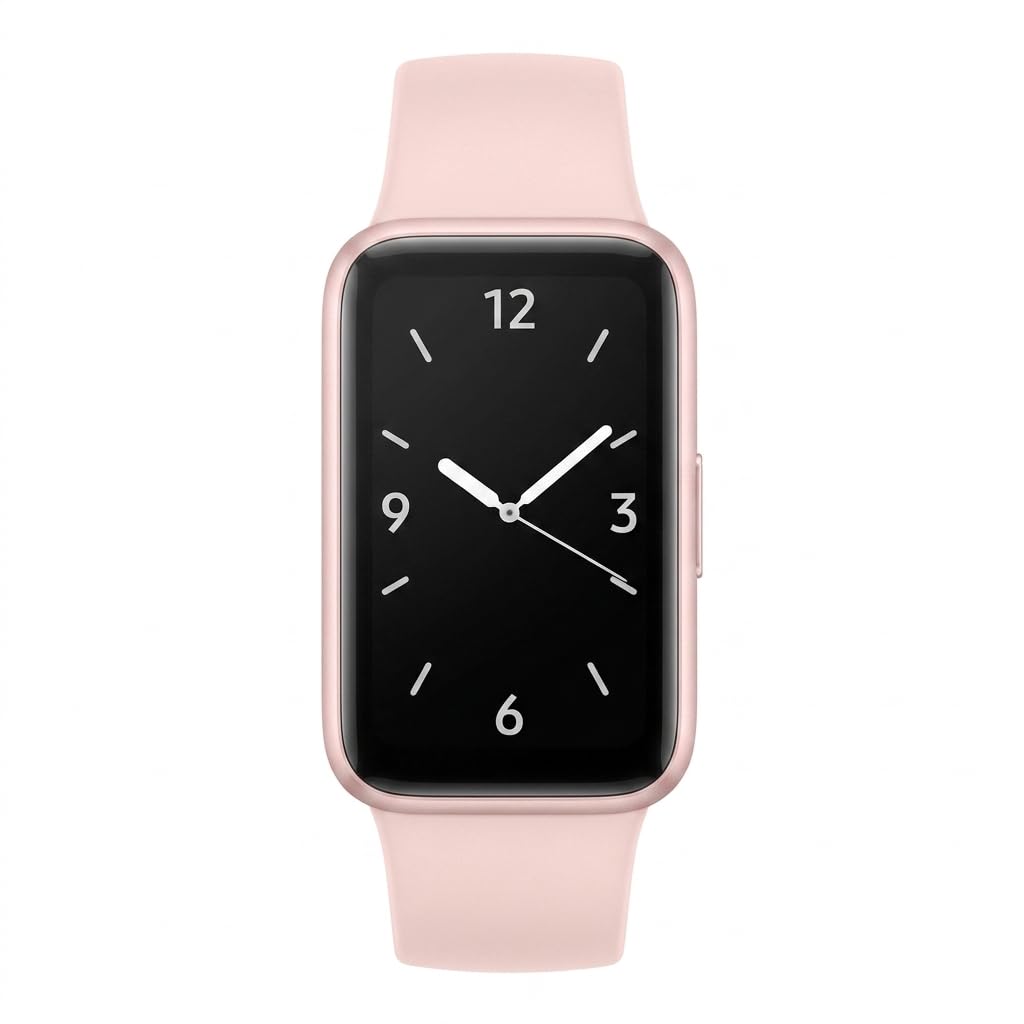
Twenty-one days is the figure that decides how a band like this lives in your week. Xiaomi lists three weeks per charge, and our charging cable spent most of its time in a drawer rather than on the nightstand. That sounds like a small thing until you've owned a tracker that needs a charge every third night — the one you forget about is the one still on your wrist on a Saturday.

What makes the Smart Band 10 our pick for most people is that it doesn't ask you to choose a phone. It pairs with iPhone and Android, the 1.72-inch AMOLED panel is rated to 1,500 nits and stays legible in direct sun, and a 5ATM rating means it can go in the pool rather than merely surviving rain. We like a tracker that shows the step count large enough to read at a glance and then gets out of the way.

The app is where the polish runs out: setting the band up and getting data into Apple Health took more patience than the hardware deserves, and the first week is fiddlier than it should be. Arm-swing counting also means a trip pushing a cart registers fewer steps than the same distance walked freely. That is true of every wrist tracker here, and it's worth knowing before you blame the band.

Pros

  • Up to three weeks per charge
  • Pairs with iPhone and Android
  • 1.72-inch AMOLED rated to 1,500 nits
  • 5ATM, so it can swim

Cons

  • No built-in GPS
Our verdict

Our pick for most people: it counts steps on either phone platform, runs about three weeks per charge, and stays readable in direct sunlight.
Check Latest Price
2

Best for Android Phones

Samsung Galaxy Fit 3

89 /100
Trail Score Excellent

Key details

Display
1.6-inch AMOLED, 1,000 nits
Battery Life
Up to 14 days
Workout Modes
101+, with auto detection
Phone Compatibility
Android 10 and up only
Check Price on Amazon

Put the Galaxy Fit 3 next to our top pick and the difference is the screen. It's 1.6 inches of AMOLED at 1,000 nits, with physical buttons under your thumb for the times your hands are wet or gloved, and for anyone carrying an Android phone this is the one we point to first.

Samsung's tracking is the broadest in this group: 101-plus workout modes, many of which start themselves when you begin walking, running or cycling, plus sleep coaching, SpO2 and all-day heart rate. It shrugs off pool water at 5ATM and IP68. Battery is where the promise and the reality separate — the 14-day figure assumes light use, and a weekly charge is the more honest expectation.

Day to day it's the small things that earn the wrist space. The screen wakes with a turn of the wrist, the buttons work through wet hands, and Samsung Health lays out a week of steps, sleep and heart rate in about ten seconds of reading. The standard silicone band is comfortable enough to sleep in, which is the real test of whether a step counter gets worn or left on the dresser.

Pros

  • Bigger 1.6-inch AMOLED screen
  • 101+ workout modes, many auto-detected
  • 5ATM and IP68 water resistance
  • Sleep coaching and SpO2 tracking

Cons

  • Android only
  • International model with no US warranty
Our verdict

The best screen and the widest workout tracking here, at about the same money as our top pick — for Android phones only, and without a US warranty.

Check Latest Price
3

Best for Sleep and Recovery

Fitbit Inspire 3

86 /100
Trail Score Excellent

Key details

Display
0.76-inch, 400 nits
Battery Life
Up to 10 days
Water Resistance
50 meters
Phone Compatibility
iOS 16.4+ and Android 11+
Check Price on Amazon

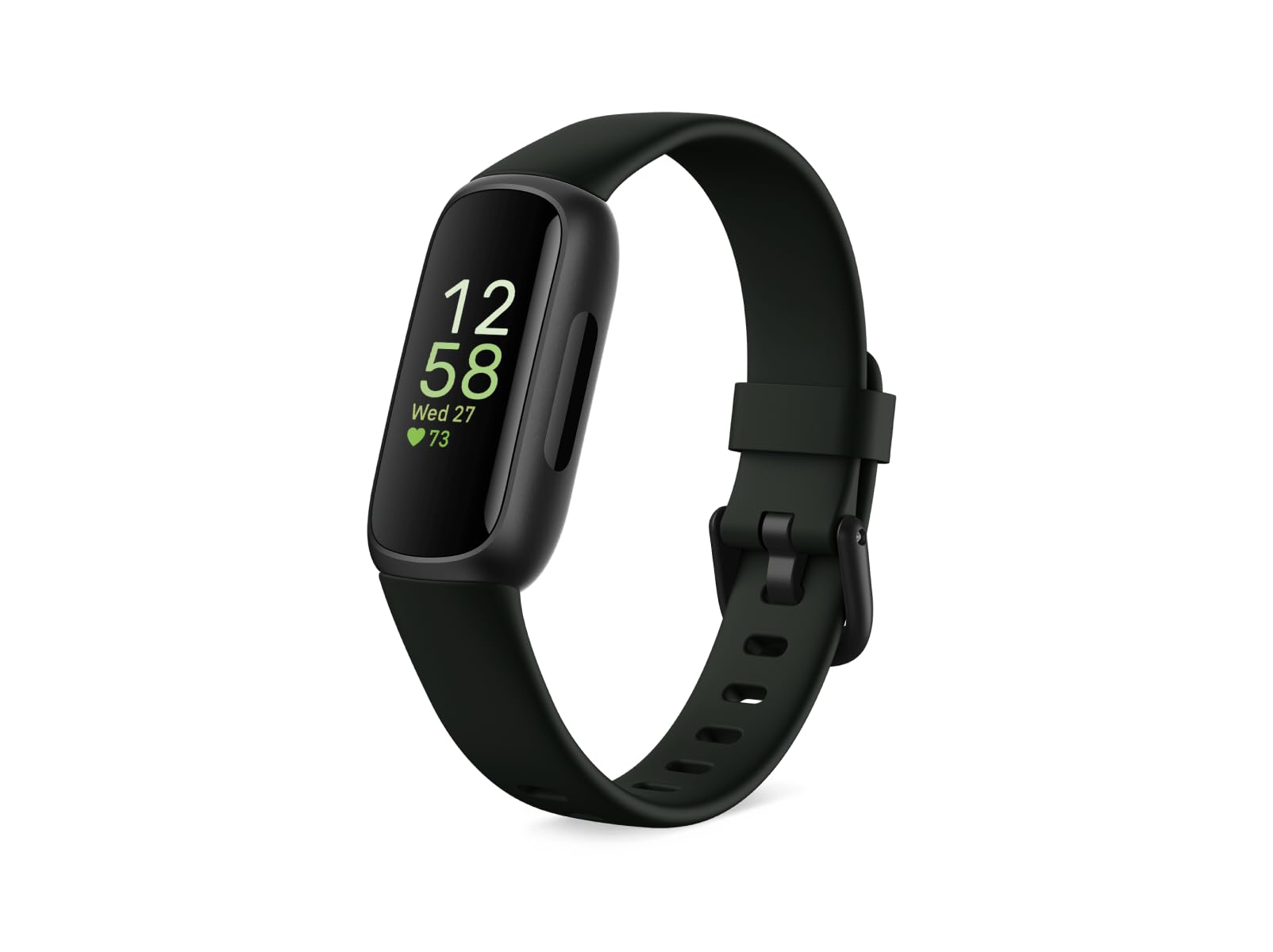
If the number you want isn't steps but what the week did to you, the Inspire 3 is still the most complete device on this page. It scores your sleep, gives you a Daily Readiness Score, tracks Active Zone Minutes, logs stress, reads SpO2 and flags irregular heart rhythms — a health picture the budget watches here can only gesture at.

The band is small and light enough to forget you're wearing it, and the listed 10 days between charges is the second-longest here after the Xiaomi. It's water resistant to 50 meters, so showers and laps are fine. The trade for that size is screen: at 0.76 inches it's built for glancing, and a message or a workout summary means scrolling.

Two caveats. Step counts pick up extra movement when your arms swing freely — the reason a bumpy drive can look like a walk — and syncing can stall until you force a refresh. Neither undoes the tracking, and both are the sort of thing you notice in week three rather than day one.

We still recommend it because the app is the best place to read a month of your own data. A step total on a watch face is a number; the same month laid out as trends, sleep debt and readiness is what changes what you do on a Tuesday. That is what the extra money buys.

Pros

  • Sleep score, readiness, and stress metrics
  • About 10 days between charges
  • Swim-proof to 50 meters
  • The clearest app for reading trends

Cons

  • Small 0.76-inch screen means scrolling
  • Costs more than any other pick here
Our verdict

Best for anyone who wants to understand sleep, stress, and recovery rather than just a step total — it is the deepest health picture here.

Check Latest Price
4

Best Looking

HOMOGO Smart Watch

89 /100
Trail Score Excellent

Key details

Display
1.83-inch HD touchscreen
Workout Modes
100+, auto-detects walking and running
Bands Included
Stainless steel and silicone
Water Resistance
IP68
Check Price on Amazon

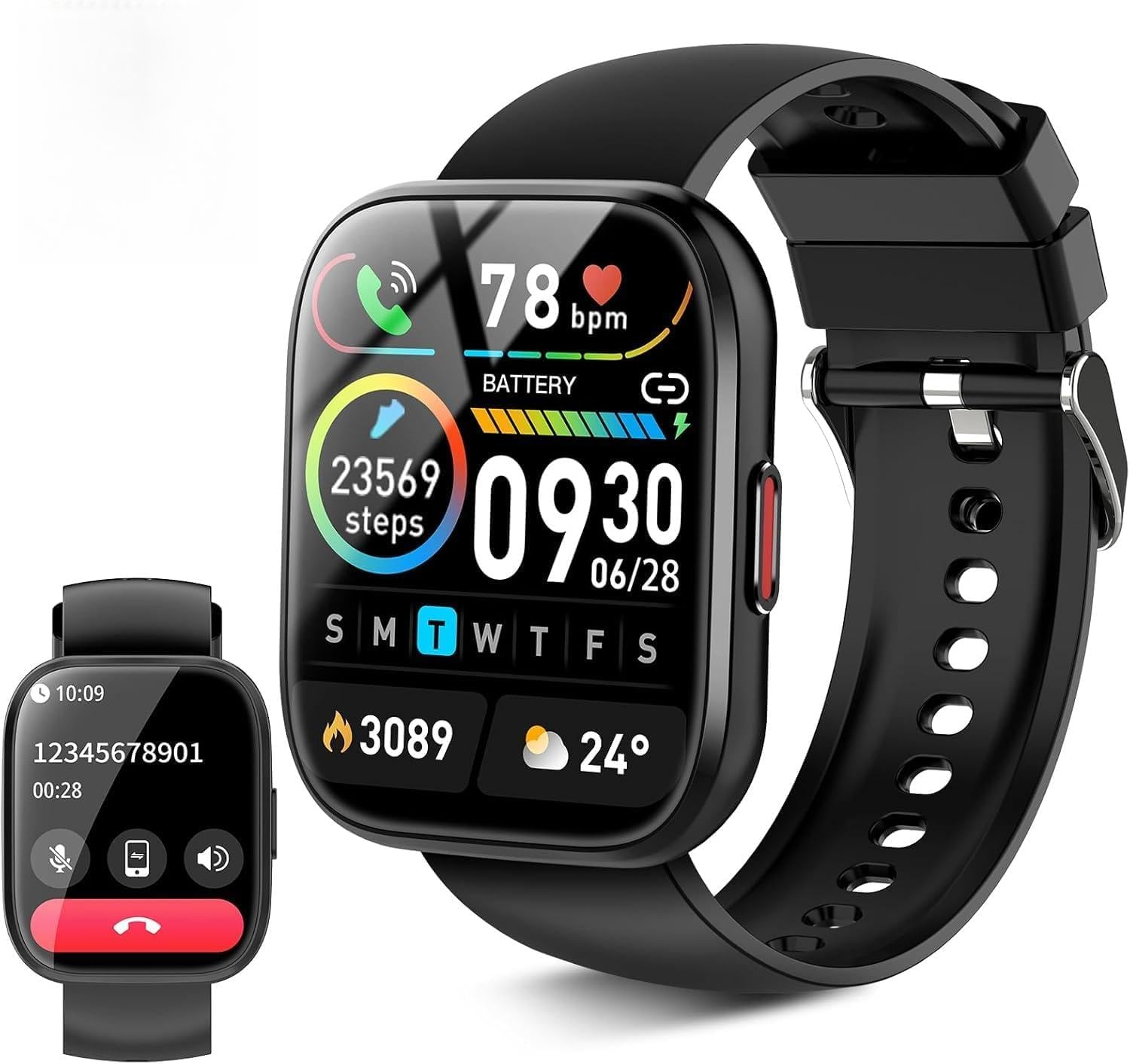
Two bands in the box — a stainless steel bracelet and a silicone strap — is what caught our eye. Put the metal on for dinner and the silicone back on for a run, and the same watch reads as jewelry or gym kit. It's the only pick here that doesn't look like a fitness gadget, and at a midrange price that is a genuinely unusual thing.

Underneath the finish it's a capable tracker: a 1.83-inch touchscreen, heart rate, SpO2, sleep and stress logging through the VeryFit app, more than 100 sport modes with auto-detection for walking and running, and Bluetooth calling so you can answer without digging out your phone. On a small wrist the square case is a lot of watch, which is the trade for a screen this easy to read.

Pros

  • Two bands, one of them stainless steel
  • Auto-detects walking and running
  • Heart rate, SpO2, sleep, and stress tracking
  • Bright 1.83-inch touchscreen

Cons

  • IP68 only
Our verdict

The pick for anyone who wants a step counter that looks like a real watch: two bands, a bright screen, and all-day health tracking at a midrange price.

Check Latest Price
5

Best Budget

VKROBAG P114

87 /100
Trail Score Excellent

Key details

Display
1.85-inch HD
Battery Life
Up to 5-7 days, 30-day standby
Workout Modes
112
Water Resistance
IP68
Check Price on Amazon

The least expensive way into this category is also one of the biggest: a 1.85-inch screen, 112 sport modes, Bluetooth calling, IP68, and a claimed five to seven days of use with up to 30 on standby. Nothing here is subtle, and nothing here is precious — which makes it an easy watch to hand to a teenager or to wear somewhere you'd worry about a nicer one.

What the extra money buys elsewhere on this page is mostly the parts a spec list doesn't show: a display that stays readable in direct sun and a wider set of health metrics. The honest advice we give friends who ask is to start here if you're still finding out whether you'll wear a tracker at all, and to step up to the Xiaomi if you already know you will.

Pros

  • 1.85-inch screen at the lowest price here
  • 112 sport modes
  • Bluetooth calling built in
  • Two-year manufacturer warranty

Cons

  • No built-in GPS
Our verdict

A big screen and Bluetooth calls for the least money here — the right first tracker if you are not yet sure you will wear one.

Check Latest Price
6

Watch-First Wearers

Casio WS-B1000

82 /100
Trail Score Excellent

Key details

Battery
2-year coin cell
Display
Digital LCD with LED light
Connectivity
Bluetooth time sync
Water Resistance
100 meters
Check Price on Amazon

A Casio that counts steps is a different proposition from everything else here: a coin cell that runs about two years, 100-meter water resistance, an LED light, a 100-second chronograph and a daily alarm, with Bluetooth on hand to keep the time right. You never charge it. You don't open a fitness app to see your steps. You press a button.

That's exactly why we kept it in the guide. For someone who wants a watch first and a step total second — or who has watched a rechargeable band die on a shelf — this is the lowest-maintenance object on the page. It's also the least capable at the thing this article is about: step counting here is a running total on a digital display rather than a history you can chart, and the app is for setting the watch up, not for living in.

Pros

  • Two-year battery, no charging
  • 100-meter water resistance
  • Bluetooth keeps the time accurate
  • Classic digital look with LED light

Cons

  • Battery cell needs replacing after about two years
Our verdict

For anyone who wants a watch that counts steps without an app, a charger, or a nightly routine — as long as a daily total is all the data you need.

Check Latest Price
7

Gold Everyday Watch

Kriutefy P72

83 /100
Trail Score Excellent

Key details

Display
1.91-inch, 320 x 320
Connectivity
Bluetooth 5.3
Water Resistance
IP68
Phone Compatibility
iOS and Android
Check Price on Amazon

Gold case, a 1.91-inch screen, a metal-and-silicone band and more than a hundred faces to choose from: this is the flashiest watch per dollar in the group. The look divides people, and we're not neutral about it — for a certain buyer it's the whole reason to pick this over a plainer band.

The tracking is respectable for the money: steps, heart rate, blood oxygen, sleep and cycle logging through the app. Bluetooth pairing is the part to prove in your first week, since a watch that won't hold a connection is a watch you stop syncing. And the band is the other wildcard — give it a full day on your wrist before the return window closes.

Pros

  • Large 1.91-inch display
  • Warm gold case with metal-and-silicone band
  • Bluetooth 5.3 calling
  • Cycle, SpO2, and sleep tracking

Cons

  • Charge life varies a lot with use
  • No GPS
Our verdict

The most watch for the money if a warm gold finish and a big screen matter to you — just prove the Bluetooth pairing in your first week.

Check Latest Price

How We Tested Step Counter Watches

We started with every step counter watch selling roughly between $50 and $300, then narrowed the field by the things that decide whether you'll actually wear one: whether it pairs with both iOS and Android, whether the case suits a smaller wrist, and whether the brand has a history of app updates rather than abandonware. That left 12 watches, all bought at retail so no one could send us a tuned-up unit. We wore them for six months.

Each one went on the same left wrist for a two-mile stroller loop, a set of office stairs, a treadmill session at a fixed 3 mph, and a grocery run — pushing a cart keeps your arm still and flushes out counters that lean too hard on arm swing. We hand-counted 500-step stretches and cross-checked against a hip-worn pedometer, then timed how long it took to read the step count from a locked screen: one tap at best, three plus an app load at worst. Every watch was also paired to an iPhone and an Android phone, and we walked out of Bluetooth range to see how long the data took to catch up.

Battery life got its own test: full charge, notifications and always-on displays left at their defaults, and a daily note of the percentage until each one died. Afterward we checked cases, straps, and screens for scratches, scuffs, and strap stretch, and wore each one with a button-down to see how it held up away from the gym.

How to Choose a Step Counter Watch

Step Counts Are Estimates, Not Measurements

The sensor counts arm swings, which is why a walk behind a stroller or a shopping cart can register short while a drive over a rough road can register long. Before you decide a watch is broken, walk a route you know the distance of and compare: a mile is roughly 2,000 steps for most adults. If the gap is small, the watch is doing its job.

Where you wear it matters too. The non-dominant wrist gives the cleaner count, and a strap that slides lets the reading drift. Anyone who needs a number that stands up to scrutiny needs a pedometer clipped at the hip, not a watch.

Check Your Phone Before You Check the Watch

Compatibility is the first filter and the one buyers skip. The Galaxy Fit 3 here is Android-only and will not pair with an iPhone at all; the Fitbit wants iOS 16.4 or Android 11 and up. Most budget watches run on both. Look the companion app up in your phone's store before you order — if it isn't there, the watch isn't for you.

The app is also where you'll spend the most time after the honeymoon week, since history, sleep and trends all live there. A plain band with a good app beats a better screen attached to an app you avoid opening.

Decide How Often You're Willing to Charge

Three weeks, ten days, a week, two years: that range is the real spread in this category, and it's a habit question rather than a specification. A band that runs three weeks gets worn to bed and taken on holiday. One that runs two days gets left on the dresser, and then the step count you bought it for stops existing.

If you know you won't build a charging routine, the Casio's two-year coin cell or the Xiaomi's three-week band is the safer buy. The extra features on a shorter-lived watch are worth less than they look on the box.

Screen, Fit, and Water: The Everyday Decisions

A 0.76-inch band screen shows the step count and little else; a 1.8-inch square shows messages and workout summaries but sits heavier on a small wrist. Decide which one you'll actually look at, because a screen you don't read is a battery you're charging for nothing.

Then decide where the watch goes. IP68 handles sweat, rain and hand-washing; 5ATM or a 50-meter rating is the one to trust for swimming. If you swim laps, that narrows the field to the Xiaomi, the Samsung and the Fitbit.

Frequently Asked Questions

Final Verdict

For most people the Xiaomi Smart Band 10 is the answer. It counts steps on an iPhone or an Android phone, stays legible in sunlight, and goes about three weeks between charges, which is the difference between a tracker you own and a tracker you maintain.

On Android and want a bigger screen with workouts that start themselves, the Galaxy Fit 3 is the better buy at about the same money, warranty caveat and all. If the point is understanding your sleep and recovery, spend more on the Inspire 3. And if you want a watch that counts steps with no app and no charger, the Casio is the odd one that still makes sense.