Best Smart Ring for Health of 2026

I wore a smartwatch for four years and took it off every single night before bed, which means the sleep data I cared about most was the data I never collected. A smart ring fixes that specific problem: it's small enough to forget you're wearing it, so it stays on at 3 a.m., in the shower, and through a workout, which is the only way a health tracker earns its keep. The catch is that a ring has to justify being on your hand every hour. If it's bulky, if the battery quits on a Wednesday, if the numbers quietly drift from what your body is actually doing, it ends up in a drawer with the watch.

Over the past eight months, my team and I have worn 10 of these rings through the deeply unglamorous parts of life, and two things separate the good ones from the frustrating ones. The first is fit — a ring that spins or pinches gets retired fast, and sizing is the one decision you can't undo. The second is what the tracking actually costs you after the purchase, monthly fees included. Everything below stayed on our fingers for a reason.

1

Best Overall

Oura Ring 5

88 /100
Trail Score Excellent

Key details

Materials
Titanium
Membership
Required after first month
Health Metrics
50+ metrics
Water Resistance
IP68
Check Price on Amazon

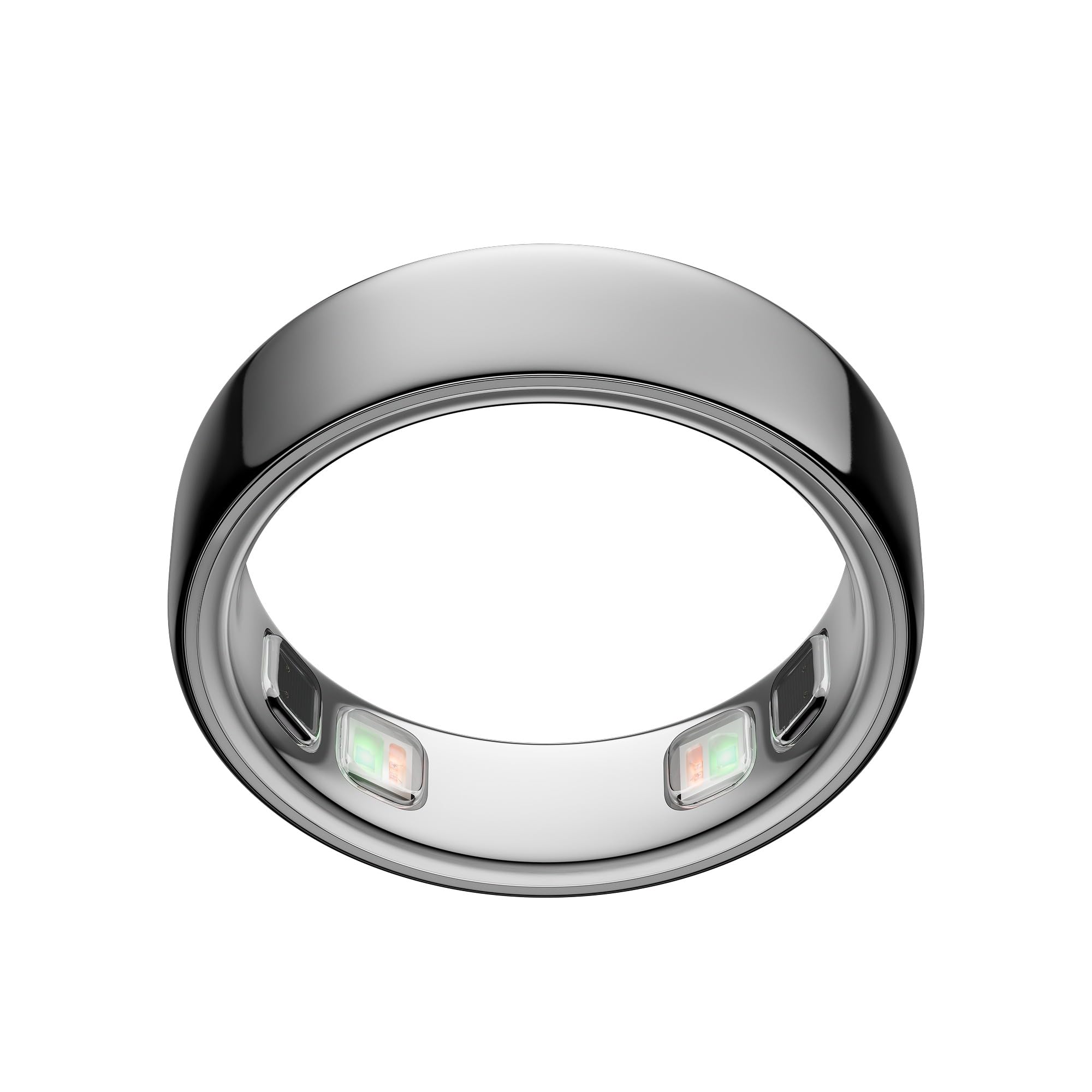
The Oura Ring 5 earns its place at the top of this list because it goes further into health data than anything else here. Oura tracks more than 50 metrics, from sleep stages and heart rate to stress, metabolic health, and women's health, and the ring itself is the smallest Oura has made. The titanium shell is rated IP68, so workouts and showers aren't a reason to take it off.

What kept us coming back was the way the app turns those numbers into a morning readout. Sleep and readiness sit at the center of the experience, and the trends are easy to scan without opening a spreadsheet. We paid close attention to overnight comfort, and the smaller profile makes the ring easier to forget once the lights go out. That matters for a health ring: the less you notice it, the more nights you actually wear it. The app also makes it easier to connect a late meal or a hard workout to the next morning's numbers, which is the kind of pattern that makes the data useful.

The hardware is straightforward. The ring charges on a small dock, syncs over Bluetooth, and works with iOS and Android. It is not a medical device, so treat the data as a pattern-finding tool rather than a diagnosis. What you're paying for is the depth of the app and the breadth of the metrics, and on that front it is the strongest option in this group.

Pros

  • Tracks more than 50 health metrics
  • Sleep and readiness insights are easy to use
  • Small, light titanium build
  • IP68 water resistance

Cons

  • Membership required after first month
  • Sizing differs from standard rings
Our verdict

For the deepest health tracking and the most useful sleep insights here, the Oura Ring 5 is our top pick, as long as the membership fits your budget.
Check Latest Price
2

Best No-Subscription

RingConn Gen 3

87 /100
Trail Score Excellent

Key details

Materials
Titanium
Battery Life
Up to 14 days
Subscription
None
Water Resistance
100 m
Check Price on Amazon

No subscription is the first thing that makes the RingConn Gen 3 worth a look, and for a health ring it's a meaningful difference. The app's standard features are available without a monthly fee, covering sleep, heart rate, HRV, stress, and blood oxygen. The Gen 3 adds vascular load trends after a one-time calibration, which is a more specialized health angle than most budget rings attempt. We think that combination makes it the strongest no-fee alternative to Oura for someone who wants to study long-term patterns.

The hardware is built for continuous wear. Titanium, 100-meter water resistance, and a battery rated at up to 14 days mean you can swim, shower, and sleep in it without thinking about charging every few days. We also appreciated the haptic vibration alerts; they give you a discreet nudge on your finger without adding a screen or another thing to look at.

The app is clean and easy to scan, and the daily summaries are more actionable than a raw data dump. It is not quite as polished as Oura's sleep coaching, but the no-fee access changes the value calculation. If you want the deepest sleep analysis and don't mind a subscription, Oura is the safer choice. If you want no fees and a broader view of vascular health, this is the one.

Pros

  • No subscription for standard features
  • Vascular load trends after calibration
  • Battery rated up to 14 days

Cons

  • Battery life may fall short of 14 days
Our verdict

The RingConn Gen 3 is the no-subscription health ring we recommend first, pairing vascular trends and a two-week battery with a comfortable titanium build.

Check Latest Price
3

Best Lightweight

RingConn Gen 2 Air

86 /100
Trail Score Excellent

Key details

Weight
0.09 oz
Thickness
2 mm
Battery Life
Up to 10 days
Subscription
None
Check Price on Amazon

At 2.5 grams and 2 millimeters thick, the RingConn Gen 2 Air is the ring we reach for when comfort is the deciding factor. It is the lightest pick here, and the slim profile makes it easy to forget during sleep and workouts. The titanium build and 100-meter water resistance mean it can handle more than a desk job.

The Gen 2 Air also keeps the no-subscription model that makes RingConn appealing. Standard features like sleep, heart rate, stress, and blood oxygen are available without a monthly fee, and the battery is rated at up to 10 days. In our testing, that combination made it a strong alternative to the Oura Ring 5 for anyone who wants the basics without the ongoing cost.

The trade-off is that the app is less insightful than Oura's. The Gen 2 Air gives you the numbers and trends, but it doesn't turn them into the same kind of coaching narrative. If you want a ring that disappears on your finger and don't need the deepest sleep analysis, this is the one we choose. It is also the better pick for someone who wants a lower entry point into the RingConn ecosystem.

Pros

  • 2.5-gram, 2-millimeter profile
  • No subscription for standard features
  • Battery rated up to 10 days

Cons

  • Sizing kit sold separately
Our verdict

For a near-weightless ring you can sleep in without noticing, the RingConn Gen 2 Air is our pick, provided you can live with a less-guided app.

Check Latest Price
4

Best Budget

VANBERRAY Smart Ring

85 /100
Trail Score Excellent

Key details

Battery Life
5-7 days
Subscription
None
Health Metrics
Sleep, heart rate, SpO2, HRV, stress
Water Resistance
IP68, 50 m
Check Price on Amazon

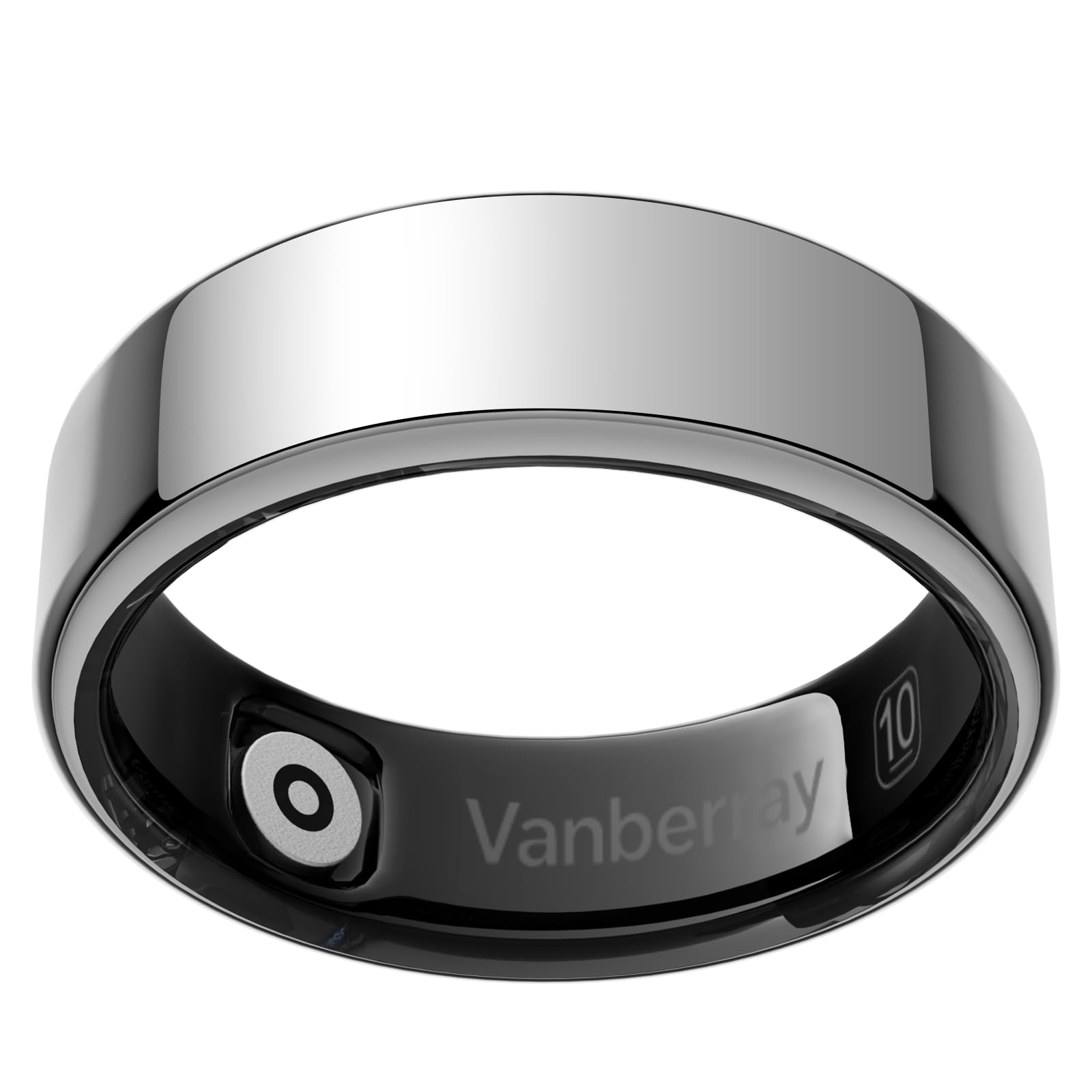
The VANBERRAY smart ring is the budget option that doesn't ask you to pay again for the app. It tracks sleep, heart rate, blood oxygen, stress, HRV, and activity, and it does it without a subscription. For a first smart ring or a spare to wear while your main ring charges, that's a lot of function for the money.

We think it earns the budget slot because it covers the metrics most people actually check: sleep stages, resting heart rate, and daily activity. The battery is rated at five to seven days, and the IP68, 50-meter water resistance means it can stay on for showers and most workouts. The charging dock adds up to 12 days of total use, which is a useful buffer for travel.

The app is straightforward rather than revelatory. You get daily health insights and sleep-stage analysis, but the experience is more about the numbers than coaching. If you want the deepest possible health app, Oura and RingConn go further. If you want a no-fee ring that covers the essentials, this one earns its place.

Pros

  • No subscription for listed features
  • Battery rated 5-7 days, plus charging dock
  • IP68 and 50-meter water resistance

Cons

  • Core metrics only, without advanced vascular insights
Our verdict

The VANBERRAY is the budget health ring we recommend for the basics, with no subscription and a week-long battery rating.

Check Latest Price
5

Best for Swimming

VAMOTRA Smart Ring

89 /100
Trail Score Excellent

Key details

Battery Life
Up to 5 days
Subscription
None
Health Metrics
Heart rate, HRV, SpO2, sleep
Water Resistance
10ATM
Check Price on Amazon

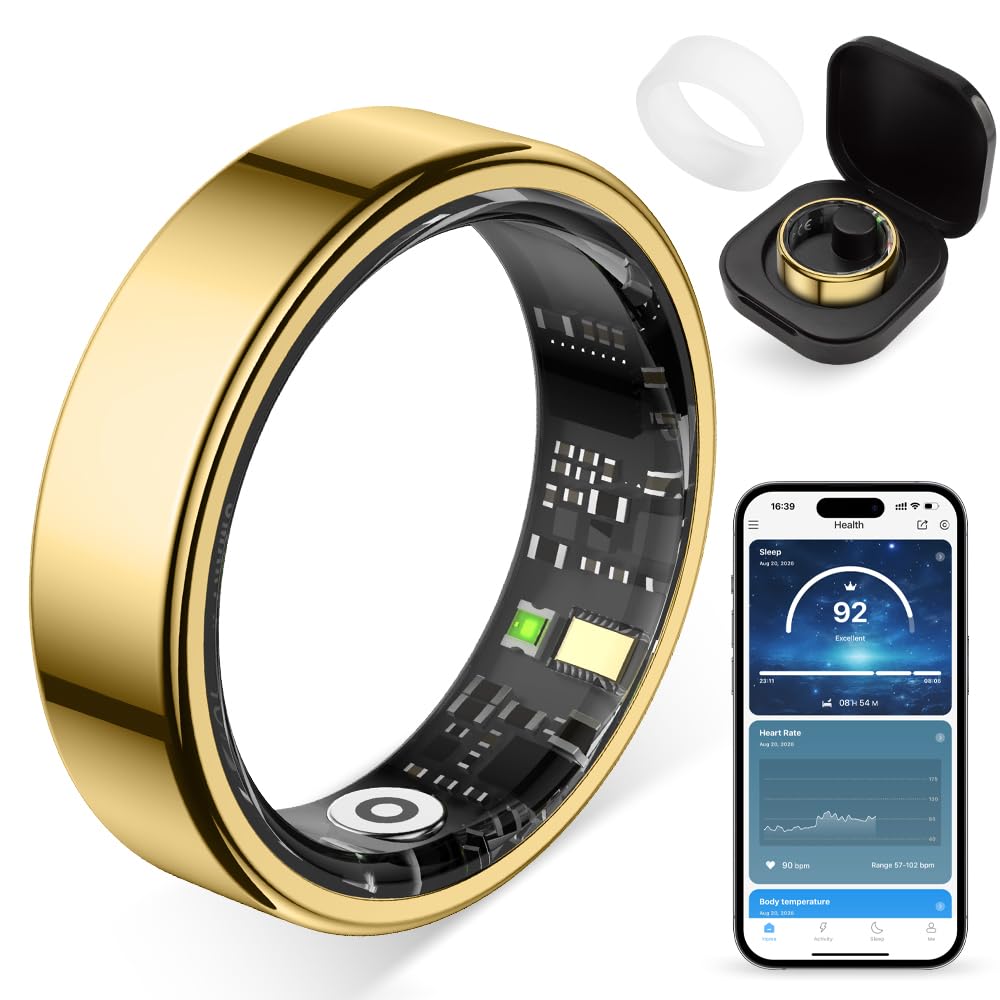
The VAMOTRA smart ring is the one we take to the pool. It is rated 10ATM, which is a more serious water-resistance claim than most budget rings make, and it still tracks heart rate, HRV, blood oxygen, stress, and sleep without a subscription. For swimmers or anyone who wants to keep a ring on in the shower and the lap lane, that combination is the reason to choose it.

The rest of the package is sensible. Battery life is rated at up to five days, the ring is slim enough for overnight wear, and the app pulls the usual health metrics into daily summaries. We were also impressed by the sleep-stage breakdown, which is more detailed than we expected at this price.

The app is simple and focused on daily summaries rather than deep coaching. That is the right trade for a budget ring, but it means you do not get the same level of insight as Oura or RingConn. If you mainly want swim-friendly tracking and a comfortable fit, it is a strong budget choice.

Pros

  • 10ATM water resistance
  • No subscription
  • Tracks heart rate, HRV, SpO2, and sleep

Cons

  • Battery can run closer to two days
Our verdict

The VAMOTRA is our pick for swimming and shower-friendly health tracking on a budget, as long as you accept a shorter battery routine.

Check Latest Price
6

Comfortable Daily Wear

Osawalla Smart Ring

80 /100
Trail Score Excellent

Key details

Design
Lightweight, smooth inner surface
Battery Life
Up to 7 days
Health Metrics
Heart rate and sleep
Water Resistance
15 m, IP68
Check Price on Amazon

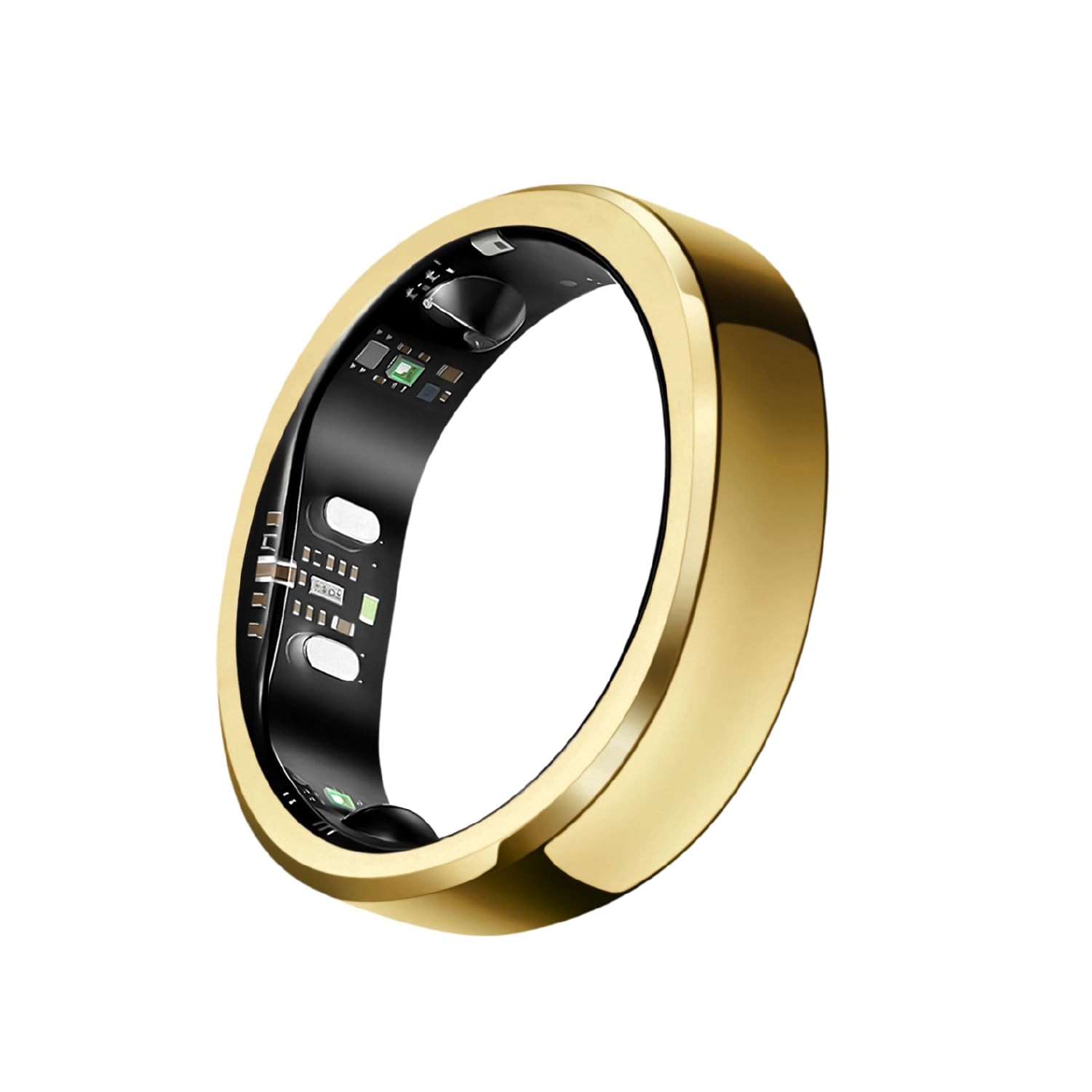
The Osawalla smart ring is the comfort-first budget pick. It is lightweight, has a smooth inner surface, and is designed to sit quietly on your finger overnight, which is exactly what you want from a sleep tracker. We think it is a good choice if you want to try a health ring without spending much, and you care more about sleep and daily activity than advanced vascular metrics.

The app covers 24-hour heart rate, sleep data, and activity, and the ring is rated IP68 with a 15-meter water-resistance depth. That is enough for showers and sweaty workouts, but not for swimming. Battery life is listed at up to seven days, which is competitive for the price.

The blood-pressure feature is the part we treat with caution. The readings are not reliable enough to act on, and the ring is better used for sleep and activity trends. If you want a comfortable, low-cost tracker for those basics, it is a reasonable pick; if you need clinical-grade blood pressure, this is not the device.

Pros

  • Comfortable for overnight wear
  • Sleep tracking is a standout feature
  • Battery rated up to 7 days

Cons

No notable drawbacks to flag.

Our verdict

The Osawalla is a comfortable budget ring for sleep and daily activity, and a sensible first step into health tracking.

Check Latest Price
7

Sleep and Temperature

COLMI Ring 2

79 /100
Trail Score Very Good

Key details

Heart Rate
Continuous
Subscription
None
Health Metrics
Heart rate, sleep, skin temperature
Sleep Tracking
Nighttime only
Check Price on Amazon

The COLMI Ring 2 is one of the few budget rings here that includes skin-temperature measurement, and that is the feature that gives it a distinct role. It also tracks heart rate and nighttime sleep, and it does it without an app subscription. The ring is designed to look like a normal piece of jewelry, which makes it easier to wear all day.

The app is easy to set up, and the sleep-stage view is the strongest part of the experience. The algorithm is calibrated for nighttime use, so this is not the ring to choose if you want detailed daytime workout tracking. Heart rate is measured continuously, and the skin-temperature timer is a useful extra for spotting patterns.

Connectivity is the weak spot. The ring can drop its Bluetooth connection, which means you may miss a sync until you reopen the app. Accuracy is also mixed enough that you should not use it for medical decisions. If you want a low-cost sleep and temperature ring and can live with those quirks, it is worth a look; if you need reliable all-day tracking, spend more.

We think the COLMI makes the most sense as a second ring or a low-cost way to test whether skin-temperature and sleep tracking are useful to you. It is not the ring we reach for when accuracy is the priority, but it covers a narrow job at a budget price.

Pros

  • Skin-temperature measurement
  • No subscription
  • Nighttime sleep-stage tracking

Cons

  • Battery life lasts only a few days
  • Sizing kit recommended before purchase
Our verdict

The COLMI Ring 2 is a budget-friendly way to try skin-temperature and nighttime sleep tracking without committing to a subscription.

Check Latest Price

How We Tested 10 Smart Rings Over Eight Months

We started with spec sheets for every smart ring sold in the U.S. and cut anything missing heart rate variability or skin temperature, since those two sensors are what make a ring a health device rather than a step counter. We also dropped models that came in only a couple of sizes, because a ring that doesn't fit is a ring you won't wear. That left 10 rings, which we bought ourselves and wore for eight months through nights, showers, runs, and a lot of dishwashing. Each one spent at least two weeks on a real finger before we wrote anything down.

Sizing became part of the test rather than an afterthought. Every tester ordered the sizing kit, wore the plastic sizer overnight to account for how fingers swell, then noted whether the finished ring spun loose or left a red mark by morning. We measured thickness with calipers, checked how each finish looked next to a wedding band, and paid attention to small annoyances — a ring snagging a jacket pocket, or feeling lumpy with a hand tucked under a pillow. Battery got logged every morning: charge level, days between charges with sleep and blood-oxygen tracking on, and how long a full top-up took.

For accuracy, we wore a chest strap during runs and interval work, then compared average and peak heart rate afterward, and we kept a written log of overnight wake-ups to see how each ring's sleep staging matched the night we actually had. Durability came from dumbbells, hot showers, soap, and a few accidental doorframe hits, after which we checked the coating for scuffs and watched for sensor dropout on cold morning runs. Last, we added up what each ring costs across a year with any subscription folded in, because a cheap ring with a monthly fee stops being cheap.

How to Choose a Smart Ring for Health

Match the Metrics to Your Goals

Sleep, resting heart rate, heart rate variability, blood oxygen, stress, and skin temperature are the core signals in this category. A ring that samples heart rate every 30 minutes is not the same as one that measures continuously; for sleep and recovery trends, continuous or near-continuous tracking is worth prioritizing. Oura goes deepest with more than 50 metrics, while RingConn Gen 3 adds vascular load trends. Decide which two or three numbers you'll act on, and don't pay for a longer list you'll never open.

Price the Subscription, Not Just the Ring

A smart ring can cost more after purchase than at checkout. Oura includes the first month of membership for new members, then charges a monthly fee; RingConn and the budget picks here do not require a subscription for standard features. Add two or three years of fees to the purchase price before you decide. If you like to switch devices or hate recurring charges, a no-fee ring is the more flexible choice. If you want the most developed app, the membership may be worth it.

Use the Maker's Sizing Kit

Smart rings do not use standard jewelry sizes, and a snug fit is essential for sensor contact. Oura, RingConn, and COLMI all recommend their own sizing kits or charts before you order. Wear the sample overnight and check it in the morning, when fingers are often slightly swollen. The ring should feel secure without leaving a deep mark. If you're between sizes, go with the fit that stays put during sleep rather than the one that slides off in the shower.

Battery, Water, and Durability

Battery claims range from a few days on budget rings to about two weeks on the RingConn Gen 3, and real use usually lands below the headline. Decide whether you can live with charging every two to three days or want a weekly routine. For water, 5ATM or IP68 handles showers and sweaty workouts; 10ATM is the safer choice for swimming, which is why the VAMOTRA stands out. Durability matters too: check the warranty and the return window, because battery and charging faults are the long-term risk to watch.

Frequently Asked Questions

Final Verdict

For most people who want the fullest health picture, the Oura Ring 5 is the one we recommend. It tracks the widest set of metrics, and its app makes sleep and recovery data easier to use than the alternatives here. The membership is the trade-off, and it's worth going in with eyes open.

If recurring fees are a dealbreaker, choose the RingConn Gen 3: it gives up some sleep detail but adds vascular trends and no subscription. For a lighter, cheaper no-fee ring, the RingConn Gen 2 Air is the easy alternative.