Best Protein Powder Without Heavy Metals of 2026

Protein powder is one of the few supplements people take every single day, and that's what makes the heavy-metal question so uncomfortable. Cacao, rice, and pea protein all draw minerals out of the soil they grow in, and a few of those minerals are cadmium and lead — so a label listing three clean ingredients can still sit on top of a contamination problem the ingredient list never mentions. What you're shopping for is a tub you can scoop from on a Tuesday morning without a small voice asking what else is in there.

I've kept a shaker bottle in my bag for years, and I've poured out plenty of powders that clumped into paste or tasted like sweetened chalk. Over the past six months, my team and I worked through 14 of them, plant-based and whey, mixing and re-mixing to see which held up. The surprise wasn't the labels — it was how much texture gave away. The tubs that dissolved clean had fewer gums and fillers doing the work, and the best-tasting ones weren't always the cleanest on paper. What follows are the ones that passed both tests.

1

Best Overall

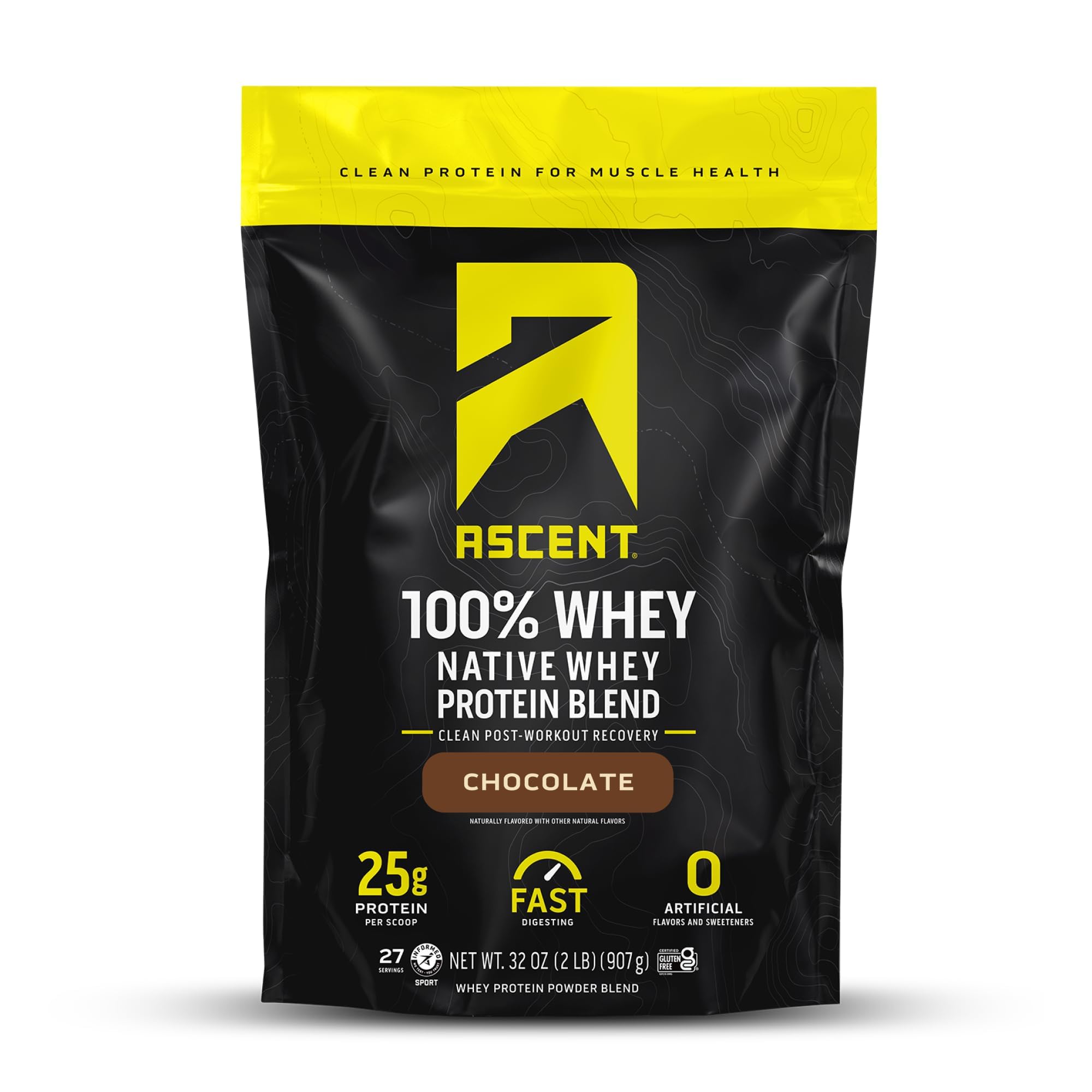
Ascent 100% Whey Protein

92 /100
Trail Score Outstanding

Key details

Size
2 lb
Sweetener
Stevia
Certification
Informed Choice Certified
Protein Per Serving
0.88 oz
Check Price on Amazon

The line that settles this one is printed across the front of the bag: Informed Choice Certified. That is an independent batch-testing program with a name attached, and only one other powder here comes with anything comparable. It is not a heavy-metal certificate — nothing on any of these labels is — but it means an outside body is sampling batches and putting its name on the result, which is a different thing from a brand describing itself as pure.

Underneath the certification sits a native whey isolate blend: 25 grams of protein, 5.5 grams of BCAAs and 2.6 grams of leucine per scoop, sweetened with stevia, with no artificial flavors or sweeteners and no added sugar. What we kept coming back to is how little there is to argue with on that panel. When the whole point is swallowing less of everything else, a short list is the feature.

In a shaker with cold water it goes smooth in a few seconds and stays that way, with none of the clumps left rolling around at the bottom. The chocolate reads like cocoa rather than candy, and it sits easily enough that a daily scoop does not turn into a chore by Thursday.

The detail we did not expect to care about is the packaging. It is a soft, collapsible bag rather than a rigid tub, so it folds down as it empties and slides into a gym bag or a crowded cabinet. Small thing, and we noticed it every week.

Pros

  • Named third-party certification on the label
  • 25 g protein and 5.5 g BCAAs per scoop
  • Mixes smooth in water with no clumps
  • Stevia-sweetened, no artificial flavors or sweeteners

Cons

  • Costs more up front than the budget picks
Our verdict

Buy this one if you want a certification with a real name on it and a whey isolate you will happily drink five days a week.

Check Latest Price
2

Best Grass-Fed Whey

Transparent Labs Grass-Fed Whey

93 /100
Trail Score Outstanding

Key details

Size
2.31 lb
Protein Source
Grass-fed whey isolate
Servings Per Tub
30
Protein Per Serving
0.99 oz
Check Price on Amazon

Twenty-eight grams per scoop is the highest protein number in this group, and it changes the arithmetic of a day: two shakes get you most of the way to a target that usually takes three. The protein is whey isolate from grass-fed, grass-finished American dairy, and the tub holds 30 servings.

What we think earns the premium is the panel rather than a seal. Transparent Labs sells this on what is missing — no artificial sweeteners, no food dyes, no preservatives, no gluten — and that is the sort of claim you can hold against the printed ingredient list and check yourself. Add the named dairy standard and it becomes the most legible label among the flavored whey here.

It dissolves completely in cold water and leaves no chalky film. Blended rather than shaken it foams up and needs a minute to settle, so a shaker is the better tool. Thirty servings works out to roughly a month at a scoop a day, which means you are not reordering every other week.

Pros

  • 28 g protein per scoop, the most here
  • Grass-fed, grass-finished American dairy
  • No artificial sweeteners, dyes or preservatives
  • Dissolves completely in cold water

Cons

  • The most expensive tub in this group
Our verdict

Worth the premium if the protein number and a dye-free, preservative-free label matter more to you than saving money.

Check Latest Price
3

Best Unflavored Whey

NOW Sports Whey Isolate

89 /100
Trail Score Excellent

Key details

Size
1.2 lb
Flavor
Unflavored
Testing
A-rated third-party certification
Protein Per Serving
0.85 oz
Check Price on Amazon

There is nothing to taste here, and that is the point. We kept this bag for the places a flavored powder ruins things — coffee, oatmeal, a smoothie that already has banana and cocoa in it — and it disappears into all of them. NOW is also the most specific about testing of anyone here, naming an A-rated third-party certification and in-house labs with ISO/IEC accreditation.

Twenty-four grams of protein and a full BCAA profile per scoop, unflavored and unsweetened, in a 1.2 lb bag. It mixes easily even when you are only shaking it in a bottle, and the texture stays thin, which is exactly what you want when you are stirring it into something you were going to eat anyway.

The trade-off shows up the moment you try it in plain water: it tastes like what it is, a milk-derived protein with a faint dairy note around the edges. If your routine is a shake you drink on its own, buy something flavored. If your routine is a scoop going into food, this is the most useful bag in the group.

Pros

  • Named third-party certification and accredited labs
  • 24 g protein with BCAAs per scoop
  • Mixes easily shaken, with no grit
  • Truly unflavored and unsweetened

Cons

  • Faint dairy taste is noticeable in plain water
Our verdict

The unflavored pick: a named third-party certification and 24 grams of protein that vanishes into whatever you are already eating.

Check Latest Price
4

Best Organic Plant Protein

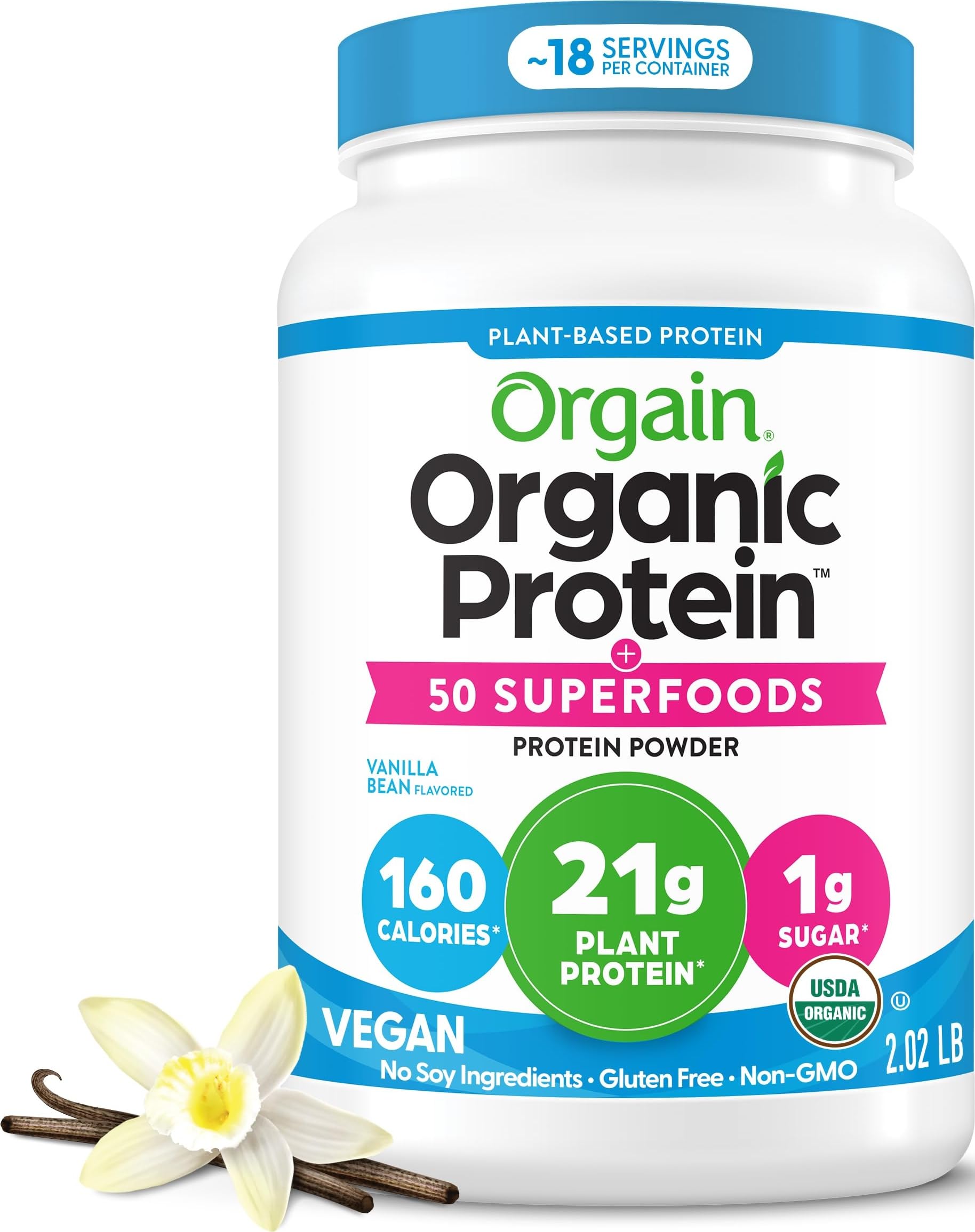
Orgain Organic Vegan Protein

93 /100
Trail Score Outstanding

Key details

Size
2.02 lb
Certification
USDA Organic
Protein Blend
Pea, brown rice, chia
Protein Per Serving
0.74 oz
Check Price on Amazon

Fifty superfoods in a protein powder sounds like a label gimmick until you read the list: kale, turmeric, beet, acai, flax, quinoa and broccoli are all named, and the protein itself comes from organic pea, brown rice and chia — a combination that covers all nine essential amino acids without soy.

We think that is what makes it the best organic plant option here: it behaves like a breakfast food rather than a supplement. Twenty-one grams of protein, a single gram of sugar, USDA Organic, and enough fiber and vitamins riding along that you are adding food to your day rather than just a number.

The texture is where it asks something of you. Shaken in water it stays grainy; blended with almond milk and a banana, the grain mostly disappears and it drinks like a thin milkshake. It is also heavier in the gut than a whey isolate, so start with one scoop and see how the week goes before you go to two.

Pros

  • USDA Organic with a pea, rice and chia blend
  • 21 g protein and just 1 g sugar
  • Complete amino profile without soy
  • One of the cheaper tubs here

Cons

  • Sweetness reads heavy in plain water
Our verdict

The organic plant pick for smoothie drinkers: 21 grams of protein, a gram of sugar, and a label full of real food.

Check Latest Price
5

Best Budget Plant Protein

Anthony's Premium Pea Protein

89 /100
Trail Score Excellent

Key details

Size
2 lb
Flavor
Unflavored and unsweetened
Testing
Batch tested for gluten
Protein Source
Pea protein isolate
Check Price on Amazon

One ingredient, and the lowest price in this group. Anthony's is pea protein isolate, unflavored and unsweetened, which means there is no sweetener to have an opinion about, no flavor system to audit, and nothing on the panel except the protein itself.

What that buys you is flexibility. A tablespoon carries about 8 grams of protein, so it goes into oatmeal, soup, a banana smoothie or a batch of muffins without changing the volume much — and it thickens whatever it lands in, which is a help in soup and something to plan around in a drink.

Our take: this is the pick for someone who wants protein as an ingredient rather than a beverage, and who would rather not pay for flavoring they will add themselves. If you want something you can shake and drink, Orgain or EarthChimp will treat you better. It is also batch tested and verified gluten free, which is a more specific claim than most bags here make.

Pros

  • Single ingredient: pea protein isolate
  • Lowest price in this group
  • About 8 g protein per tablespoon
  • Batch tested and verified gluten free

Cons

  • Gritty and pea-flavored in plain water
Our verdict

The cheapest way into plant protein: one ingredient, no sweetener, and a blank canvas for anything you are already cooking.

Check Latest Price
6

Best Vegan Chocolate Protein

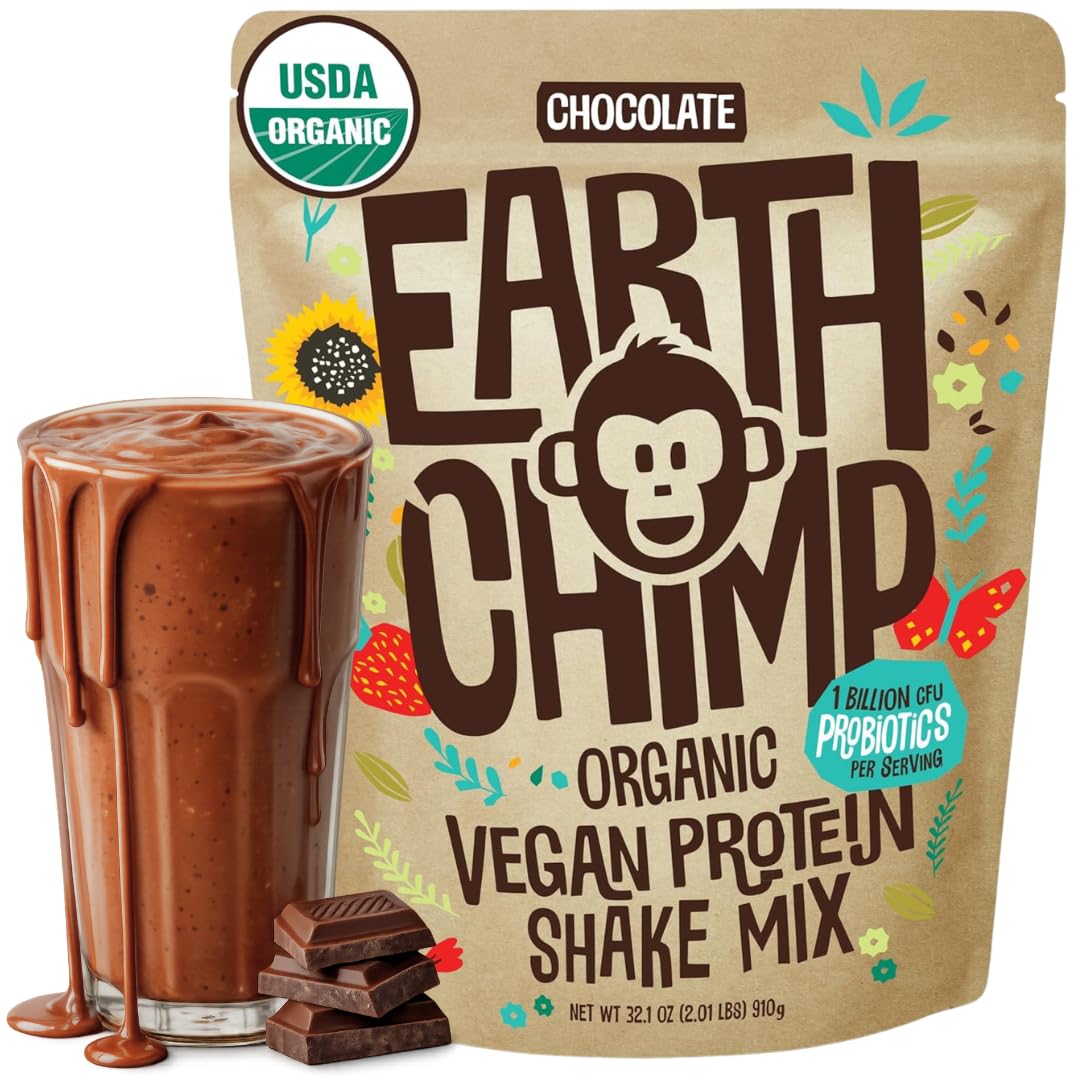
EarthChimp Organic Vegan Protein

91 /100
Trail Score Outstanding

Key details

Sweetener
Monk fruit
Probiotics
1 billion CFU
Certification
USDA Organic
Protein Per Serving
0.71 oz
Check Price on Amazon

The sweetener is the reason to look twice here. EarthChimp uses monk fruit rather than stevia and skips erythritol and other sugar alcohols entirely, which matters if you are someone who gets a bitter or cooling aftertaste from the sweeteners in most plant powders.

The rest of the panel is food: organic cocoa, dates, banana, baobab, cinnamon and turmeric, alongside 20 grams of plant protein, 4 grams of fiber, 120 calories, all nine essential amino acids and a billion CFU of probiotics. USDA Organic, dairy free, soy free, no carrageenan.

It drinks thick and dark, closer to a chocolate smoothie than a chocolate shake, and it blends into almond milk without clumping. The cocoa does most of the work; you do not need to add a banana to make it taste like something.

If chocolate is what gets you to drink a plant powder at all, this is the one we hand over. It is also the vegan option here with the least compromise on the sweetener, which for anyone who has poured out a chalky, oddly sweet shake is the entire battle.

Pros

  • Monk fruit sweetener, no sugar alcohols
  • USDA Organic with real cocoa and dates
  • Blends smooth without chalk
  • 1 billion CFU probiotics per serving

Cons

  • 20 g protein per serving, the least here
Our verdict

For chocolate drinkers: organic cocoa, monk fruit instead of stevia, and 20 grams of plant protein that tastes like dessert.

Check Latest Price
7

Trying a Whey

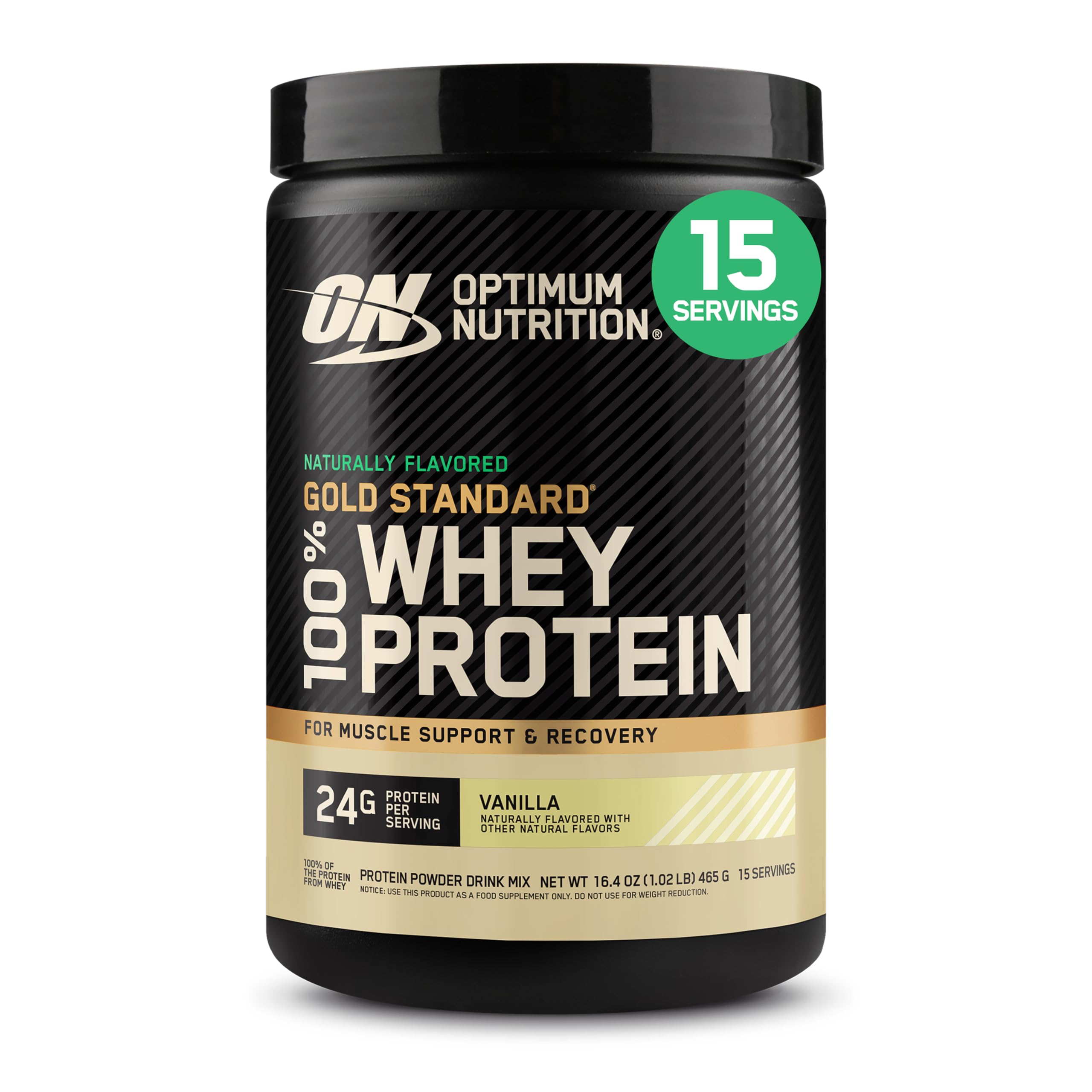
Optimum Nutrition Gold Standard

91 /100
Trail Score Outstanding

Key details

Size
1.02 lb
Flavor
Natural flavors only
Protein Source
Whey isolate (primary)
Protein Per Serving
0.85 oz
Check Price on Amazon

The tub is small — 1.02 lb — and for a first purchase that is an advantage: you find out whether the flavor works for you before you commit two pounds of shelf space to it. This is a naturally flavored version of Gold Standard, isolate-first, with 24 grams of protein and 5.5 grams of BCAAs a scoop.

No artificial flavors, colors or sweeteners, and the mixing is genuinely easy; the label claims a glass and a spoon, and that is about right. The taste is the divider. It is sweet, and if you want a shake that reads like a dessert you will be happy — if you are used to unflavored isolate, use more water than the label suggests.

Where it lands for us: this is the whey to buy when you want something familiar and easy to mix without studying the back of the tub. It is a good bridge for someone moving off a mainstream whey and not ready to commit to a two-pound bag of something they have never tasted.

Pros

  • Natural flavors only, no artificial sweeteners
  • Whey isolate as the primary protein source
  • Mixes with a glass and a spoon
  • Small tub to test a flavor

Cons

  • Small tub means frequent reordering
Our verdict

A familiar whey with a cleaner panel than most mass-market tubs, in a size that lets you decide for yourself.

Check Latest Price
8

Bare Isolate

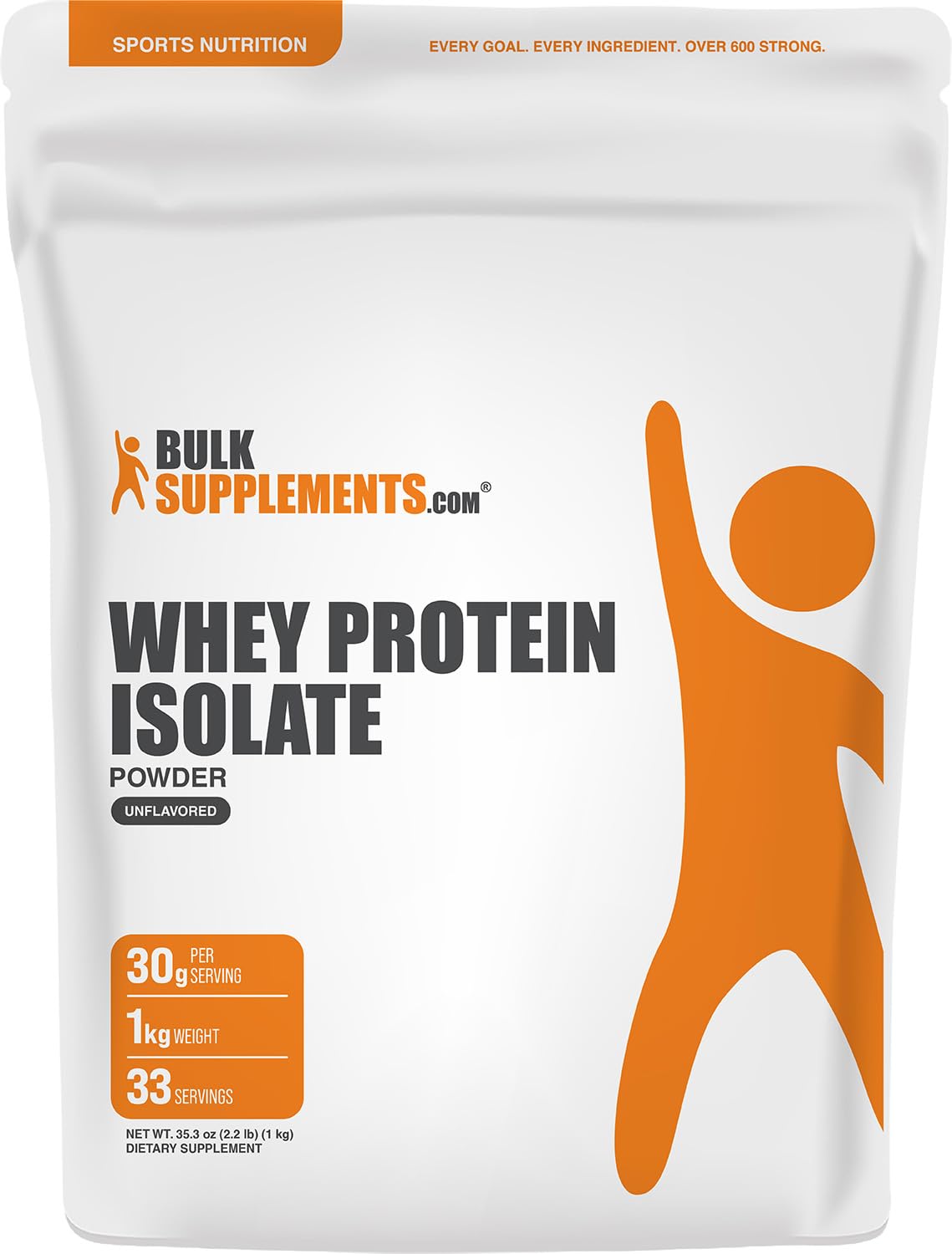
BulkSupplements Whey Isolate

89 /100
Trail Score Excellent

Key details

Size
2.2 lb
Flavor
Unflavored
Testing
Every batch tested
Ingredients
Whey isolate and sunflower lecithin
Check Price on Amazon

Scoop for scoop, this is the cheapest whey isolate in the group. It is also the shortest ingredient list of any whey here: whey protein isolate and sunflower lecithin, nothing else — no flavor, no sweetener, no thickener.

The lecithin does real work. It dissolves in cold water, juice or milk without the clumping unflavored whey often fights, and it stays neutral enough to vanish into oatmeal or a batch of pancakes. The powder arrives in a plain resealable bag with a label on the front, which tells you plainly where the money went.

We rate it on grams of protein per dollar and on how little else is in the bag, and on both it sits near the top of this set. What it does not give you is flavor, sweetness or a reason to drink it plain: this is a bag of protein to build with, not a shake to look forward to. That is the trade — the least you can pay for isolate, and the most work you do yourself.

Pros

  • Two ingredients, no sweetener or flavoring
  • Dissolves in cold liquid without clumping
  • Cheapest whey isolate here
  • Neutral in oatmeal, baking and shakes

Cons

  • Testing is the brand's own claim, not a named certification
Our verdict

Two ingredients, unflavored, and the best protein-per-dollar here, as long as the brand's own testing claim is enough for you.

Check Latest Price

How We Chose and Tested the Best Protein Powders

We started with roughly 40 powders sold in mainstream supplement aisles and direct-to-consumer sites, then read contaminant panels before anything else. A powder stayed in contention only if it published third-party heavy-metal results, listed a realistic protein-per-serving number, and didn't hide dosages behind a proprietary blend. We also worked out cost per gram of protein, since a big tub with tiny servings isn't the bargain it appears to be.

The 14 that made the cut went through six months of daily use. We mixed each one three ways: shaken with water in a bottle with a metal ball, blended into a frozen-fruit smoothie, and stirred into oatmeal. Bottles sat in gym bags for an hour before we opened them, then got rinsed and checked for residue at the rim. Every powder was tasted plain and again with milk, because one that's fine in a smoothie can be undrinkable in water.

Along the way we weighed each scoop on a kitchen scale — most scoops don't hold what the label implies — and counted how many drinks a tub actually produced, including the powder that caked at the bottom of the bag. For texture we noted grit, foam, whether it coated the mouth, and whether it thickened to pudding in the fridge overnight. We logged how we felt three hours after drinking each one, since a powder that doesn't hold you until lunch isn't doing its job. Mixability we scored by counting shakes, then tipping the bottle to look for clumps.

How to Choose a Protein Powder without Heavy Metals

What a Testing Claim Is Worth

Third-party tested can mean a named program with batch-level certification and a certificate you can request, or a line in the marketing copy with nothing behind it. That difference is worth paying for. Two powders here name an outside body: Ascent carries Informed Choice certification and NOW describes an A-rated third-party certification, which gives you something to look up rather than a claim to trust.

For everything else, ask the brand for its most recent certificate of analysis for the lot you are buying. A company that answers quickly and specifically is telling you something a company that sends a brochure is not. Treat batch tested with no program name attached as a claim, not an audit.

Read the Ingredient List Before the Protein Number

The longer the list, the more there is to test. A whey isolate with two ingredients — protein and sunflower lecithin, as in BulkSupplements — narrows the question in a way a flavored blend with twelve lines does not. That is the quiet argument for buying unflavored and adding your own flavor.

When you do buy flavored, read the sweetener by name. Stevia, monk fruit and allulose are the common clean-label choices; sucralose and aspartame are the ones most people are trying to avoid. And watch natural flavors, which is a category that can cover dozens of compounds rather than one ingredient you can picture.

Whey: Isolate, Hydrolysate, or a Blend

Isolate is the leanest form, with most of the protein kept and most of the lactose filtered out, and it is what Ascent, NOW and Optimum Nutrition are built on. Hydrolysate is isolate broken down further: faster to absorb, more expensive, and often bitter. A blend with concentrate or casein digests more slowly, which helps if the shake is standing in for a meal.

For a daily shake alongside normal food, start with an isolate. If the powder needs to hold you until lunch, a blend with some casein in it earns its place.

Plant Protein: Base, Blend, and Grit

Plant powders are built from pea, brown rice, chia or a mix, and the base decides both the amino profile and the texture. Pea carries the most protein per gram; rice fills in the amino acids pea is short on, which is why the two get paired so often, as in Orgain's pea, brown rice and chia blend. Pure pea, as in Anthony's, is the cheapest and the hardest to drink straight.

Whatever the base, expect more grit than whey and plan on a blender rather than a shaker bottle. Keep the plant tub for smoothies and the isolate for water.

Buy a Size You Will Finish

The powder you throw out is the most expensive powder you own, and a two-pound tub is a long commitment if the flavor turns out wrong. Buy small when you are trying a flavor: the Optimum Nutrition tub is the smallest here, which makes it the low-risk way to find out.

If you already know the flavor works, the bigger bags cost less per serving and mean fewer reorders.

Frequently Asked Questions

Final Verdict

Start with Ascent. It is the one powder here that pairs a named certification with a shake you will finish, and that combination is what most people are actually shopping for. If protein per scoop matters more than the price, Transparent Labs gives you 28 grams of it.

If you are mixing into coffee or a smoothie you already flavor, NOW's plain isolate is the better tool. And Anthony's is the cheapest way to add plant protein with nothing else attached to it.