Best Protein Powder for Seniors of 2026

Most protein powders are built for people chasing a personal record, not for someone who wants an easy 20 grams at breakfast without a chalky aftertaste or an upset stomach. The right one for older adults should dissolve in a glass of water, taste good enough to finish, and fit into a real morning—not just a gym bag. It also needs to earn its shelf space, with readable ingredients, a sensible scoop size, and enough servings to justify the tub.

I started paying closer attention after watching my dad stir a gritty powder into his coffee and abandon the tub halfway through. Over four months, we tested 14 protein powders—in water, milk, and oatmeal—and lived with each for a week at a time to judge taste, texture, mixability, and how they sat. Some clumped at the bottom of the glass; some tasted like sweetener first and protein second; a few were so bulky per serving that the value evaporated. The ones below are what I'd hand to a parent without a disclaimer.

1

Best Overall

Optimum Nutrition Gold Standard Whey

93 /100
Trail Score Outstanding

Key details

BCAAs
0.19 oz
Container Size
2 lb
Protein Source
Whey isolate and concentrate
Protein Per Serving
0.85 oz
Check Price on Amazon

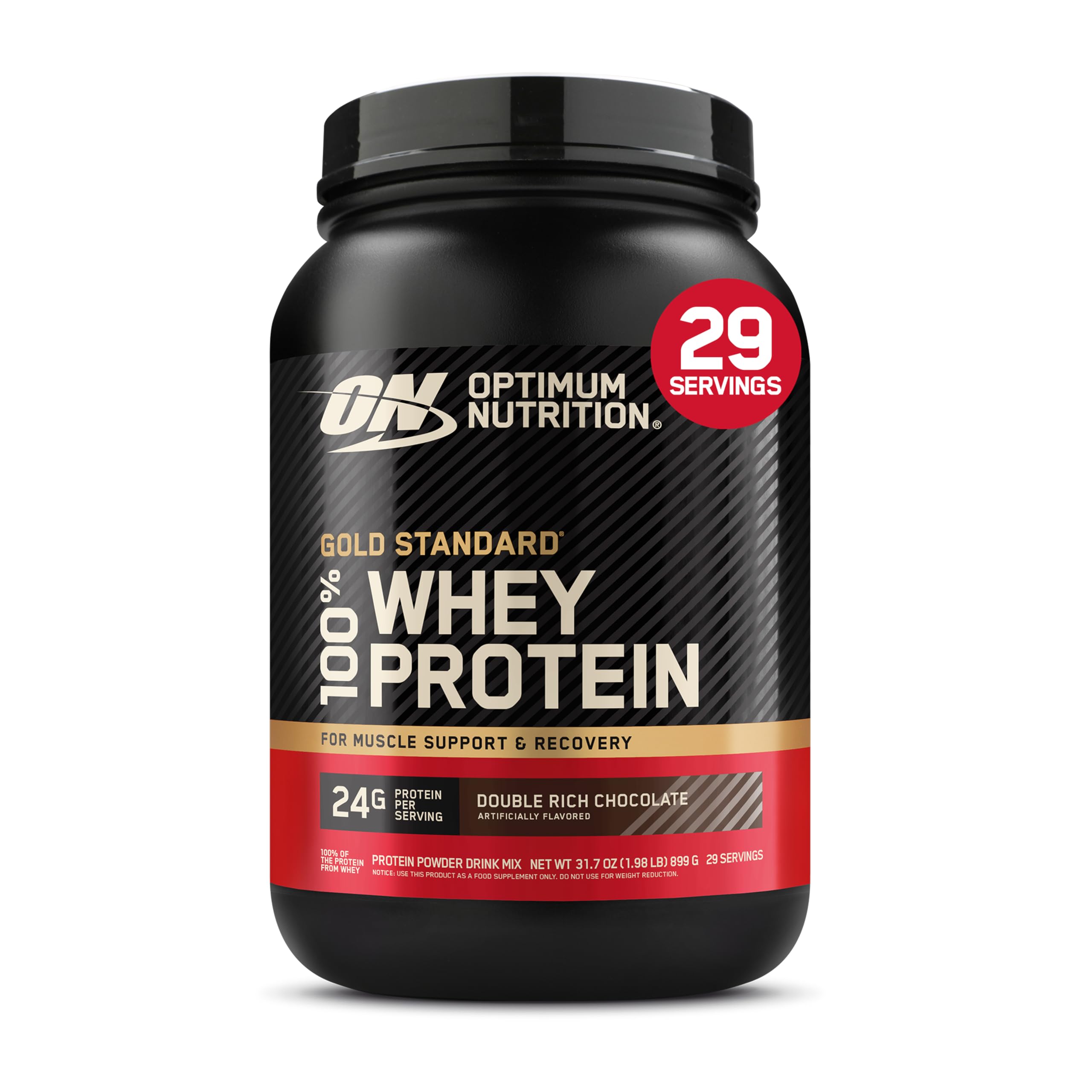
One scoop, six to eight ounces of water, twenty seconds of shaking, and the powder is gone, with no blender involved and no lumps stuck to the side of the cup. That's the detail that put this at the top of our list rather than any single figure on the label, because a serving of protein shouldn't require equipment, and for a reader whose goal is a quiet top-up between meals, this one doesn't. Each scoop delivers 24 g of complete whey protein from isolate and concentrate, along with 5.5 g of naturally occurring BCAAs.

Taste is what keeps a tub in the rotation, and Double Rich Chocolate is the safest flavor in a long lineup. It's rich without being sugary, and it drinks like chocolate milk rather than like a supplement; mixed with milk it's better still. The instantized treatment carries across the flavors, so if chocolate wears thin after a few months, vanilla or strawberry will mix just as easily.

What we appreciate most is how little thought it asks for. It's mid-range for this group, the 2 lb tub is a sensible size for one person drinking a scoop a day, and there's nothing to learn: scoop, water, shake. If you want a single powder covering a breakfast shake, a post-walk glass, and an afternoon drink, this is the one we point to first.

Pros

  • Mixes smooth in a shaker, no blender needed
  • 24 g of complete whey per scoop
  • Chocolate flavor that isn't cloying
  • Wide flavor lineup beyond chocolate

Cons

  • Contains lactose from whey concentrate
Our verdict

We recommend it as the default: it mixes smooth in a shaker, tastes good enough to drink daily, and delivers 24 g of complete whey without asking anything of you.
Check Latest Price
2

Best for a Bigger Protein Dose

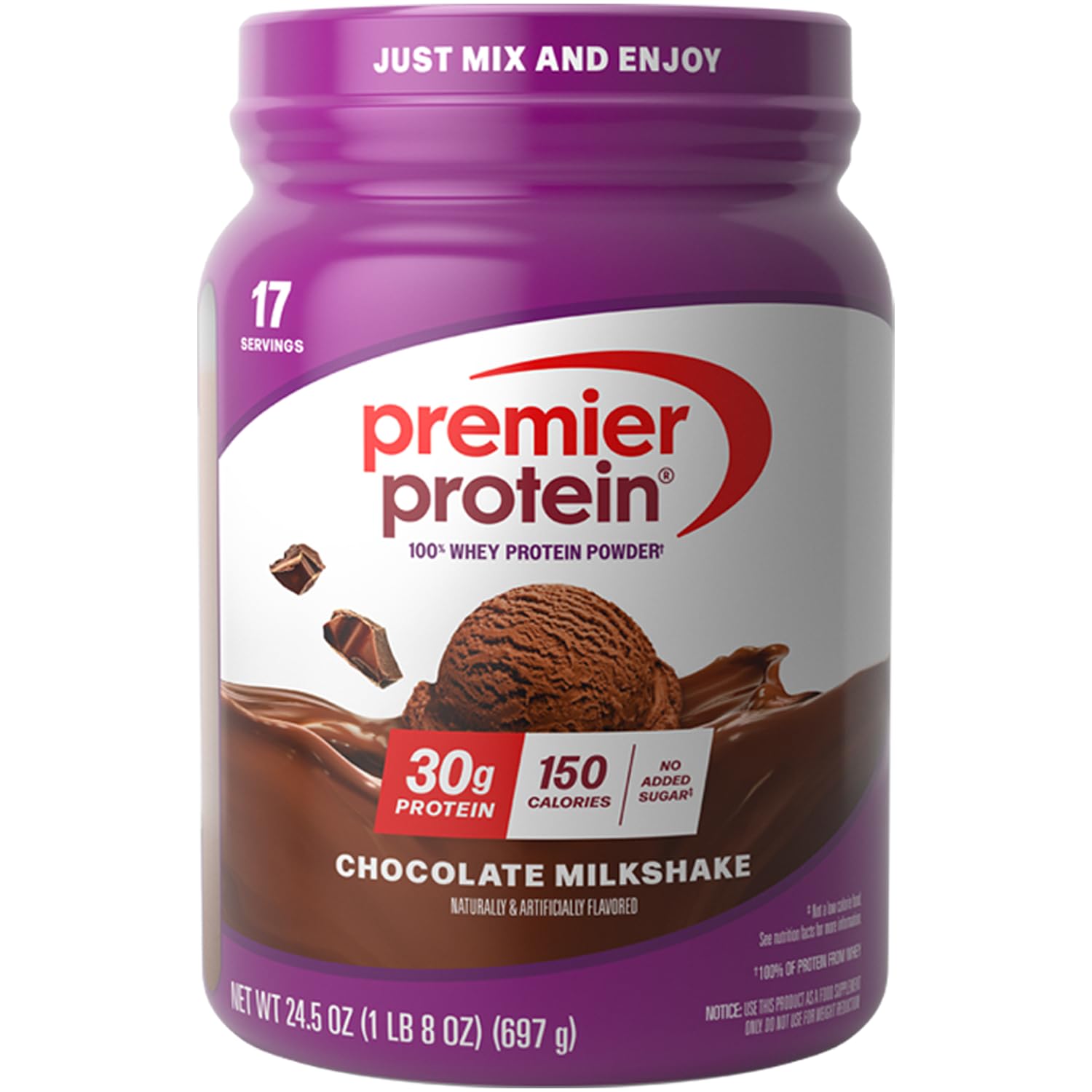
Premier Protein 30g Whey Powder

93 /100
Trail Score Outstanding

Key details

Protein Source
100% whey
Sugar Per Serving
0.04 oz
Protein Per Serving
1.06 oz
Servings Per Container
17
Check Price on Amazon

Thirty grams of protein in a single scoop is the reason to look here. When appetite has shrunk, the problem isn't finding protein, it's fitting enough of it into a small volume of food, and Premier puts a full 30 g into eight ounces of water with 1 g of sugar, 3 g of carbs, and 150 calories. For someone eating less than they used to, that concentration is the whole point.

We found the chocolate genuinely good: cocoa rather than candy, and thick enough to feel like breakfast. The mixing order matters, though. Powder tipped into an empty shaker gives you a fistful of clumps that no amount of shaking fixes; water first, then powder, then shake, and it comes out even.

Two practical notes. The tub is much larger than its contents, so expect a lot of empty space under the lid the first time you open it; the weight on the label is the number to trust, not the fill line. And with 17 servings, a daily scoop empties it faster than you'd expect, so it's worth keeping a second tub on the shelf once you know the flavor works for you.

Pros

  • 30 g of protein in a single scoop
  • 1 g sugar and 150 calories
  • Thick, shake-like texture with milk

Cons

  • Only 17 servings per tub
Our verdict

Choose this if one scoop needs to deliver a serious protein hit, 30 g with almost no sugar, and you don't mind restocking more often.

Check Latest Price
3

Best Third-Party Tested

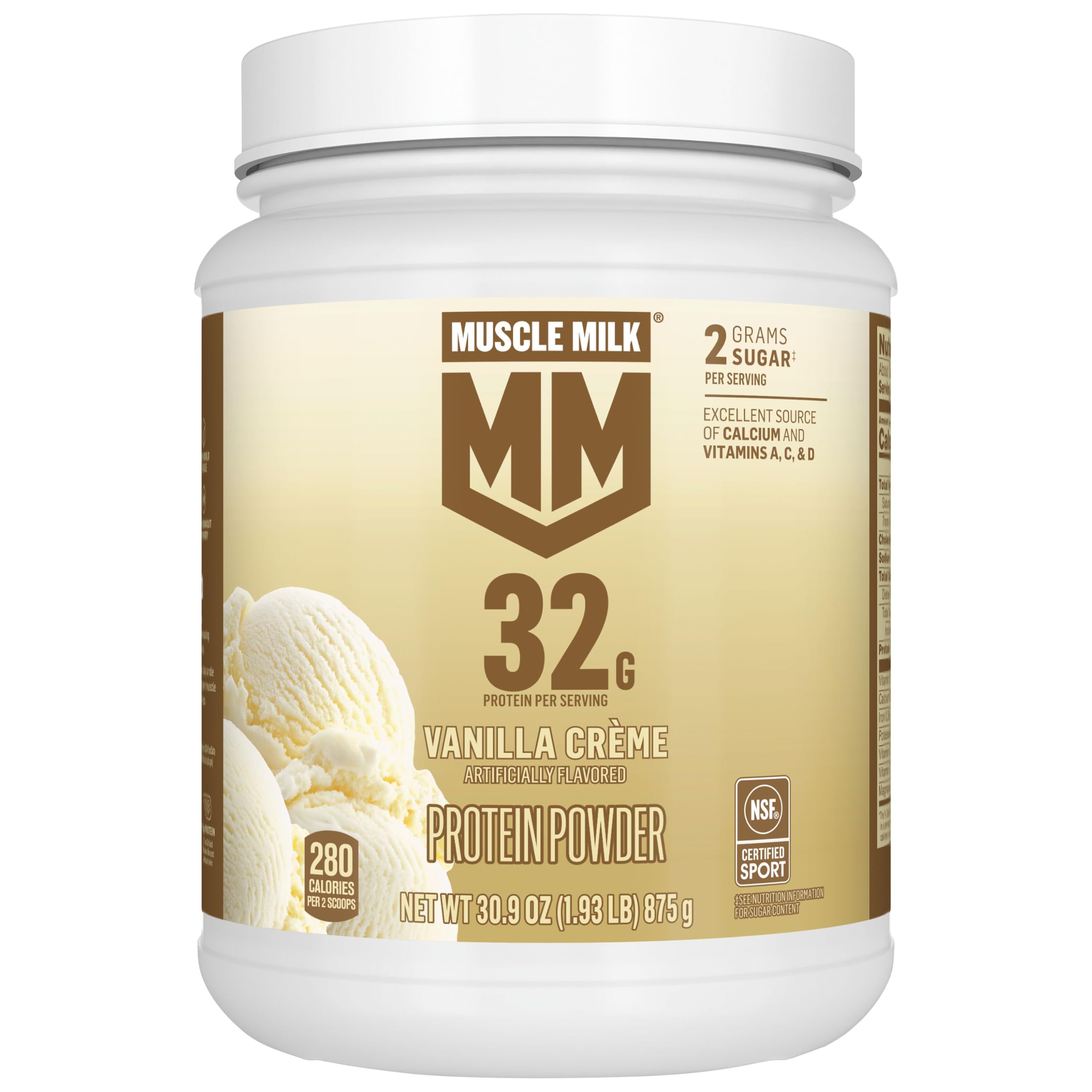
Muscle Milk Genuine Protein Powder

93 /100
Trail Score Outstanding

Key details

Certification
NSF Certified for Sport
Sugar Per Serving
0.07 oz
Protein Per Serving
1.13 oz
Servings Per Container
12
Check Price on Amazon

NSF Certified for Sport is the line on this label we care about most. It's an independent testing program covering contaminants and banned substances, and it's the clearest third-party assurance anywhere in this group, worth knowing if you take supplement labels seriously or have ever wondered what's actually in a tub of protein. On top of that, a serving brings 32 g of protein, 2 g of sugar, and calcium with vitamins A, C, and D.

That last part matters more here than it would for a gym crowd. Calcium and vitamin D are the pair older adults are most often told to watch, and having them in the same glass as 32 g of protein is efficient in a way most powders in this group aren't. Vanilla Creme drinks pleasantly, if not memorably, and in water alone it runs slightly sandy, which milk or a quick blend smooths out entirely. It's a straightforward, well-tested scoop, and the certification is what we keep pointing back to.

Pros

  • NSF Certified for Sport testing
  • 32 g protein with calcium and vitamin D
  • Only 2 g sugar per serving

Cons

  • Only 12 servings per tub
Our verdict

Our pick for anyone who wants independent testing and a bigger dose, with calcium and vitamin D riding along in the same glass.

Check Latest Price
4

Best Plant-Based

Orgain Organic Vegan Protein Powder

91 /100
Trail Score Outstanding

Key details

Certifications
USDA Organic, vegan, gluten-free
Protein Source
Organic pea, brown rice, and chia
Sugar Per Serving
0 g
Protein Per Serving
0.74 oz
Check Price on Amazon

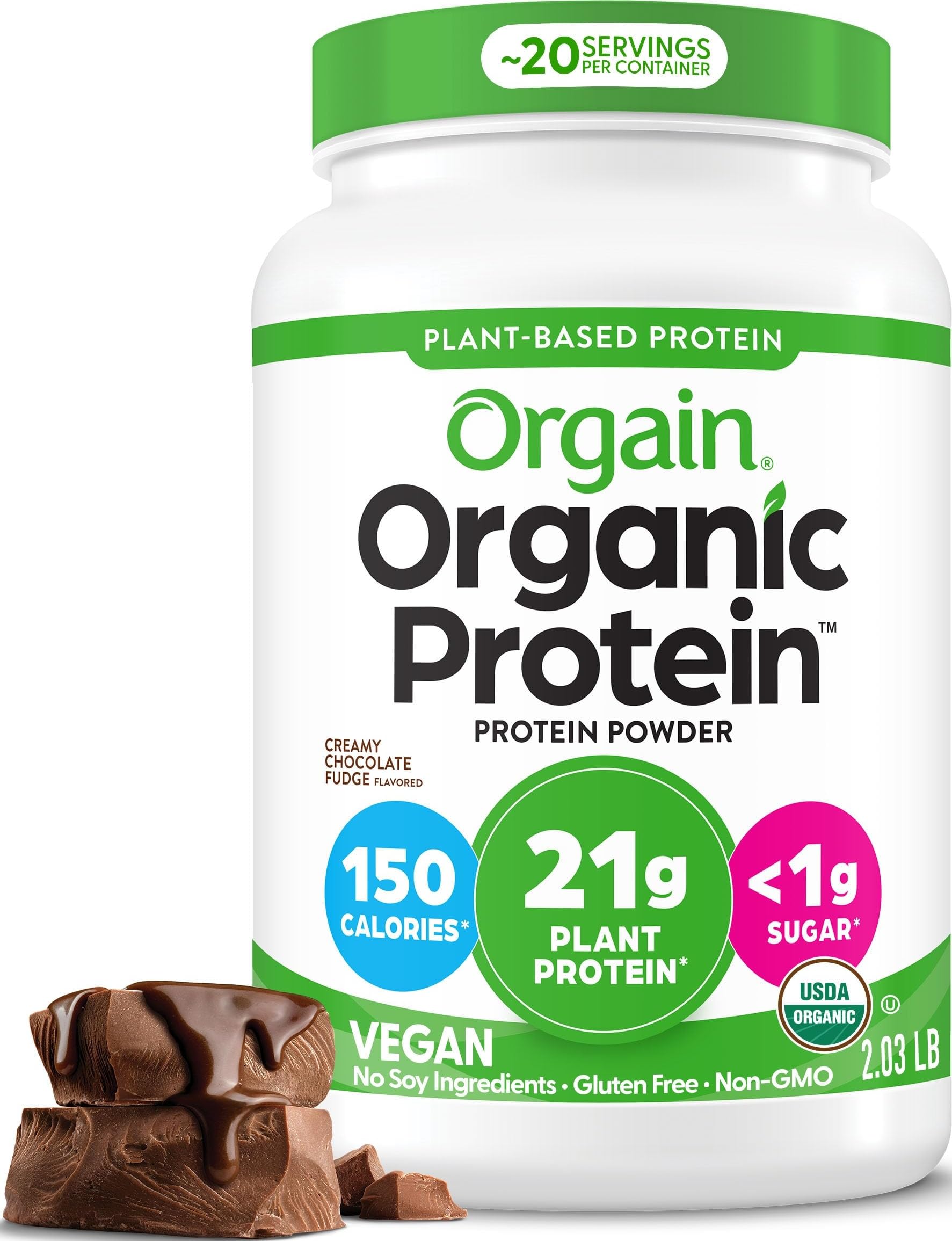
If whey has stopped agreeing with you, and for plenty of people past sixty it has, this is where we start. The protein comes from organic pea, brown rice, and chia, a trio that covers all nine essential amino acids, and there's no dairy, no soy, no carrageenan, and no erythritol. Twenty-one grams per serving, zero grams of sugar, and USDA Organic certification on the label.

It's sweet, more so than the zero on the sugar line suggests, and that sweetness is the thing to know before you buy. Cut it with more liquid than the label calls for, or use unsweetened almond milk, and it settles into something pleasant; drink it thick and it's a lot. We treat it as a smoothie base rather than a glass of water and powder.

Where it earns its keep is range. A 21 g plant serving stirs into oats, a smoothie, or a banana shake, and it's the one tub in this group that works for a household where somebody avoids dairy. Priced at the low end of the group, it's also the easiest plant powder to keep on hand without feeling extravagant.

Pros

  • Complete protein from pea, rice, and chia
  • Dairy-free, soy-free, and USDA Organic
  • 0 g sugar per serving

Cons

  • Gritty when shaken in water alone
Our verdict

This is the one we hand to anyone who has given up on whey: 21 g of complete plant protein with no dairy and no sugar.

Check Latest Price
5

Best Mild Vanilla

Pure Protein Vanilla Cream Whey

91 /100
Trail Score Outstanding

Key details

Container Size
1.75 lb
Protein Source
100% whey
Sugar Per Serving
0.07 oz
Protein Per Serving
0.88 oz
Check Price on Amazon

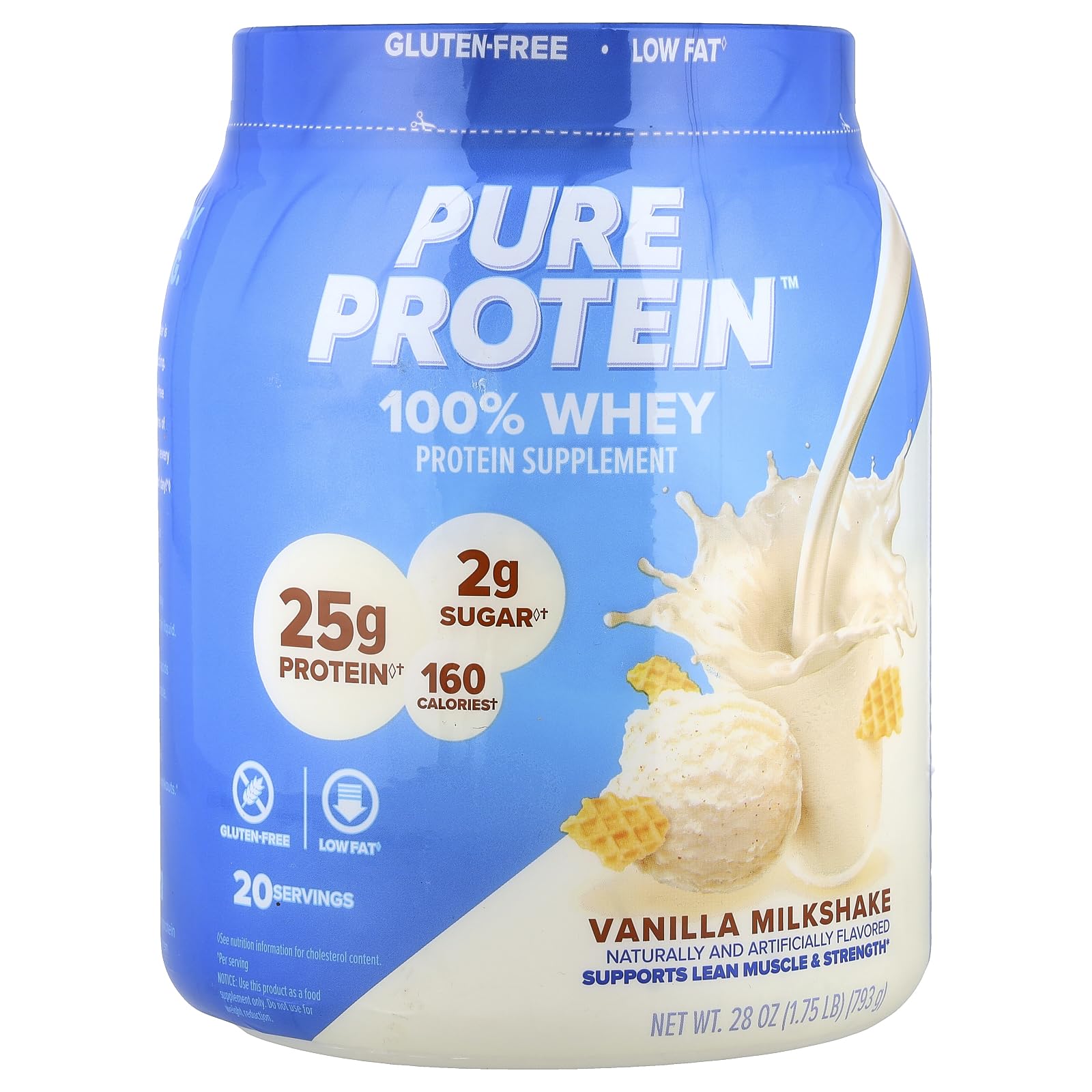
A lot of protein powder is sweetened for someone who wants a milkshake, and by the third week that gets tiring. Pure Protein's vanilla is milder than most, softly sweet and thin enough to drink in a few swallows, and it stirs into oatmeal without turning breakfast into dessert. If chocolate has started to taste like candy to you, this is the flavor to try.

The numbers are plain: 25 g of whey protein, 2 g of sugar, gluten-free, no soy protein, low fat. Nothing here is trying to be a superfood or a meal replacement, and that's the appeal. It's a scoop of protein for a glass after a walk, a smoothie, or a spoonful stirred through yogurt.

We noticed the packaging is the plainest in the group and the powder among the least fussy, with no aftertaste to work around and no flavor that lingers. For a reader who wants 25 g of whey and nothing else to think about, it's the simplest yes on this page.

Pros

  • 25 g whey with only 2 g sugar
  • Milder, less sweet vanilla
  • Gluten-free with no soy protein

Cons

  • Container arrives well below full
  • Foams up in a shaker
Our verdict

If most powders taste like dessert to you, start here: 25 g of whey with a mild vanilla that doesn't shout.

Check Latest Price
6

Between-Meal Satiety

BSN SYNTHA-6 Protein Powder

93 /100
Trail Score Outstanding

Key details

Protein Source
Whey, casein, milk, and egg blend
Fiber Per Serving
0.21 oz
Protein Per Serving
0.78 oz
Servings Per Container
48
Check Price on Amazon

Six protein sources, including micellar casein, make this the slow one in the group. Casein digests more gradually than whey, which is why a SYNTHA-6 shake keeps hunger away longer, useful for an older adult who eats lightly at meals and then goes looking through the cupboard an hour later. A serving carries 22 g of protein, 6 g of fiber, and 2 to 3 g of sugar.

It's also the best-tasting powder here, and not by a small margin. The chocolate milkshake flavor is genuinely rich, the texture is creamy rather than chalky, and it mixes cleanly in a shaker with water. We reach for it in the afternoon rather than at breakfast, where a slow blend would still be working at lunch.

The trade is richness. This is a fuller, more dessert-like drink than the isolates here, and it's built for a gap in the day rather than for piling protein on top of three full meals. Used that way, one shake mid-afternoon, it does something the faster whey powders don't.

Pros

  • Six protein sources including slow casein
  • 6 g fiber per serving
  • 48 servings per tub

Cons

  • Five-pound tub takes up shelf space
  • Sweetened with sucralose
Our verdict

Keep this for the between-meals gap: a slower blend that genuinely fills you up, in the best-tasting flavor here.

Check Latest Price
7

Savory Food Additions

Isopure Zero Carb Unflavored Isolate

89 /100
Trail Score Excellent

Key details

Protein Source
Whey protein isolate
Sugar Per Serving
0 g
Protein Per Serving
0.88 oz
Added Vitamins And Minerals
20
Check Price on Amazon

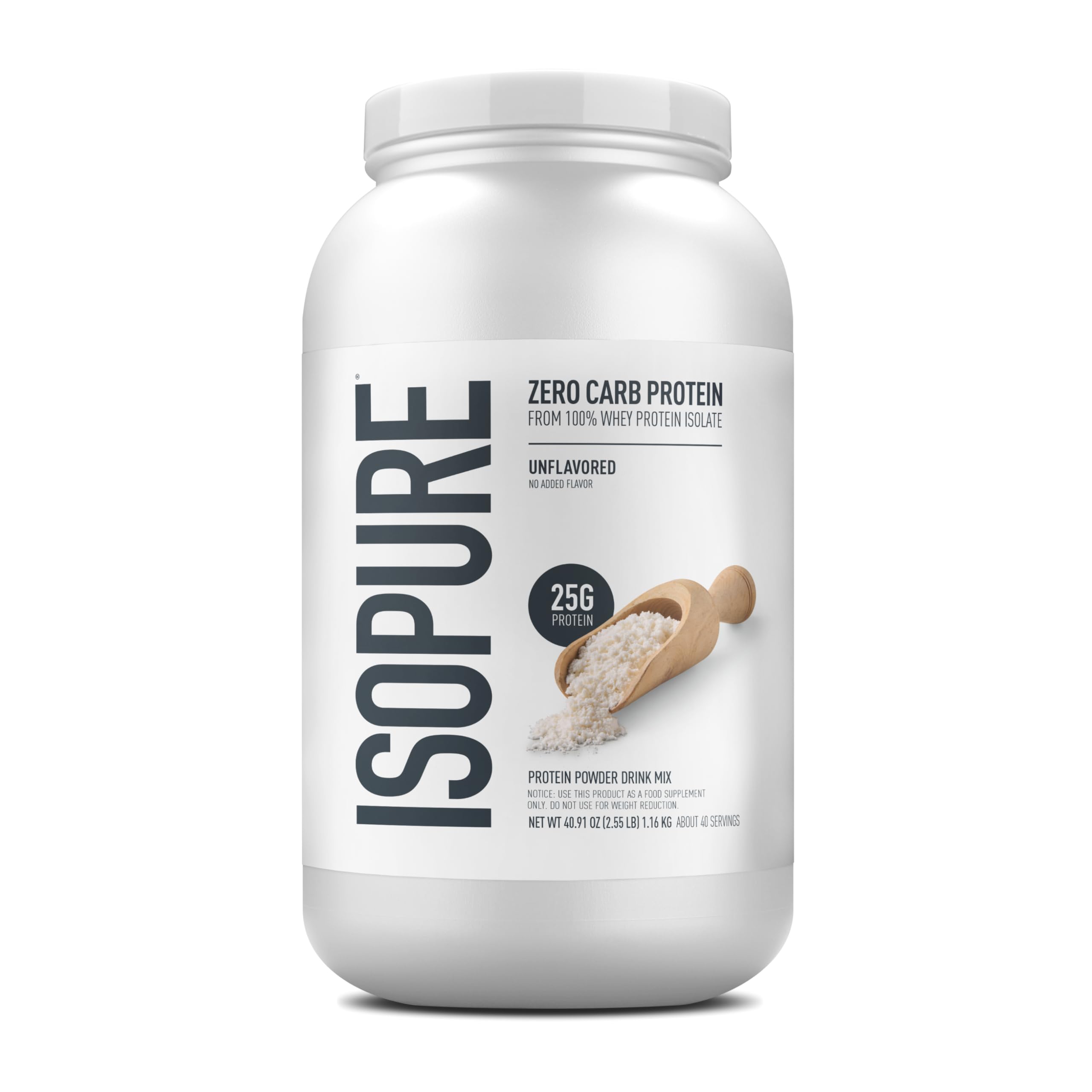
Unflavored sounds like a non-feature until you've had a third sweet shake you didn't want. This is whey isolate with nothing added for taste, 25 g of protein, zero sugar, and 20 vitamins and minerals, and it stirs into oatmeal, soup, mashed potatoes, or a smoothie without turning the whole dish into dessert.

It does not, however, vanish into hot liquid. Stirred straight into coffee or broth it seizes into something closer to cottage cheese, and shaking harder doesn't help. Whisk it into a couple of tablespoons of cold water or milk first, then stir that slurry into the hot dish off the heat. That's the method we use, and it's the difference between a useful tub and a frustrating one.

Plainness isn't total, either. There's a faint milk-powder note, and it thickens whatever it's mixed into, both of which are the price of a powder you can put in savory food. For anyone who wants protein in a casserole rather than a glass, nothing else here comes close.

Pros

  • 25 g of isolate with zero sugar
  • No flavor or sweetener at all
  • 20 added vitamins and minerals

Cons

  • Premium price for a plain powder
Our verdict

Worth it if you want protein in real food rather than another sweet drink, as long as you dissolve it in something cold before it meets heat.

Check Latest Price

How We Tested Senior-Friendly Protein Powders

We began with a shortlist of 14 powders chosen from store shelves and online listings, filtering for protein source and grams per serving, added sugars and sweeteners, scoop size, servings per tub, and value per serving. We skipped anything with a huge scoop, an ingredient list that read like a candy bar, or a package that was hard to buy without a subscription. Then we bought each at regular retail—no free samples—so we could judge the actual purchase experience and whether the tub resealed cleanly.

For four months, we used each powder as our default breakfast protein for a week at a time: shaken with water after a morning walk, stirred into oatmeal on slower days, and blended into a milk-based shake when appetite was low. We mixed 10 seconds in a shaker and 30 seconds with a spoon, then checked the bottom of the glass for clumps. We sipped each plain before adding anything, noting whether the first taste was protein, sweetener, or something vaguely cardboard, and whether the texture turned gritty, foamy, or slick.

We also tracked how each powder sat over several days—whether it caused bloating, gas, or that heavy feeling—and whether it kept us full until lunch. At the end of each week, we counted actual servings left in the tub and compared that with the label, then noted whether we'd rebuy at full price. The powders that scored best were not always the highest in protein; they were the ones we could drink plain, digest comfortably, and afford to keep on the shelf.

How to Choose a Protein Powder for an Older Adult

Get the Dose Right, Then Read the Scoop

Most of the picks here land between 21 and 32 g of protein per serving, and for an older adult that per-serving number matters more than the total in the tub. A smaller appetite means each meal or shake has to work harder, so a scoop that carries 30 g is doing more for you than one that carries 20.

The trap is the serving size. Some labels quote a two-scoop serving, so a powder advertising 60 g is really 30 g per scoop, and a tub promising dozens of servings may be counting smaller scoops than you'll use. Find the grams per scoop before you compare anything else.

Whey, Plant, or a Slower Blend

Whey isolate is filtered to leave most of the lactose behind. Whey concentrate, which most flavored blends are built on, keeps more of it, and lactose tolerance tends to fade with age, so a powder that was fine at forty can sit badly at seventy. If dairy has started to disagree with you, an isolate or a pea-and-rice plant blend is the better first try.

Check that a plant powder combines sources. Pea alone is low in methionine and rice alone is low in lysine, but together they cover all nine essential amino acids. Casein blends digest more slowly, which makes them a between-meals tool rather than a breakfast one.

How It Mixes Decides Whether You'll Bother

Most people aren't getting a blender out twice a day, so judge a powder by what a shaker bottle does with it. Instantized on a label means the powder has been treated to wet out quickly, and it's the most useful single word to look for.

Two habits help with almost any tub: liquid into the cup first and powder second, and shake before you add ice or fruit. Unflavored powders are the exception. They need to be dissolved in something cold before they meet hot coffee, soup, or oatmeal, or they seize into clumps.

Sugar, Sweeteners, and Tub Size

Zero sugar doesn't mean unsweetened. Most flavored powders use some kind of sweetener, and sweetness is what people tire of first. If shakes have started to taste like dessert, mix with more water than the label suggests, or begin with a mild vanilla or a plain isolate.

Tub size is the other practical check. A 12-serving tub is a trial and a 48-serving one is a commitment, and an open tub doesn't improve with time. When you're trying a flavor for the first time, buy small.

Frequently Asked Questions

Final Verdict

Our pick is the Optimum Nutrition Gold Standard Whey. It mixes without equipment, tastes good enough to drink on an ordinary Tuesday, and puts 24 g of complete protein in the glass at a mid-range price, which is most of what anyone needs from a tub.

Two situations change the answer. If dairy has stopped agreeing with you, the Orgain plant powder is the swap. If you want independent testing and calcium alongside the protein, choose Muscle Milk.