Best Protein Powder for Muscle Gain of 2026

Every tub makes the same promise on the label, and none of them mention the part you'll actually notice: the grit at the bottom of the shaker, the bloat an hour later, the powder that turns into a brick three weeks in. I've choked down enough chalky chocolate to know a protein only works if you'll keep drinking it — the gains come from the scoop you take on a Tuesday when you don't feel like it. What you're really buying is protein you can hit every single day without dread.

Over the past four months, my team and I worked through 14 powders in shakers, blenders, and plain water, reading every supplement facts panel line by line. The pattern held: the cleanest-sourced protein isn't always the one that dissolves, and the best-tasting scoop is rarely the best value per gram. Here's what first-timers rarely hear — a whey isolate and a concentrate blend can behave completely differently in your stomach, so protein quality matters as much as the number on the front. The tubs below survived daily use and kept earning their shelf space.

1

Best Overall

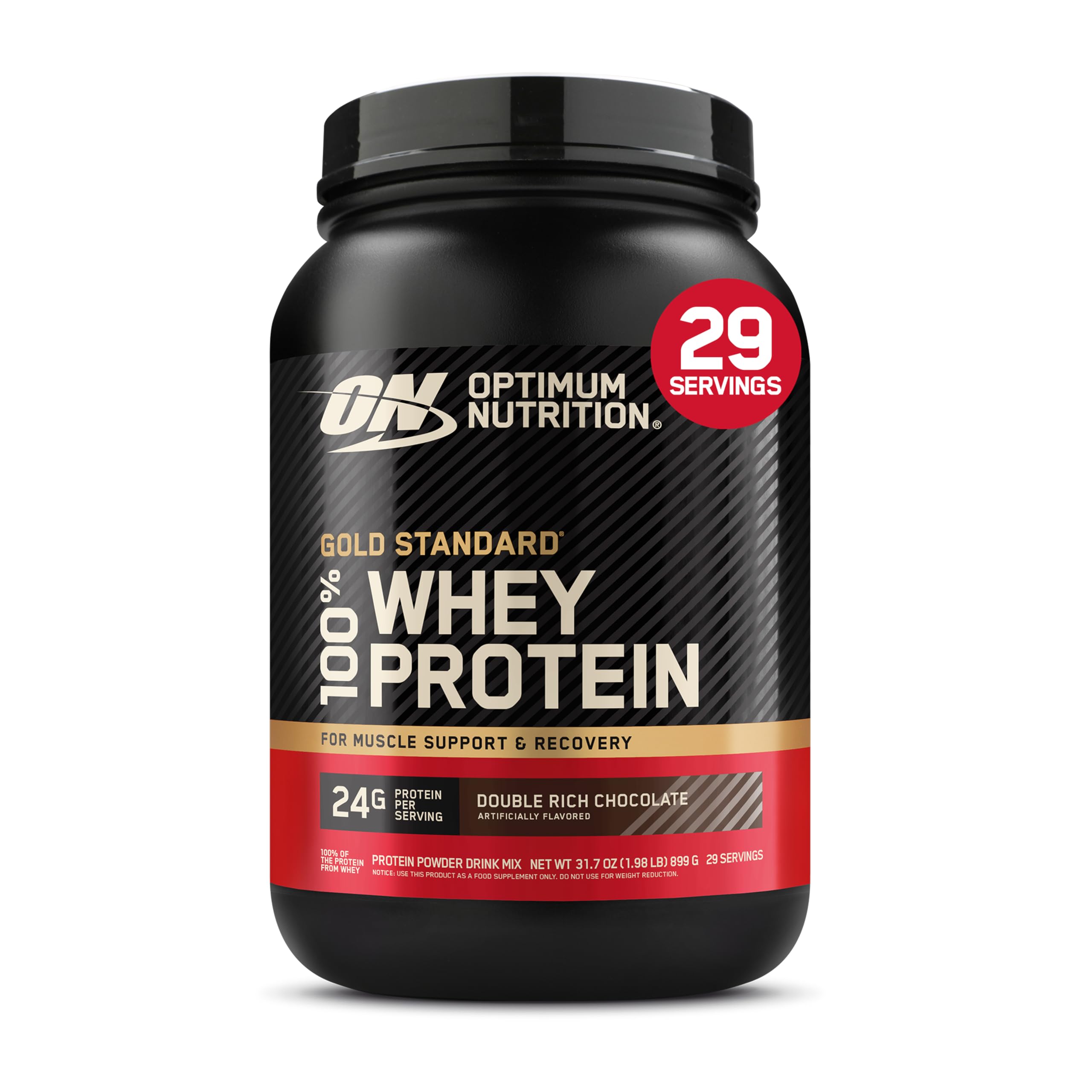
Optimum Nutrition Gold Standard Whey

93 /100
Trail Score Outstanding

Key details

BCAAs
0.19 oz
Container Size
2 lb
Protein Source
Whey isolate and concentrate
Protein Per Serving
0.85 oz
Check Price on Amazon

Twenty-four grams of protein and 5.5 grams of BCAAs per scoop is the arithmetic that puts this tub at the top of our list, but the reason we keep recommending it is duller: it behaves the same way every time. One scoop, six to eight ounces of water, twenty seconds of shaking, and the shaker comes out smooth with no grit at the bottom. The protein comes from whey isolate and concentrate together, which keeps the price sane without dropping below the 20-gram mark that makes a scoop worth counting.

Double Rich Chocolate is the flavor we reached for most. It is sweet without being syrupy, closer to a thin milkshake than the chalky, vitamin taste that makes people abandon a tub halfway through. What stood out over a few weeks was how little thought it took. Nothing about the routine is a chore, and that matters more than any single number on the label when the goal is protein every single day.

One thing to know before you buy: the concentrate half carries lactose. If dairy leaves you bloated, this is not your tub, and an isolate like Dymatize ISO100 does the same job with most of the lactose filtered out. Everyone else can treat this as the safe default, with a flavor range wide enough to rotate and a scoop that never needs a blender.

Pros

  • Mixes smooth in a shaker, no clumps
  • 24g protein and 5.5g BCAAs per scoop
  • Taste holds up as a daily habit
  • Wide flavor range to rotate through

Cons

  • Two-pound tub goes fast at a daily scoop
Our verdict

For most people building muscle, this is the tub we hand over: 24 grams of protein, 5.5 grams of BCAAs, and a shake that smooths out in a bottle in about twenty seconds.

Check Latest Price
2

Best Whey Isolate

Dymatize ISO100

93 /100
Trail Score Outstanding

Key details

Sugar
0.04 oz
Calories
Under 120
Protein Source
Hydrolyzed whey isolate
Protein Per Serving
0.88 oz
Check Price on Amazon

The first thing you notice is the air gap. The powder sits far below the fill line and the tub feels lighter than a five-pound container should. That is a packaging convention more than a formula problem: net weight is printed on the label, and weighing a sealed tub against it is the only check that tells you anything. What is inside is a very fine, fast-dissolving hydrolyzed isolate, which is exactly why it packs down in transit.

Twenty-five grams of protein, a gram of sugar, a gram of fat and under 120 calories makes this the leanest scoop in the group. That is the point of an isolate: you pay for protein and very little else, which is what you want in a cutting block or a diet where every hundred calories has to earn its place. The Fruity Pebbles flavor is ridiculous in the best way, tasting like the milk at the bottom of a cereal bowl, and it mixes thin in water rather than turning into a milkshake.

So this is our pick when the goal shifts from gaining to leaning out, and for anyone who likes whey but not the bloat that rides along with concentrate. It also asks more of your wallet than anything else here, and that is the honest trade: you are buying filtration and a bigger tub, not a better workout.

Pros

  • Leanest macros in this group
  • Hydrolyzed isolate for fast absorption
  • Mixes thin in water, no milkshake heaviness

Cons

  • Highest upfront cost of the picks here
Our verdict

Buy this one when you want the most protein for the fewest calories and lactose is a problem, but budget for the premium and do not judge the tub by its fill line.

Check Latest Price
3

Best-Tasting

BSN Syntha-6

95 /100
Trail Score Outstanding

Key details

Fiber
0.21 oz
Sugar
2-3g
Protein Source
Six-protein blend with casein
Protein Per Serving
0.78 oz
Check Price on Amazon

If there is a half-finished tub in your cabinet that you stopped drinking in February, this is the powder that fixes that. Syntha-6 is the best-tasting option here by a clear margin: a six-protein blend with 6 grams of fiber that goes down like a thick milkshake rather than a supplement. We think flavor deserves more weight in this decision than it usually gets, because a powder you avoid is worth zero grams of protein whatever the label claims.

What the flavor costs is density. Twenty-two grams per scoop is on the low end of this group, and the blend of whey concentrate, isolate, calcium caseinate, micellar casein, milk protein isolate and egg albumin makes a heavier drink than a straight isolate, with the fiber and 2 to 3 grams of sugar adding to the body. Between meals or after a lift that is a fair trade; as a lean cut it is not, and the milk and egg proteins rule it out for dairy-free buyers.

It also stirs with a spoon. No blender, no shaker ball, no clumps at the bottom of the glass, which is more than most powders here can claim and the reason this is the tub we hand to someone who travels or keeps a scoop in a desk drawer.

Pros

  • Tastes like a real milkshake
  • Stirs with a spoon, no shaker needed
  • 6g fiber per serving
  • 48 servings per tub

Cons

  • 22g protein per scoop is low for this group
Our verdict

If you have a shelf of powders you stopped drinking, this is the fix: flavor good enough to keep the habit going, in exchange for fewer grams per scoop than the isolates.

Check Latest Price
4

Best for Nighttime

Optimum Nutrition Gold Standard Casein

93 /100
Trail Score Outstanding

Key details

EAAs
0.32 oz
Protein Source
Micellar casein
Magnesium And Zinc
85mg magnesium and 11mg zinc
Protein Per Serving
0.85 oz
Check Price on Amazon

Casein is not a better whey; it runs on a different schedule. Micellar casein digests slowly, which is why the useful slot for it is the half hour before bed or a long stretch between meals, when you want 24 grams of protein arriving gradually rather than all at once. That is the entire argument for owning a second tub, and this is the one we point people toward.

Drinking it is a different experience. Mixed at the usual ratio it lands thick, closer to pudding than a shake, so give it more liquid and more time in the shaker than feels reasonable. Chocolate Supreme is good enough that the thickness reads as a feature rather than a compromise, and 85 milligrams of magnesium with 11 milligrams of zinc is a small bonus most whey powders do not offer.

Between meals it earns its keep too. Twenty-four grams of slow protein does more to shut down an afternoon of snacking than a whey shake, and the 9 grams of essential amino acids cover the recovery side while it is at it.

Our advice is to buy it as a second tub rather than a replacement, and specifically if you train in the evening and wake up hungry. The slow release is doing real work overnight that a fast whey cannot replicate.

Pros

  • Slow-digesting micellar casein
  • 24g protein and 9g EAAs per serving
  • Keeps you full through the night

Cons

  • Not a fast-absorbing post-workout choice
Our verdict

Buy this as a second tub if you train late and wake up hungry: 24 grams of slow micellar casein that keeps working long after a whey shake would be finished.

Check Latest Price
5

Best for a Bigger Protein Hit

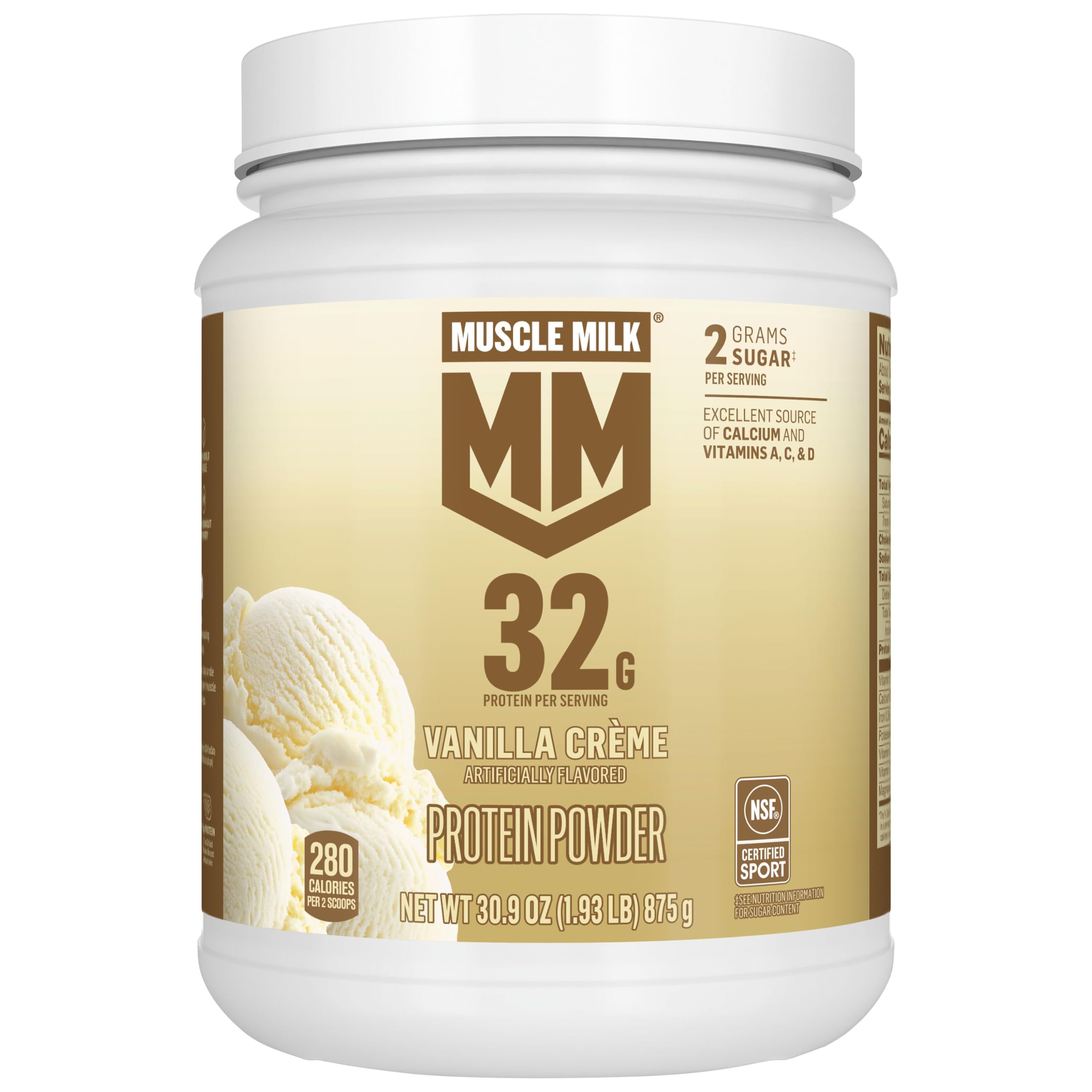
Muscle Milk Genuine Protein Powder

93 /100
Trail Score Outstanding

Key details

Sugar
0.07 oz
Certification
NSF Certified for Sport
Protein Per Serving
1.13 oz
Servings Per Container
12
Check Price on Amazon

Thirty-two grams is the biggest single serving in this group, and it is the reason this tub has a place. The number comes with a condition worth knowing before you compare it to a 24-gram scoop: it takes two scoops to reach it, so you are measuring out twice the powder to get the extra protein. Read the serving line that way and the value still holds up.

For the right buyer the trade works. If you are new to supplementing, or you want a serious protein hit without a serious outlay, this is the least expensive way into a daily shake in this lineup, and it is the only pick here carrying NSF Certified for Sport, the certification that matters if you compete under a drug-testing program. Vanilla Creme mixes in water with a shaker and tastes like soft-serve.

Texture is the one place it slips. The vanilla can finish slightly sandy when shaken with plain water, an easy fix with milk, which suits a drink this rich anyway. Blended with a banana or a spoon of peanut butter you will not notice, and that is how we would drink a two-scoop serving regardless.

Pros

  • 32g protein per two-scoop serving
  • NSF Certified for Sport
  • Lowest upfront cost here

Cons

  • Only 12 servings per tub
Our verdict

The biggest protein hit per serving here and the cheapest way into a daily shake, as long as you accept two scoops per drink and a tub that holds about a dozen of them.

Check Latest Price
6

Best Clean-Label

Transparent Labs Grass-Fed Whey

93 /100
Trail Score Outstanding

Key details

Sweeteners
Stevia, no artificial sweeteners
Protein Source
Grass-fed whey isolate
Protein Per Serving
0.99 oz
Servings Per Container
30
Check Price on Amazon

Start with the ingredient line rather than the nutrition panel. No artificial sweeteners, no dyes, no preservatives, sweetened with stevia, and the whey comes from grass-fed, grass-finished American dairy cattle. If you have been buying conventional whey and quietly wondering what else rides along in the scoop, this is the answer to that question.

The protein number is the other reason it is here. Twenty-eight grams per serving is among the highest in this group, from an isolate that mixes light instead of thick: in water it is closer to a flavored drink than a shake, and it disappears into oatmeal and smoothies without changing their texture. Easy on the stomach was our other note, and this is the pick for anyone who blamed whey itself for bloating when concentrate was the real culprit.

Thirty servings at a premium price is the trade. Our read is that the premium is worth it if the ingredient list is the reason you are buying: stevia instead of sucralose, a grass-fed source, nothing to explain away. If you just want 25 grams of protein that mixes clean, Gold Standard gets you there for less.

Pros

  • 28g protein per serving
  • No artificial sweeteners, dyes, or preservatives
  • Mixes light and sits easy

Cons

  • Premium price for a 30-serving tub
Our verdict

Worth the premium if a short ingredient list is why you are shopping: 28 grams of grass-fed isolate, stevia instead of sucralose, and none of the bloating that concentrate brings.

Check Latest Price
7

Dairy-Free Diets

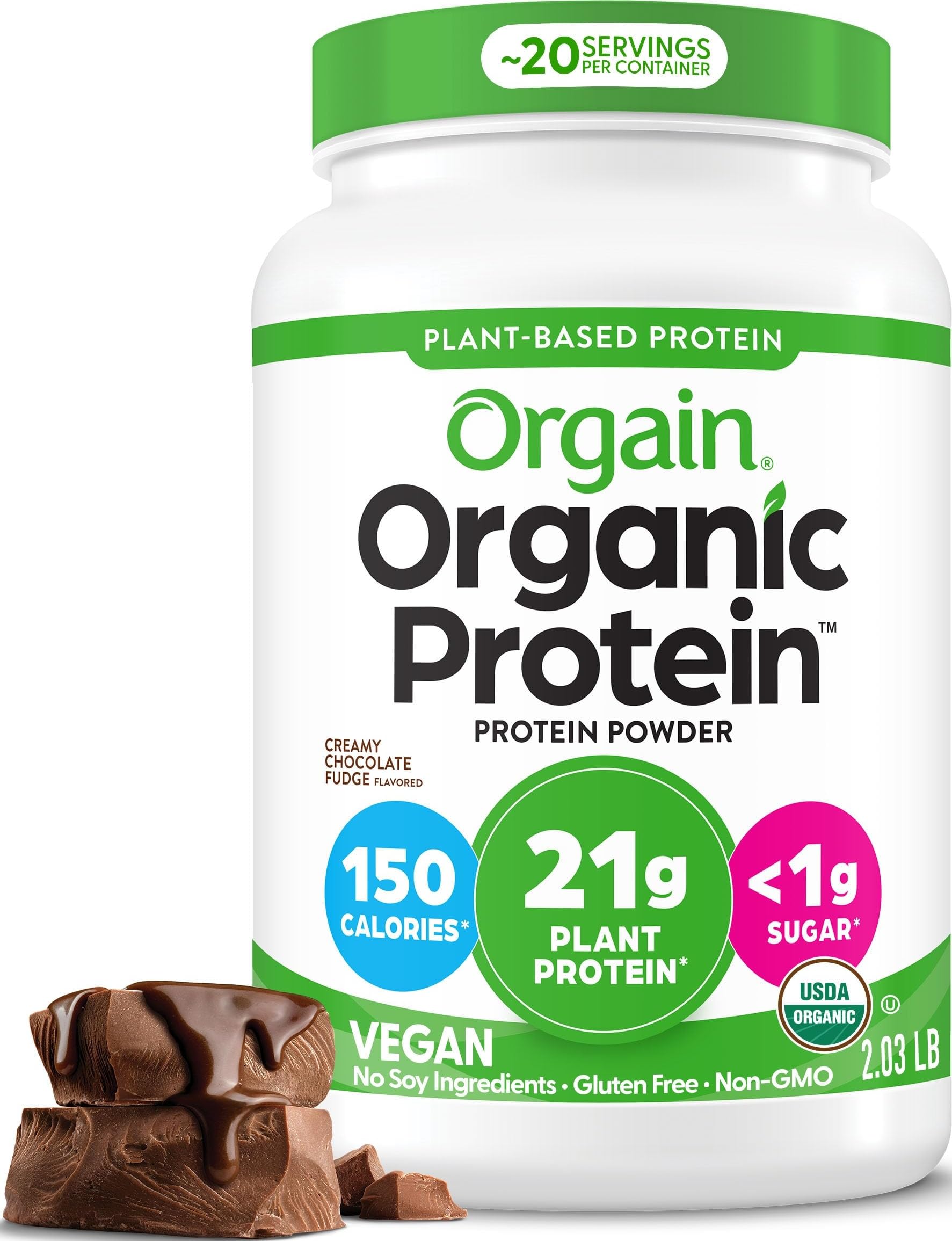
Orgain Organic Vegan Protein

91 /100
Trail Score Outstanding

Key details

Sugar
0g
Certifications
USDA Organic, vegan, non-GMO
Protein Source
Organic pea, brown rice, chia
Protein Per Serving
0.74 oz
Check Price on Amazon

This is the one we hand to dairy-free readers, with a caveat attached: texture is the price of admission. Twenty-one grams of plant protein from organic pea, brown rice and chia gives a complete amino acid profile, with zero sugar, no erythritol, no carrageenan, and USDA Organic certification on top. On paper it is the cleanest label in this group.

In a shaker it is gritty, and no amount of shaking changes that. In a blender with almond milk it turns creamy and the chocolate reads properly; with water it is thin and a little chalky. Sweetness runs high, so use more liquid than the label suggests and taste before you commit to a full scoop.

Plant protein also means less of it per scoop, 21 grams against 24 to 28 from the whey picks, and a slower, grainier drink. For anyone avoiding dairy by necessity rather than preference, those are easy terms. Everyone else gets more protein with less effort from the isolates above.

Pros

  • Complete plant protein from pea, rice, and chia
  • Zero sugar, no erythritol or carrageenan
  • USDA Organic and non-GMO

Cons

  • Lowest protein per scoop in this group
Our verdict

The plant pick we hand to dairy-free readers, as long as they blend it rather than shake it and accept 21 grams per scoop.

Check Latest Price
8

Cooking and Coffee

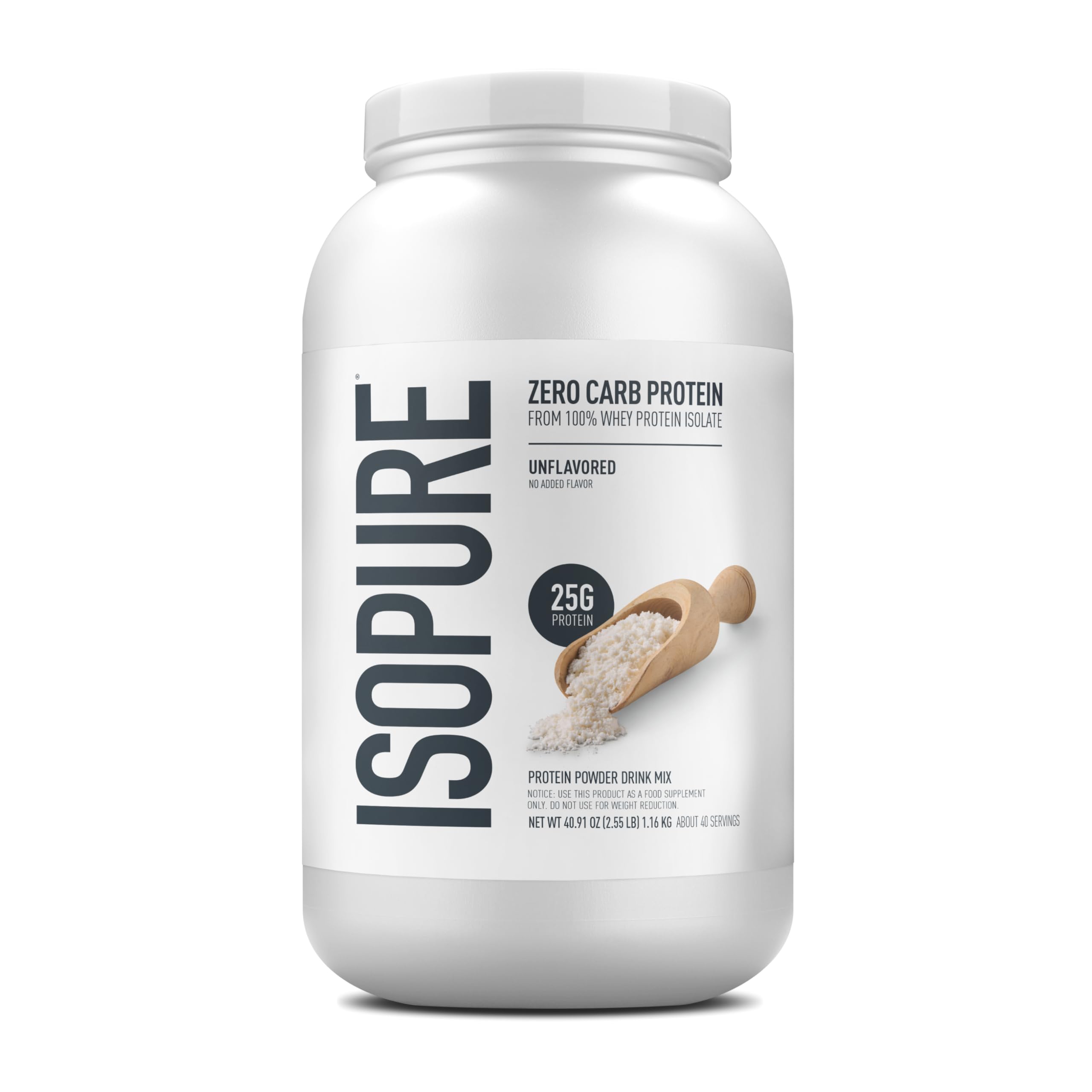
Isopure Zero Carb Unflavored

89 /100
Trail Score Excellent

Key details

Sugar
0g
Flavor
Unflavored
Added Nutrition
20 vitamins and minerals
Protein Per Serving
0.88 oz
Check Price on Amazon

Unflavored does not mean tasteless. There is a dairy note that comes through in plain water, fine when the destination is coffee, a smoothie or a pot of oatmeal and less fine if you are drinking it straight. Everywhere else is where it earns its place: this is the only pick here that genuinely disappears into food.

Twenty-five grams of protein, zero sugar, 5.5 grams of BCAAs and 20 added vitamins and minerals per serving, from an ultra-filtered whey isolate. The pitch is protein without a flavor commitment. Stir it into soup, blend it into a smoothie, or add a scoop to the family's oatmeal without changing the taste of what you are cooking.

Heat is the catch. Tip it into hot coffee or broth and it clumps into something with the texture of cottage cheese, because the proteins bind before they disperse. Make a paste with a little cold liquid first, then stir that into the hot, and it behaves. It is a thirty-second step the tub does not mention, and it is the difference between the powder working and going down the drain.

Buy it if you want protein without another sweet drink in your day, or if you cook with it. Skip it if you want a shake you look forward to: the flavored picks above are better at that and cost less per gram of protein.

Pros

  • Unflavored and unsweetened, zero sugar
  • 25g protein plus 20 vitamins and minerals
  • Disappears into coffee, soup, and oatmeal

Cons

  • Clumps in hot liquid without pre-mixing
  • Premium price for 2.55 pounds
Our verdict

For protein without another sweet drink in your day: 25 unflavored grams that go into coffee, soup, or oatmeal, provided you paste it cold before it meets heat.

Check Latest Price

How We Tested 14 Protein Powders

We started by pulling every option we could find that listed at least 20 grams of protein per scoop, then cut the field by reading labels: protein source and how much of it was isolate versus concentrate, added sugars and fillers, third-party testing seals, and cost per gram of protein rather than cost per tub. That left 14 powders, spanning whey isolates, blends, and a couple of plant options, all bought with our own money.

Testing ran four months and followed our real routines rather than a lab bench. Each powder got shaken with plain water in a 20-ounce shaker straight after training, blended into a morning smoothie with frozen fruit, and stirred into oatmeal on rest days. We counted the clumps left after ten seconds of shaking and checked whether powder was still caked at the bottom, then noted whether the shake went down thin, chalky, or gluey in milk.

Because a flavor can be fine once and unbearable by serving thirty, we scored taste on the first sip and again at the end of the tub, and logged how we felt within two hours and the next morning — bloating, gas, heaviness — which quietly eliminated a couple of concentrates for one tester. We also tracked servings per tub against scoop size and price per gram of protein, since a cheap tub that lasts nine days isn't cheap at all, and noted how the powder held up in the final week, when clumping and caking tend to show.

How to Choose a Protein Powder for Muscle Gain

Protein Type Sets the Timing

Whey isolate and hydrolyzed whey get into the system fastest, which is why they dominate the post-workout shelf. Concentrate is cheaper and carries lactose. Micellar casein gels in the stomach and releases slowly, so it belongs at bedtime. Pea and rice blends cover the full amino profile without dairy, at the cost of a grainier drink.

Pick by when you will actually drink it. Straight after training, an isolate or a whey blend; before bed, a 100 percent micellar casein like Optimum Nutrition's; dairy-free, the Orgain plant blend. One trap: isolate is a filtration level, not a quality grade. You are paying for more protein per gram and less lactose, not a better workout.

Do the Math on Servings, Not Scoops

A 32-gram serving means little if it takes two scoops to reach it. Compare protein per scoop and per calorie first, then look at servings per tub, because 12 servings against 48 changes the real cost of a powder far more than the figure on the shelf tag does.

Our rule: divide what you pay by the number of 25-gram servings you will get, not by pounds of powder. An isolate reaches that in a single scoop; a blend takes more powder for the same protein. Then check calories, since 25 grams of protein under 120 calories leaves room in a cut that a fuller blend does not.

Mixability Is the Daily Test

Instantized whey disperses in a bottle in about twenty seconds. Casein swells into something closer to pudding. Plant blends grit. If the powder is going into a shaker at a desk, mixability decides whether you finish the tub, so it deserves as much weight as the macros.

The trap is temperature. Tip an unflavored isolate into hot coffee or broth and the proteins bind before they disperse, and you get cottage cheese. Paste the powder into a little cold liquid first, then stir that into the hot. And before writing off a gritty formula, try it in a blender: plenty that fail in a bottle are fine with a blade.

Sweetness and Digestion

Which sweetener a powder uses changes the aftertaste more than the macros do. Sucralose reads sharp to some drinkers and clean to others; stevia brings a herbal edge. Neither is a health claim, just a preference you will live with daily.

Bloating usually traces to lactose in whey concentrate rather than to whey itself, so an isolate solves it for most people. Buy the smallest tub first. A 12-serving canister is the cheapest way to find out whether a formula sits right before you commit to five pounds of it.

What the Certifications Actually Cover

They are not interchangeable. NSF Certified for Sport, which Muscle Milk carries, is the one that matters if you compete under a drug-testing program. Banned-substance testing covers a broader screen without the sport-specific audit. USDA Organic is about farming, not protein quality, and grass-fed is a sourcing claim.

Match the certificate to your risk. If you are tested, buy certified and do not guess. If you are not, do not pay a premium for a logo that will not change a single gram of protein in the scoop.

Frequently Asked Questions

Final Verdict

Optimum Nutrition Gold Standard Whey is the tub we point most people to: 24 grams of protein and 5.5 grams of BCAAs per scoop, a shake that smooths out in about twenty seconds, and a flavor lineup you will not tire of by week three. If lactose is the obstacle, Dymatize ISO100 filters most of it out and drops the calories with it.

And if you simply will not drink a chalky shake, buy Syntha-6 and take the lower protein number. A powder you finish beats a better one you do not.