Best Protein Cereal for Weight Loss

Protein cereal looks like an easy swap: same bowl, more protein, fewer net carbs. Then you eat one and find out why the category has a bad name — chalky aftertaste, a texture somewhere between packing peanuts and wet cardboard, and enough sugar alcohols to have you regretting it by mid-morning. The gap between a good box and a bad one is huge, and it rarely comes down to the protein number on the front. What you're actually buying is a bowl that keeps you full until lunch.

Two things I wish someone had told me first: most brands count the milk, so a chunk of that 20-gram headline is dairy rather than grain, and the serving size on the side panel is smaller than any bowl a real person pours. My team and I worked through 18 boxes over four months to find the ones worth the shelf space, and the picks below are the ones I kept reaching for after the photos were taken.

1

Best Overall

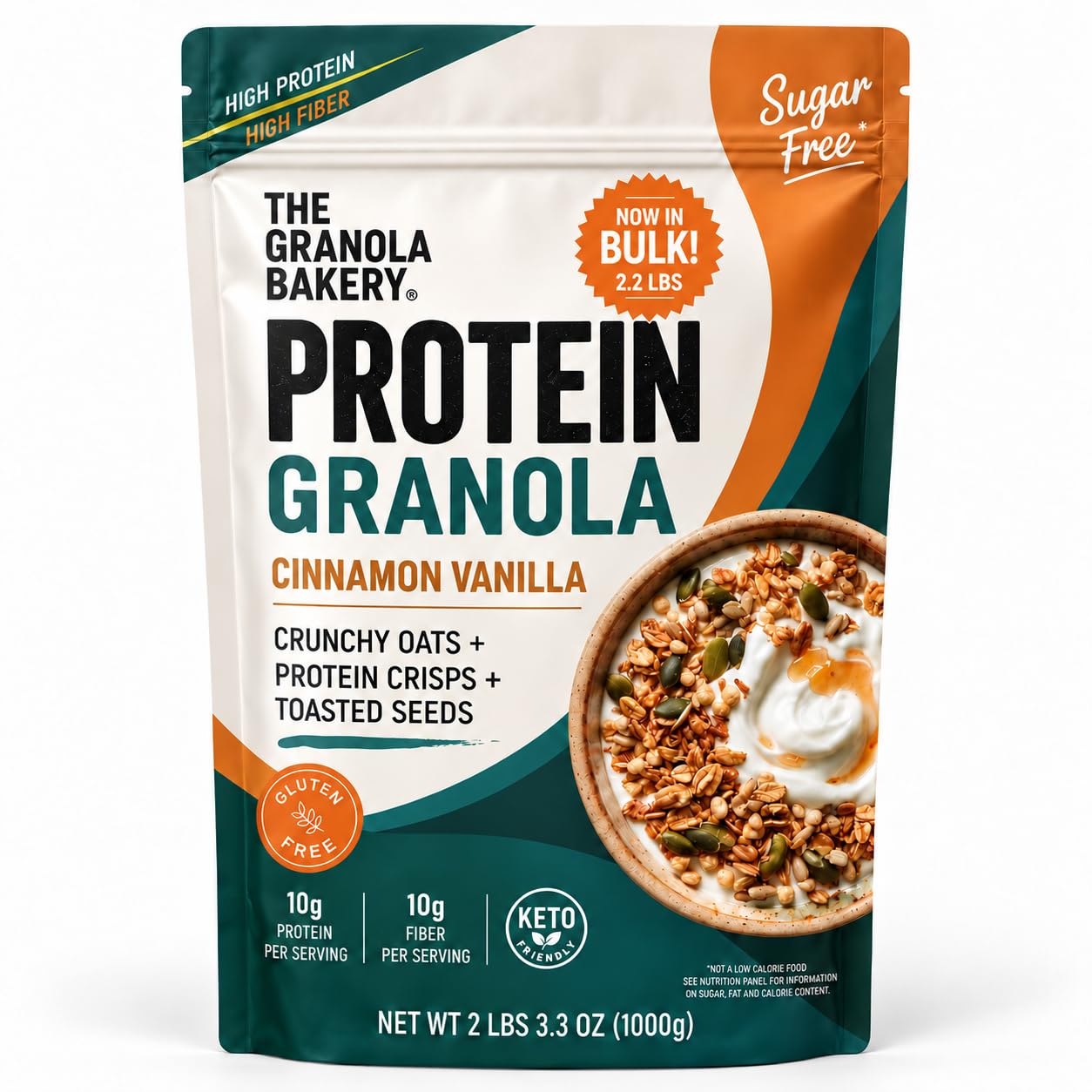
TGB Cinnamon Granola Cereal

91 /100
Trail Score Outstanding

Key details

Sugar
Sugar free
Bag Size
2.2 lb
Fiber Per Serving
0.35 oz
Protein Per Serving
0.35 oz
Check Price on Amazon

Ten grams of protein and ten grams of fiber in the same serving is the pairing that put this bag first. Most high-protein cereals pick a lane: protein powder stirred into something with no bulk, or a fibrous bran that tastes like the packaging it came in. This one does both at zero sugar, and the cinnamon-vanilla flavor is the reason we finished the bag with pleasure rather than duty.

It's a granola rather than a flake cereal, so expect clusters, seeds and protein crisps instead of a uniform spoonful, and expect it to keep its crunch in almond milk long after a flake would have gone soft. The thing to plan for is the serving. Granola portions are small by nature, and the scoop looks stingy next to the bowl you're picturing. Measure it for the first week and you'll know exactly what a bag is worth to you.

Cost is where it gives ground. It's the biggest bag here at 2.2 pounds, but it also runs more per ounce than the budget picks, so a household that goes through cereal fast will feel it. Given how well it holds up in the resealable bag and how little of it a serving actually is, we still think it's the right buy for anyone eating low-carb who wants granola in rotation.

Pros

  • 10g protein and 10g fiber per serving
  • Sugar-free with a real cinnamon-vanilla flavor
  • Holds its crunch in milk
  • 2.2 lb resealable bag, the largest here

Cons

  • Costs more per ounce than the budget picks
Our verdict

Sugar-free, high in fiber, and the bag we actually finish — this is the one for low-carb eaters who want granola back on the breakfast menu.

Check Latest Price
2

Best High-Protein

Premier Protein Mixed Berry Almond

85 /100
Trail Score Excellent

Key details

Add-ins
Dried strawberries, raspberries, sliced almonds
Bag Size
30 oz
Protein Per Serving
0.71 oz
Check Price on Amazon

Twenty grams of protein per serving is more than anything else on this list, and it isn't a token sprinkle — it's the reason a bowl holds us until lunch. The cost is texture. These flakes are dense and they don't soften the way a standard flake does, which we count as a feature when we're eating slowly at the table and as a chore when we're eating standing at the counter.

The berries and almonds turned out to be our favorite part. Dried strawberries and raspberries give it a tart edge that keeps a lightly sweet flake from tasting flat, and the sliced almonds give you something to chew on. The 30-ounce bag is the second-largest package here after the TGB granola, and it sits mid-priced, so the per-bowl math is kinder than the specialty boxes — worth knowing if this becomes a five-morning habit.

Two things to know before you commit. Give it a couple of minutes in milk; that softens the flake without turning it to paste. And if your teeth tire on a hard crunch, this is the wrong pick no matter how good the numbers are — the TGB granola is gentler going down, and it gets you 10 grams of protein with 10 of fiber behind it.

Pros

  • 20g protein per serving, the most here
  • Real dried berries and sliced almonds
  • 30 oz bag at a midrange price

Cons

  • Flakes stay firm; hard chewing for some
Our verdict

When protein is the number you care about, nothing else here comes close: 20 grams a bowl, real berries, and the biggest flake-cereal bag on the list.

Check Latest Price
3

Best Fruity Flavor

Catalina Crunch Blueberry Muffin

86 /100
Trail Score Excellent

Key details

Sugar
Sugar free
Bag Size
8 oz
Fiber Per Serving
6g per 1/2 cup
Protein Per Serving
10g per 1/2 cup
Check Price on Amazon

Blueberry muffin is a big promise from a cereal with no sugar in it, and stevia-sweetened cereals usually taste like the idea of fruit rather than fruit itself. This one lands closer than it has any right to: there's a genuine berry note, the pieces are studded with real blueberries, and the sweetness sits at the level of a muffin rather than a dessert.

What we appreciate most is what it does in milk. The pieces stay crunchy through a whole bowl, which is more than most low-sugar cereals manage, and a serving with milk genuinely holds off the mid-morning trip to the cupboard. The trade-off is hardness — the crunch is close to a biscuit, and if your teeth complain about granola this sits on the firm end. A minute in milk before you start eating softens it without losing the point.

The bag is where we hesitate. Eight ounces is a small package, and at a real bowl — half a cup, not the token pour you start with — it empties quickly. The 10 grams of protein and 6 grams of fiber per serving are honest value for a weight-loss breakfast; the packaging isn't. If blueberry muffin is the flavor that gets you out of bed, plan on keeping two bags.

Pros

  • 10g protein and 6g fiber with no sugar
  • Tastes like a blueberry muffin
  • Stays crunchy through a bowl of milk
  • Gluten free and Non-GMO Project verified

Cons

  • Small bag that empties fast at a real serving
Our verdict

A sugar-free cereal that tastes like the thing it's named after, with the protein and fiber to back it up — we buy it for the flavor and stay for the numbers.

Check Latest Price
4

Best Keto-Friendly

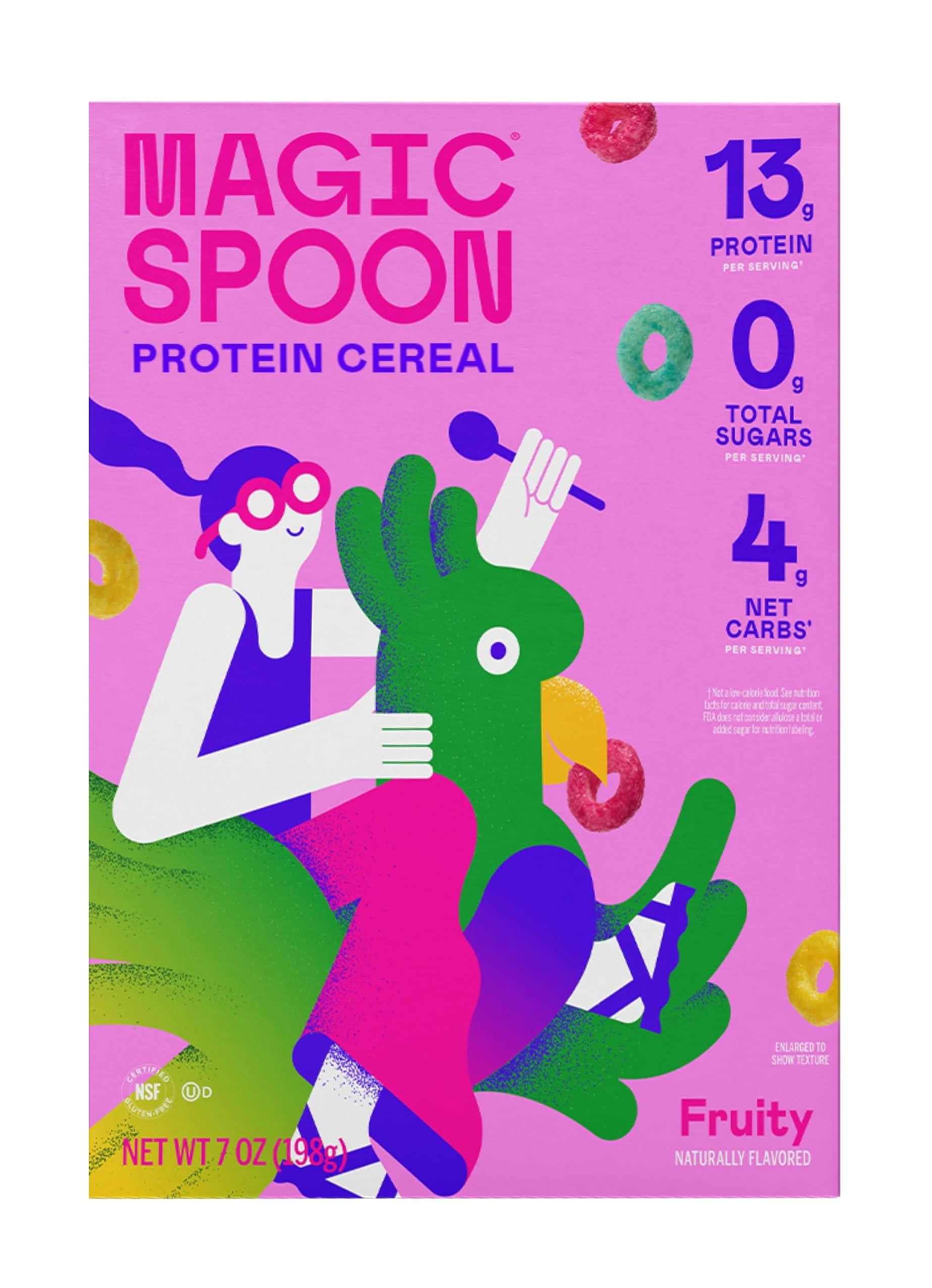
Magic Spoon Fruity

86 /100
Trail Score Excellent

Key details

Sugar
0g
Box Size
7 oz
Net Carbs
0.14 oz
Protein Per Serving
0.46 oz
Check Price on Amazon

The box is the first thing you notice: seven ounces, roughly half a standard cereal box, and a handful of bowls if you're honest about serving size. What's inside is the nearest thing on this list to the cereal you grew up with — fruity, sweet, ring-shaped, with far less of the aftertaste that hangs around low-carb cereals.

The macros are the real argument. Thirteen grams of protein, zero sugar and four grams of net carbs per serving make it the easiest of these to slot into a keto day, and the rings hold their crunch in milk instead of collapsing into grit halfway down the bowl. It's grain-free and gluten-free as well, which not every cereal in this bracket manages.

Whether it earns a place comes down to who's eating it. For a keto eater who misses fruity cereal, it's the best answer here. For a family filling a shelf, the box is gone in a weekend — measure the serving instead of pouring, and you'll get closer to a week of breakfasts out of it. That single habit is the difference between this being a treat and being a grocery staple.

Pros

  • 13g protein, 0g sugar, 4g net carbs
  • Tastes like a fruity kids' cereal
  • Holds its crunch in milk
  • Grain-free and gluten-free

Cons

  • Sticks to teeth and leaves a film
  • Priciest per bowl of anything here
Our verdict

The closest thing here to the fruity cereal you miss, with macros that fit a keto day — worth it if you measure, expensive if you pour.

Check Latest Price
5

Best Budget

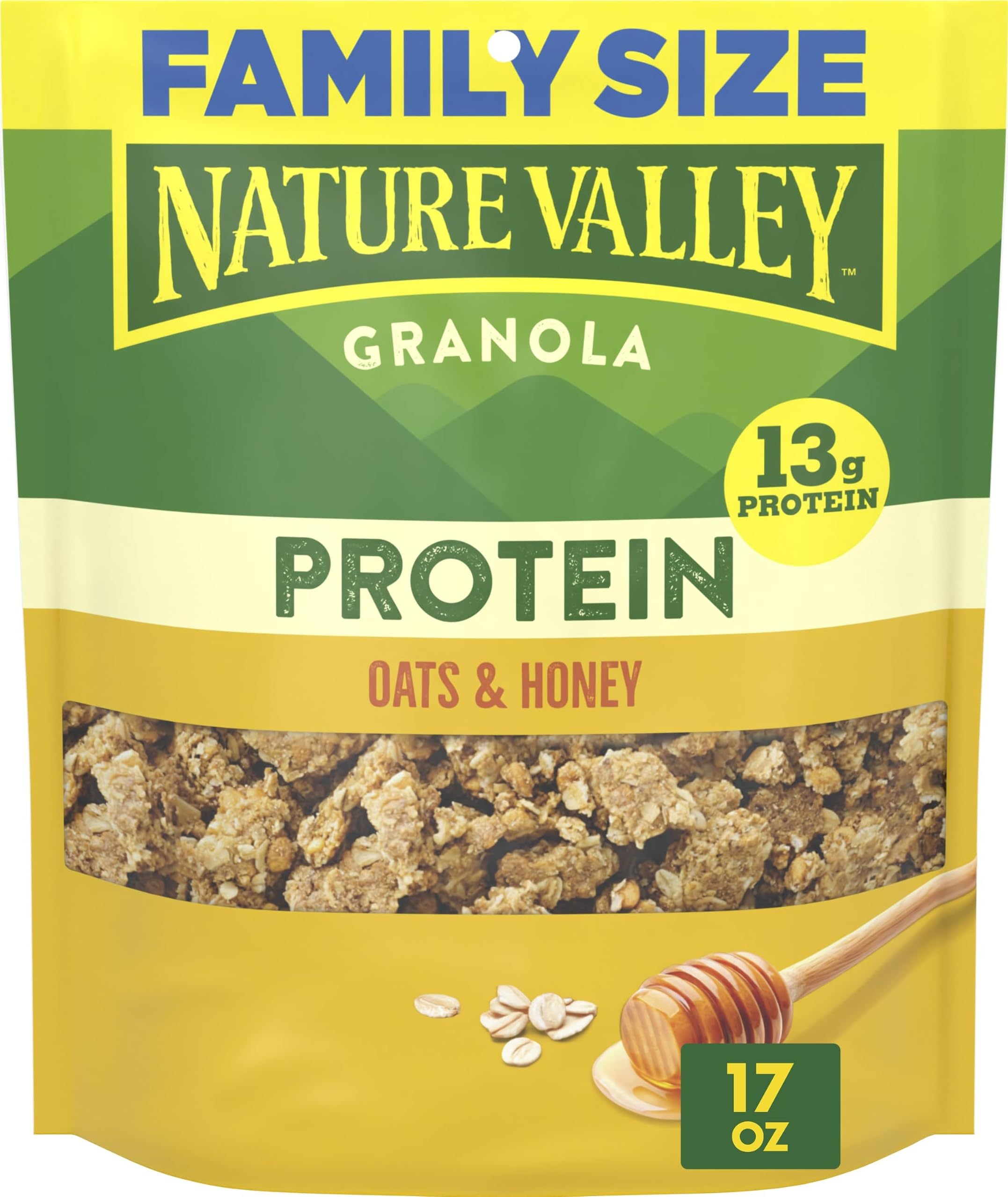
Nature Valley Oats & Honey Protein Granola

94 /100
Trail Score Outstanding

Key details

Bag Size
17 oz
Whole Grain
33g per serving
Protein Per Serving
13g per 2/3 cup
Check Price on Amazon

This bag sits at the low end of the price range here, and it's the one we reach for most often — not as a bowl of cereal but as a scoop on top of plain Greek yogurt with berries. Honey and oats, big crunchy clusters, and a family-size pouch that costs less than a single specialty box. If you aren't ready to spend premium-cereal money on breakfast, this is where to start.

Two-thirds of a cup gives you 13 grams of protein and 33 grams of whole grain, which is a real breakfast rather than a garnish. It's also the most flexible bag on the list: the clusters hold their shape in yogurt and soften just enough in milk, and we used it far more often as a topper than as a poured bowl. That's the honest serving strategy too — a smaller scoop over yogurt keeps the portion in check while the protein and whole grain do the work.

The catch is that honey is the point. This is a sweetened granola, not a sugar-free one, so nobody should treat a heaped pour as a low-calorie bowl. Read the panel, keep the scoop to the stated serving, and it earns its place as the value pick here. If you need zero sugar, this isn't your bag — the TGB and Catalina picks are.

Pros

  • Lowest-priced granola here
  • 13g protein and 33g whole grain per serving
  • Clusters hold up in yogurt
  • No artificial flavors or colors

Cons

  • Pouch zip does not always seal tight
Our verdict

Cheap, crunchy and easy to work into yogurt — the bag we start with when someone wants more protein at breakfast without changing how they shop.

Check Latest Price
6

Family Breakfasts

Cheerios Protein Cinnamon

89 /100
Trail Score Excellent

Key details

Box Size
15 oz
Whole Grain
12g per serving
Protein Per Serving
0.28 oz
Check Price on Amazon

Some households need one box everyone will eat, and this is that box: cinnamon-dusted O's, familiar enough that a picky kid won't negotiate, with eight grams of protein from oat and pea protein worked into the dough. It's the one pick here we'd call a family cereal first and a protein cereal second.

What it does well, it does reliably. The O's stay crisp in milk, the cinnamon is present without being a flavor bomb, and 12 grams of whole grain plus a gluten-free recipe make it a reasonable everyday bowl. Eaten dry by the handful it's a decent snack that doesn't leave you hunting the cupboard an hour later.

Eight grams is the lowest protein count on this list, though, and it's a long way from the 20 you get from Premier. That's the honest limit of this box: it does the job of a cereal, not the job of a protein cereal. We keep it on the shelf for the household and keep our own breakfast to the picks above — if you're the one trying to lose weight, this is the box everyone else finishes.

Pros

  • Familiar flavor kids will eat
  • 12g whole grain and gluten free
  • Stays crisp in milk

Cons

  • Added sugar undercuts a weight-loss bowl
Our verdict

A dependable, kid-friendly box with a modest protein boost — buy it for the household shelf, not as the cereal that carries your weight loss.

Check Latest Price

How We Tested 18 Boxes of Protein Cereal

We started by reading a lot of side panels. Boxes got cut if the protein came almost entirely from a dusting of added isolate, if the ingredient list ran noticeably longer than the aisle average, or if a single serving carried more sugar than a granola bar. From there we kept a spread of styles — flakes, puffs, clusters, and granola-type mixes — across a range of price points, and bought 18 boxes to eat through.

Testing happened where cereal actually gets eaten: at my kitchen counter before work, dry from a bag at my desk, and in a bowl after weekend runs. We weighed every label serving on a kitchen scale, then poured the amount a person really pours, and logged calories, net carbs, and protein for both. Each box was eaten with cold 2 percent milk and straight out of the bag, because a cereal that only works drowned in milk is one you'll stop buying.

Taste and texture were judged on the first three bites and the last three, since a sweet cereal often turns dusty or metallic near the bottom of the bowl, and we timed how long flakes stayed crisp before collapsing into mush. We noted whether hard clusters scraped gums or left bits wedged in molars, how much chewing a dry handful demanded, and whether anyone felt bloated or gassy in the two hours afterward — maltitol and allulose showed up often and did not go unnoticed. Finally, we calculated cost per gram of protein rather than cost per box, since a cheap box holding a thimble of protein isn't a bargain.

How to Choose a Protein Cereal for Weight Loss

Start With Protein Per Serving, Then Read the Serving Size

A protein claim means nothing until you know the scoop it's measured in. Half a cup of cereal and two-thirds of a cup of granola are very different amounts of food, and a cereal that hits its number in a quarter-cup is a cereal you'll eat three servings of. Read the two figures together or the comparison is fiction.

We prefer 10 grams in a serving we'll actually pour over 20 grams in one that leaves us hunting the cupboard an hour later. Then compare bags by how many bowls each one gives you, not by the number printed in the biggest type.

Sugar, Sweeteners and What's Really in the Bowl

For weight loss the sugar line matters as much as the protein line. Honey-sweetened granola can be a perfectly good breakfast and still not be a low-sugar one, and the sugar-free picks here lean on stevia, monk fruit or sugar alcohols to get sweet without the sugar. Stevia and monk fruit read as a cooling aftertaste to some of us and disappear entirely to others; sugar alcohols are the ones more likely to bother a sensitive stomach.

If you're new to either, buy the smallest size first and eat it three mornings running. A bag you don't finish is the most expensive cereal in the aisle.

Fiber Is the Number Most Shoppers Skip

Protein gets the label space; fiber does the quiet work of keeping you full until lunch, and the strongest bowls here pair the two. The TGB granola carries 10 grams of each, and Catalina Crunch pairs 10 grams of protein with 6 of fiber per half cup.

If a cereal lists protein and little else, you're probably eating it with yogurt or fruit to make a meal anyway. Count the fiber across the whole breakfast rather than the box alone — a spoonful of seeds or a handful of berries does more than switching brands will.

Crunch, Chew, and How You'll Actually Eat It

Texture decides whether you finish the bag. Flakes that stay firm are a dealbreaker for some of us and the entire point for others; a cereal that holds its crunch in milk beats one that turns to paste in ninety seconds. The dense, high-protein flakes in this category are also the ones most likely to tire your jaw, so it's worth knowing which side of that line you sit on.

Decide up front whether you want a bowl with milk or a topper for yogurt, because a granola built for sprinkling behaves nothing like a flake built for a bowl. Buy the small size, eat it three mornings in a row, then commit to the big bag.

Compare Cost Per Bowl, Not Cost Per Bag

A seven-ounce box and a two-pound bag are not the same purchase, and the sticker hides it. Divide what you pay by the servings you'll genuinely get, using the scoop on the panel rather than the pour you'd like. That math is why the big bags look better the more honestly you measure, and why the premium boxes look worse.

If protein cereal is going to be five mornings a week, buy the format you'll still be eating in a month. The cheapest per bowl is almost always the one you don't abandon.

Frequently Asked Questions

Final Verdict

The Granola Bakery bag is the one we hand people first, and the reason is arithmetic: 10 grams of protein and 10 grams of fiber in the same serving, no sugar, and a bag big enough to outlast the novelty. It costs more per ounce than the budget picks, and for a low-carb eater who wants granola back on the menu, that's still the easiest yes here.

If you want a sweet bowl instead, Catalina Crunch gets you blueberry-muffin flavor with zero sugar and 6 grams of fiber. And if protein is the only number you're optimizing, Premier's 20 grams a serving is the strongest case on this page — just prepare for a flake with some resistance to it.