Best Fiber Supplements for Constipation of 2026

A fiber supplement should do one job: make the bathroom trip less of an event. But the aisle is full of powders that turn into paste, gummies that taste like candy, and capsules that promise regularity without mentioning the bloating. I've learned that the label's fiber content is only half the story—serving sizes vary, and some products pack two scoops into a "serving" that hardly fits in a glass. Over the past five months, my team and I tested 14 fiber supplements to find the ones that soften things up without turning your day into a countdown to the nearest bathroom.

Taste and texture matter more than you'd think when you're supposed to take something daily. Powders clumped in cold water no matter how hard I shook; a few gummies were so chewy they felt like a jaw workout. We also watched for side effects—gas, cramping, bloating—during the first week and again after a month, because a supplement that works but makes you miserable isn't a win. The picks below earned a spot in my morning routine.

1

Best Overall

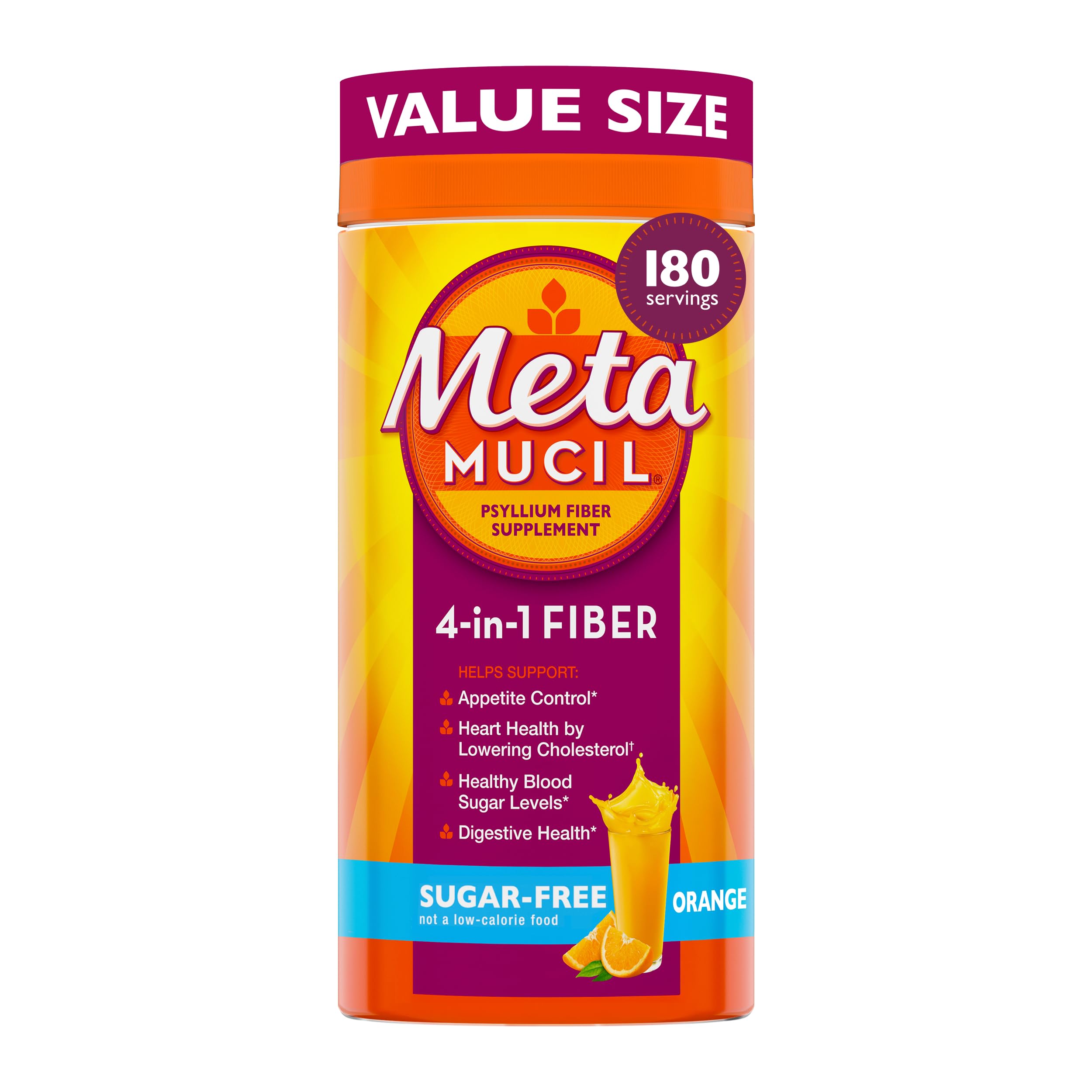
Metamucil Psyllium Fiber Powder

95 /100
Trail Score Outstanding

Key details

Form
Powder
Flavor
Sugar-free orange
Servings
180 teaspoons
Fiber Type
Psyllium husk
Check Price on Amazon

A teaspoon of this stirred into a full glass of water is the closest thing to a default in this category, and it's the one we keep coming back to. Psyllium bulks and gels rather than dissolving away, which is the action you want when stools are hard and infrequent. The orange flavor is genuinely drinkable, and because you measure it yourself, you can start with half a spoonful and build up over a week instead of committing to a full dose on day one.

That dial matters more than it sounds. Capsules and gummies arrive in fixed units; a tub lets you find the smallest dose that works, which is how you avoid the cramping that comes from going from no fiber to a lot of it overnight. At 180 teaspoons, this tub also lasts long enough that the cost per glass lands well under the premeasured sticks and the premium gummies.

The texture is the thing to make peace with. Psyllium starts setting the moment it hits liquid, so stir briskly, drink it straight down, and chase it with another half glass. Leave it on the counter for two minutes and you're spooning pudding. We made it a fixed part of the morning — same glass, same time — and found it far more useful as a daily habit than as an emergency measure after a bad week.

Pros

  • Dose you can dial from half a spoon up
  • Gel-forming psyllium, the bulking fiber
  • 180 teaspoons per tub, low cost per glass
  • Pleasant sugar-free orange flavor

Cons

  • Contains aspartame and maltodextrin
Our verdict

Our pick for most people: a measured spoonful of gel-forming psyllium in a glass of water, in a tub that lasts months and a flavor that's easy to finish.
Check Latest Price
2

Best Value

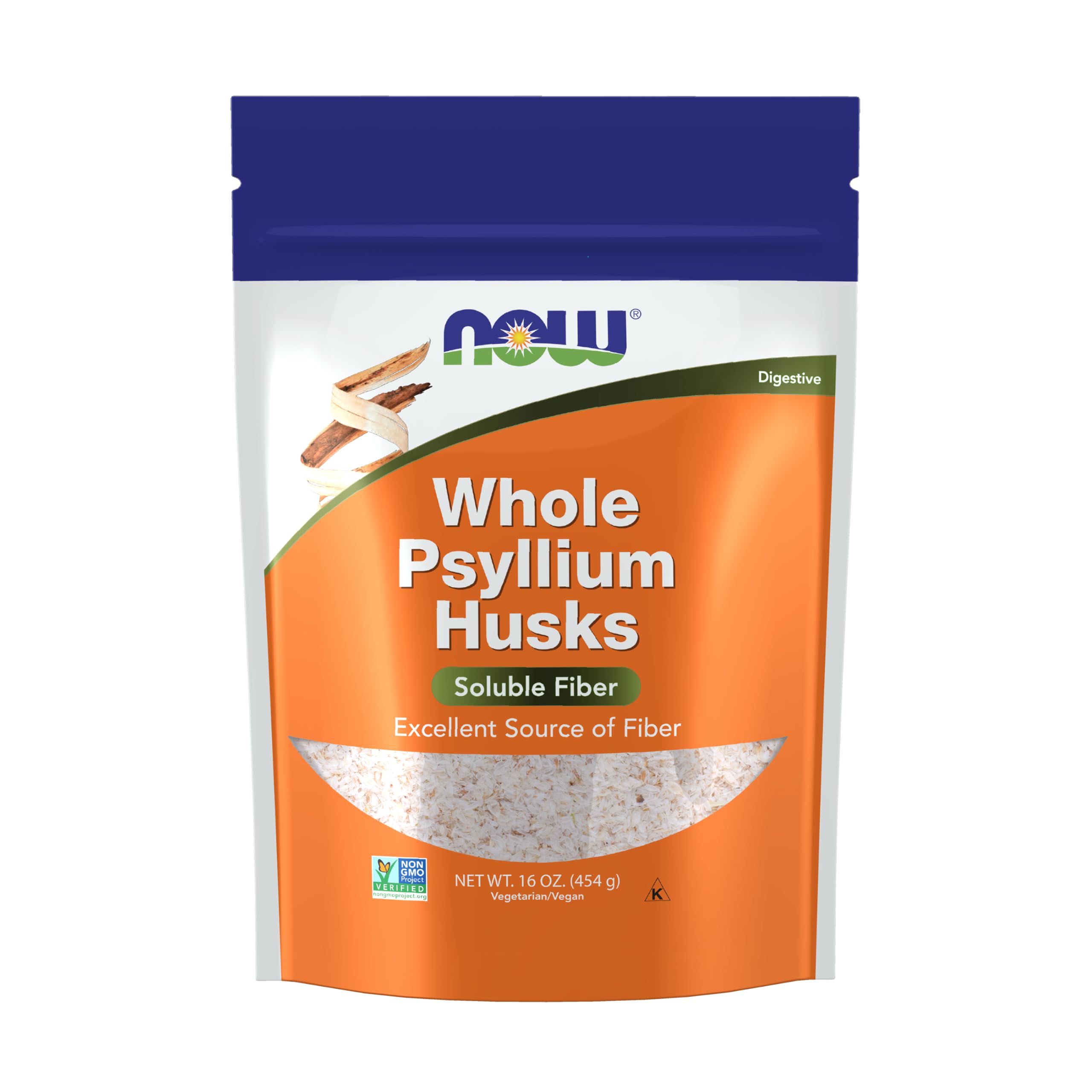
NOW Whole Psyllium Husks

93 /100
Trail Score Outstanding

Key details

Form
Whole husks
Size
16 oz
Fiber Type
Psyllium husk
Soluble Fiber
6 g per tablespoon
Check Price on Amazon

Six grams of soluble fiber per tablespoon, one ingredient on the label, and the lowest cost per serving of psyllium here. There's no orange flavor to tire of, no sweetener, no maltodextrin to look past — which is why this is the bag we reach for when the goal is a full dose with nothing added. A 16-ounce bag lasts months at a tablespoon a day.

What you trade for that is texture. These are whole husks, coarsely ground, so a spoonful in water goes gritty fast and keeps thickening as it sits. Whisking it into at least 12 ounces and drinking immediately is the only way we've found to make it pleasant, and a whisk genuinely beats a spoon, which tends to leave clumps stuck to the side of the glass. In juice or a smoothie the grit is far less noticeable than in plain water.

It's also the least forgiving place to start. The label calls for a level tablespoon, and a level tablespoon is a serious dose — begin with a teaspoon, work up over a week, and drink more water than feels necessary. If the grit is what stops you, a psyllium capsule delivers the same fiber with none of the ceremony.

Pros

  • 6 g soluble fiber per tablespoon
  • Lowest cost per serving here
  • No sweeteners, flavoring, or fillers

Cons

  • Coarse, gritty texture in liquid
Our verdict

The lowest cost per serving of psyllium in this guide: one ingredient, six grams of soluble fiber per tablespoon, and a texture you have to be willing to work with.

Check Latest Price
3

Best for Travel

Benefiber On the Go Stick Packs

95 /100
Trail Score Outstanding

Key details

Form
Stick packs
Count
28 stick packs
Flavor
Unflavored
Fiber Type
Wheat dextrin
Check Price on Amazon

Wheat dextrin is a different tool from psyllium, and it's the first thing to understand about these sticks. It dissolves completely — no gel, no grit, no film on the glass — so a packet disappears into hot coffee, a water bottle, or a cup of yogurt without changing the taste or texture of any of them.

Nothing about it announces itself: no flavor, no sweetener, no color. We've dropped a stick into a travel mug more times than we can count, and it's the only fiber format here that asks nothing of you but a stir. Twenty-eight premeasured packets also mean no scoop in your luggage and no reason to skip a day because the kitchen isn't yours.

Where it falls short is force. Wheat dextrin ferments in the gut and feeds bacteria rather than swelling into bulk, so it's better at topping up a diet that's short on plants than at rescuing a stalled week. That's a fair trade for something you'll actually carry, and the person most likely to be disappointed is the one who needed psyllium and bought convenience instead.

Pros

  • Dissolves clear with no taste or grit
  • Premeasured sticks for a bag or desk
  • Mixes into hot or cold drinks and yogurt
  • No sweeteners or flavoring added

Cons

  • Pricier per serving than powder in a tub
  • 28 sticks go quickly at higher doses
Our verdict

The packet that keeps the habit going away from home: tasteless, grit-free, and it vanishes into coffee, though wheat dextrin is the gentler, slower fiber here.

Check Latest Price
4

Best No-Mix Routine

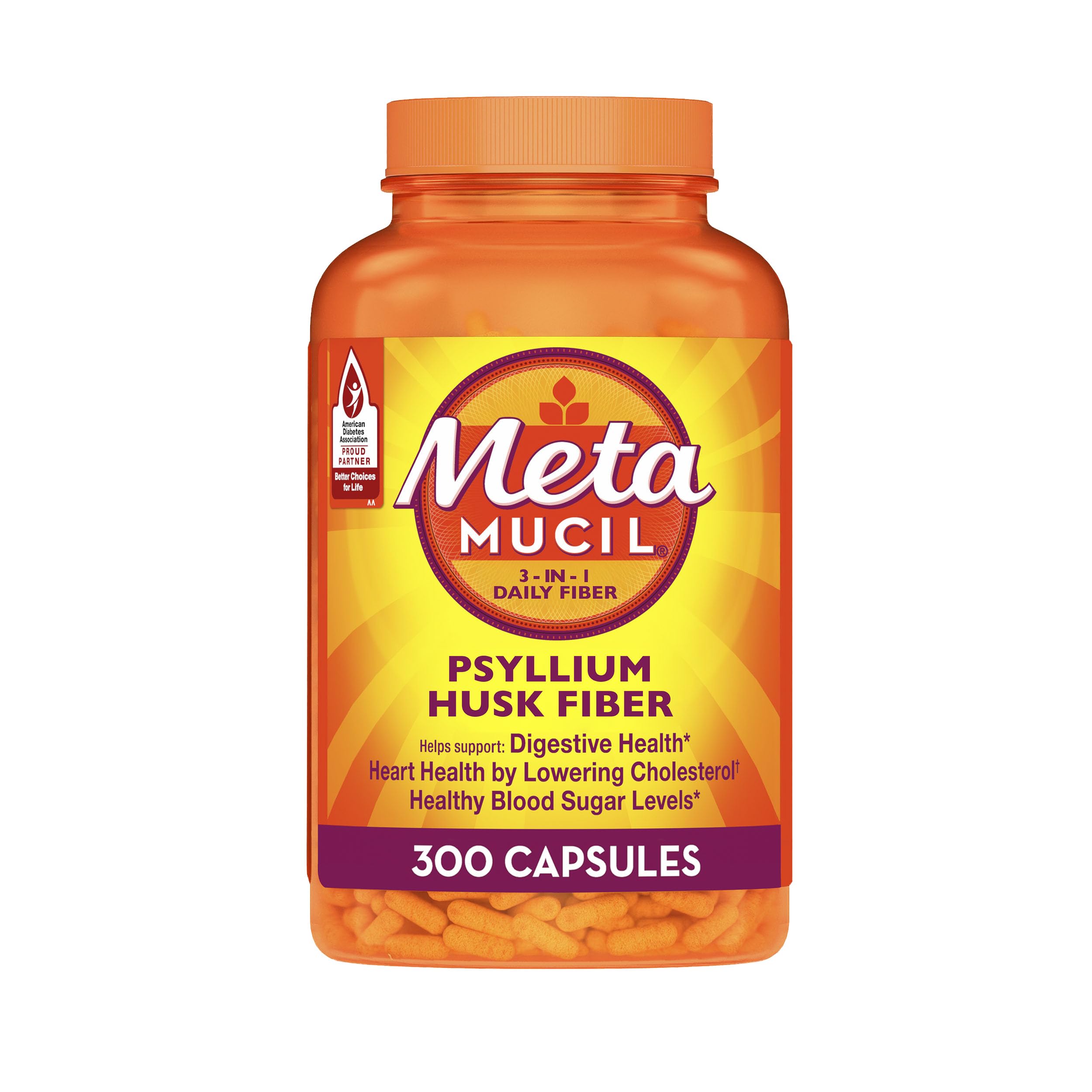
Metamucil Psyllium Husk Capsules

93 /100
Trail Score Outstanding

Key details

Form
Capsule
Count
300 capsules
Fiber Type
Psyllium husk
Labeled Benefits
Digestive, heart, blood sugar
Check Price on Amazon

Everything that makes the powder our top pick is here except the drink. These are plain psyllium capsules with no flavoring and no sweetener, so there's nothing to get tired of and nothing to mix — you swallow them with water and get on with the morning.

Reliability is what we like about them. A capsule removes the two reasons people abandon fiber powders, the texture and the washing up, and the 300-count bottle sits in a work bag or a desk drawer without leaking orange dust into anything. The label's 3-in-1 framing, digestive health plus cholesterol and blood sugar support, is the same psyllium claim the powder makes; the difference between the two products is convenience, not fiber.

The one rule doesn't change: psyllium needs water. Take them with a full glass, follow with another, and don't swallow a handful dry on your way out the door. Beyond that there's not much to manage — no measuring, no gelling, no flavor to develop an opinion about. It's also the version we hand to someone who has already tried the powder and quietly stopped using it.

Pros

  • No taste, no mixing, no cleanup
  • 300 capsules per bottle
  • Same psyllium as our top pick
  • Easy to carry to work or travel

Cons

  • A full dose is several capsules
  • Costs more per dose than the powder
Our verdict

The same psyllium as our top pick with none of the glass: no taste, no stirring, no orange anything — the version to keep in a bag or a desk drawer.

Check Latest Price
5

Best Capsule Value

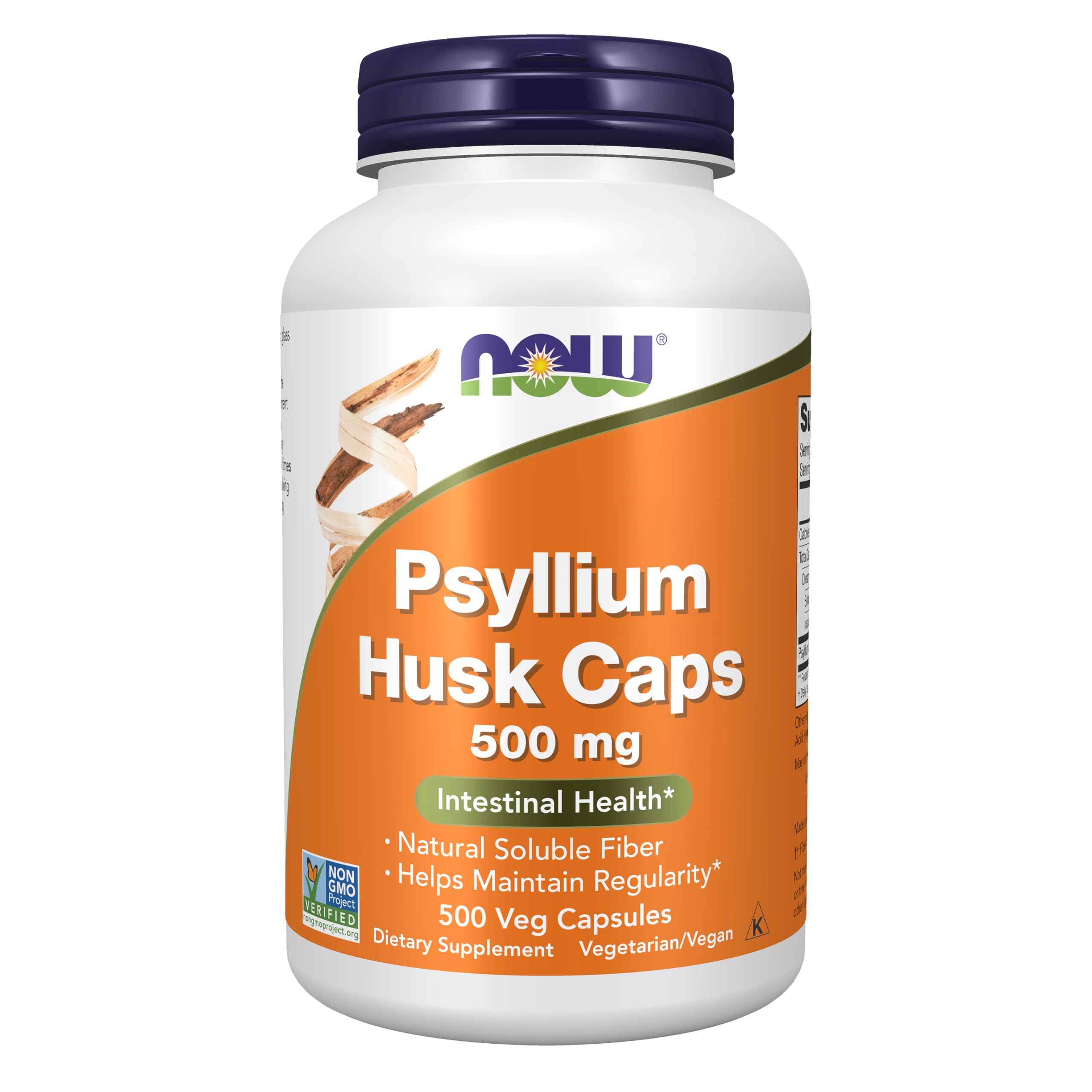
NOW Psyllium Husk Capsules 500 mg

93 /100
Trail Score Outstanding

Key details

Form
Capsule
Count
500 capsules
Strength
500 mg per capsule
Fiber Type
Psyllium husk
Check Price on Amazon

Five hundred capsules, half a gram of psyllium in each, and a label that reads like a checklist: Non-GMO Project Verified, kosher, vegan, made without gluten. It's the biggest capsule bottle here and the plainest, with no flavoring and nothing to mix.

Psyllium is the fiber that swells — the label cites up to 50 times its initial volume in liquid — and that bulking action is what makes it useful for regularity. A capsule just delivers it without the drink, which is the whole appeal if you can't face a thickened glass first thing in the morning.

Value is where this one wins. Per capsule it's the cheapest of the capsule options here, and with 500 in the bottle you're not reordering every month. What you accept is arithmetic: at half a gram each, a full dose is a small handful, and they still need a full glass of water and another after. Set the bottle beside the coffee maker and the handful stops being a decision.

Pros

  • Lowest cost per capsule here
  • Non-GMO, kosher, vegan, gluten-free claims
  • 500 capsules per bottle
  • No flavor, no mixing, no residue

Cons

  • A full dose is a handful of capsules
Our verdict

A 500-count bottle at the lowest cost per capsule here, with the certifications some shoppers look for and no flavor at all to argue with.

Check Latest Price
6

Best Gummy

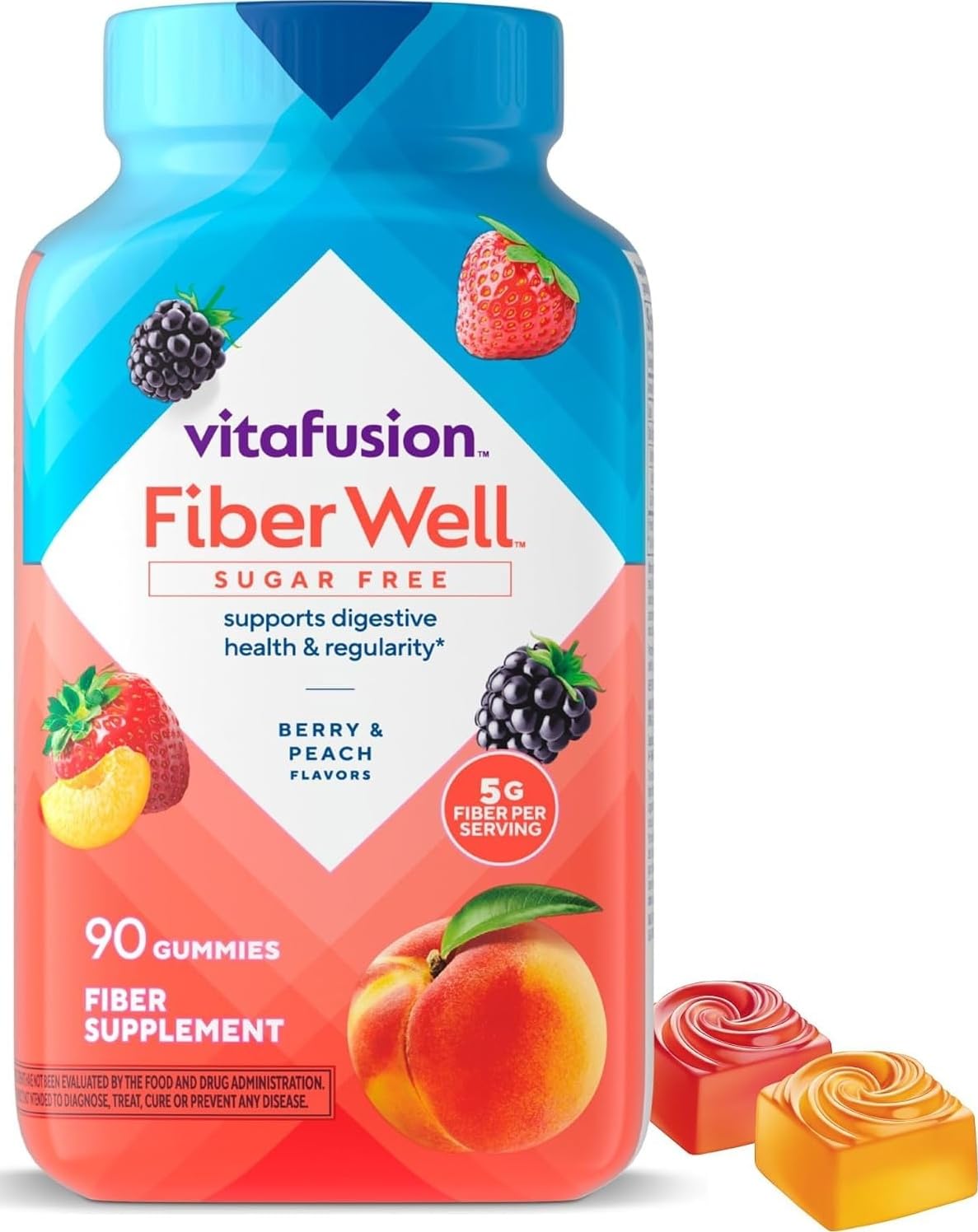
Vitafusion FiberWell Sugar Free

91 /100
Trail Score Outstanding

Key details

Count
90 gummies
Fiber Type
Prebiotic fiber
Daily Serving
2 gummies
Fiber Per Serving
0.18 oz
Check Price on Amazon

Berry and peach, sugar-free, and sweet enough that taking them never felt like a chore — these are the gummies that disappeared fastest. Two deliver five grams of prebiotic fiber and no sugar at all, and at that dose the bottle is a 45-day supply, which makes it one of the least demanding ways here to add fiber to a day.

What keeps it on the list is being clear about what it is. The fiber is prebiotic rather than psyllium, so it feeds gut bacteria and softens things over several days rather than bulking a stool this afternoon. For a diet that's simply short on fiber, that's enough; for a genuinely backed-up week, treat it as support rather than treatment.

The rest is convenience, and it's real: no water, no measuring, no glass to wash, and a bottle that goes in a carry-on without counting against a liquids allowance. That's the trade the gummy format makes — less fiber per serving, more likely to be taken on a Tuesday when you're running late.

Pros

  • 5 g fiber per two gummies
  • No sugar; berry and peach flavors
  • 45-day supply per bottle
  • No gluten, dairy, or synthetic dyes

Cons

  • Firm, chewy texture
Our verdict

The gummy that makes a daily fiber habit feel like a treat: five grams of prebiotic fiber per two, no sugar, and a berry-peach flavor nobody has to talk themselves into.

Check Latest Price
7

Big Capsule Bottle

Kirkland Fiber Capsules

95 /100
Trail Score Outstanding

Key details

Form
Capsule
Count
360 capsules
Fiber Type
Psyllium
Check Price on Amazon

Three hundred and sixty capsules, psyllium inside, and a label that says 'compare to the active ingredient in Metamucil capsules' and not much else. That's the product: bulk-forming fiber in the plainest packaging here.

What we noticed is how little there is to notice. They swallow easily, carry no taste, and the bottle sits in a cupboard for months. As a daily habit for someone who already knows psyllium works for them, that's exactly the right amount of product — nothing to dread, nothing to prepare.

It earns its place as the cheapest psyllium capsule per capsule after the NOW bottle, and the label keeps things plain: daily soluble fiber, bulk forming, no 3-in-1 health claims layered on top. If you want the fiber without the marketing, this is the bottle.

Pros

  • Low cost per capsule
  • 360 capsules per bottle
  • Easy to swallow, no aftertaste

Cons

  • A full dose means several capsules
Our verdict

A no-frills bottle of psyllium capsules that costs less per capsule than the name brands and does the same job, as long as you don't need hand-holding on the label.

Check Latest Price
8

Budget Gummy

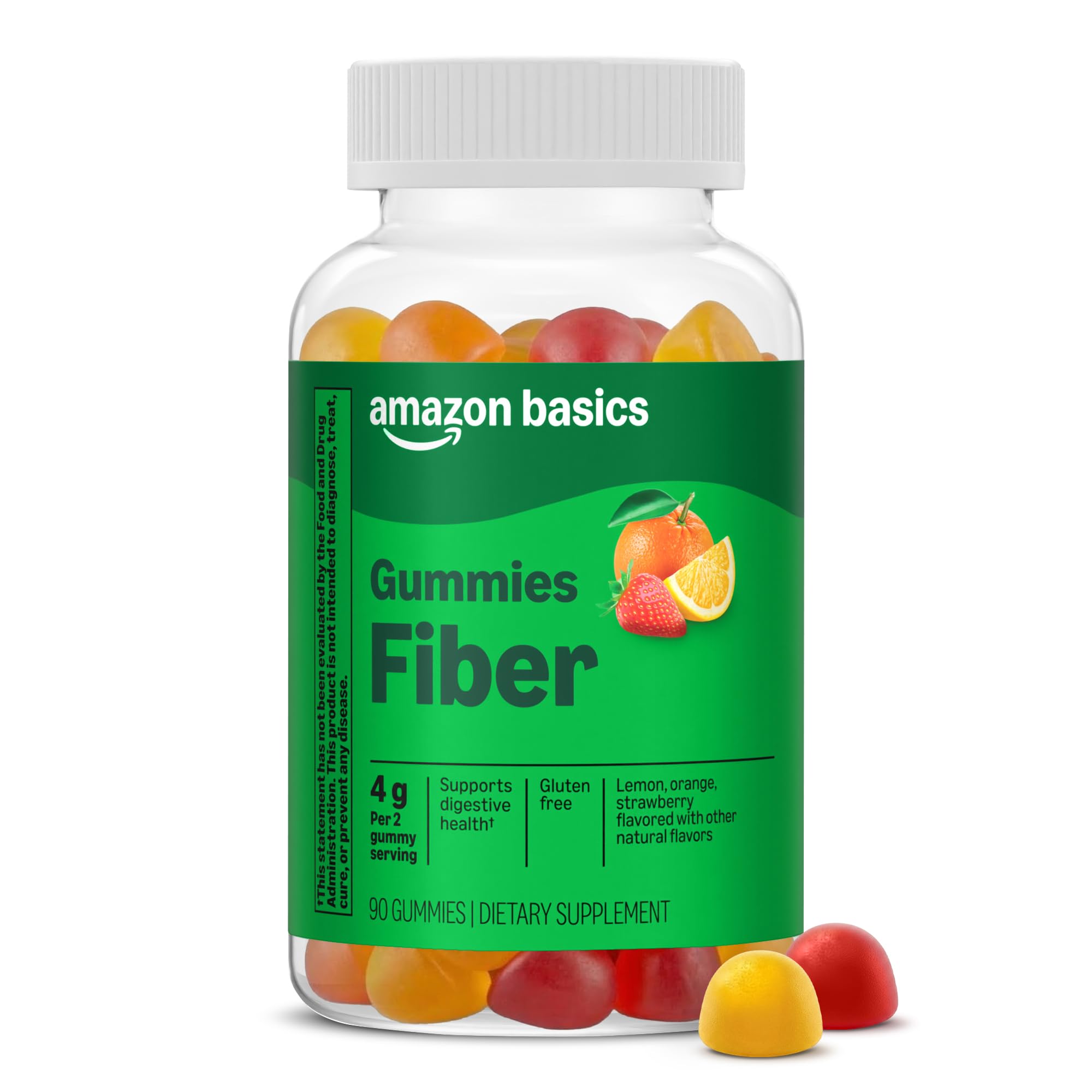
Amazon Basics Fiber Gummies

91 /100
Trail Score Outstanding

Key details

Count
90 gummies
Fiber Type
Chicory root inulin
Daily Serving
2 gummies
Fiber Per Serving
0.14 oz
Check Price on Amazon

Four grams per two gummies is a little less than the FiberWell gummies deliver, and that's the honest way to read this bottle: a top-up rather than a dose. It's also the least expensive bottle here, which makes it an easy way to try a gummy without committing to a premium brand.

The gummies are soft, with orange, lemon, and strawberry sharing one bottle, colored with turmeric, black carrot, and annatto instead of synthetic dyes. They're vegetarian and gluten-free, and two a day is an easy thing to remember.

Chicory root fiber is inulin, which ferments in the gut — that's how it feeds bacteria, and it's also why a full serving can leave you gassy. Start with one gummy for a few days and see how you feel. For real bulk you need psyllium; for a few extra grams a day, this is the cheapest route here and a soft one.

Pros

  • Soft, easy-to-chew texture
  • Three flavors in one bottle
  • Vegetarian, gluten-free, natural colors

Cons

  • Only 4 g of fiber per serving
Our verdict

A soft, inexpensive gummy that adds four grams of chicory root fiber per two — a pleasant top-up rather than a fix for a stubborn week.

Check Latest Price
9

Softest Gummy

Benefiber Fiber Gummies

93 /100
Trail Score Outstanding

Key details

Form
Gummy
Count
126 gummies
Flavor
Citrus Berry Splash
Fiber Type
Inulin
Check Price on Amazon

Citrus Berry Splash, 126 gummies, and the softest chew of the gummies here — closer to a soft jelly than to the firm, rubbery bite fiber gummies often have. Benefiber builds these on inulin, a plant-based prebiotic fiber, which is why the flavor is bright and the texture gentle.

We liked these best of the gummies for a simple reason: we finished the bottle. Texture is what makes a daily gummy sustainable, and a soft chew beats a fiber gram on paper every time. Inulin also feeds gut bacteria rather than bulking, so it's a prebiotic habit rather than a constipation rescue.

The catch is cost. Per gummy this is the most expensive of the gummy options, and a 126-count bottle doesn't stretch as far as the number suggests. If a soft chew is what keeps you consistent, the premium buys something real; if you just want cheap fiber, it doesn't.

Pros

  • Softest chew of the gummies here
  • 126 gummies per bottle
  • Inulin prebiotic fiber
  • No mixing, water, or measuring

Cons

  • Inulin can bloat a sensitive gut
Our verdict

The softest gummy here, in a big 126-count bottle — pleasant to take daily, though it's the priciest gummy per piece and inulin can bloat a sensitive gut.

Check Latest Price

How We Tested Fiber Supplements for Constipation

We started by scanning ingredient labels and serving sizes, then narrowed the field to 14 supplements in powder, gummy, capsule, and chewable form—enough variety to see how each format handled constipation. The shortlist skewed toward products with a clear fiber source, a realistic serving size, and a price that didn't punish daily use. Over five months, I kept one container in my kitchen cabinet and another in my desk drawer at work, so each supplement got tested in the two places people actually take them: at home before coffee and at the office mid-afternoon.

For powders, I mixed each into eight ounces of cold water first, then tried it in coffee and a smoothie; I noted whether it dissolved cleanly, left a gritty film, or thickened into something closer to pudding. Gummies and chewables got judged on chewability and aftertaste, and capsules on how easy they were to swallow with a normal glass of water. Each product was taken daily for at least two weeks, with a simple log for bowel movements, ease, and any gas, cramping, or bloating—first during the adjustment week and again after a month, since digestive side effects often show up late.

We also compared fiber content against serving size, because a product that lists eight grams per serving but requires two heaping scoops is not the same value as one that delivers it in a single scoop. Cost per serving, not sticker price, decided the value question. The products that moved forward were the ones that stayed consistent in texture, didn't leave me feeling heavy or urgent, and were easy enough to keep taking after the novelty wore off.

How to Choose a Fiber Supplement for Constipation

Choose the fiber before the flavor

Three fibers do three different jobs. Psyllium is the bulking one: it absorbs water and swells into a gel, the action most closely tied to softening hard stools and restoring regularity. Wheat dextrin, the fiber in Benefiber's sticks, dissolves clear and ferments instead, feeding gut bacteria; inulin, the base of most gummies, does the same. Fermenting fibers are gentler and good for your gut, but they won't move a stool the way a gel-forming one will.

If constipation is the reason you're shopping, start with psyllium and treat the others as top-ups for a diet that's simply short on plants.

Powder, capsule, or gummy

Powder gives you the most fiber per swallow and the most control — a spoon you can halve while you adjust. Capsules remove the taste and the washing up, but at 500 mg per capsule a genuine dose is a small handful, and the cost per dose runs higher. Gummies are the easiest to take and carry the least fiber: four to five grams per serving, which supplements a day rather than making one.

The trap is counting pieces instead of grams. Two gummies and a tablespoon of psyllium are nowhere near the same amount of fiber, however similar the labels look on a shelf.

Water is half the treatment

Bulk-forming fiber needs liquid to swell and to move, and taking it with a sip is how people end up feeling blocked and uncomfortable. Every psyllium product here directs a full glass; NOW's bag specifies at least 12 ounces. Mix it, drink it before it sets, then drink another half glass.

If you're starting out, use half a dose for the first week. Most of the cramping and gas people blame on fiber comes from going from none to a full scoop in a day.

Read the sweetener line

Sugar-free is not the same as plain. The orange Metamucil powder sweetens with aspartame and includes maltodextrin, a starch-derived filler with a high glycemic index despite the sugar-free banner — worth knowing if you watch blood sugar or avoid artificial sweeteners. Unflavored powders and capsules skip all of it, at the cost of the taste that makes a glass easy to finish.

There's no wrong answer, but decide which matters more to you before committing to a 180-teaspoon tub.

Compare cost per serving, not per bottle

A 180-teaspoon tub and a 28-stick box look like different price brackets until you divide. Per serving, the big psyllium tubs are the cheapest thing in this guide by a wide margin, premeasured sticks and capsules sit in the middle, and the premium gummies cost the most.

Convenience is worth paying for when it's the reason you'll actually keep the habit — but pay for it deliberately, not because one bottle looked smaller at checkout.

Frequently Asked Questions

Final Verdict

The default is a tub of psyllium and a full glass of water, and Metamucil's orange powder remains the easiest version of that habit to keep, with a spoon you can dial down while your gut adjusts. If the drink is the obstacle, the capsules do the same job with nothing to mix; if you're traveling, the Benefiber sticks disappear into coffee without a trace.

The gummies are for adding a few grams to a thin diet — pleasant, convenient, and not a substitute for a real dose when a week has gone badly.