Best Fiber Supplements for Weight Loss of 2026

Fiber doesn't burn fat, but it does something more useful: it slows digestion and keeps you full long enough that a second helping stops looking so tempting. Form matters as much as grams, though — psyllium, inulin, and glucomannan behave very differently in a glass of water and in your gut, and a powder you dread drinking is a powder that stays in the cupboard. That's the gap a good supplement closes: between the fiber you know you should eat and the fiber you actually get on a Tuesday.

Over the past four months, my team and I worked through 14 fiber powders, capsules, and gummies — mixing, sipping, and keeping notes. The gap between them showed up fast: the keepers dissolved clean, tasted neutral enough to drink without bracing, and didn't turn an afternoon into a bloating experiment. One bit of wisdom before you start — half a serving for the first week, then ramp up, because almost every bad fiber story I've heard began with a full scoop on day one. The picks below split by who they suit.

1

Best Overall

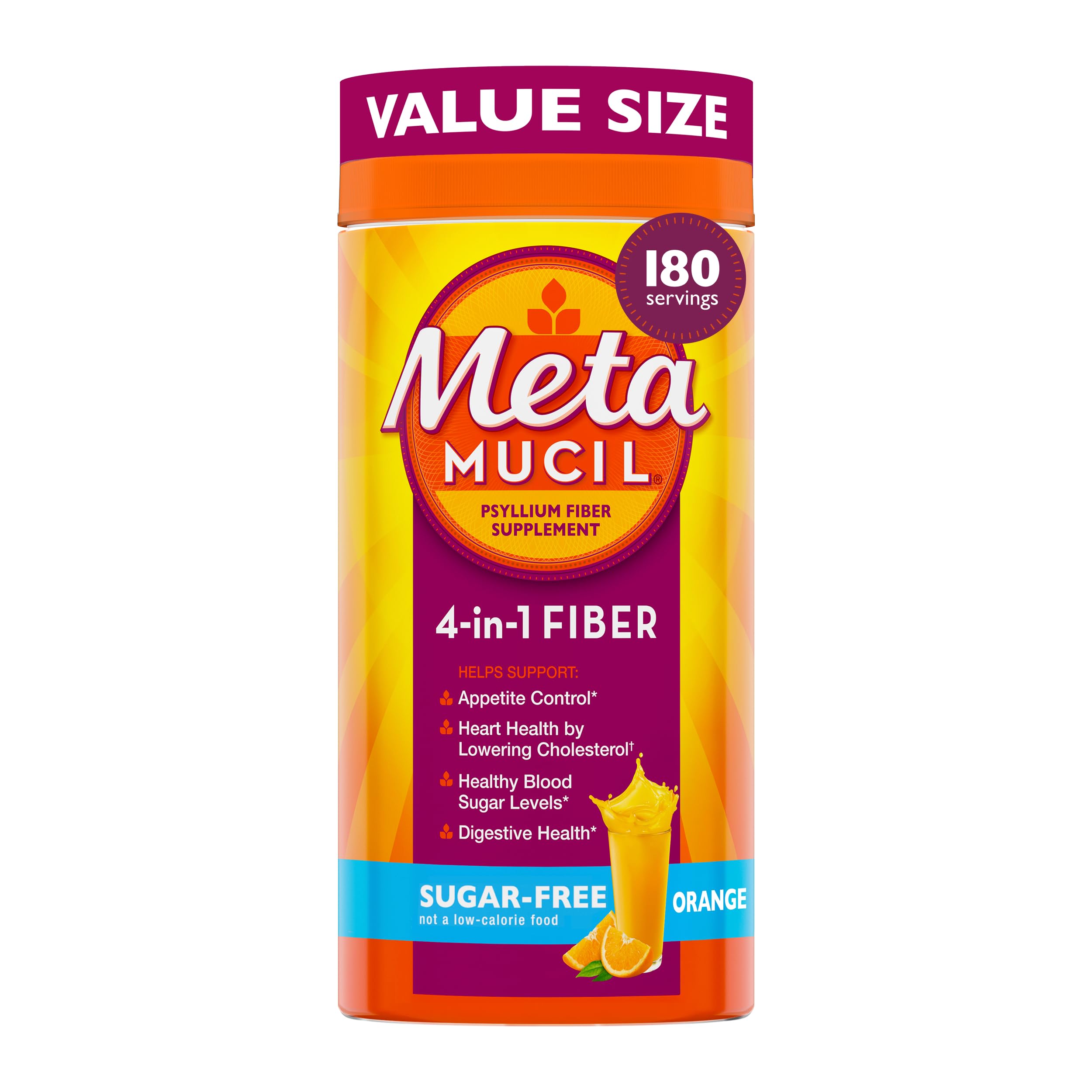
Metamucil 4-in-1 Psyllium Powder

95 /100
Trail Score Outstanding

Key details

Count
180 teaspoons
Flavor
Sugar-free orange
Format
Powder, mix with water
Fiber Type
Psyllium husk
Check Price on Amazon

Four claims sit on the front of this tub — digestive health, cholesterol, blood sugar, and appetite control — and the last one is why it tops this list. Psyllium husk is a gel-forming fiber: mixed with water it swells and thickens, so a glass before dinner gives your stomach something to work with before the food arrives. Metamucil is the one product here that puts appetite control on the label by name.

The orange flavor is what makes the habit survive. Psyllium is a hard sell on its own, and a powder that tastes like a slightly thick orange drink is easier to face on a weekday morning than a glass of grit. Stir it into a full glass and drink it straight down. Leave it standing for a minute and you are drinking gel, which is exactly what it does inside you and exactly what makes it unpleasant on the way down.

What you do not get is a clean panel. The sweetener is aspartame, the powder carries maltodextrin, and the label itself says it is not a low-calorie food, so sugar-free is not the same as calorie-free. If you read ingredient lists closely or avoid artificial sweeteners, that is a real reason to take the unflavored route instead.

Everyone else can start here. The tub holds 180 teaspoons, the flavor keeps it in the rotation, and the routine is a glass of water and a spoon — no capsules to count, no jar to pry open. We hand this one to anyone who asks where to begin, then point them at the unflavored tub once they know psyllium suits them.

Pros

  • Labeled for appetite control, not just regularity
  • Orange flavor that holds up as a daily drink
  • 180 teaspoons in the tub

Cons

  • Sweetened with aspartame and carries maltodextrin
  • Sugar-free but not low-calorie
Our verdict

The fiber powder we recommend first for weight-loss support: gel-forming psyllium, an orange flavor that keeps the habit going, and 180 teaspoons in the tub. Check the sweetener panel if you avoid aspartame.
Check Latest Price
2

Best Unflavored Psyllium

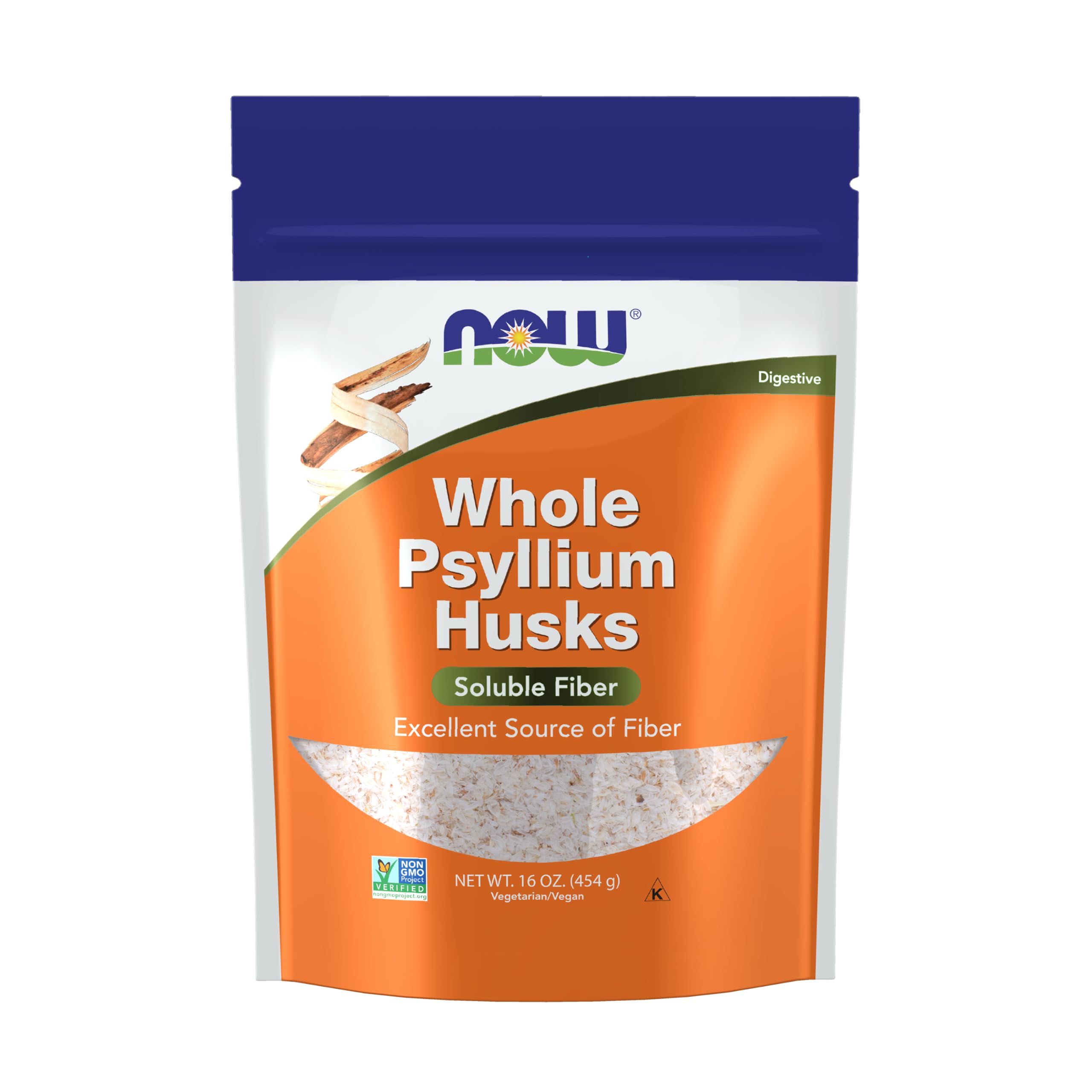
NOW Whole Psyllium Husks

93 /100
Trail Score Outstanding

Key details

Size
16 oz
Fiber Type
Whole psyllium husk
Added Ingredients
None
Fiber Per Serving
6 g soluble fiber per tablespoon
Check Price on Amazon

Six grams of soluble fiber in a single level tablespoon is the biggest per-serving fiber number in this group, and it arrives with nothing else: no sweetener, no flavor, no color. In a category where a sugar-free powder can still carry aspartame and maltodextrin, that plainness is the whole appeal.

It is also gritty, and we would not pretend otherwise. Whisk a tablespoon into at least 12 ounces of water and drink it immediately; the texture is sandy going down, and it thickens into something closer to pudding if you let it stand. Warm water helps, and a smoothie hides the grit almost completely. We prefer it stirred into something we were going to eat anyway rather than drunk as a glass of flavored fiber, which is the honest limit of this bag.

Cost per serving is the lowest of anything we picked, which matters when you are committing to a daily habit, and 16 ounces stretches across a lot of mornings. That value only lands if you will drink it, though, so anyone who needs flavor to get fiber down should start with the Metamucil tub and come back here once the routine is set.

Pros

  • 6 g soluble fiber per tablespoon
  • No sweeteners, flavors, or colors
  • Lowest cost per serving in this group

Cons

  • Gritty, sandy texture in water
Our verdict

Plain, unflavored psyllium with the biggest fiber number per serving here and the lowest cost — the right buy if grit does not bother you and sweeteners do.

Check Latest Price
3

Best for Travel

Benefiber On the Go Sticks

95 /100
Trail Score Outstanding

Key details

Count
28 stick packs
Format
Unflavored stick packs
Fiber Type
Wheat dextrin (prebiotic)
Check Price on Amazon

Hot coffee is the test we set for a dissolves-completely claim, and a stick of this vanished into the mug with no grit, no film, and no taste. That sounds minor until you have tried to hide a fiber drink in your morning routine and failed, which is why the box stays in our travel bag.

Wheat dextrin behaves differently from psyllium. It does not swell or gel, so it will not give you the heavy, pre-meal fullness a glass of psyllium does; instead it dissolves clear and feeds the bacteria in your gut, which is what the prebiotic language on the box refers to. The label pairs it with feeling fuller longer, and we read that as a gentle nudge rather than the main event.

What the format buys you is portability. A stick goes in a bag, a desk drawer, or a carry-on with no scoop, no tub, and no measuring, and you can put fiber into a bottle of water at an airport gate. That is the reason we keep a box around, and the reason these earn a place for anyone whose fiber routine has to happen away from home.

Pros

  • Dissolves clear and tasteless in coffee or water
  • Pre-measured sticks that travel easily
  • 28 sticks, nothing to scoop or carry

Cons

  • Priciest per serving in this group
Our verdict

For travel days and anyone who gags at thick drinks: a stick that vanishes into coffee, water, or yogurt with no taste, no grit, and no scoop to carry.

Check Latest Price
4

Best Capsule

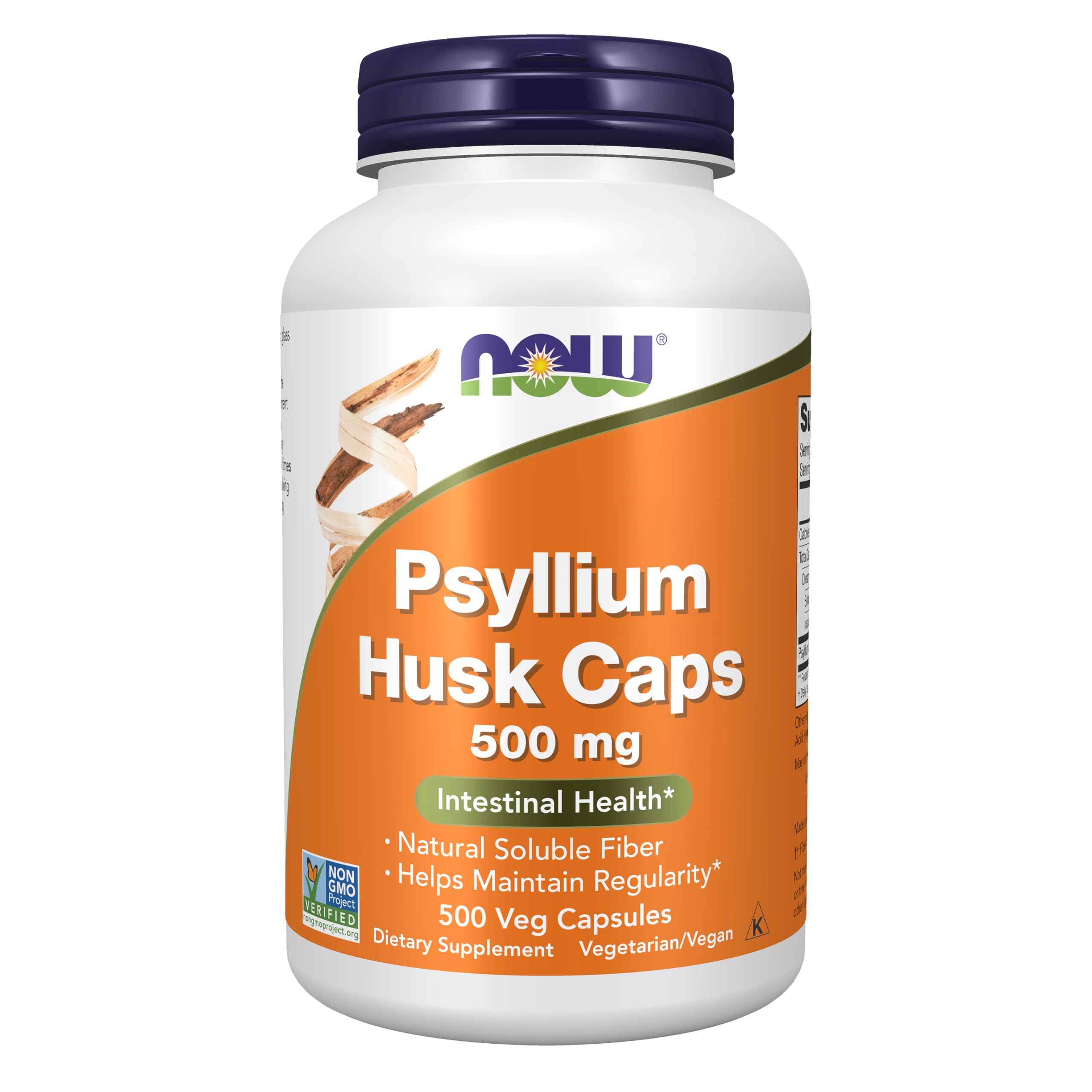
NOW Psyllium Husk Capsules

93 /100
Trail Score Outstanding

Key details

Count
500 vegetarian capsules
Fiber Type
Psyllium husk
Certifications
Non-GMO Project Verified, vegan, gluten-free
Capsule Strength
500 mg
Check Price on Amazon

Five hundred milligrams per capsule, five hundred capsules in the bottle, no scoop and no glass of grit — this is psyllium for people who know they will never drink it. The capsules are small enough to swallow without drama and carry no taste at all.

We kept a bottle at a desk and took a few with a full glass of water before lunch, which is the tidiest way to get fiber into a workday. The bottle also carries the certifications people look for here: Non-GMO Project Verified, vegan, kosher, and made without gluten.

Where it loses to powder is arithmetic. Five hundred milligrams is a small unit, so a serving that matches a spoonful of husks means a handful of capsules, and 500 of them go faster than the count implies. If the reason fiber never stuck was the drink, that is a fair trade. If you want the most fiber per swallow, take the tub.

Pros

  • No taste, no mixing, no grit
  • 500 capsules per bottle
  • Non-GMO, vegan, kosher, gluten-free

Cons

  • A full glass of water with every dose
Our verdict

The capsule to buy if you will not drink your fiber: no taste, no grit, no scoop, and 500 of them in the bottle, as long as you keep a full glass of water at hand.

Check Latest Price
5

Best Gummy

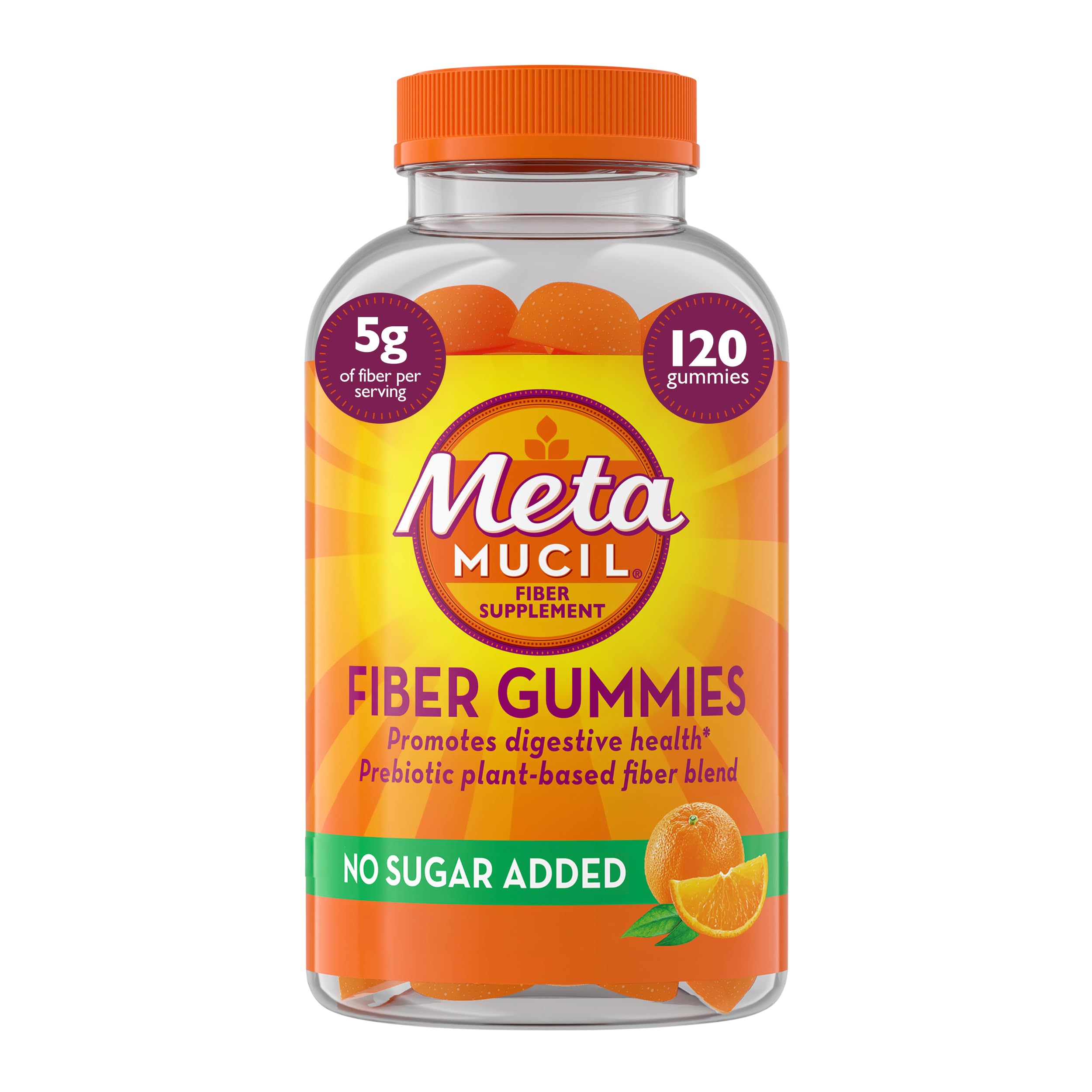
Metamucil Fiber Gummies

93 /100
Trail Score Outstanding

Key details

Count
120 gummies
Sugar
No sugar added
Fiber Type
Plant-based blend with inulin
Fiber Per Serving
0.18 oz
Check Price on Amazon

Open the jar and the gummies come out as one lump. They fuse together in the bottle, and in humid weather the whole thing behaves like a single object; shaking the jar and storing it upside down loosens them, but prying three out is part of the routine.

Inside is a plant-based blend of inulin and a soluble corn fiber at 5 grams per serving — as much as any gummy here delivers — with no sugar added and an orange flavor that does not taste like a supplement. For a format people choose because it is easy, that combination is the strongest in this group.

Plan for the inulin. It is the fiber type most likely to leave you gassy in the first week, so start with fewer gummies than the label calls for and build up over ten days or so. Skipping that step is how people decide fiber does not agree with them.

What we keep coming back to is that the gummy is the version that gets taken. A serving you look forward to beats a better serving you skip, and this is the one we reach for on mornings when there is no time for a glass and a spoon.

Pros

  • 5 g of fiber per serving
  • No sugar added, pleasant orange flavor
  • No water, no mixing, no measuring

Cons

  • Costs more per gram of fiber than powder
Our verdict

Our gummy pick: 5 grams of plant-based fiber per serving with no sugar added, and an orange flavor easy enough to take daily when a drink mix is not going to happen.

Check Latest Price
6

Bulk Capsule Supply

Kirkland Fiber Capsules

95 /100
Trail Score Outstanding

Key details

Count
360 capsules
Format
Capsules
Fiber Type
Psyllium husk
Check Price on Amazon

Nothing about this bottle is designed to be interesting: no flavor, no blend, no gummy, no claim beyond bulk-forming fiber. It is a large bottle of psyllium capsules positioned against Metamucil's capsules, and that plainness is the point — this is the bottle you buy once you already know psyllium capsules work for you.

The routine is the same as any capsule here: a full glass of water, no taste, nothing to mix, nothing to clean. Where it separates from the smaller bottles is staying power — 360 capsules means the thing sits in the cabinet for a long stretch instead of turning into a monthly errand.

The rest is simple economics. Keep this as the refill for a routine that already works and it is one of the cheapest ways here to keep psyllium in the house. It is not the bottle to learn on; once capsules have proven themselves, it is the one you keep buying.

Pros

  • 360 capsules per bottle
  • No taste, no mixing, no cleanup
  • Same active ingredient as Metamucil capsules

Cons

  • One bottle size only
Our verdict

A big, plain bottle of psyllium capsules for anyone who already knows capsules suit them — no taste, no mixing, and 360 of them before you have to reorder.

Check Latest Price
7

Budget Gummy Habit

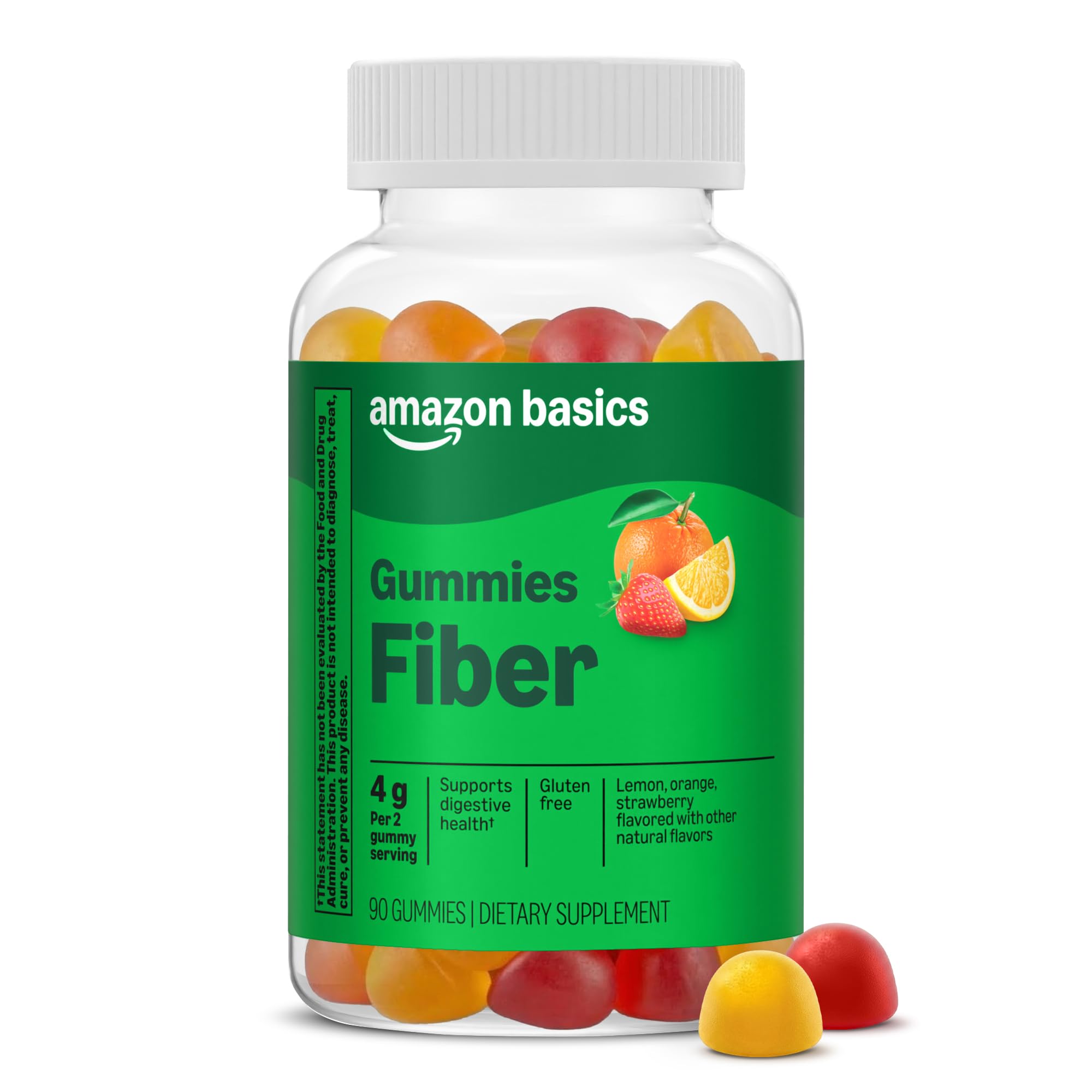
Amazon Basics Fiber Gummies

91 /100
Trail Score Outstanding

Key details

Count
90 gummies
Flavors
Orange, lemon, strawberry
Fiber Type
Chicory root inulin
Fiber Per Serving
0.14 oz
Check Price on Amazon

Soft is the word for these. The chew gives easily, which matters more than it sounds if you have bridgework or a jaw that objects to effort, and the three flavors — orange, lemon, strawberry — do not taste medicinal. Colors come from turmeric, black carrot, and annatto rather than dyes, and the whole thing is vegetarian and gluten-free.

Four grams per two-gummy serving from chicory root inulin puts it a gram behind our gummy pick, but it is also the least expensive gummy habit in this group, and that is the trade we take: a smaller dose for a much smaller outlay. As a cheap way to find out whether gummies keep you consistent, it is the bottle we point to.

One practical note: these soften and fuse in humid weather, so store the bottle upside down and give it a shake before opening — the same trick that works on the other gummy jar here. Cheap, soft, and easy to keep taking is a fair summary, which is more than most budget supplements manage.

Pros

  • 4 g fiber per two-gummy serving
  • Soft chew in three flavors
  • Least expensive gummy here

Cons

  • Inulin can cause gas in the first week
Our verdict

The budget gummy: 4 grams of chicory root fiber per serving, a genuinely soft chew, and three flavors — the cheapest way here to find out whether gummies keep you consistent.

Check Latest Price

How We Tested 14 Fiber Supplements

We started with roughly 40 fiber supplements pulled from best-seller listings and label scans, then cut anything that hid its fiber source inside a proprietary blend, delivered less than 3 grams per serving, leaned on sugar alcohols for sweetness, or asked for more than a few cents per gram of actual fiber. That left 14: powders, capsules, and gummies spanning psyllium, inulin, glucomannan, and wheat dextrin.

The powders got the hardest time. Each was mixed into 8 ounces of cold water in a shaker bottle at 6:30 in the morning, stirred for 10 seconds, and watched — some blended into a smooth drink, others seized into a gel around the rim or left dry pockets that never broke apart. We let every glass sit five minutes to see whether it thickened into something undrinkable, then tried the survivors in coffee and in plain water. Taste was judged on the first sip and again at the bottom of the glass, since grit and a chalky aftertaste tend to settle there.

Every product got at least two weeks of daily use at the same time each day, either mid-afternoon or with dinner. We logged gas, cramping, and bloating within the first four hours, how regular things became by week two, and whether hunger came back before dinner. Capsules were judged on how many pills a full serving required and whether they went down easily; gummies on sugar content and whether a serving size was remotely realistic.

At the end we recalculated cost per serving of usable fiber and re-read every ingredient panel, flagging whether a brand published third-party testing or sourcing details. Then came the honest question: which of these would we keep buying with our own money, and which would we quietly hand off to a coworker?

How to Choose a Fiber Supplement for Weight Loss

Psyllium or a prebiotic fiber

Psyllium husk is the fiber that behaves like food. Mixed with liquid it swells to many times its own volume and forms a gel, which is what gives you that heavy, pre-meal feeling and what makes a psyllium drink thicken in the glass. Wheat dextrin, the fiber in Benefiber, and inulin, the fiber in most gummies, dissolve clear instead and feed the bacteria in your gut. They are easier to hide in coffee or yogurt and they are gentler, but they do not bulk the way psyllium does.

If feeling full before a meal is the reason you are buying, start with psyllium — the Metamucil powder or the unflavored husks. If texture is the reason fiber never stuck, take the prebiotic route and treat it as a top-up rather than the main event.

Count what a serving costs you

Servings in this category are measured in grams, and the formats make that easy to lose track of. A level tablespoon of whole psyllium husks is 6 grams of soluble fiber. A capsule holding 500 milligrams is a twelfth of that, so a real serving runs to a handful of pills. Gummies land at 4 to 5 grams per serving, which is respectable but close to the ceiling for the format.

Before you buy the biggest bottle, work out what one serving actually asks of you — one scoop, one stick, or six capsules — and pick the number you will still be willing to do in a month.

Pick the format for where you will take it

Powder lives at home next to a glass, sticks live in a bag, capsules live in a desk drawer, gummies live anywhere. The trap is buying for the pantry and taking it nowhere. The cheapest tub in the world is expensive if it goes unused, and a gummy habit costs more per gram of fiber than any powder here.

Match the format to the two or three places you actually eat, and expect to keep two on hand: a tub for the days you are home and sticks or capsules for the days you are not.

Read the panel, not the front of the tub

Sugar-free is a claim about sugar, not about the rest of the ingredient list. Metamucil's sugar-free powder is sweetened with aspartame and carries maltodextrin, and the label itself notes that it is not a low-calorie food — worth knowing in a category people come to for weight loss. Unflavored psyllium has nothing in it but psyllium.

If you avoid sweeteners, buy unflavored and mix it yourself. If flavor is the only reason you will keep drinking it, accept the panel and count the calories.

Frequently Asked Questions

Final Verdict

We start with Metamucil's orange powder. Psyllium is the fiber that delivers the pre-meal fullness this whole purchase is about, and Metamucil's version is the one with a flavor that survives a daily habit — aspartame and maltodextrin included.

If those bother you, the unflavored NOW husks do the same work for less per serving and ask for a stronger stomach. And if a drink is what stopped you before, take the Benefiber sticks or a capsule bottle and get the fiber in anyway.