Best Blister Bandages of 2026

Nearly every box of blister bandages promises a five-day stay and a waterproof seal. In practice that promise usually dies somewhere between a sock and a sweaty foot: the edges curl, the pad shifts, and you are peeling a sticky mess off a raw heel. The distance between the label and real wear is what most buyers actually need resolved.

What keeps a plaster in place is rarely the sticker price. Holding power comes from where it sits, how much that skin sweats, and how the pad's shape fits the spot it covers. A bandage meant for a dry heel will lift quickly on a toe that rubs all day.

That reality splits the category: dependable sticks that survive showers and miles versus pads you will reapply before the day ends. Hydrocolloid and hydrogel constructions handle this trade-off differently, and their prices overlap broadly. Matching the formula and shape to how you move beats trusting a higher price to hold better.

1

Best Overall

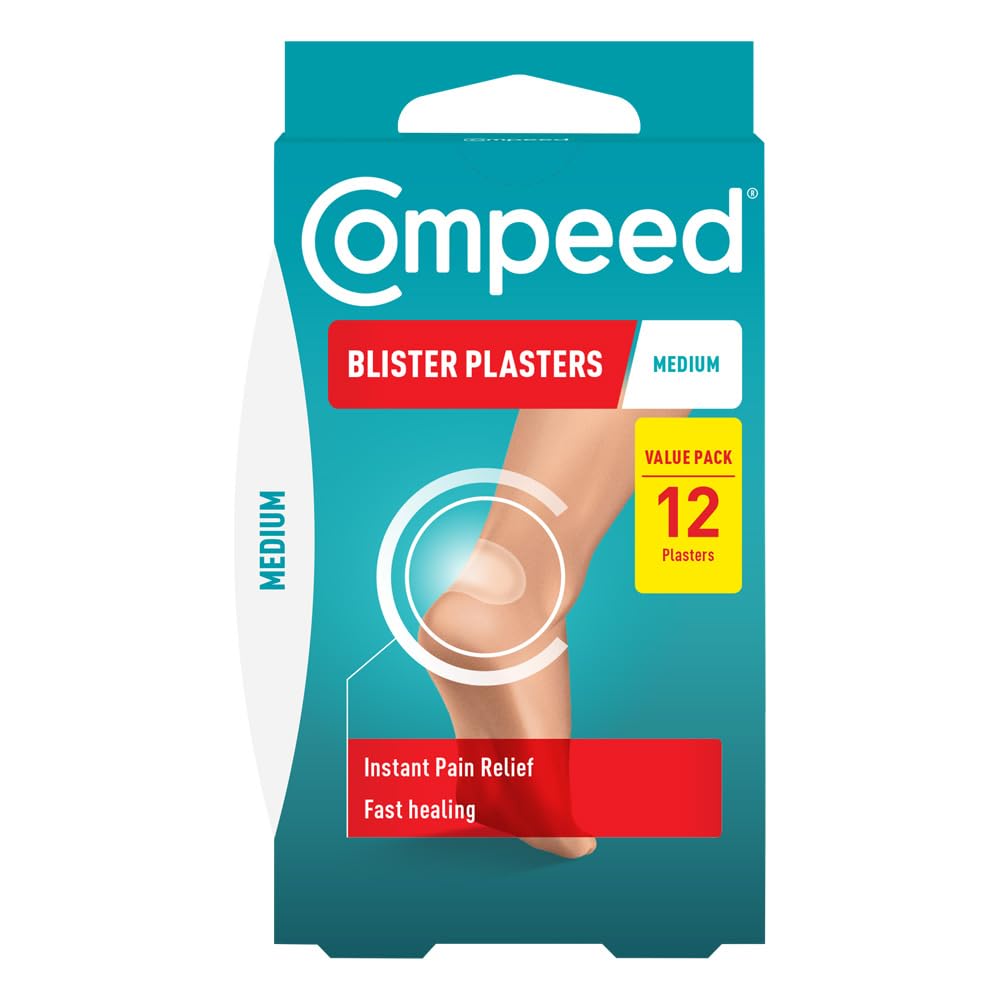
Compeed Medium 12 pack

96 /100
Trail Score Outstanding

Key details

Material
Hydrocolloid
Count & Shapes
12, medium heel-foot
Adhesion & Waterproof
Multi-day, waterproof
Check Price on Amazon

A single Compeed medium pad stays flush on a heel blister across two full days of city walking, flexing with the curve of the foot so its tapered edge keeps its bite rather than lifting. The outer seal survives wet showers and early sweat, letting the hydrocolloid gel sit over the tender spot and draw moisture out while the skin underneath repairs undisturbed.

This fits the frequent walker or hiker who treats blisters as routine and has been let down by cheap pads that slide off mid-stride. That buyer absorbs the premium price per plaster without flinching; someone who faces only one blister a season will feel the cost harder. The single medium cut covers heels and feet cleanly but skips toes and fingertips, which need the brand's mixed-size box for true all-round coverage.

Pros

  • Hydrocolloid dressing cushions and speeds healing of the wound beneath
  • Healing outcomes rank among the best in its field
  • Tapered edges hold grip through multi-day wet-and-sweaty wear

Cons

  • Single medium shape leaves toe and fingertip blisters uncovered until you buy the mixed pack
  • Premium pricing per plaster feels heavy when you only deal with a blister once a season
Our verdict

For the steady walker or hiker who goes through plasters by the box, the extra cost buys adhesion that holds until the blister heals instead of calling it quits mid-day.
Check Latest Price
2

Best Budget Pick

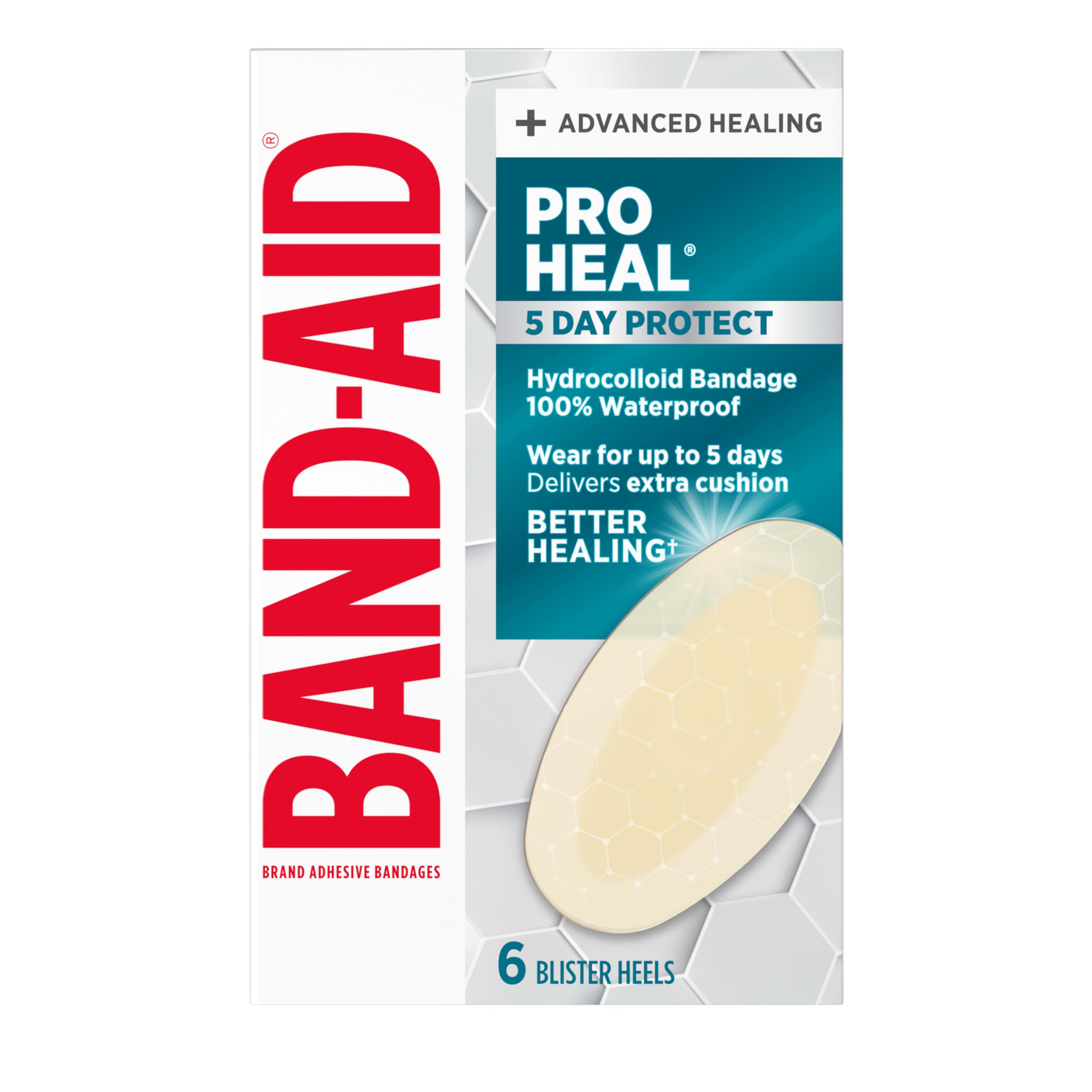
Band-Aid Pro Heal

93 /100
Trail Score Outstanding

Key details

Material
Hydrocolloid
Count & Shapes
6, standard size
Adhesion & Waterproof
5 days, waterproof
Check Price on Amazon

Band-Aid Pro Heal brings real hydrocolloid healing and a five-day waterproof claim to a familiar brand for about a dollar per plaster. The extra cushioning shields a heel blister through daily showers, and the pad fits comfortably without adding bulk.

For casual everyday heel and foot blisters, this is the economical introduction to hydrocolloid care. The tradeoff sits on toes and sweaty skin, where edges can lift before the five-day mark — a boundary that favors short, dry wear over long active sessions. Buyers depending on multi-day hold through workouts will reach past this one.

💡 Press the edges down firmly on clean, dry skin — the longest wear comes from dry, low-friction spots.

Pros

  • Genuine hydrocolloid pad cushions blisters and supports faster healing than plain bandages.
  • Waterproof enough to survive daily showers while keeping its cushioning intact.

Cons

  • On a moving joint, edges can curl and the dressing reads thin at the perimeter.
  • Five-day hold assumes dry contact
Our verdict

An affordable everyday fix for heel and foot blisters when a familiar brand and a lower per-plaster price matter most. Treat wear time as days rather than the full five when toes or sweat are involved.

Check Latest Price
3

Best Variety Pack

Compeed Mixed Sizes

93 /100
Trail Score Outstanding

Key details

Material
Hydrocolloid
Count & Shapes
10, mixed shapes
Adhesion & Waterproof
7 days, waterproof
Check Price on Amazon

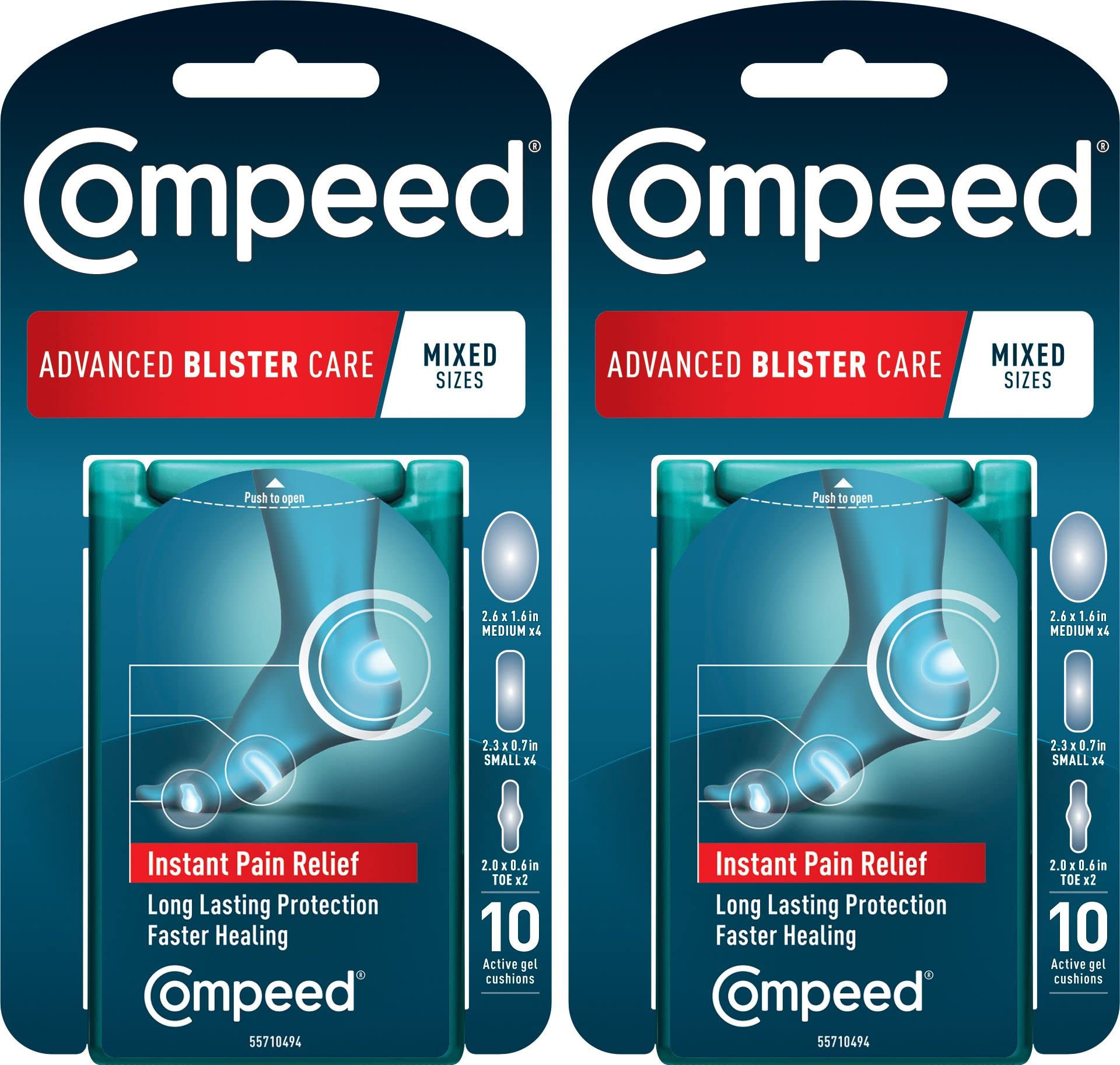
Mixed sizes for toes, heels, and hands are the story here — the one thing the single-shape Compeed medium can't offer. Every hydrocolloid pad carries the same waterproof grip that holds for days through showers and workouts, and blisters often fade within two days.

The per-plaster cost runs slightly above the medium 12-pack, which makes sense when blisters strike several places at once. For hikers, heel-wearers, and travelers who pack a single kit, a full contour lineup in a compact case justifies the premium.

💡 On a fingertip, trim the pad to fit just inside the blister edge so the adhesive rests on flatter skin.

Pros

  • Mixed toe, heel, and hand sizes cover spots the single-shape medium can't.
  • Waterproof grip held through days of workouts and showers.

Cons

  • Edge curling may appear on very small surfaces like fingertips.
Our verdict

The mixed-size Compeed for blisters scattered across toes, heels, and hands — one box spares you trimming pads to fit each new spot.

Check Latest Price
4

Best for Burns & Cooling

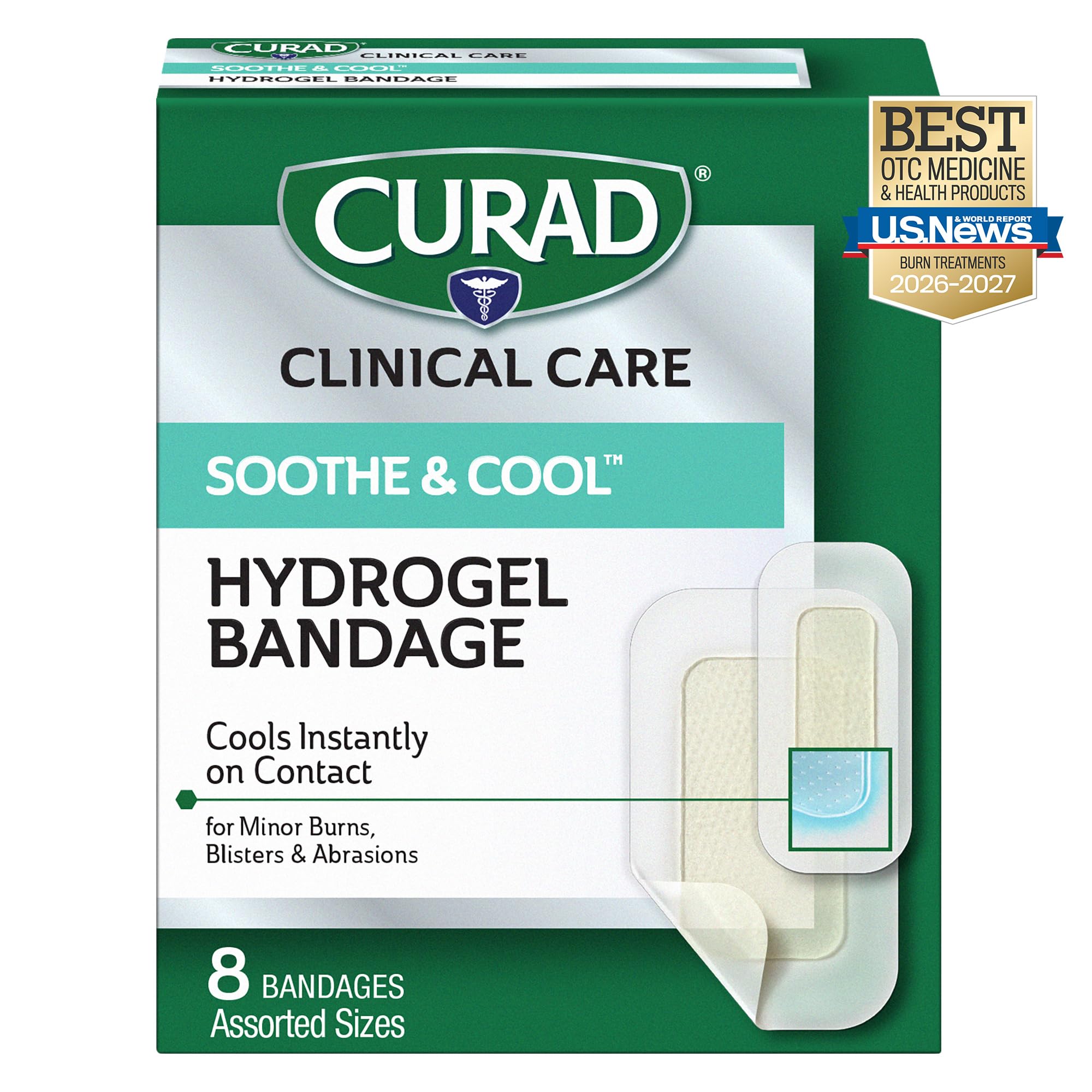
Curad Soothe & Cool

92 /100
Trail Score Outstanding

Key details

Material
Hydrogel
Count & Shapes
10, assorted sizes
Adhesion & Waterproof
Waterproof
Check Price on Amazon

Kicks in as a cooling, soothing layer for minor burn blisters, with a transparent pad that lets you inspect the wound as it heals instead of peeling the bandage off for a look.

Best for kitchen burns and low-activity recovery days rather than long outings: the adhesive grip is lighter than the hydrocolloid option in this set, so active hours can call for a fresh bandage.

Pros

  • Eases and cools burn pain within about a minute of application.
  • Clear pad shows healing progress without needing removal.
  • Speeds recovery of burns and blisters with lasting relief.

Cons

  • Stick can give out on damp skin, so a midday swap may be needed.
Our verdict

Choose it for burn blisters that need quick cooling and a visible healing check, not for sweaty or high-motion days.

Check Latest Price
5

Best for Large Wounds

Niceful 2x2 (20 ct)

90 /100
Trail Score Outstanding

Key details

Material
Hydrocolloid
Count & Shapes
20, 2x2 pads
Adhesion & Waterproof
Water-resistant
Check Price on Amazon

The 2x2-inch pad reaches raw scrapes, pressure ulcers, and broad heel damage that standard blister plasters miss, and it cuts down to any shape. At under a dollar a pad it undercuts the top pick on unit cost, with healing reports leaning positive — faster recovery on tears and scrapes with minimal scarring.

This suits budget shoppers tending larger wounds during low-activity recovery. The honest boundary: thin borderless edges can lift on damp, flexing skin, so active feet belong to the Compeed top pick, and adhesive-sensitive skin may react to this pad.

💡 Trim rounded corners when sizing so the thin edges don't catch and lift during movement.

Pros

  • Large surface trims to cover scrapes, ulcers, and broad areas standard plasters miss
  • Healing reports lean positive, with faster recovery and reduced scarring noted
  • Under a dollar per pad undercuts the top pick on unit cost

Cons

  • Extra-thin build can wrinkle and peel early on contoured or damp spots
Our verdict

Pick this for large, low-activity wounds on a budget; leave dependable foot duty to the Compeed top pick.

Check Latest Price
6

Broad Spot Coverage

Dr. Frederick's

89 /100
Trail Score Excellent

Key details

Material
Hydrocolloid
Count & Shapes
12, heel toe spot
Adhesion & Waterproof
Water-resistant
Check Price on Amazon

Doctor-developed hydrocolloid plasters come in heel, toe, and spot contours that cushion existing blisters and take the sting out of walking. Protection on low-activity days earns genuine praise. Adhesion is the limiting factor: on sweaty or active feet these can peel within the first hour rather than delivering the advertised days.

Pros

  • Heel, toe, and spot shapes cushion existing blisters and ease walking pain.
  • Guards existing blisters and curbs new ones on easygoing days.

Cons

  • In sweat or high-friction use, plasters can lift and peel before the marked wear time.
Our verdict

Keep it for easygoing feet and short, low-sweat outings, where the heel, toe, and spot contours cushion and heal at a mid-range price.

Check Latest Price
7

Multi-Shape Coverage

Welnove Gel (21ct)

88 /100
Trail Score Excellent

Key details

Material
Hydrocolloid gel
Count & Shapes
21, 4 shapes
Adhesion & Waterproof
Water-resistant
Check Price on Amazon

The 21 pads span four contours, with an extra-cushioned feel that earns second-skin comfort on heels and toes during long walks. That comfort depends on dry feet: in sweat or humidity, grip can slacken within the first hour, which limits these plasters to casual, low-activity days rather than heavy training.

Pros

  • Dresses fresh blisters with padded relief that holds up through long walking distances.
  • The cushioning feels like a second skin

Cons

  • After a soak or heavy sweat, pad edges can lift and peel before the advertised wear time arrives.
Our verdict

A practical buy for dry-footed walkers wanting cushioned relief over heels, toes, and hands on casual days. Skip it for sweaty training runs or humid hikes.

Check Latest Price
8

Budget Quick Relief

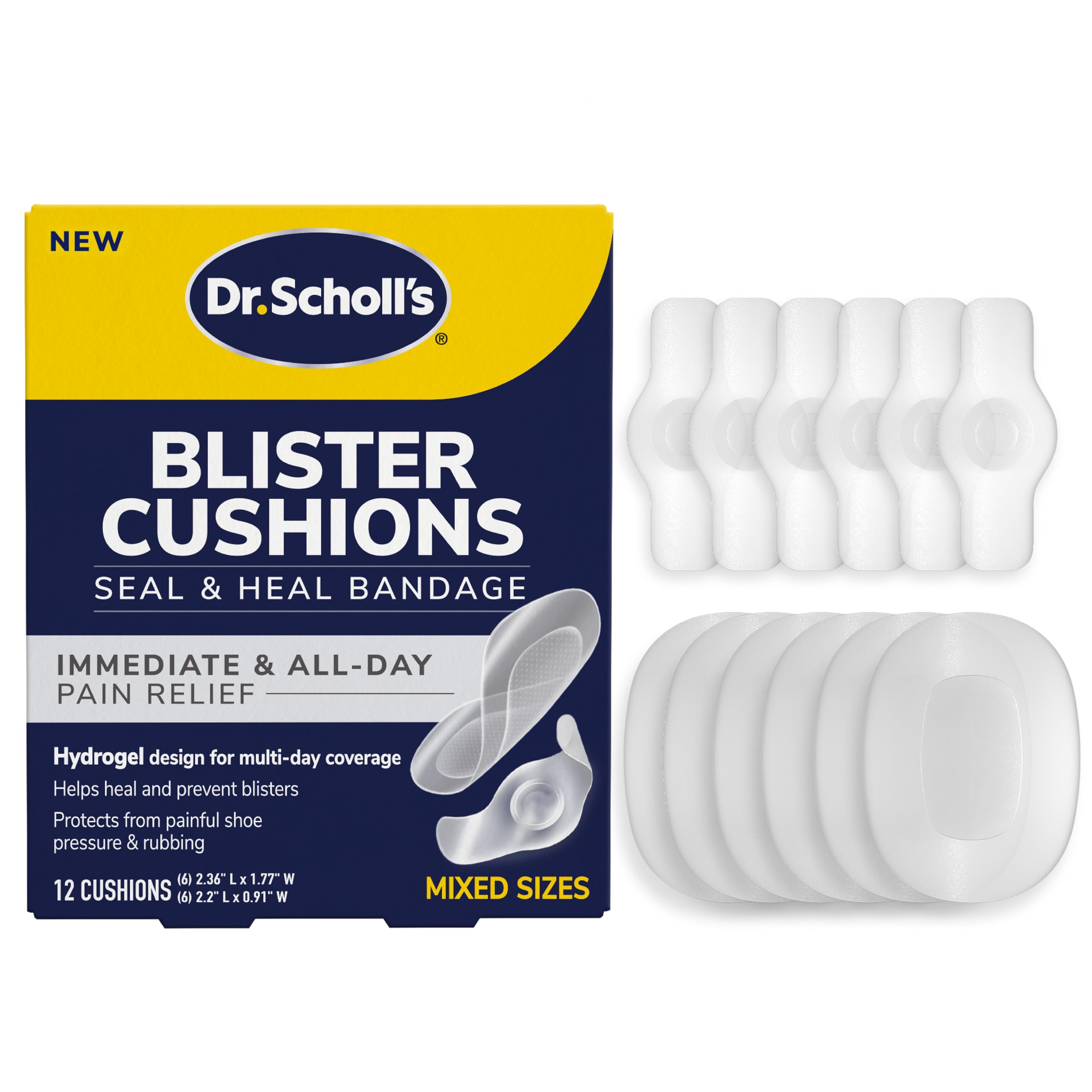
Dr. Scholl's Blister

88 /100
Trail Score Excellent

Key details

Material
Hydrogel
Count & Shapes
12, varied sizes
Adhesion & Waterproof
Water-resistant
Check Price on Amazon

Twelve budget-priced pads offer soft gel cushioning that seals and helps minor blisters heal, making this an accessible first buy for occasional hot spots. Because the hydrogel layer is thin, these pads suit a few hours of calm, indoor wear far better than heavily walked or sweaty days.

Pros

  • Soft gel padding cushions blisters while the seal helps them heal during day-to-day downtime.
  • Twelve pads for a low upfront price make this an easy, low-commitment way to test gel dressings.

Cons

  • Sticky edge can peel within the first hours on sweaty or high-friction feet, so timing and spot matter.
Our verdict

Keep this pack as a quick indoor fix when a blister flares during low-activity hours — not for the long walk or damp-footed day.

Check Latest Price

How to Choose Blister Bandages

Hydrocolloid or Hydrogel

Hydrocolloid absorbs fluid from an intact blister, swells into a soft gel cushion, and keeps the area sealed so new skin can form beneath it. That is the right material for a friction blister you plan to keep walking on. Hydrogel releases moisture instead of absorbing it, which cools heat — the reason burn bandages are hydrogel.

The choice changes how the pad behaves under a sock. Hydrocolloid cushions and protects through repeated steps, while hydrogel stays cooler but tends to give up its grip earlier on moving feet. If your blister came from friction, start with hydrocolloid. If it came from a minor burn, the cooling matters more than the wear time.

Pack Count and Shapes

Plasters only help if the size fits the blister. A single-size box suits a known trouble spot, but a multi-size pack covers heels, toes, and odd friction points in one purchase.

On paper, more plasters per dollar looks better, yet shape matters as much as count. A pad cut for a flat heel will not stay seated on a curved toe, no matter how strong the adhesive, so buy for your most likely sites rather than the biggest number in the box.

Adhesion and Waterproofing

Adhesion and waterproof claims are where blister bandage makers overpromise most. A hydrocolloid seal is genuinely waterproof in the sense that water will not wash it off — but sweat pooled underneath hydrates the adhesive and lets the edges lift, quickest wherever a sock rubs.

Bonding starts at application: clean, thoroughly dry skin holds hours longer than skin carrying lotion or residual moisture. Expect the longest wear on low-friction spots like the arch and the shortest on the moving creases of toes and heels. Reapply there earlier rather than waiting for the edge to roll.

Cushioning Depth

Cushion thickness is the difference between feeling every step and forgetting the wound entirely. Thicker hydrocolloid layers physically lift pressure off the blister, which prevents re-injury on each stride.

On weight-bearing surfaces like the ball of the foot or heel, extra cushioning pays for itself quickly. Thin pads win on discreetness but pass more of each step's force into the sore, so match depth to how much impact the spot takes during your day.

Tapered Edges

Flat-cut edges form a stiff lip that snags on socks, curls upward, and collects dirt. Tapered edges slope the dressing down to meet the skin like a feather edge, so the outline stays nearly invisible under a sock and has less to catch on.

The benefit shows most on high-friction zones: a tapered heel plaster stays seated through a long walk while a blunt-edged pad of the same material peels at its rim. If a product lists tapered or feathered edges, it will usually outlast a square-cut rival in real wear.

Frequently Asked Questions