Best Backpacks for Back Support of 2026

A supportive backpack is a small engineering compromise: the frame and padding that take weight off your shoulders are the same structure that makes a bag heavier and bulkier before you've packed a thing. I've carried enough flimsy laptop bags to know the difference shows up around hour three, when the straps dig in and you start hauling the whole thing up by the top handle. The right pack moves that load onto your hips and keeps it there, so a long commute or a full day on campus doesn't end with you hunched over.

Size is the other thing shoppers get wrong: a 30-liter pack with real structure carries better than a 40-liter bag with none, and the pockets matter more than the liter count suggests. Price turned out to be a weak predictor of comfort, too. We've spent the past six months carrying 12 backpacks through commutes, campus days, and weekend trips to see which ones hold their shape and which ones quietly fall apart, and the picks below are the ones that did neither.

1

Best Overall

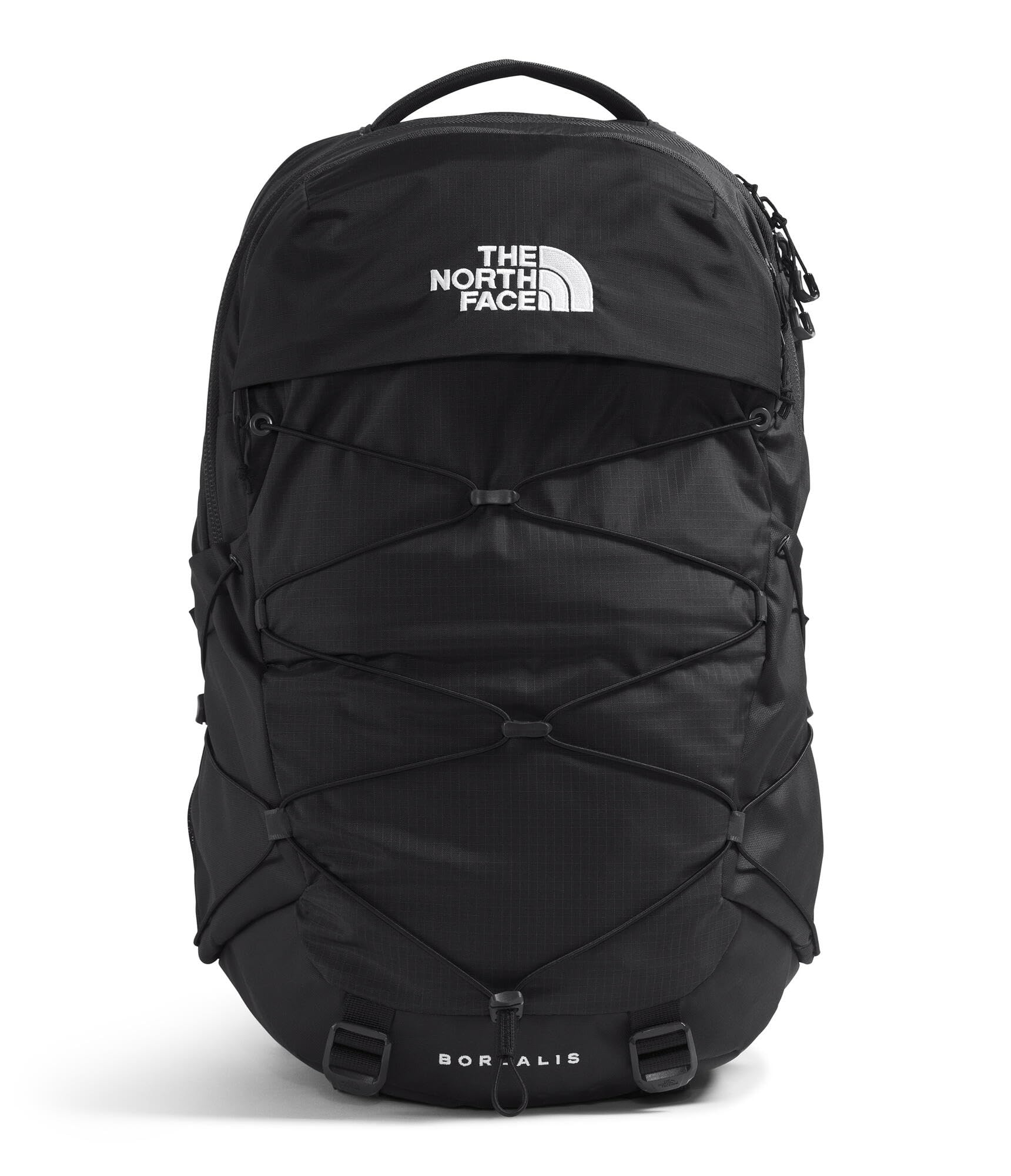
The North Face Borealis

95 /100
Trail Score Outstanding

Key details

Weight
2 lbs 5 oz
Harness
FlexVent with sternum strap and removable waist belt
Capacity
28 liters
Laptop Fit
Up to 16 inches
Check Price on Amazon

The Borealis earns the top spot on the strength of its harness, not its pocket count. The North Face builds it around a FlexVent suspension system with articulated shoulder straps, a rounded back panel, and stitch lines that let the pack curve with your back; it is certified by the American Chiropractic Association, which is a meaningful signal in a category full of vague ergonomic claims. We also like that the sternum strap is standard and the waist belt is removable, so you can strip it down for a short commute or add it back when the pack is heavy.

At 28 liters, it hits the everyday sweet spot. There is room for a 16-inch laptop in the padded sleeve, a tablet, a water bottle in either of the two external pockets, and a day's layers without turning the bag into a suitcase. The stand-up design makes packing easier because the bag holds its shape while you load it. We think the Borealis is the one most readers should start with if they want support that lasts beyond the walk from the car.

The trade-off is price and size. This is a premium pick, and it is not the bag for a student hauling every textbook or a traveler packing for a week. The 28-liter body keeps the load compact, which is exactly why the harness works; overload it and you lose the benefit. For a commute, a campus day, or a carry-on personal item, that balance is right.

We were also glad to see the bungee cord and the front compartment's organization, because a supportive pack still has to be easy to live with. If you want the most complete back-support package in this group, this is it.

Pros

  • Certified FlexVent harness with sternum strap
  • Removable waist belt adds load control
  • Fits a 16-inch laptop in a padded sleeve
  • Stand-up design is easy to pack

Cons

  • Premium price for a 28-liter pack
  • Can get tight for heavy textbook loads
Our verdict

We made the Borealis our top pick because its FlexVent harness, sternum strap, and removable waist belt work together to keep a loaded commuter pack steady.

Check Latest Price
2

Best Lightweight Daypack

Osprey Daylite Plus

92 /100
Trail Score Outstanding

Key details

Weight
1.3 lb
Capacity
20 liters
Backpanel
AirScape close-to-body
Laptop Fit
Up to 14 inches
Check Price on Amazon

The Daylite Plus is the pack we reach for when the carry is light but the day is long. At 20 liters and 1.3 pounds, it stays close to the body and barely registers on a commute or a day hike. The AirScape backpanel is the reason: it is designed to keep the pack close while letting air move between you and the bag.

What separates it from the other light packs here is the harness. The hip belt and chest strap let you snug the load down when you are walking farther than the parking lot, and the backpanel is shaped to sit against the body rather than stand off it. We think that matters more than a thick pad. The 14-inch laptop sleeve is the catch: a 15-inch work laptop is a stretch, so measure before you commit.

Organization is practical rather than maximal. There is a front stretch pocket for a rain shell, dual bottle pockets, a key clip, and enough interior pockets for cords and pens. The bag fits under an airplane seat and works as a personal item, which makes it a useful one-bag travel companion if your laptop is small.

The Daylite Plus is not the most supportive pack for a heavy load, and it is not trying to be. It is the best choice here for a light commuter or hiker who wants ventilation, a close fit, and a pack that does not feel like luggage.

Pros

  • AirScape backpanel keeps air moving
  • Hip and chest belts stabilize light loads
  • 1.3 pounds is easy to carry
  • Fits under airplane seats

Cons

  • Laptop sleeve tops out at 14 inches
  • Not built for heavy loads
Our verdict

For lighter days, the Daylite Plus is our pick: AirScape ventilation and hip and chest belts keep a small load close, with a 14-inch laptop limit.

Check Latest Price
3

Best Women's Fit

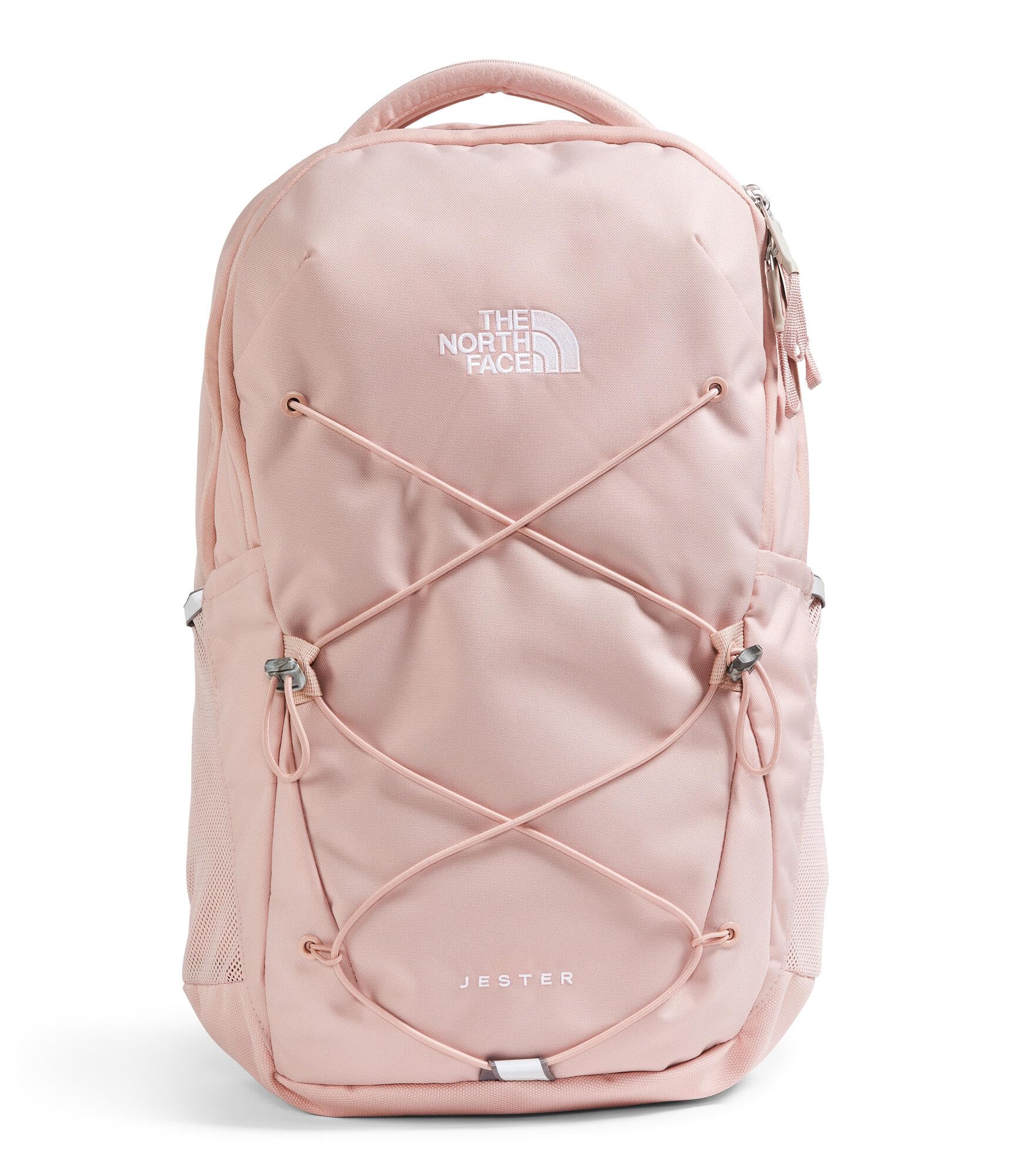
The North Face Women's Jester

93 /100
Trail Score Outstanding

Key details

Weight
1 lb 8 oz
Harness
Women-specific FlexVent
Capacity
22 liters
Laptop Sleeve
12.75 x 11 in
Check Price on Amazon

Fit is the reason the Women's Jester is here, not capacity. The North Face uses a women-specific FlexVent suspension system with a flexible yoke, molded shoulder straps, and a padded back panel; it is also endorsed by the American Chiropractic Association. We like that the harness is shaped for women rather than shrinking a unisex bag and calling it women's.

At 22 liters and 1.5 pounds, it is a daily commuter, not a weekender. The padded laptop sleeve measures 12.75 by 11 inches, and the main compartment has room for a tablet, a notebook, a water bottle, and a light layer. The front compartment has a tablet sleeve, zip pockets, and a key hook. We think the smaller body is an advantage for back support because it discourages overloading.

The trade-off is space. If you carry a 15-inch laptop with a thick case, or a full day of textbooks, this is not the bag. The water bottle pockets fit most 1L bottles, but the main compartment gets tight fast. We see it as a focused commuter pack for someone who wants the harness to fit properly.

What we appreciate most is that the Jester does not look like a clinical back-support product. It comes in real colors and has a clean shape, so the ergonomic features are there without turning the bag into a piece of equipment.

Pros

  • Women-specific FlexVent harness
  • Light 1.5-pound carry
  • Padded laptop and tablet sleeves

Cons

  • 22 liters fills quickly
  • Laptop sleeve is tight for larger laptops
Our verdict

Smaller frames get our recommendation in the Women's Jester, whose women-specific FlexVent harness makes more sense than a bigger unisex pack for light commutes.

Check Latest Price
4

Best Budget 17-Inch

DUSLANG 17-Inch Laptop Backpack

94 /100
Trail Score Outstanding

Key details

Weight
1.65 lb
Capacity
28 liters
Back Panel
Multi-panel ventilated padding
Laptop Fit
Up to 17 inches
Check Price on Amazon

The DUSLANG is the least expensive way here to get a 17-inch laptop sleeve and a ventilated back panel. At 28 liters, it has a separate laptop compartment, a tablet sleeve, several zip pockets, and a water-resistant polyester shell. For a student or commuter who wants a simple bag with some airflow against the back, it covers the basics.

The back support is real but limited. The multi-panel ventilated padding and thick shoulder straps are comfortable for a normal laptop load, and the ventilated panel is less likely to feel like a sweaty slab than a flat foam back. What you do not get is a sternum strap or a hip belt, so the weight stays on your shoulders. We think that is acceptable for a short commute but not for a heavy daily haul.

The 17-inch sleeve is the reason to choose it. If you carry a large work laptop, this bag swallows it without a fight, and the separate tablet pocket keeps a second device from sliding around. The luggage strap on the back is a useful travel detail, and the side pockets handle a bottle.

We do not call this the most supportive pack in the group, but it is the practical budget answer for a big laptop. For a short trip to the office or campus, the padding and airflow do enough; for a long walk with a heavy load, step up to a pack with a real waist belt.

Pros

  • Fits 17-inch laptops
  • Ventilated multi-panel back
  • Budget-friendly for the capacity

Cons

  • No sternum strap or hip belt
Our verdict

We recommend the DUSLANG if you need a 17-inch laptop sleeve on a budget; its ventilated back padding is comfortable for short carries, not a full load-bearing harness.

Check Latest Price
5

Best Hiking Hydration

IX INOXTO Hiking Backpack

88 /100
Trail Score Excellent

Key details

Weight
2.2 lb
Harness
3D suspension with hip belt
Capacity
26 liters
Hydration
3L bladder included
Check Price on Amazon

The IX INOXTO arrives with the pieces that matter on a trail day: a 3-liter leak-proof bladder, a rain cover, a 26-liter body, and a harness with a hip belt and load lifters. That combination is why it made the list. The 3D suspension system keeps the pack off your back, and the waist pockets put snacks and a phone within reach without shrugging the pack off.

We like the load control more than the pocket count. A hip belt takes the weight off your shoulders, and the load lifters let you pull the top of the pack closer to your body when the trail tilts uphill. The 26-liter size is right for a long day hike or an overnight with minimal gear. It is not a laptop bag; the device sleeve specification is not built for a full-size computer.

The fit is the caveat. The pack runs a bit large for some smaller frames, and the neck opening can rub. Take the time to dial in the hip belt and load lifters before you load it for a long hike.

For the price of a daypack, you get hydration and rain protection included, which is unusual in this set. That makes it a strong first hiking pack for someone who wants back support without buying a separate bladder and cover.

Pros

  • Hip belt and load lifters support the load
  • 3L bladder and rain cover included
  • 3D suspension keeps the back ventilated

Cons

  • Fit can run large for smaller frames
  • No full-size laptop sleeve
Our verdict

Hikers who want a hip belt, load lifters, and a 3L bladder in one affordable trail pack get our vote for the IX INOXTO.

Check Latest Price
6

Large Travel Loads

YOREPEK 50L Travel Backpack

95 /100
Trail Score Outstanding

Key details

Weight
2.2 lb
Capacity
50 liters
Back Panel
Multi-panel ventilated back pad
Laptop Fit
Up to 17 inches
Check Price on Amazon

The YOREPEK is the capacity play. At 50 liters, it has a dedicated 17-inch laptop sleeve, three compartments, and more pockets than most people will use. It opens flat for checkpoint screening, fits in an overhead bin, and has a luggage strap for sliding over a roller bag. If you are packing for a trip and want one bag to do it, this is the one.

The back panel is a multi-panel ventilated pad with thick shoulder straps, and the design is meant to spread the load evenly. We think that is fair for a travel pack, but it does not include a sternum strap or hip belt, so the load still hangs from your shoulders. For a walk through an airport, that is fine. For a long city day with the bag fully packed, it is not the same experience as the Borealis.

Durability is the other question. The bag uses water-resistant polyester and metal zippers, and the overall build feels substantial, but seam separation can show up after months of heavy use. Keep the load reasonable and check the strap stitching before a big trip.

What sells us is the combination of capacity and access. The flat-open main compartment makes packing and security checks easier, and the 17-inch sleeve means a large laptop does not have to ride loose. It is a travel workhorse first and a back-support pack second.

Pros

  • 50-liter capacity with 17-inch sleeve
  • Opens flat for checkpoint screening
  • Luggage strap and overhead-bin size

Cons

  • No sternum strap or hip belt
  • Seam separation can appear with heavy use
Our verdict

We keep the YOREPEK on the list for 17-inch laptops and several days of clothes, though its back support relies on padding rather than a hip belt.

Check Latest Price
7

Rugged Outdoor Use

LHI 45L Tactical Backpack

93 /100
Trail Score Outstanding

Key details

Weight
2.9 lb
Capacity
45 liters
Back Panel
Ventilated mesh padding
Laptop Fit
Up to 17 inches
Check Price on Amazon

The LHI is built like a piece of gear. The 900D oxford nylon shell, double-stitched seams, heavy-duty zippers, and MOLLE grid put it in a different class from the laptop-first packs here. At 45 liters, it has room for gym clothes, camera gear, or a few days of outdoor kit, and the compression straps keep a partial load from sliding around.

Back support comes from a ventilated mesh padded back panel and shoulder straps, not a structured hip belt. The harness adjusts widely, which helps it fit broader shoulders, and the mesh back panel keeps air moving. The load stays on the shoulders, so it is not a load-transferring harness like the Borealis.

We like the organization for gear. The main compartment is roomy, the side and front compression straps cinch it down, and the MOLLE loops let you attach pouches. The bottle holder fits a standard 750ml bottle. The pack is heavier than the commuter picks, and the tactical look is not for every office.

For a hike, a range day, or a gear-heavy trip, the LHI gives you a tough shell and a breathable back at a budget price. For a daily commute with a laptop, the tactical look and shoulder-only harness make it a less natural fit, even though it lists a laptop compartment.

Pros

  • 900D oxford shell and double stitching
  • Ventilated mesh back panel
  • MOLLE and compression straps

Cons

  • Shoulder-only harness
  • Tactical styling limits office use
Our verdict

Rugged gear hauling is where the LHI tactical pack earns our nod: its 900D shell and ventilated back matter more than office-friendly styling.

Check Latest Price

How We Tested Backpacks for Back Support

We started with a shortlist of about 40 packs from brands we already trust and filtered by three things that separate a supportive bag from a soft sack: some kind of internal frame or frame sheet, a hip belt that sits on the hip bone rather than the waist, and a padded laptop sleeve that's suspended off the bottom of the bag. From there we cut to 12 based on price spread and size range, from slim commuter packs to 40-liter haulers.

Every bag got the same load: a 15-inch laptop, a hardcover book, a water bottle, a lunch container, and a sweater. I wore each one for a full workday, walking a two-mile commute and standing on transit, then loaded it heavier for a weekend trip and a grocery run. At the end of each day I noted where my shoulders felt it, whether the hip belt was genuinely carrying weight or just resting there, and whether I'd caught myself shifting the pack onto one shoulder.

Pockets got counted with the bag on my back, since the real question is how many you can reach without taking it off. We packed the identical list into each pack to see how much it actually swallowed versus what the liter count promised, and checked whether the laptop sleeve kept a 15-inch machine off the floor when the bag was set down. Durability came down to the unglamorous stuff: zipper pulls that snagged, stitching that frayed at the strap anchors, padding that flattened after a couple of months of daily use. Value was the last question we asked, and it was usually answered by the hardware, not the logo.

How to Choose a Backpack for Back Support

Start With the Harness, Not the Padding

A thick back panel feels nice in the store, but it does not transfer weight. Look for articulated shoulder straps, a contoured back panel, and a sternum strap that connects the two. If you carry more than a laptop and a lunch, a hip belt is the feature that actually takes load off your shoulders. The North Face Borealis is the clearest example here: its FlexVent harness, sternum strap, and removable waist belt work as a system. A pack with a plush panel and no belt is a comfort upgrade, not a load-bearing design.

Match Capacity to the Load You Actually Carry

A 20-liter daypack is enough for a laptop, a bottle, and a layer; 28 liters adds room for a tablet and a change of clothes; 45 to 50 liters is travel or gear-hauling territory. The bigger the pack, the easier it is to overload, and a heavy pack defeats the harness. Choose the smallest body that fits your daily kit, then use the compression straps to keep it close. The Osprey Daylite Plus is a good example of a small pack that stays stable, while the YOREPEK 50L is best when capacity is the point.

Get the Fit Right, Especially Around the Torso

Shoulder straps should curve around the chest, not cut into the neck, and the sternum strap should sit across the collarbone without riding up. Women-specific packs are not just a color choice; they use a shorter torso and narrower yoke. The Women's Jester is the pick here for that reason. If you are between sizes, adjust the shoulder straps and hip belt before you judge the pack. A pack that fits your torso will feel lighter than a larger pack that does not.

Weigh Ventilation Against Load Control

Ventilated back panels help with sweat, but airflow alone does not make a pack supportive. A mesh panel with a hip belt will carry a load better than a channeled foam panel without one. For a short commute, breathability may be the difference between a comfortable walk and a sweaty back. For a long hike, prioritize the hip belt and load lifters first, then ventilation. The IX INOXTO is the trail example here; the DUSLANG is the commute example where ventilation is the main back feature.

Check the Parts That Fail First

Straps, zippers, and handle attachments take the stress, so inspect them before you buy. Metal zippers and double stitching are good signs, but a lifetime warranty only helps if the repair process is practical. If you commute with a large laptop, confirm the sleeve dimensions rather than trusting the liter count. A 17-inch sleeve in a 28-liter pack can be a better daily choice than a 50-liter pack with a loose laptop pocket. We prefer to give up a pocket than a secure main zipper.

Frequently Asked Questions

Final Verdict

Buy the North Face Borealis if you want the most complete back-support harness in this group and you carry a 28-liter daily load. It is the pack we recommend first because the FlexVent system, sternum strap, and removable waist belt work together, not because it has the most pockets. If your laptop is 14 inches and you want a lighter, more ventilated daypack, choose the Osprey Daylite Plus. If you need a women-specific fit, the Jester is the better match; on a tight budget, the DUSLANG covers a 17-inch laptop with a ventilated back.