Best Trail Running Shoes of 2026

Trail shoes are a negotiation: the lug pattern that saves you on wet roots is the same rubber that feels clumsy on the gravel path back to the car, and the cushioning that keeps your legs fresh at mile 12 is weight you haul up every climb. I've finished runs with soaked socks and a blackened toenail because a pair fit fine on carpet and then slid forward on every descent. What a good shoe actually fixes is narrower than the marketing suggests: it holds your foot over the midsole and puts grip where you need it without turning into a brick.

Since spring, my team and I have put 14 pairs through mud, rock, and plenty of pavement between trailheads. Sizing swings between brands, a plush shoe that feels great on carpet can turn into a rock against your arch at mile eight, and lugs that look aggressive new can be rounded off by mile 200. A few of these look good enough to wear to the hardware store. The picks below are sorted by what each one does best.

1

Best Overall

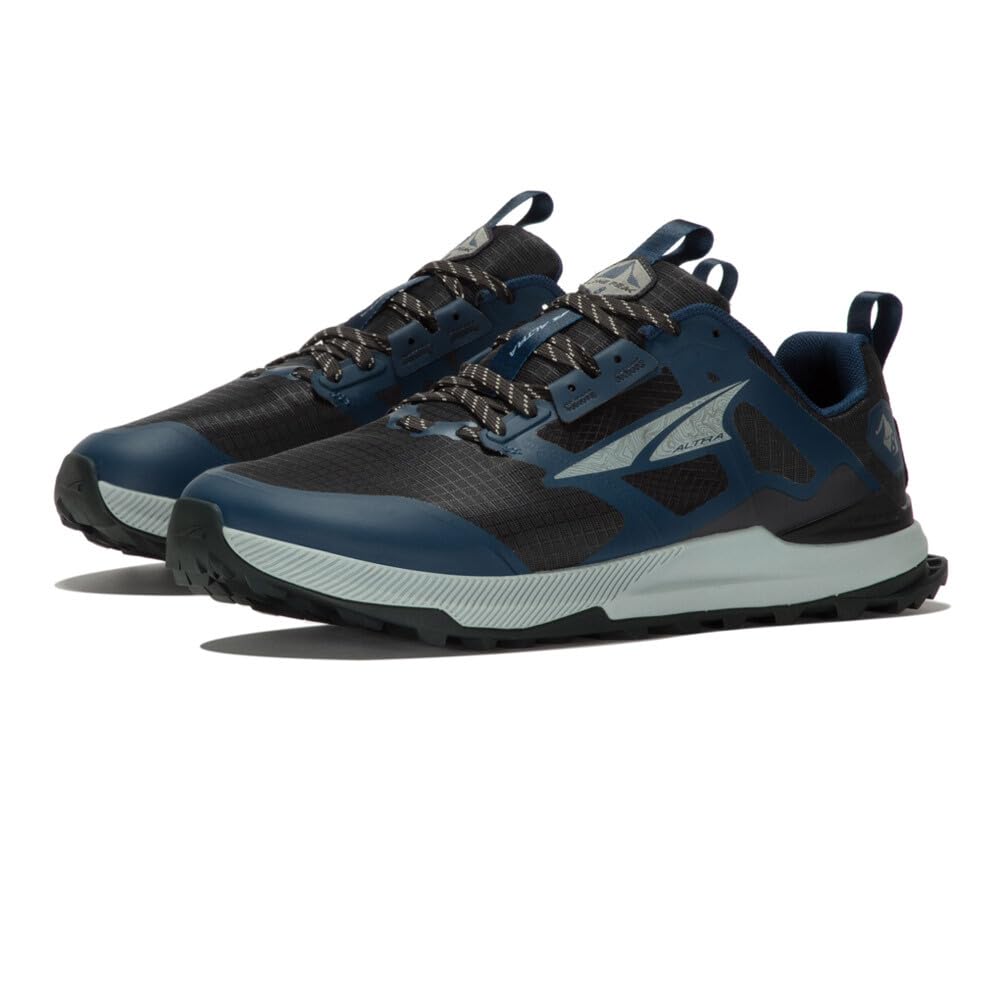
Altra Lone Peak 8

89 /100
Trail Score Excellent

Key details

Use
Trail and everyday
Terrain
Trail
Toe Box
Wide
Traction
Aggressive tread
Check Price on Amazon

The Lone Peak 8 is built around a wide toe box and a natural-feeling platform. On the trail, that shape gives your toes room to spread on descents without making the heel feel loose. The upper is soft against the foot, and the lacing is easy to adjust when you want a little more hold across the midfoot. Runners who have struggled with cramped forefeet will notice the difference immediately.

We think this is the best all-around balance of fit, grip, and daily comfort in this set. The outsole has enough bite for loose dirt, roots, and rock, and the platform stays stable when the trail turns uneven. It is also one of the few picks here that transitions easily to easy road stretches, which makes it a practical daily trainer rather than a race-only shoe. The ride feels balanced rather than overbuilt, so you can push the pace on smooth singletrack and still trust it on a long, rocky descent.

For a first trail shoe or a do-everything pair, that balance is the reason it earns our top spot. If your trails are mostly deep mud, the Speedcross is the more focused tool; for everything else, the Lone Peak is the easier shoe to live with. We kept coming back to it because it asks the least of the runner while still covering the trail basics well.

Pros

  • Wide toe box lets toes splay
  • Grippy outsole for mixed trails
  • Versatile for trail and everyday wear
  • Comfortable from the first run

Cons

  • Upper and outsole can wear early
Our verdict

Our default trail shoe for most runners: the wide toe box lets your feet spread on descents, while the grippy outsole and stable platform handle mixed terrain.

Check Latest Price
2

Best for Wet Trails

Salomon XA Pro 3D Ultra GTX

92 /100
Trail Score Outstanding

Key details

Support
Arch and heel
Terrain
Trail
Traction
High-grip
Waterproofing
GTX
Check Price on Amazon

A waterproof GTX upper is the reason to choose the XA Pro 3D Ultra. We like it for wet, rocky trails where a mesh shoe can soak through, and the protected build gives you confidence when the weather turns. This is our wet-weather pick in this set, the one that keeps the run going when the trail is slick and the forecast is wrong.

Traction is the other half of the case. The outsole grips slick rock, mud, and loose dirt with a certainty that makes steep descents feel less sketchy, and the support around the arch and heel is generous enough for long, rough days. It feels like a trail shoe built to take a beating rather than a stripped-down race shoe. We also appreciate that the protection does not come at the cost of a sloppy fit.

Fit is the deciding caveat. The cut runs closer through the midfoot than the wide-toe picks here, so broad-footed runners should try it before committing. If you have a narrower foot and want one shoe for wet, technical trails, this is the one we point to first.

Pros

  • Waterproof GTX upper for wet weather
  • Sure grip on slick rock and mud
  • Supportive arch and heel

Cons

  • Less breathable than mesh uppers
Our verdict

The one we reach for when the forecast turns: a waterproof, grippy trail shoe for wet rock and messy weather, though it fits best on medium-to-narrow feet.

Check Latest Price
3

Best for Mud

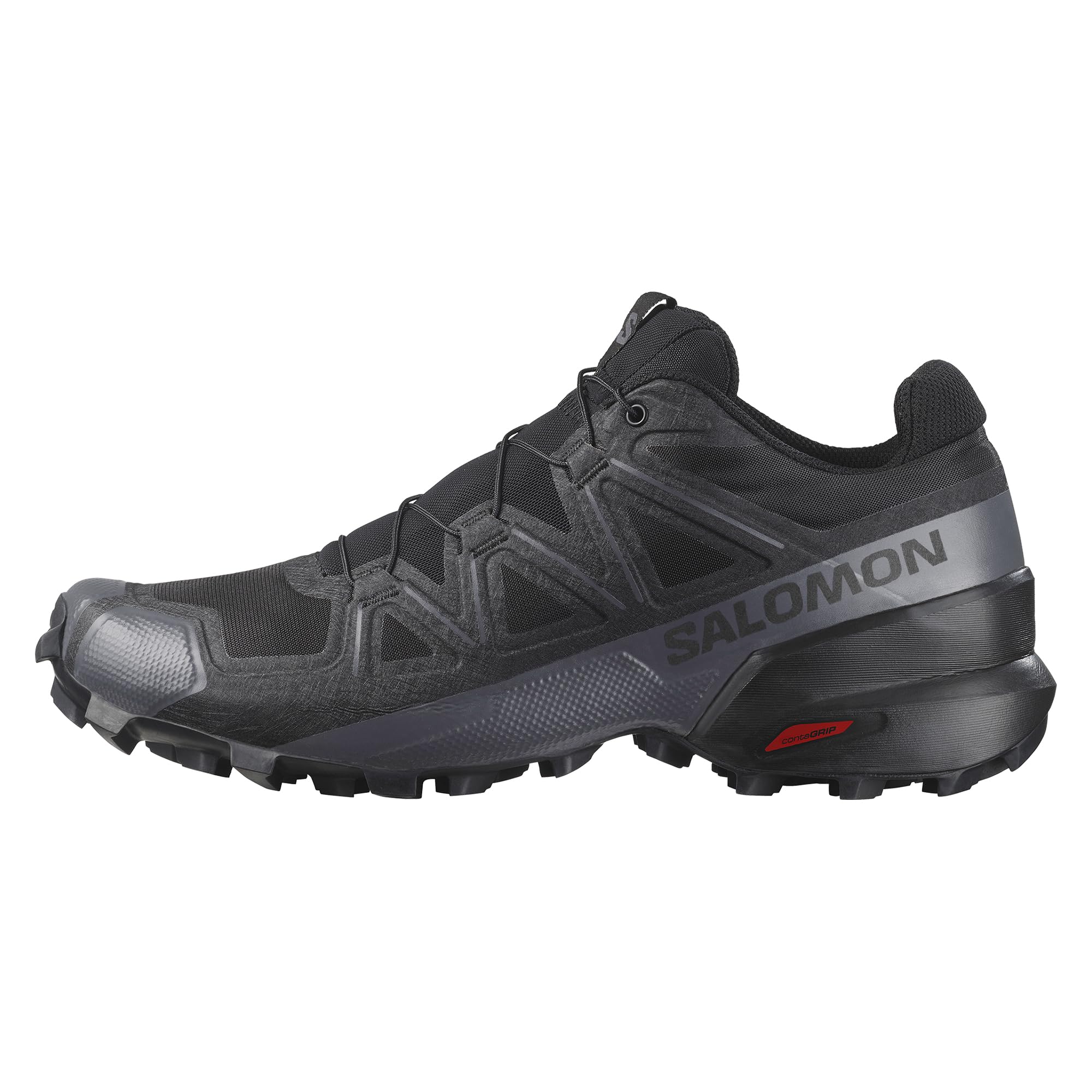
Salomon Speedcross

92 /100
Trail Score Outstanding

Key details

Use
Trail and everyday
Closure
Quicklace
Outsole
Aggressive lugs
Terrain
Soft, muddy trails
Check Price on Amazon

The Speedcross is defined by its deep, aggressive lug pattern. On soft dirt and mud, that tread is the reason to pick it: it bites where a lower-profile shoe can slide. The upper sits close to the foot, and the quicklace system is easy to adjust with one pull, even when your hands are cold or muddy.

Comfort is better than the aggressive look suggests. The shoe feels ready for a run right out of the box, and it works for trail walks and everyday wear as well as hard efforts. The deep tread makes a little noise on hard floors, which is a fair reminder that this is a soft-ground tool rather than a road shoe. On loose climbs and wet descents, the grip is the part that keeps your attention.

We treat it as the shoe for the messy days, not the one pair you buy for everything. If your trails are mostly hardpack, the XA Pro or Cascadia is more versatile. The Speedcross earns its place when grip matters more than all-day cushioning, and it is the pair we want when the forecast says mud.

Pros

  • Aggressive lugs for mud and loose ground
  • Quicklace is easy to adjust
  • Comfortable right out of the box

Cons

  • Narrow through the forefoot
  • Soles wear quickly on hardpack
Our verdict

Our pick for soft, muddy ground: the aggressive lugs bite when the trail turns greasy, but the narrow fit and quick wear make it a specialist.

Check Latest Price
4

Best Cushioned Trail Shoe

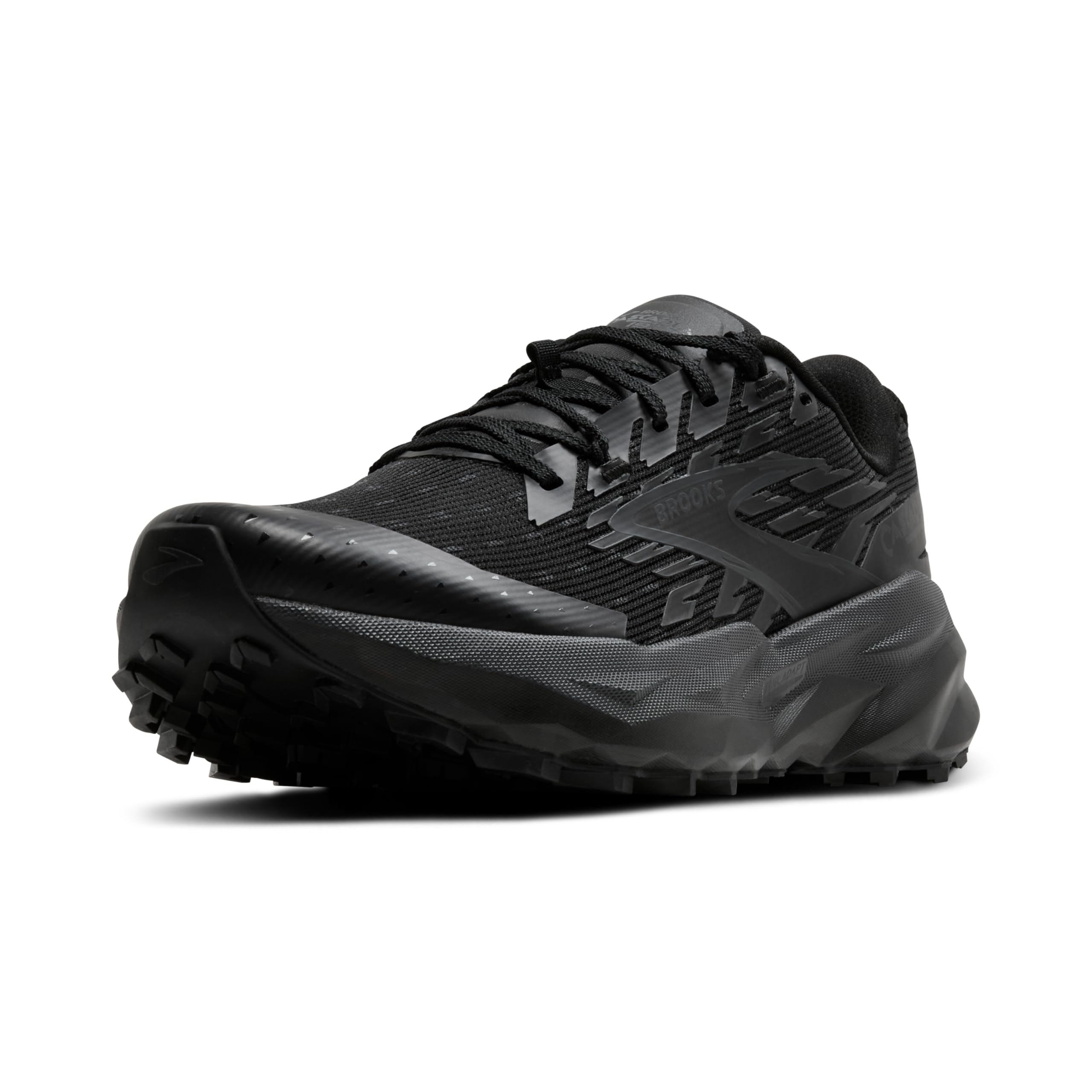
Brooks Cascadia 19

88 /100
Trail Score Excellent

Key details

Terrain
Mountain trail
Toe Box
Wide
Traction
Super grippy
Cushioning
Well padded
Check Price on Amazon

The Cascadia 19 leads with comfort: a well-padded midsole, a roomy toe box, and a stable base. On long descents, that cushioning takes the sting out of rocky ground, and the upper holds the foot without pinching across the toes. It is the shoe we reach for when the goal is a long day out rather than a fast, delicate run.

We think it is the best cushioned ride in this set for technical trails. Traction is the surprise: the outsole grips slick rock and loose gravel with more bite than the comfortable ride suggests. The support is firm enough to keep the foot planted on uneven ground, and the wide toe box gives you room to spread out on the climbs. It is a planted, protective ride rather than a lively one.

That makes the Cascadia a good match for technical trails and runners who want their feet to feel protected. If you want a more natural ride for short efforts, the Lone Peak is the better match. The Cascadia is the one we choose when the terrain is rough and the day is long.

Pros

  • Well-padded cushioning for long days
  • Excellent grip on slick rock
  • Roomy toe box with stable support

Cons

  • Outsole and tread can wear early
Our verdict

A cushioned, stable trail shoe for long days on technical ground; we like the roomy toe box and planted ride, though the outsole can wear early.

Check Latest Price
5

Best Budget

Saucony Excursion Tr15

88 /100
Trail Score Excellent

Key details

Weight
Lightweight
Terrain
Trail
Traction
All-purpose
Arch Support
Supportive
Check Price on Amazon

The Excursion Tr15 is the budget trail shoe we recommend first. It does not chase a niche: the fit is roomy through the toe, the lacing is simple, and the ride is comfortable enough for long walks and easy trail miles. We like that it puts grip and fit ahead of flash, which is exactly what a first trail shoe should do.

Traction is better than the low price suggests. On slippery, uneven ground, the outsole finds grip, and the arch support under the ball of the foot is a real plus on longer outings. The shoe is light enough to feel easy on the feet, and the roomy fit leaves space for thicker socks without crowding the toes. It is a sensible first trail shoe or a second pair for messy days when you do not want to risk your premium shoes.

Pros

  • Budget-friendly trail option
  • Grippy on slippery, uneven ground
  • Comfortable, roomy fit
  • Support under the ball of the foot

Cons

  • Durability is inconsistent
Our verdict

The budget trail shoe we recommend first: simple, comfortable, and surprisingly grippy, with a fit that suits a lot of feet.

Check Latest Price
6

Best Wide-Toe Value

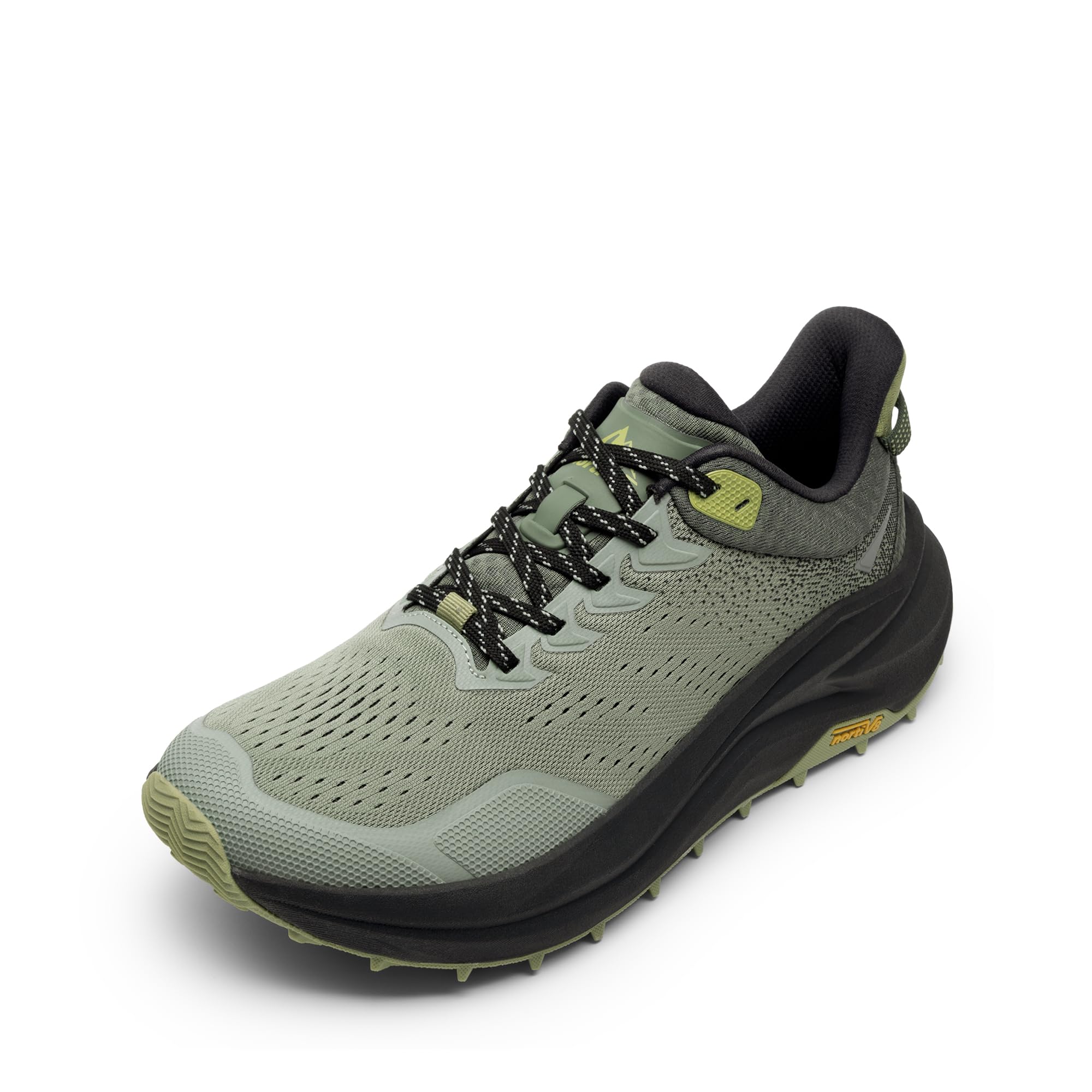
NORTIV 8 Trail Running Shoe

89 /100
Trail Score Excellent

Key details

Terrain
Trail
Toe Box
Wide
Cushioning
Moderate
Arch Support
Supportive
Check Price on Amazon

The NORTIV 8 puts a wide toe box on a budget trail shoe. The fit is the headline: broad feet get room to spread, and the upper is comfortable enough to wear right out of the box. It is a useful option for runners who have been squeezing into standard-width trail shoes and paying for the privilege.

Traction is aimed at dry, dusty trails, where the outsole grips well enough for easy miles and steady climbs. The arch support is more generous than we expect at this end of the range, and the cushioning is moderate rather than mushy. That combination makes the shoe feel supportive on long walks and light trail runs without turning every step into a marshmallow.

We recommend it for broad-footed runners and hikers who want a supportive trail shoe without paying premium money. It is not a close, race-day fit, and it will not satisfy someone who wants a precise technical shoe. For easy trails and all-day comfort, though, it covers the basics well.

Pros

  • Wide toe box for broad feet
  • Supportive arch and cushioning
  • Good grip on dry, dusty trails

Cons

  • Sole durability is mixed
Our verdict

We recommend this wide-toe trail shoe for broad feet and easy trails: it feels supportive from the first mile and costs little, though it isn't a race-day fit.

Check Latest Price
7

Women's Minimalist Runs

Joomra Barefoot Trail Shoe

88 /100
Trail Score Excellent

Key details

Design
Zero-drop minimalist
Closure
Cord lace and Velcro
Terrain
Trail
Toe Box
Wide
Check Price on Amazon

The Joomra Barefoot Trail Shoe is a zero-drop, minimalist design for women, and it is the least expensive way into that style in this set. The cord-lace-and-Velcro closure is a nice change from standard laces, and the shoe is easy to put on and adjust.

The wide toe box is the draw. It gives the toes room to spread, which is the whole point of a barefoot-style shoe, and the sole is flexible enough to let the foot move naturally. Traction is good enough for easy trails and everyday wear, though this is not the shoe for sharp rocks or steep technical descents.

We see it as a transition shoe rather than a technical trail tool. The minimal sole lets you feel the ground, which is the point, but it also means roots and rocks come through more clearly. If you are curious about a more natural ride and want to spend little, it is an easy way to try the idea.

We like it for easy trails, walking, and everyday wear. Runners who want protection for rocky descents should look at the Cascadia or XA Pro instead. For a low-cost, zero-drop shoe that lets your toes spread, it does the job.

Pros

  • Zero-drop minimalist feel
  • Wide toe box
  • Good grip for easy trails
  • Low-cost entry to barefoot running

Cons

  • Sizing runs inconsistent
  • Durability is mixed
Our verdict

A low-cost, zero-drop minimalist shoe for women who want a wide toe box and a barefoot feel; we like it for easy trails and everyday wear, not for rocky technical runs.

Check Latest Price

How We Tested 14 Pairs of Trail Running Shoes

We started by pulling every trail shoe we could find that came in a genuine range of sizes, including a wide option, then cut the list by lug depth, drop, rock plate, and price so we weren't testing eight versions of the same shoe. Fourteen pairs made the cut and stayed in rotation for eight months, roughly 30 to 60 miles each. They went where trail shoes actually go: a Tuesday-morning loop of wet roots and loose rock, long weekend runs on gravel fire roads, one memorably muddy week after a storm, and the pavement between the trailhead and my front door.

On the wet-root descent I run most weeks, I noted which shoes slipped and which held, then repeated that stretch in the rain. Every tester reported their usual size and how it compared, whether toes jammed on downhills, whether the heel lifted, and how the same pair behaved with thin socks versus thick ones. Comfort got judged the honest way: blisters, hot spots, bruised toenails, and whether I was still thinking about my feet at mile eight.

Durability we tracked by mileage. At 50 miles we photographed each outsole from the same angle, compared lug wear, and checked uppers for seam separation and laces that had frayed. Quality showed up in small things, like gusseted tongues, reinforced toe caps, and a heel counter that didn't collapse. To judge versatility and appearance, every pair did a Saturday of errands and a few easy gravel-path walks, which is honestly where most trail shoes end up. Value we weighed against remaining tread life, since the cheapest pair isn't a bargain if it's done by mile 200.

How to Choose Trail Running Shoes

Match the outsole to your trails

Trail outsoles range from low-profile rubber for hardpack to deep, soft lugs for mud and loose climbs. If your runs mix pavement and smooth dirt, a less aggressive tread is easier underfoot; for steep, soft ground, deeper lugs and a sticky compound matter more. We think the Salomon Speedcross is the specialist here for mud, while the Altra Lone Peak 8 is the more versatile default for mixed trails. Match the shoe to most of your running, not the one muddy race on your calendar.

Fit the toe box, then lock the midfoot

A wide toe box is only useful if the midfoot and heel still hold you. We check toe room with the foot loaded, then tighten the laces until the heel stays put on a downhill. The Lone Peak 8 and NORTIV 8 suit broad forefeet; the Salomon Speedcross runs closer through the forefoot, so start there only if you have a narrower foot. Try shoes late in the day, when feet are at their largest, and walk on a slope before you commit.

Choose cushioning for the distance and terrain

More cushioning protects the feet on long, rocky descents, but it can mute the ground and make quick footwork feel vague. If you run short, technical loops, a firmer shoe can be more precise; for long days, the Brooks Cascadia 19's padded platform is the friendlier choice here. We do not treat more foam as automatically better. Match the cushioning to how long and how rough your usual run is, then decide whether you want protection or a closer feel for the trail.

Decide how much weather protection you need

A waterproof membrane like the GTX upper on the Salomon XA Pro 3D keeps out wet grass and puddles, but it also holds heat and dries less quickly than a mesh shoe. Buy waterproofing for cold, wet conditions, not as a default. If you run in warm weather and only cross the occasional stream, a breathable trail shoe is the more comfortable choice. We treat weather protection as a tool for a specific climate, not an upgrade that every trail runner needs.

Try a lower drop gradually

Zero-drop and low-drop shoes change how your calf and Achilles work. The Joomra Barefoot Trail Shoe is the pure minimalist option here; the Altra Lone Peak 8 sits closer to a natural ride without demanding a barefoot-style transition. If you are coming from traditional road shoes, rotate the new pair in for short runs first and build up. A shoe that feels fine for a mile can feel very different at ten.

Frequently Asked Questions

Final Verdict

Most trail runners should start with the Altra Lone Peak 8. It gives you a wide toe box, a stable platform, and enough grip for mixed terrain without turning every run into a specialist exercise. If wet weather is the deciding factor, the Salomon XA Pro 3D Ultra GTX is the better tool; its waterproof upper and sure grip are worth the closer fit. Otherwise, the Lone Peak remains the easiest recommendation to live with.