Best Protein Powder for Perimenopause

Protein powder promises a lot in your mid-forties: steadier energy, fewer 3 p.m. crashes, and a fighting chance at holding onto muscle while your hormones rearrange the furniture. The problem is that the first scoop often lands badly — a drink so gritty you have to chew it, or a stomach that grumbles until lunch. What you actually need is a powder that dissolves without drama, tastes like something you'd finish on purpose, and lists ingredients you can read without opening a second tab.

I've stirred powder into coffee and oatmeal for years, and over the past five months my team and I have worked through 14 tubs in ordinary mornings. Some disappeared into cold water with a spoon; others set up like spackle in a shaker. We kept notes on the unglamorous parts, too — the two-scoop servings that quietly double your cost per gram, the formulas that left us bloated by mid-morning and the ones that didn't. The picks below are the ones we kept reaching for after the novelty wore off.

1

Best Overall

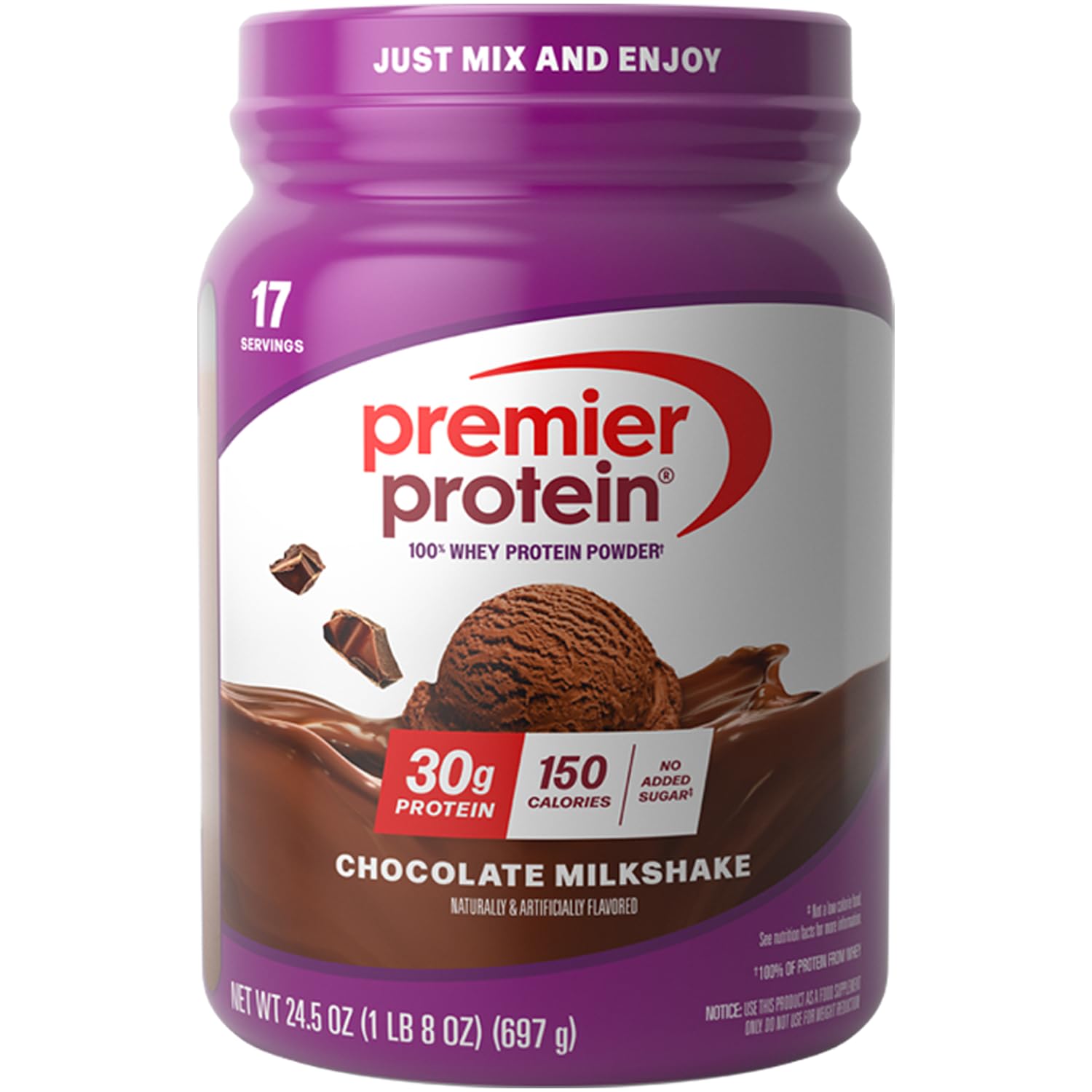
Premier Protein 30g Whey, Chocolate

93 /100
Trail Score Outstanding

Key details

Protein Source
100% whey
Servings Per Tub
17
Sugar Per Serving
0.04 oz
Protein Per Serving
1.06 oz
Check Price on Amazon

Thirty grams of protein in one scoop is what settled this pick. Only one other powder here reaches that number, and the rest sit between 20 and 25 grams — a gap that matters more in perimenopause than it did in your twenties, when the shake is usually how you top up a protein target rather than a treat you build a day around. At 150 calories, 3 grams of carbs and a gram of sugar, it leaves room for the milk, the frozen banana or the spoon of peanut butter you're adding anyway.

Chocolate is the flavor to start with. It tastes like chocolate milk rather than a vitamin pill, and with milk it comes out thick enough to feel like a treat while staying below the dessert line on sweetness, which is why it takes a spoon of coffee or cocoa powder well. Whey is also the protein most people digest without trouble, and it went down easily in our testing. If dairy is the thing that bloats you, skip to the plant picks below.

The one technique worth learning is the order of operations. Powder first, then liquid, and you get clumps welded to the bottom of the shaker; liquid first, then the scoop, then a hard shake, and it comes out smooth. Buy the chocolate, use a shaker with a ball in it, and hold your judgement until you've had it with milk rather than water.

Pros

  • 30 g protein per scoop, matched by only one here
  • 1 g sugar and 150 calories per serving
  • Mixes smooth once the liquid goes in first
  • Chocolate flavor that drinks like chocolate milk

Cons

  • Only 17 servings per tub
Our verdict

For most women in perimenopause, this is the powder we point to first: 30 grams of protein, a single gram of sugar, and a chocolate shake you'll finish.

Check Latest Price
2

Best Tasting

BSN Syntha-6, Strawberry Milkshake

95 /100
Trail Score Outstanding

Key details

Protein Source
Whey, casein and egg blend
Servings Per Tub
48
Sugar Per Serving
2–3 g
Protein Per Serving
0.78 oz
Check Price on Amazon

Forty-eight servings is the number that reframes this one. It's the priciest tub here by a distance, and it's also the one that keeps going: roughly seven weeks at a scoop a day, so the shelf price is doing something different from what it looks like.

What you get for it is the best-documented flavor in this group. The strawberry drinks like a milkshake, the texture is smooth and creamy rather than chalky, and it mixes cleanly in a shaker without the gritty residue some blends leave behind. That combination is what decides whether a tub gets finished or forgotten.

The blend is why it drinks so well: whey concentrate and isolate for the fast fraction, then calcium caseinate, micellar casein, milk protein isolate and egg albumin for the slow ones. A scoop carries more calories than a lean whey does, which is a fair trade when the shake is breakfast and a poor one if you're counting. Strawberry also happens to be one of the few protein flavors that survives plain water, which matters if you're not a milk person.

Pros

  • 48 servings
  • Strongest flavor and texture in this group
  • Smooth and creamy, not chalky
  • Mixes cleanly in a shaker bottle

Cons

  • More calories per scoop than a lean whey
  • Largest and priciest tub here
Our verdict

If flavor is what keeps you drinking a shake every day, this is the tub — a strawberry milkshake in powder form, with 48 servings to work through.

Check Latest Price
3

Best Vegan

EarthChimp Organic Vegan Protein, Chocolate

91 /100
Trail Score Outstanding

Key details

Probiotics
1 billion CFU
Added Sugar
0 g
Protein Per Serving
0.71 oz
Calories Per Serving
120
Check Price on Amazon

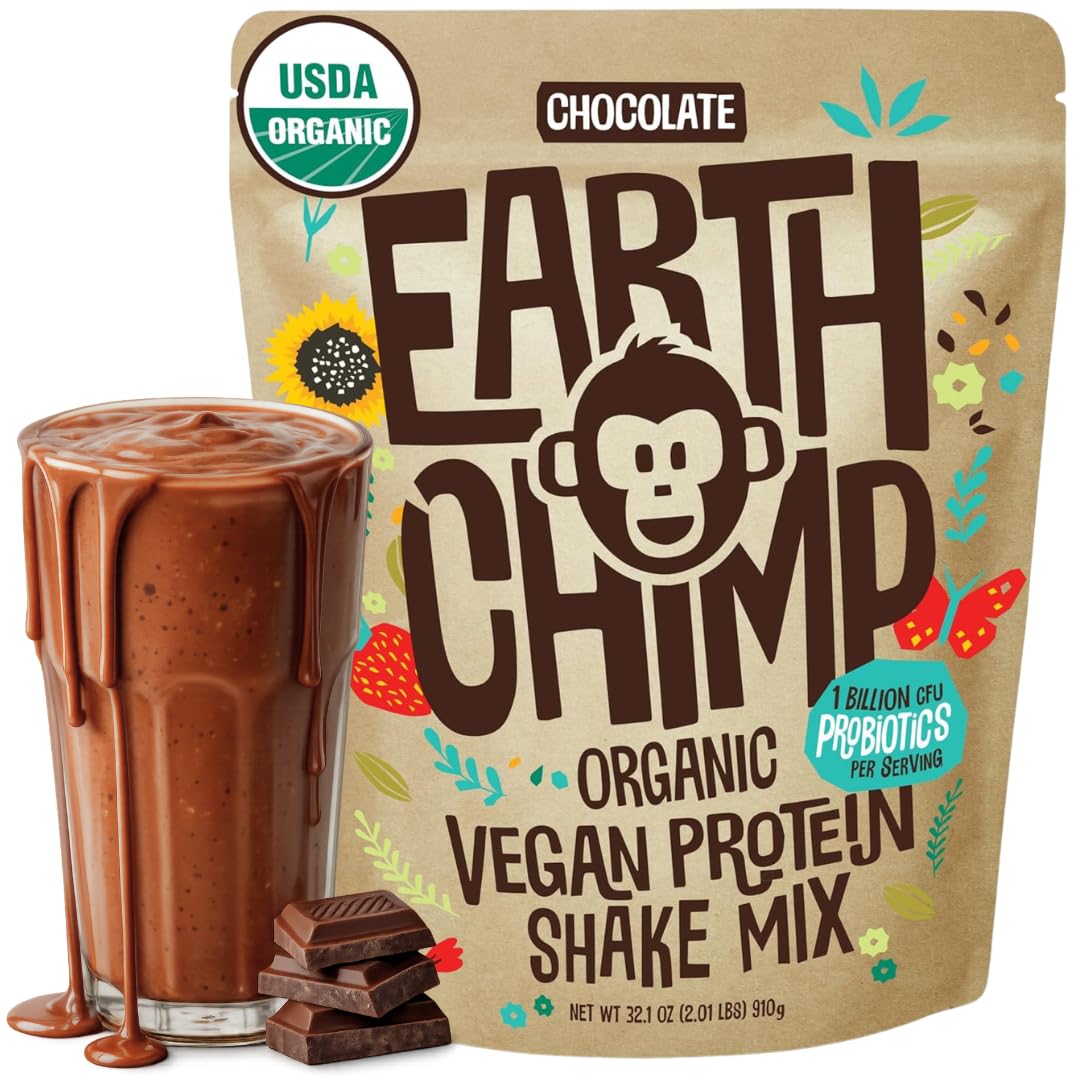
No stevia, no erythritol, no sugar alcohols — that's what got our attention. Most plant powders sweeten with something that leaves a cool, bitter edge, and EarthChimp leans on organic cocoa, dates and a little monk fruit instead. If you gave up on vegan protein because of the aftertaste, this is the bag to try.

The rest of the label holds up. Twenty grams of plant protein with all nine essential amino acids, 4 grams of fiber, 120 calories, no added sugar, and a billion CFU of probiotics in a 35-gram scoop. In almond milk it blends smooth rather than gritty, and the chocolate reads dark rather than sugary — closer to cocoa than to candy, which is exactly what makes it work with frozen berries in a smoothie.

That 35-gram scoop is bigger than a whey scoop, so a 2 lb bag empties faster than the weight suggests — worth knowing before you build a daily habit around it. Where it earns its keep is a fruit smoothie, where the dark cocoa and the dates have something to work against.

Pros

  • No stevia, erythritol or sugar alcohols
  • 20 g protein with all nine essential amino acids
  • Blends smooth in almond milk
  • 4 g fiber and 1 billion CFU probiotics

Cons

  • 20 g protein is the lowest per scoop here
  • Costs more than our budget plant pick
Our verdict

The plant powder we hand to anyone who's been put off vegan protein by a stevia aftertaste — clean label, real cocoa, and a shake that goes down smooth.

Check Latest Price
4

Best for Satiety

TrueFit Grass-Fed Whey with Fiber

89 /100
Trail Score Excellent

Key details

Probiotics
1 billion CFU
Protein Source
Grass-fed whey
Protein Per Serving
0.88 oz
Calories Per Serving
160
Check Price on Amazon

Fiber is the ingredient most protein powders leave out, and it's the reason this one holds. Twenty-five grams of grass-fed whey, prebiotic fiber, a billion CFU of probiotics and 160 calories in a scoop — a combination built for the shake you drink at eight in the morning and want to still feel at noon.

What we noticed in testing is that it carries: a shaker of this with oat milk got most of us to lunch without a detour through the pantry, which is more than we can say for the leaner whey powders here. The texture is smooth rather than chalky, it blends without clumping, and the chocolate is mild — pleasant, not deep. If you want a dark, bitter cocoa note, EarthChimp does that better.

Ignore the meal-replacement framing on the label. At 160 calories it's a protein shake, not lunch, and it only becomes a meal once you build it out with fruit, yogurt or a spoon of nut butter — easy to do, because the mild flavor takes additions without turning into dessert. What gives us pause is the price, which sits with the premium tubs here.

Pros

  • 25 g grass-fed whey plus prebiotic fiber
  • 1 billion CFU probiotics per scoop
  • Smooth texture that doesn't clump
  • Holds hunger until lunch

Cons

  • Foams up when blended with ice
Our verdict

Breakfast is where this one earns its place — 25 grams of grass-fed whey with fiber and probiotics built into the scoop.

Check Latest Price
5

Best Budget Plant

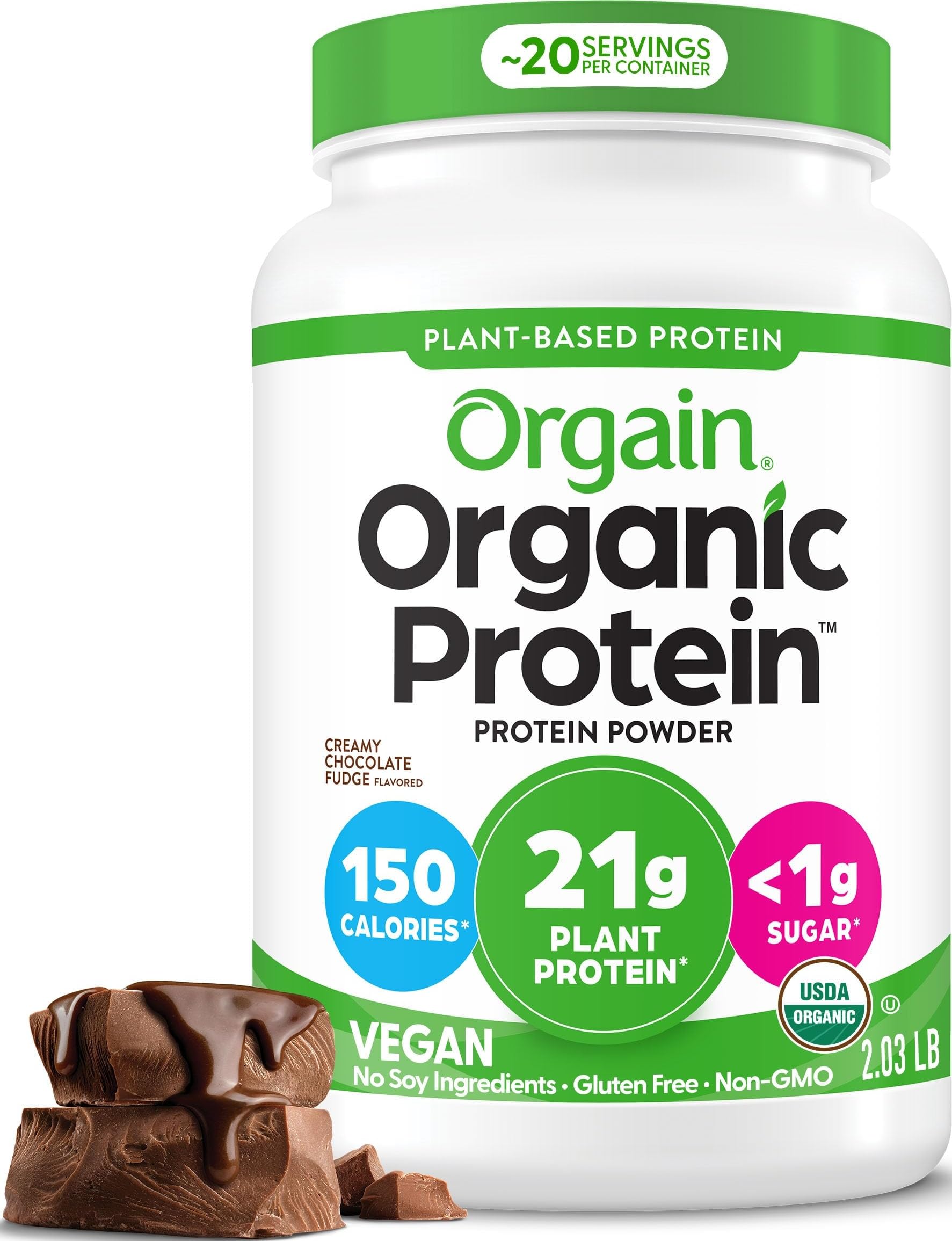
Orgain Organic Vegan Protein, Creamy Chocolate Fudge

91 /100
Trail Score Outstanding

Key details

Certification
USDA Organic
Protein Source
Organic pea, brown rice and chia
Sugar Per Serving
0 g
Protein Per Serving
0.74 oz
Check Price on Amazon

Set against the other plant pick here, this is the budget route into organic protein — 21 grams from peas, brown rice and chia, zero sugar, and a label that skips erythritol, carrageenan, soy and dairy.

It mixes well in almond milk and much better in a blender than a shaker; left to a bottle alone the texture can turn gritty, which is the one thing to plan around. The chocolate is sweet and rounded rather than dark, so it takes frozen banana and peanut butter happily, and that sweetness keeps it from tasting like a compromise on the mornings you're drinking it out of obligation.

For the money, this is the plant powder we keep coming back to: organic certification, a complete amino acid profile, and a flavor that doesn't need rescuing with three other ingredients. We use it in smoothies rather than water shakes, and it's the one we restock before we pay for a premium vegan tub.

Pros

  • Organic pea, brown rice and chia protein
  • 0 g sugar per serving
  • Lowest shelf price in this group
  • Sweet chocolate flavor that suits smoothies

Cons

  • 21 g a scoop, below the whey picks here
Our verdict

Budget-first plant protein: organic, 21 grams a scoop, zero sugar, and a chocolate flavor with enough body to hold up in a smoothie.

Check Latest Price
6

Sensitive Stomachs

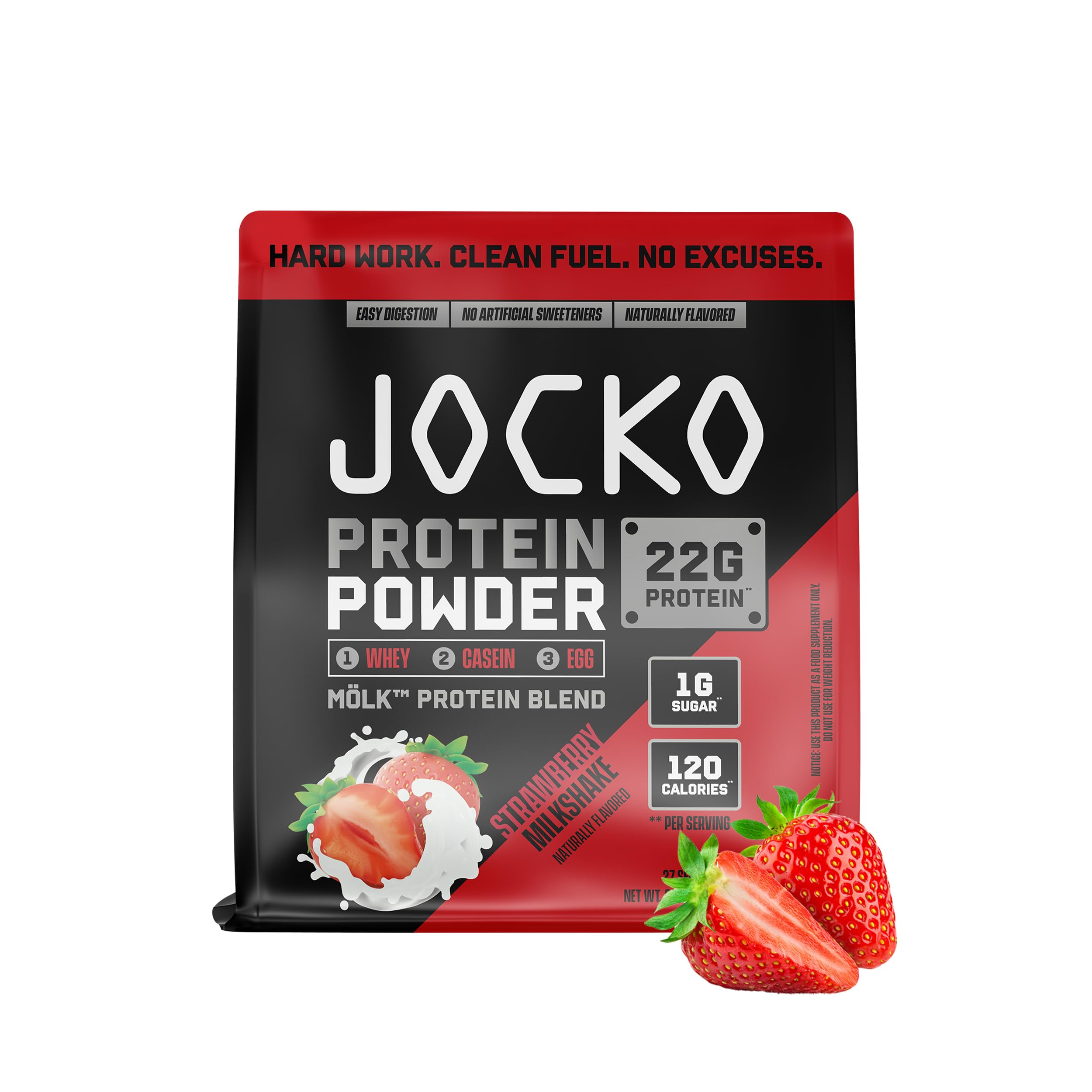
Jocko Mölk Whey Protein, Strawberry Milkshake

91 /100
Trail Score Outstanding

Key details

Sweetener
Allulose, monk fruit and reb-M
Added Cultures
Digestive enzymes and probiotics
Protein Source
Whey concentrate, isolate, casein and egg
Servings Per Tub
27
Check Price on Amazon

Four proteins in one scoop — whey concentrate, whey isolate, micellar casein and egg — is an unusual build for an everyday powder. Casein and egg slow the whole thing down, so the shake releases over a couple of hours instead of all at once, which is what you want when it's standing in for breakfast rather than following a workout.

Then there's the gut side. Digestive enzymes and probiotics are in the scoop, the sweetener is a blend of allulose, monk fruit and reb-M rather than sucralose, and there's no soy and no added hormones. It also mixes smooth in water as well as milk, which not every casein-heavy blend manages.

What the label doesn't shout is grams of protein per serving. If that number is how you choose a powder, read the panel before you buy, because it isn't sitting on the front of the tub the way it is on the others here.

Where it lands for us: this is the whey to try if concentrate alone leaves you bloated, and the slower blend is a genuine advantage in a breakfast shake. It costs more than the everyday whey picks, and for that money we want the protein number obvious before we get it home.

Pros

  • Four-protein blend that digests slowly
  • Digestive enzymes and probiotics included
  • No soy and no added hormones
  • Smooth in water, not just milk

Cons

  • Protein grams per scoop aren't stated up front
  • Pricier than the everyday whey picks
Our verdict

A gut-friendly whey for anyone who finds plain concentrate heavy — read the panel for the grams before you commit.

Check Latest Price
7

Clean-Label Sipping

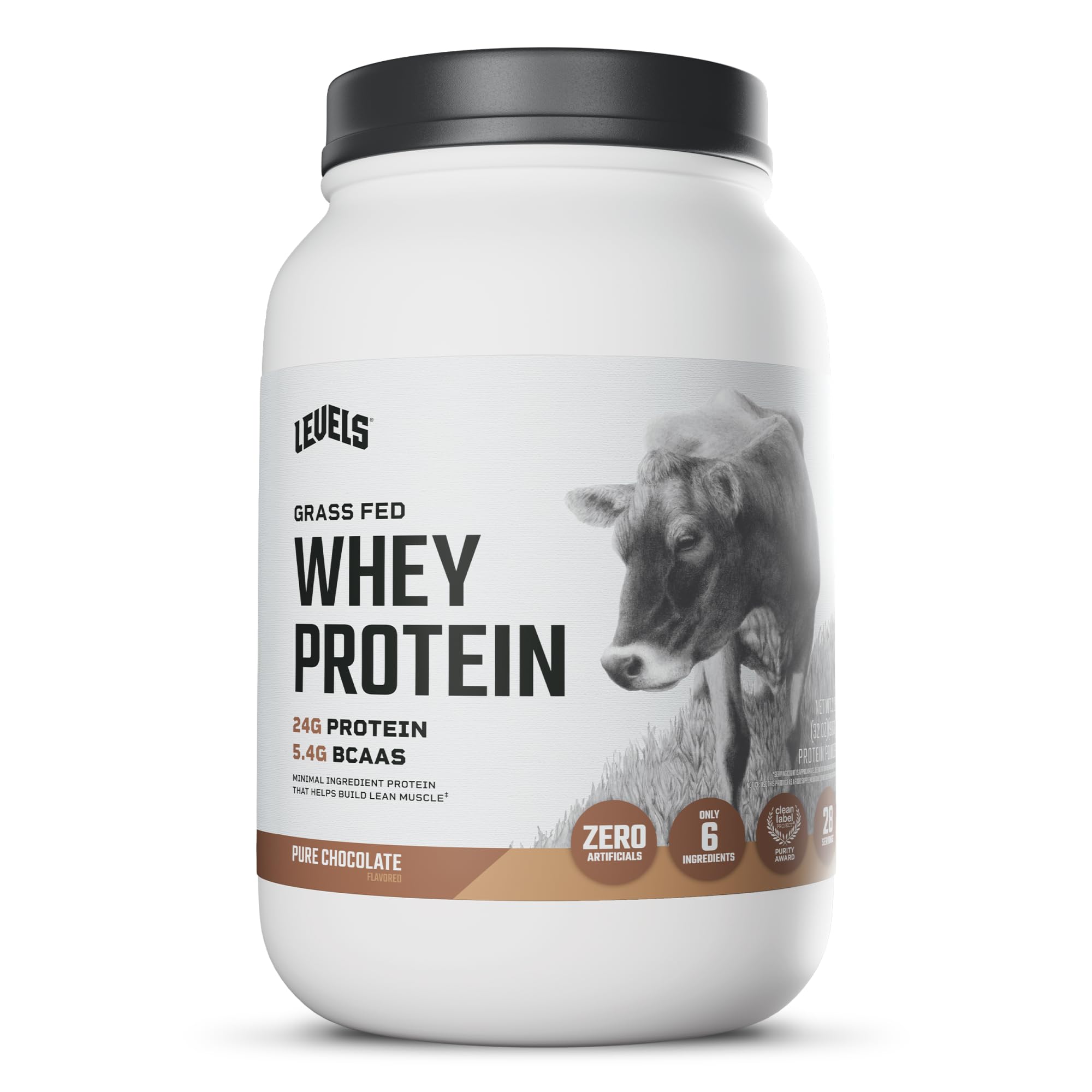
Levels Whey Protein, Pure Chocolate

89 /100
Trail Score Excellent

Key details

Added Sugar
0 g
Protein Source
Grass-fed whey concentrate
BCAAs Per Serving
0.19 oz
Protein Per Serving
0.85 oz
Check Price on Amazon

A short ingredient list is what you're paying for: grass-fed whey concentrate, cold-pressed cacao, monk fruit, and no fillers, artificial flavors or sweeteners on the label. If you've spent months reading tubs and wanted one that doesn't require a chemistry qualification, this is it.

Twenty-four grams of protein and 5.4 grams of BCAAs a scoop, no added sugar, and it mixes easily in both water and milk. The chocolate is made with real cacao rather than flavoring, so it lands closer to unsweetened cocoa than to candy — grown-up, and not remotely a milkshake.

Texture is where it divides. In water it comes out thin, and blended it can go frothy or grainy depending on how long you run it; milk rounds out most of that. Note too that this is concentrate rather than isolate, so the lactose comes along with the protein.

Our take: if the ingredient list is the first thing you check, this earns its premium, and pure chocolate is the version to get. What it won't do is satisfy a sweet tooth — there's no dessert illusion here, just a clean, grown-up chocolate drink that gets better with milk.

Pros

  • Short, clean ingredient list
  • 24 g protein and 5.4 g BCAAs
  • Real cacao rather than chocolate flavoring
  • Mixes easily in water or milk

Cons

  • Thin texture and a barely sweet flavor
  • Premium price for a 2 lb tub
Our verdict

For the shortest ingredient list here, this is the tub — real cacao, monk fruit, and 24 grams of grass-fed whey, at a price that reflects it.

Check Latest Price
8

Strawberry Lovers

Body Fortress Super Advanced Whey, Strawberry

93 /100
Trail Score Outstanding

Key details

Tub Size
1.78 lb
Protein Source
Whey protein
Added Nutrients
Vitamins C, D and zinc
Protein Per Serving
1.06 oz
Check Price on Amazon

Vitamins C and D plus zinc in a whey powder is an unusual bonus, and it's the clearest thing separating this tub from the other 30-gram option here. It's a small extra rather than a reason to buy, but it's not nothing if you'd rather not take a separate tablet.

The core is what matters: 30 grams of whey a scoop, low sugar, no aspartame, gluten-free, and strawberry. Strawberry is the flavor most likely to taste artificial in a protein powder, and a straight whey has less creamy bulk to hide behind than a casein blend does.

So this is the pick for a strawberry drinker who wants 30 grams a scoop and likes the vitamin extras at a mid-range shelf price. The 1.78 lb tub is on the small side, which suits someone still working out whether a daily shake is going to stick.

Pros

  • 30 g whey protein per scoop
  • Added vitamins C and D and zinc
  • No aspartame and low in sugar

Cons

  • Strawberry flavor is a gamble
  • Small tub, so frequent rebuys
Our verdict

A solid 30-gram whey with a couple of immune extras — worth it if you like strawberry, skippable if you don't.

Check Latest Price

How We Tested 14 Protein Powders Through Real Mornings

We started with a long list of powders sold to women in their 40s and 50s, then cut anything that wouldn't publish a full nutrition panel, anything whose protein number leaned on a serving nobody would actually scoop, and anything priced absurdly per gram of protein. That left 14 tubs, all bought at retail rather than sent by brands, so nothing got graded on the kindness of a free sample.

For five months those tubs sat on my kitchen counter. Each one went into cold water in a shaker, into hot coffee, and into overnight oats, and I noted whether it clumped at the bottom, foamed over the rim, or coated the glass. We tasted each plain and again after an hour in the fridge, since a powder that turns bitter as it sits is a powder you stop using. Texture got its own line in the notes: thin and watery, chalky, or thick enough to feel like a shake.

Digestion was the worry we heard most, so each tester used one powder daily for a week at a time and logged bloating, gas, and how we felt by mid-morning. We read every ingredient list, flagging added sugars, sugar alcohols, and blends that hide their doses behind a proprietary label. And because a tub is a commitment, we counted the servings each one actually yielded, tracked cost per gram of protein, and paid attention to whether the lid resealed, whether the scoop was buried to the wrist, and whether reordering was two clicks or a subscription we'd have to cancel.

How to Choose a Protein Powder for Perimenopause

Start With Grams Per Scoop

A scoop that lands 30 grams does a different job from one that lands 20. If the shake is your protein anchor — the thing standing in for breakfast on a rushed morning — look for 25 to 30 grams and accept a slightly bigger scoop. If you're building the shake with milk, Greek yogurt or a spoon of nut butter, a 20- or 21-gram plant powder gets you to the same place without a mountain of powder.

Our top pick hits 30 grams for 150 calories. The plant picks here sit at 20 and 21 grams and ask you to make up the difference in the glass. Neither approach is wrong; just decide whether you want the protein in the scoop or in the fridge.

Whey, Plant, or a Slow Blend

Whey is complete, cheap to produce and fast to absorb, which is why most powders use it. Blends that add casein and egg digest more slowly and keep you full longer, at the cost of a heavier shake. Plant powders built on pea, brown rice and chia cover the amino acids too, and they're the answer if dairy leaves you bloated.

If you've been blaming protein powder for stomach trouble, give a plant option two weeks before you abandon shakes altogether. If it's only whey concentrate that bothers you, an isolate or a blend with digestive enzymes is the cheaper fix.

Read the Sweetener Line

The sweetener is what people fall out of love with in week two. Stevia leaves a cooling, bitter edge; erythritol and other sugar alcohols can bring gas along with the sweetness; monk fruit, allulose and a small amount of real sugar sit more gently. EarthChimp skips stevia and sugar alcohols altogether, Jocko uses allulose and monk fruit, Levels uses monk fruit, and Syntha-6 spends 2 to 3 grams of actual sugar to buy its flavor.

Our rule: if you already know stevia or erythritol bothers you, pick a monk fruit or allulose formula and read the ingredients panel rather than the front of the tub. A naturally sweetened claim tells you nothing about which of the two you're getting.

Will It Actually Mix in a Shaker

Every tub promises easy mixing, and almost none of them mean it in a bottle with a ball. Plant powders and casein-heavy blends are the usual offenders, going gritty or clinging to the sides. The fix is order and agitation: liquid first, powder second, then shake hard for a full ten seconds in a bottle with a wire ball rather than a plain lid.

If you know you'll never touch a blender, favour a whey powder and skip the thick blends. If you own a blender, plant powders stop being a compromise, because thirty seconds of blending fixes a texture a shaker can't.

Tub Size and Cost Per Shake

Seventeen servings and 48 servings sit in the same aisle, and the shelf price tells you almost nothing about what a shake costs. Divide servings into price before you compare. The biggest tub here is also the cheapest per scoop, but only if you'll finish it.

Five pounds of powder is a commitment — roughly seven weeks of the same flavor at a scoop a day — so buy small the first time you try a brand. Once you know you like it, the big tub is where the value lives. And don't read a half-empty-looking tub as short weight; powder settles in transit, so check the net weight on the label instead.

Frequently Asked Questions

Final Verdict

The deciding factor for us is dose. Thirty grams of protein for 150 calories is the most useful thing a powder can do at this point in life, and Premier Protein delivers it in a chocolate shake that mixes up thick and goes down easy. If flavor is what keeps you drinking one, choose Syntha-6; if dairy is off the table, EarthChimp is the plant pick we hand people.

Either of those beats a technically perfect tub left at the back of the cupboard, which is the failure mode worth avoiding here.