Best Prebiotic Supplements of 2026

The trouble with prebiotic supplements isn't finding one—it's finding one you'll keep taking. Many promise to feed the good bacteria in your gut, but they can also leave you bloated, gritty, or gagging on a fake-sweet flavor. The fiber that feeds your microbiome can ferment and cause gas, especially in the first week. Over the past six months, I've tested 12 prebiotic supplements, from flavored gummies to unflavored powders, and the ones that stick around are the ones that make the daily habit easy.

Taste and texture matter more than the label claims. A powder that clumps in cold water or a gummy that sticks to your teeth won't survive a busy morning. I looked at fiber content per serving, portability (single-serve packets vs. a tub), and how my stomach felt over the first two weeks—because digestive side effects are the main reason people quit. Value came down to cost per serving, not sticker price. The picks below are the ones that passed all of that.

1

Best Overall

Benefiber Prebiotic Fiber Powder

95 /100
Trail Score Outstanding

Key details

Flavor
Unflavored
Dissolves
Clear in non-carbonated drinks
Pack Size
28 stick packs
Prebiotic Fiber
Wheat dextrin
Check Price on Amazon

The premeasured stick packs are why this is our top pick. You tear one open, add it to a non-carbonated drink or a bowl of yogurt, and stir; the wheat dextrin disappears without grit or flavor. That sounds small, but it removes the two things that derail a daily fiber habit: scooping and guessing.

We kept a few packets in a bag and liked that they don't need refrigeration or a dedicated shaker. The 28-pack box is easy to ration, and because each stick is premeasured, you're not eyeballing a serving after a long day. The formula is unflavored on purpose, so it won't fight with coffee, juice, or a smoothie.

What we appreciated most is how little it changes the drink. We mixed it into water and coffee and didn't get the thickening or film that makes some fiber powders unpleasant. The powder is designed to dissolve clear in non-carbonated liquids, so skip sparkling water unless you want to deal with foam. For a daily habit, that neutrality matters more than an exotic fiber blend.

If you already have a morning drink, this is the easiest way to add prebiotic fiber without adding a ritual. If you prefer to scoop your own dose or want an inulin-based powder, the NOW inulin is the better fit. But the stick pack is the one we reach for when we're packing a bag, and that's the test that matters for a supplement you have to take every day.

Pros

  • Premeasured packets travel easily
  • Dissolves clear with no taste or grit
  • Works in coffee, water, or yogurt
  • Makes daily fiber a low-effort habit

Cons

  • Wheat dextrin base; check if avoiding wheat
  • Packets cost more per serving than bulk powder
Our verdict

We recommend the Benefiber sticks as the default because they turn prebiotic fiber into a tasteless, premeasured addition to any non-carbonated drink.
Check Latest Price
2

Best Bulk Powder

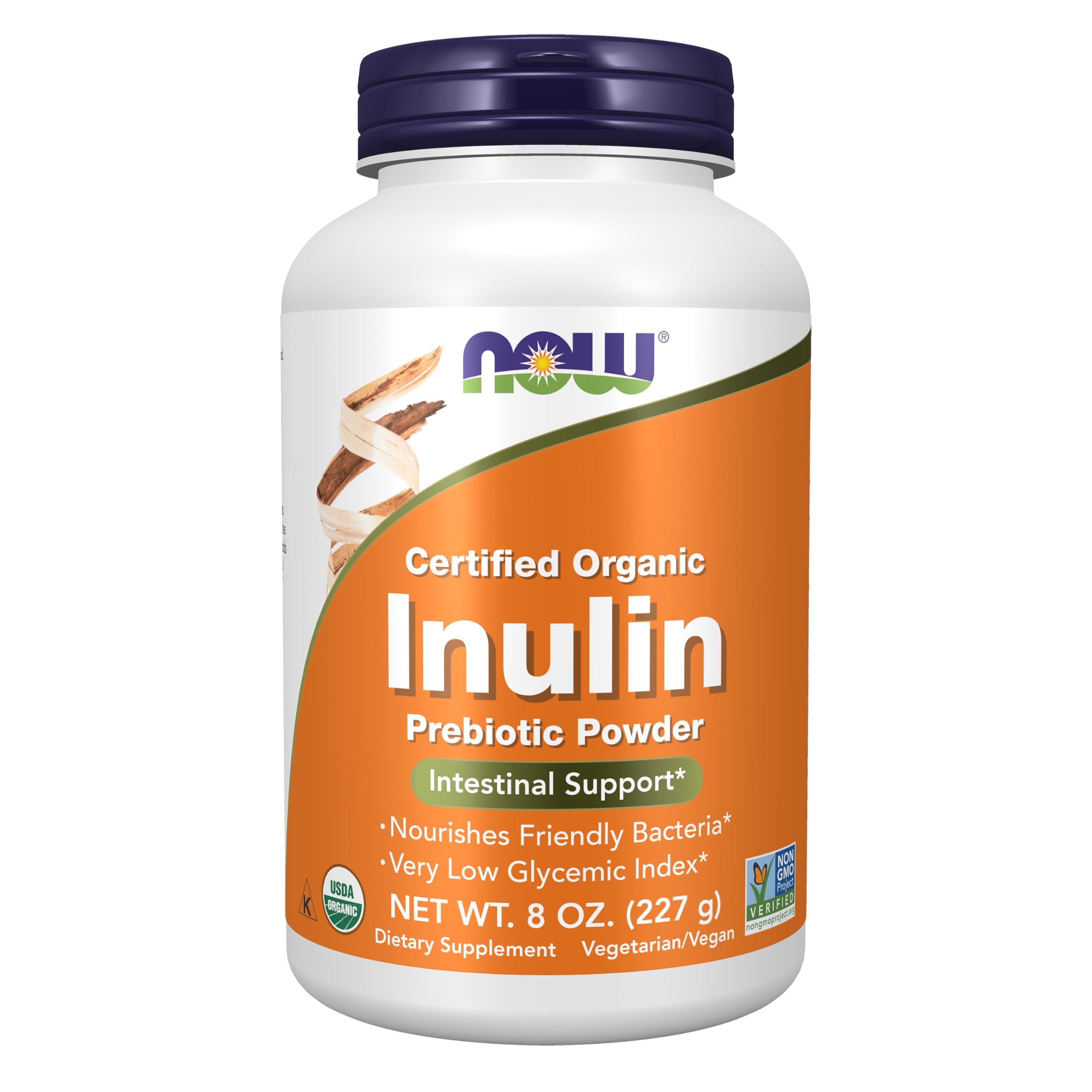
NOW Inulin Prebiotic Powder

93 /100
Trail Score Outstanding

Key details

Form
Powder
Size
8 oz
Certification
Certified organic
Prebiotic Fiber
Inulin (FOS)
Check Price on Amazon

Inulin is the prebiotic you'll see in a lot of gut-health products, and NOW's version is the most flexible way to try it. The 8-ounce tub is a plain, certified organic powder with a faint sweetness; you scoop it into coffee, smoothies, or yogurt and adjust the amount yourself.

We liked that control. A premeasured stick is easier, but a tub lets you start with a smaller spoonful and work up, which matters with inulin because gas and bloating can show up when you increase quickly. The powder dissolves best in warm or room-temperature liquids; in cold water it can cling to the glass or turn into a sticky patch at the bottom if you don't stir it enough.

The mild sweetness is another point in its favor. It doesn't taste like a supplement, and it won't overwhelm coffee or oatmeal. At the same time, this is a bulk ingredient, not a grab-and-go packet. You need a dry spoon, a clean container, and a little patience. For someone who already makes a daily drink or yogurt bowl, that's a fair trade for the lower cost per serving and the ability to dial in the dose.

If you want a pure inulin/FOS powder and don't mind measuring, this is the one we point to. If you need travel packets or a completely neutral flavor, the Benefiber sticks are easier. The tub has a place on the counter, not in a travel bag.

Pros

  • Flexible scoop-your-own dosing
  • Mild sweetness won't overpower drinks
  • Certified organic and non-GMO
  • Lower cost per serving than packets

Cons

  • Adds faint sweetness to savory foods
Our verdict

We reach for the NOW tub when we want to control the dose and don't mind measuring; it's the most flexible pure inulin powder here.

Check Latest Price
3

Best No-Water Option

Benefiber Chewable Fiber Tablets

91 /100
Trail Score Outstanding

Key details

Form
Chewable
Count
100 tablets
Flavor
Assorted fruit
Dietary
Sugar-free and gluten-free
Check Price on Amazon

A chewable tablet is the only fiber supplement that works when you're nowhere near a sink. Benefiber's version is sugar-free and gluten-free, with an assorted fruit flavor and a 100-count bottle that fits easily in a drawer or bag. That makes it the one we tuck into a work bag or keep in the car console for the days when a powder isn't practical.

The flavor is pleasant enough, and the tablets don't need water or a shaker. We kept the bottle in a desk drawer and liked that it was there when we forgot to pack a powder. The sugar-free and gluten-free labels also make it the simplest Benefiber option for people checking those boxes. The bottle is small enough to leave in a purse, though it's not as discreet as a single packet.

We see these as a backup rather than a daily driver: the no-water convenience is real, and the bottle is easy to stash. If you need a shelf-stable option for travel or a desk, they earn their place. If you want the most pleasant daily habit, a powder or gummy is easier to look forward to. The tablets are the ones we restock for convenience, not for the pleasure of taking them.

Pros

  • No water or mixing needed
  • Sugar-free and gluten-free
  • Fits a desk drawer or bag

Cons

  • Large, chalky tablets
  • Full serving takes multiple tablets
Our verdict

We keep these for the days when there's no sink nearby: they're the easiest no-water prebiotic option here, as long as you can handle a chalky chew.

Check Latest Price
4

Gummy with Probiotics

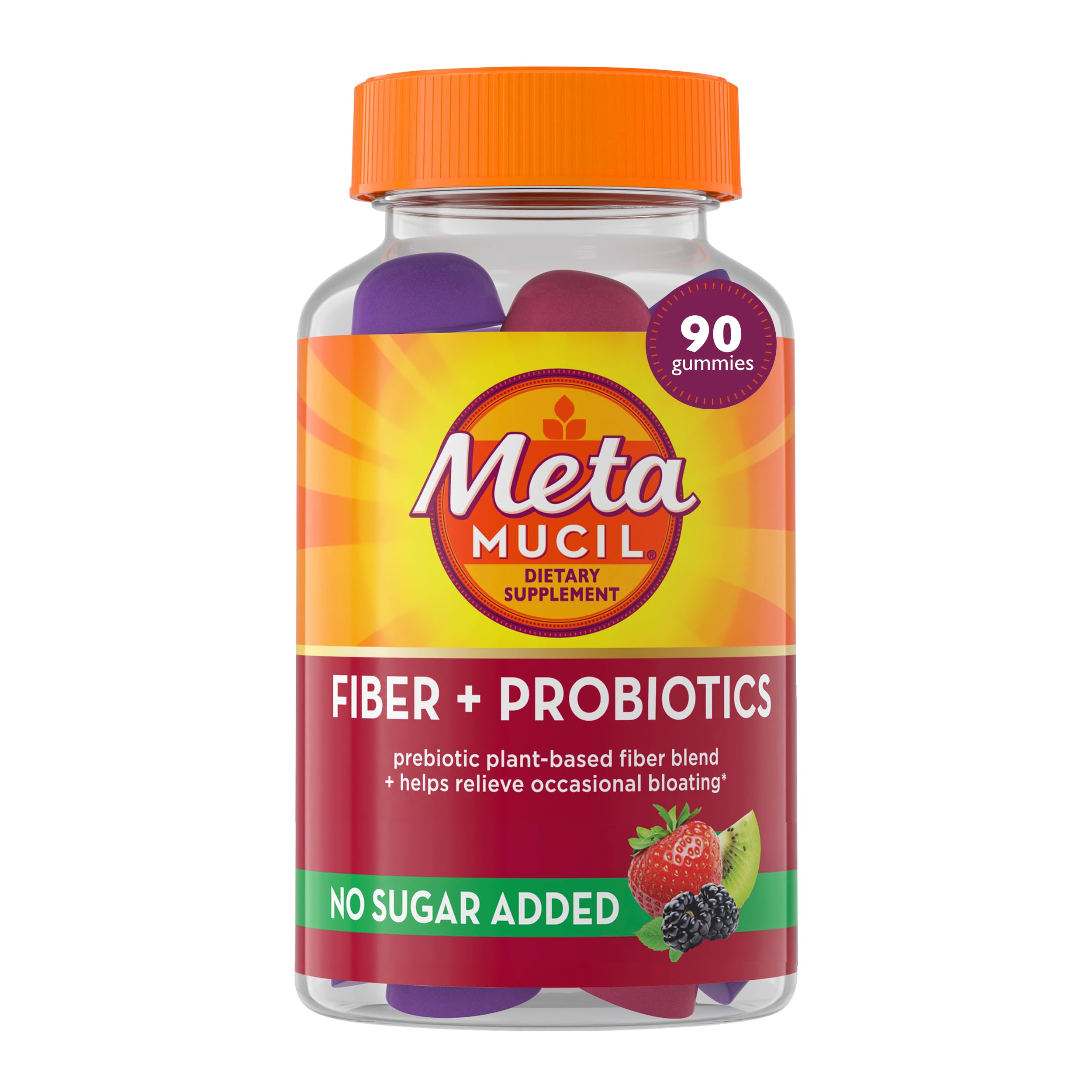
Metamucil Fiber Probiotic Gummies

92 /100
Trail Score Outstanding

Key details

Count
90 gummies
Sugar
No sugar added
Probiotics
1 billion CFU
Fiber Per Serving
0.18 oz
Check Price on Amazon

Metamucil's gummies are the only pick here that adds probiotics to the fiber, which makes them a different kind of purchase. You get a prebiotic plant-based fiber blend plus 1 billion CFUs of probiotics per serving, and the strawberry kiwi blackberry flavors are sweet without added sugar.

We liked the taste and the soft chew; the gummies don't have the chalky finish of a tablet. The no-sugar-added formula is a sensible touch, and the fruit flavors are distinct enough that you won't dread the daily serving. But this is not the pure prebiotic some shoppers are looking for. If you want to feed your gut bacteria without adding a probiotic strain, choose a fiber-only product.

The taste is the reason to consider these over a powder if you need a gummy. The no-sugar-added formula is a sensible touch, and the fruit flavors are distinct enough that you won't dread the daily serving. For someone who already wants fiber and a probiotic together, the convenience can justify the format; for someone who just wants fiber, a fiber-only product is more direct.

We see these as a niche pick rather than the default. They're useful if a gummy is the only format you'll stick with and you're curious about a probiotic bonus. If you want a straight prebiotic gummy, look for one that lists inulin or another fiber without a CFU count.

Pros

  • Adds 1 billion CFU probiotics per serving
  • No sugar added
  • Soft, fruity gummy

Cons

  • Several gummies per serving
  • Premium cost per serving
Our verdict

We see the Metamucil gummies as a useful two-in-one for people who want fiber and a probiotic in one sweet chew, not as a pure prebiotic.

Check Latest Price

How We Tested 12 Prebiotic Supplements for Daily Use

We started by narrowing the field to 12 supplements available without a prescription, filtering out anything with less than 3 grams of fiber per serving or vague proprietary blends. Then we spent six months living with them—not just reading labels. Each morning, I mixed powders into eight ounces of cold water and, separately, into hot coffee to see which clumped. Gummies were chewed at my desk and on walks; single-serve packets went into a backpack for a weekend trip. We tracked how each made us feel for the first two weeks, noting bloating, gas, and any change in regularity.

Taste was assessed plain and flavored: Did the unflavored versions actually disappear into coffee, or leave a chalky film? We rated texture by mouthfeel—gritty, slimy, or smooth—and chewability for gummies, including whether they stuck to molars (a dental compatibility check). Portability was simple: we weighed tubs and counted how many single-serve packets fit in a small bag. Fiber content came from the supplement facts panel, but we also noted whether the dose felt realistic to take daily. Value was calculated as cost per serving, not per bottle.

Digestive effects got their own log. We started with half doses and increased over a week, recording side effects like cramping or loose stools. The supplements that made the shortlist were the ones we could take consistently without planning our day around a bathroom. We'll keep using these and update if anything changes.

How to Choose a Prebiotic Supplement

Match the Form to Your Routine

Powder is the most adaptable format: you can stir it into coffee, water, a smoothie, or yogurt, and a bulk tub lets you adjust the dose. The trade-off is measuring and mixing. Premeasured stick packs, like the Benefiber powder, cost more per serving but remove the scoop and the guesswork. Gummies and chewables are easier to take away from a sink, but you need to check how many pieces make a serving; a 90-count bottle is not a 90-day supply if the label calls for several gummies.

If taste is what keeps you consistent, a gummy can be the better habit. If you want no water at all, a chewable tablet is the most packable option, though texture matters more than flavor with chewables. We like powders for flexibility, gummies for adherence, and chewables for a bag or desk drawer.

Look at the Fiber Type and Dose

Wheat dextrin and inulin are the two prebiotic fibers in this group. Wheat dextrin is the base of the Benefiber powder and tablets; it dissolves clear and has little taste. Inulin, used in the NOW powder, is a fructooligosaccharide with a faint sweetness. Neither is automatically better. Inulin is the one to introduce slowly if you are prone to gas, and it can clump in cold liquids. Wheat dextrin is easier to hide in a drink, but check the label if you avoid wheat.

Dose matters as much as the type. Look at the grams of fiber per serving and the number of pieces or scoops that serving requires. A powder lets you start with half a scoop; a gummy does not. If you want to fine-tune, choose a bulk powder. If you want a fixed serving, a stick pack or tablet is simpler.

Start Low and Give It Time

Fiber supplements can cause gas and bloating when you start, especially inulin. Begin with a smaller serving than the label suggests, drink enough water, and increase over a week or two rather than jumping to the full dose. If you are already taking a fiber powder, do not add a gummy on top without checking the total grams; more is not automatically better.

The goal is a steady daily habit, not a quick fix. If a product causes uncomfortable bloating at the starting dose, back off and try a different fiber type before giving up on prebiotics altogether. The unflavored sticks are easy to scale because each packet is one serving, but you can still start with half a packet.

Check the Label for Additions

A standalone prebiotic should list a fiber source such as inulin, FOS, or wheat dextrin, not a live probiotic CFU count as its main selling point. The Metamucil gummies are a two-in-one with 1 billion CFUs of probiotics, which is useful if you want both but more than you need if you want a pure prebiotic. Also check for sugar alcohols, added sugar, and gluten-free labeling if those matter to you. The Benefiber chewables are sugar-free and gluten-free; the wheat dextrin powder is not labeled gluten-free.

If you take medication or have a digestive condition, talk to your clinician before adding a fiber supplement. That is especially true if you are stacking a prebiotic with a separate probiotic or a fiber powder.

Frequently Asked Questions

Final Verdict

For most people, the Benefiber Prebiotic Fiber Powder is the easiest default: the stick packs are premeasured, unflavored, and dissolve clear in the drinks you already have. If you want to control the dose or prefer a bulk tub, the NOW Inulin Powder is the flexible alternative. For a no-water option, the Benefiber chewable tablets are the one to keep in a bag. The Metamucil gummies make sense only if you specifically want a gummy with a probiotic bonus.