Best OTC Allergy Medicine of 2026

A good OTC allergy medicine should quiet your sneezing and itchy eyes without turning your afternoon into a nap. That balance—real relief versus drowsiness—is the whole game, and it's why a rushed pick from the pharmacy shelf can backfire. Over one full allergy season, my team and I tried 14 different options, from familiar pharmacy staples to store-brand versions. We wanted to know which ones actually lasted through a dog walk and a workday, and which ones left us reaching for a second dose by lunch.

We also paid attention to how easy each was to take and restock—pill size, dosing schedule, and whether the expiration date was easy to find on the box. A half-used package from last year is no bargain, and neither is a formula that keeps you up at night. The best ones delivered hours of relief without the fog, and they didn't require a second mortgage. The right pick depends on whether your allergies show up as a morning sniffle or a full-day siege—and whether you need something you can take at 7 a.m. before work.

1

Best Overall

Amazon Basic Care All Day Allergy Cetirizine

95 /100
Trail Score Outstanding

Key details

Count
365 tablets
Drowsiness
May cause drowsiness
Relief Duration
24 hours
Active Ingredient
Cetirizine HCl 10 mg
Check Price on Amazon

A 365-tablet bottle changes the way you shop for allergy medicine. Instead of buying a small pack before every season, you put one bottle in the cabinet and take a tablet when the pollen count climbs. That's the appeal of Amazon Basic Care's cetirizine: one 10 mg tablet is labeled for 24-hour relief of sneezing, runny nose, itchy eyes, and itchy throat, and the supply covers a full year of daily use.

We recommend it as the default because it combines the most useful duration with the least fuss. The tablet is a simple once-daily dose, the bottle is easy to keep on a shelf, and the budget price makes it easy to stay stocked. In our testing, we paid attention to whether a daily pill actually simplified the routine; this one did, because there was no second dose to remember at lunch.

The caveat is drowsiness. Cetirizine is less sedating than diphenhydramine for most people, but it still puts some to sleep. If you know that antihistamines make you groggy, take this one at bedtime or choose loratadine instead. Don't plan a workday around a first dose until you know how you respond.

A year's supply is only a bargain if you'll use it. If your allergies are occasional, a smaller count makes more sense; if you take a tablet most days, this is the one we keep coming back to.

Pros

  • 24-hour relief from one daily tablet
  • 365 tablets cover a year of daily use
  • Budget price for a daily antihistamine
  • Simple once-daily routine

Cons

  • Large bottle can outlast its expiration date
Our verdict

For most people who want one daily pill for indoor and outdoor allergies, this is the bottle we recommend: 24-hour cetirizine, 365 tablets, and a budget price.
Check Latest Price
2

Best Non-Drowsy Value

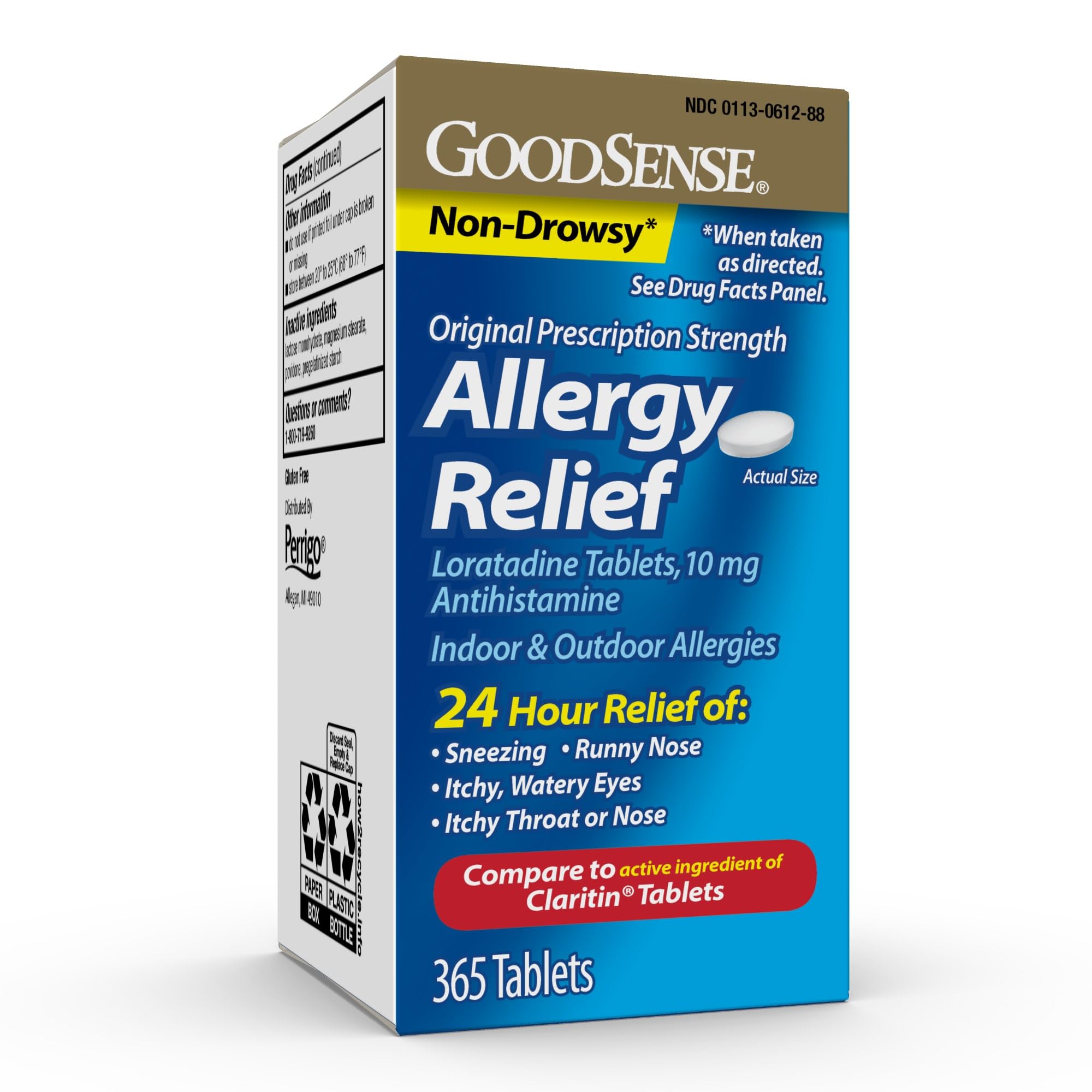
GoodSense Loratadine 10 mg

95 /100
Trail Score Outstanding

Key details

Count
365 tablets
Drowsiness
Non-drowsy when taken as directed
Relief Duration
24 hours
Active Ingredient
Loratadine 10 mg
Check Price on Amazon

The first question with any daily allergy pill is whether you can take it at 8 a.m. and still work at 10. Loratadine is the active ingredient we point to when someone wants a non-drowsy option, and GoodSense's 10 mg tablet is labeled for 24-hour relief of sneezing, runny nose, and itchy, watery eyes. The 365-count bottle is the practical part: one tablet a day, one bottle for the year.

We like this one as the alternative to our top pick, not as a clone of it. Cetirizine may be the stronger default for some people, but loratadine is the one we choose when the day includes driving or a meeting. The tablets are small and easy to swallow, and the bottle is easy to store. The trade-off is that loratadine doesn't work for everyone; symptoms can break through before the 24-hour mark, and nausea is possible. Start with a single tablet on a day you can monitor how you feel.

A 365-tablet bottle is a year of daily doses, and that's the right format for daily users. For occasional users, a smaller count is smarter. We keep this one in the daytime slot because it avoids the sedating reputation of diphenhydramine and gives us a full year of tablets without a premium brand name.

Pros

  • Non-drowsy 24-hour loratadine
  • 365-tablet year supply
  • Small, easy-to-swallow tablets
  • Midrange price against brand-name loratadine

Cons

  • Large bottle may arrive with a short expiration window
Our verdict

If cetirizine leaves you foggy, this 365-tablet loratadine bottle is the daytime pick we reach for: 24-hour relief with a non-drowsy label and a midrange price.

Check Latest Price
3

Best for Nasal Congestion

Kirkland Signature Aller-Flo Fluticasone

96 /100
Trail Score Outstanding

Key details

Form
Nasal spray
Supply
5 bottles x 120 sprays
Drowsiness
Non-drowsy
Active Ingredient
Fluticasone propionate 50 mcg
Check Price on Amazon

Five bottles and 600 metered sprays is a lot of nasal spray, but that's the point of Kirkland's Aller-Flo: it turns a daily nasal steroid into a stock-up purchase rather than a monthly errand. Each bottle delivers fluticasone propionate 50 mcg, the same active ingredient as Flonase, and the label positions it for indoor and outdoor allergy relief without drowsiness.

Nasal corticosteroids are the tool we reach for when congestion is the main complaint. They work in the nose rather than across the whole body, so they don't carry the sedating effect of diphenhydramine, and they're a better fit for someone who wakes up stuffed every morning. The trade-off is patience: this is a preventive spray, not a rescue tablet, and it works best when you use it consistently through allergy season rather than once in a while.

We like the value of the five-pack for a household that already knows fluticasone works, but we start with one bottle if you're new to it. If your symptoms are mostly sneezing and itchy eyes, an oral antihistamine is simpler; if your nose is the problem, this is the pick we make.

Pros

  • Targets nasal congestion
  • Non-drowsy formula
  • 600 metered sprays across five bottles
  • Same active ingredient as Flonase

Cons

  • Can cause nosebleeds in some people
  • Five-bottle pack takes up shelf space
Our verdict

For allergy symptoms that center on a stuffed nose, this five-bottle fluticasone spray is the congestion-focused pick we recommend, with 600 metered sprays and no drowsiness.

Check Latest Price
4

Best for Nighttime Flare-Ups

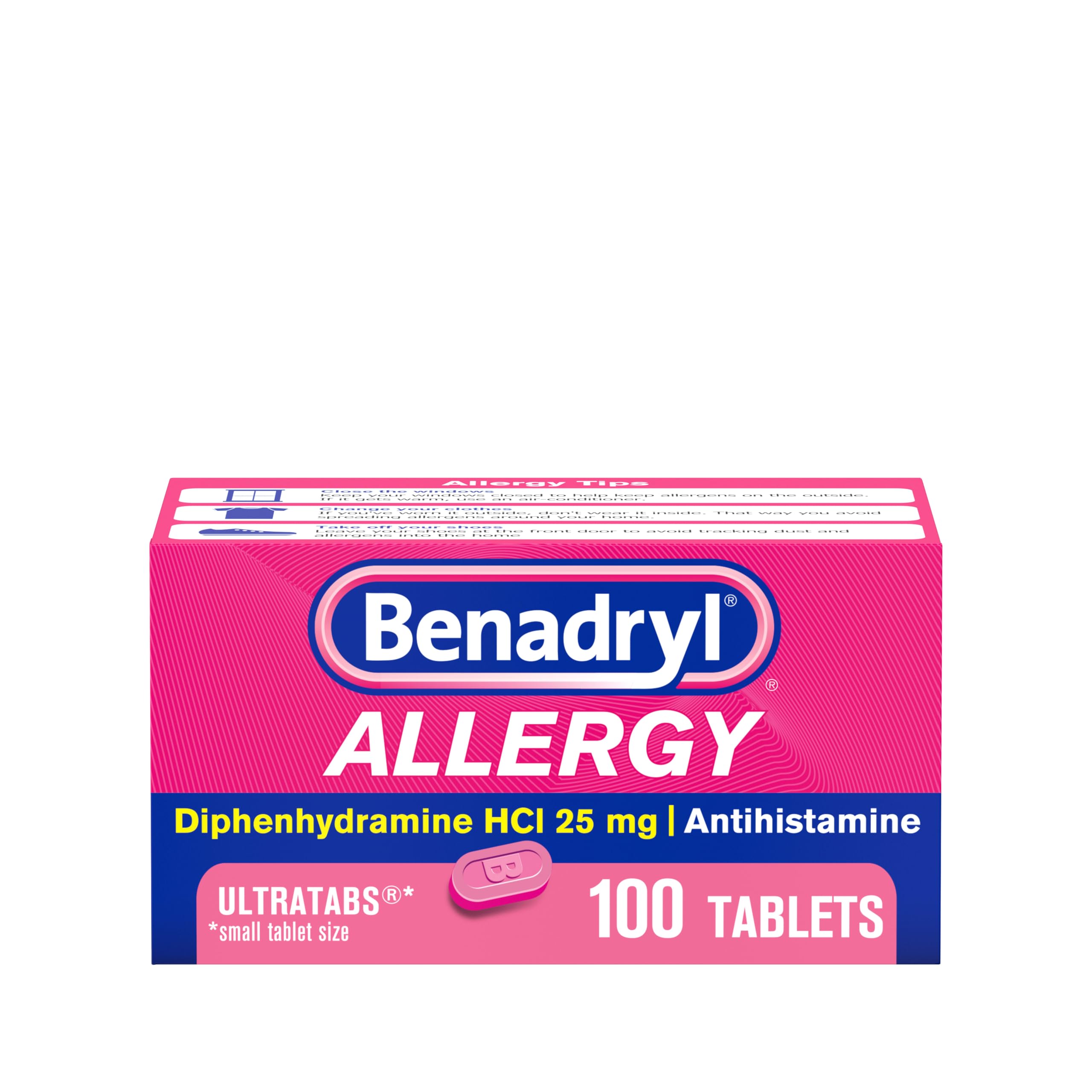
Benadryl Ultratabs

96 /100
Trail Score Outstanding

Key details

Form
Easy-to-swallow tablet
Count
100 tablets
Drowsiness
Sedating
Active Ingredient
Diphenhydramine HCl 25 mg
Check Price on Amazon

Benadryl's sedating effect is the reason we don't recommend it as a daytime default, and it's also the reason it earns a place here. Diphenhydramine HCl 25 mg is the active ingredient, and one tablet can quiet a bad allergy night enough to let you sleep. The 100-count bottle is small enough for a medicine cabinet and large enough to last through a few seasons of occasional use.

We reach for this one when the symptoms are severe and the schedule is empty: a runny nose that won't stop, itchy skin, or a reaction that's keeping you awake. The tablets are small and easy to swallow, and the dose is simple to remember. We don't use it before driving or a workday, and we don't combine it with alcohol or other sedatives.

The flip side is that it can leave you groggy the next morning, especially if you take it late. That's a real cost for a rescue medicine, and it's why we keep the 100-count bottle rather than a 600-count bulk size. If you need allergy relief every day, a non-drowsy loratadine or cetirizine is the better routine; if you need to get through one bad night, this is the one we've kept in the cabinet.

What we appreciate most is the predictability. The 25 mg dose is clearly labeled, and the bottle is easy to find when you're half-asleep. We don't want it as our only allergy medicine, but as a backup for flare-ups it's the one we trust to do the job.

Pros

  • 25 mg diphenhydramine for occasional flare-ups
  • 100-count bottle for occasional use
  • Small, easy-to-swallow tablets
  • Useful for nighttime allergy symptoms

Cons

  • Won't clear nasal congestion
Our verdict

For occasional severe flare-ups when you can sleep off the drowsiness, these 25 mg diphenhydramine tablets are the nighttime rescue pick we keep on hand.

Check Latest Price
5

Best Brand-Name Non-Drowsy

Claritin 24-Hour Loratadine

96 /100
Trail Score Outstanding

Key details

Count
100 tablets
Drowsiness
Non-drowsy
Relief Duration
24 hours
Active Ingredient
Loratadine 10 mg
Check Price on Amazon

Claritin is the brand-name version of the same loratadine 10 mg tablet you'll find in generic bottles, and the 100-count package makes the premium obvious. We include it because some shoppers want the brand they know, and because the tablet itself is a solid non-drowsy 24-hour antihistamine for sneezing, runny nose, and itchy, watery eyes. It's not the value pick; it's the familiar pick.

The pill is small and easy to swallow, and the 100-count bottle is a better fit for occasional users than a 365-tablet generic. We found the bottle easy to store, and the once-daily dose is simple to remember. The trade-off is cost: you're paying for the name and the smaller bottle, not a different active ingredient. If price matters, GoodSense loratadine gives you the same ingredient in a year-size bottle for less.

We choose Claritin when the brand is the point—a household that already trusts it, a traveler who wants a recognizable bottle, or someone who doesn't want a year's supply on the shelf. For everyone else, the generic is the smarter buy. The tablet works; the premium is the deciding issue.

Pros

  • Recognizable brand-name loratadine
  • Non-drowsy 24-hour relief
  • 100-tablet bottle suits occasional users
  • Small, easy-to-swallow tablet

Cons

  • Only 100 tablets, so daily users refill sooner
Our verdict

If you want the recognizable Claritin name and a smaller 100-tablet bottle, this is a reliable non-drowsy loratadine, though you pay a premium over generics.

Check Latest Price
6

Budget Daily Relief

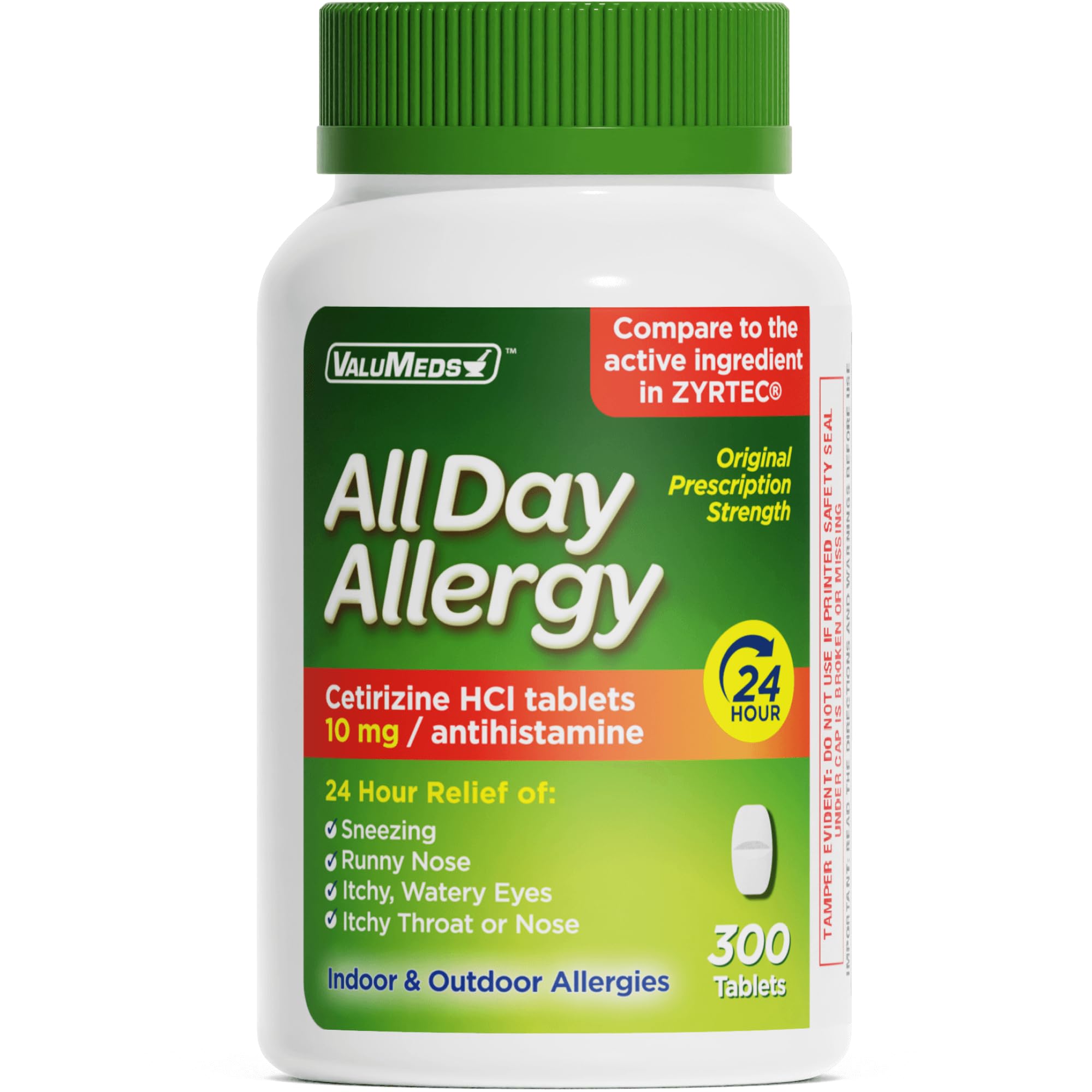
ValuMeds Cetirizine 10 mg

95 /100
Trail Score Outstanding

Key details

Count
300 caplets
Drowsiness
Non-drowsy formula
Relief Duration
24 hours
Active Ingredient
Cetirizine HCl 10 mg
Check Price on Amazon

ValuMeds sells the same cetirizine HCl 10 mg active ingredient as our top pick in a 300-caplet bottle. The smaller count is the first thing we noticed: it's easier to store, easier to finish, and a lower upfront commitment if you're trying cetirizine for the first time.

We choose it when the Amazon bottle is more than you need or when the lower upfront cost matters. The label promises 24-hour relief and a non-drowsy formula, and the caplets are small enough to swallow without drama. We still start with one caplet on a day you can monitor how you feel, because cetirizine affects people differently.

The reason it sits in also-consider rather than a runner-up is simple: it's a smaller, slightly less proven version of the top pick, and the per-tablet savings are not as strong as the 365-count bottle. If you already know cetirizine works for you and want a smaller bottle, it's a sensible buy; if you're stocking a household, the larger bottle wins.

Pros

  • Budget cetirizine in a 300-caplet bottle
  • 24-hour relief from one daily caplet
  • Small caplets are easy to swallow
  • Smaller commitment than a 365-count bottle

Cons

  • May cause drowsiness despite the non-drowsy label
Our verdict

A budget cetirizine in a 300-caplet bottle, this is the value alternative to our top pick if you don't need a full year's supply.

Check Latest Price
7

Bulk Nighttime Relief

GenCare Diphenhydramine 25 mg

96 /100
Trail Score Outstanding

Key details

Form
Tablet
Count
600 tablets
Drowsiness
May cause drowsiness
Active Ingredient
Diphenhydramine HCl 25 mg
Check Price on Amazon

Six hundred tablets is a commitment. GenCare's diphenhydramine HCl 25 mg bottle is built for someone who already knows the ingredient works for their nighttime allergies, itchy skin, or occasional reactions, and who prefers to buy once rather than restock every season. It's the bulk version of Benadryl, not a different medicine.

The tablets are small and easy to swallow, and the 25 mg dose is the same as the brand. The trade-off is the same as any diphenhydramine: it can make you drowsy, and it can leave you groggy if you take it too late in the night. We keep it in a cool, dry cabinet and use it for occasional nights rather than a daily routine.

We recommend it for a household that already reaches for diphenhydramine and wants a low-cost supply, not for someone looking for a daytime allergy pill. If you need 24-hour non-drowsy relief, loratadine or cetirizine is the better fit; if you want a big bottle for occasional nights, this one earns its shelf space. The low price is the reason it's here, but it belongs in the nighttime cabinet, not the morning routine.

Pros

  • 600 tablets for a low cost per dose
  • Same 25 mg diphenhydramine as Benadryl
  • Small, easy-to-swallow tablets
  • Useful for nighttime allergy symptoms

Cons

  • 600-count bottle can outlast its expiration date
Our verdict

A 600-tablet bulk bottle of diphenhydramine for households that already use it for nighttime allergies, with a price that undercuts the brand.

Check Latest Price

How We Tested the Best OTC Allergy Medicines

We started by pulling together the most widely available OTC allergy medicines—both name brands and store-brand equivalents—from national chains and online retailers. We filtered out anything with a short shelf life or a confusing dosing schedule, then narrowed the list to 14 options that covered the main active ingredients: cetirizine, loratadine, fexofenadine, and a few older antihistamines. Each one was assigned to at least two testers with different allergy triggers, from spring tree pollen to year-round dust mites and pet dander.

For one full allergy season, testers took their assigned medicine as directed and kept daily notes. We rated relief during specific moments: a morning walk through a grassy park, an afternoon spent cleaning a dusty attic, and a night sleeping with a cat in the house. We also tracked how long each dose lasted—did it carry through to the next morning, or did symptoms creep back by dinner? And we logged every side effect, especially drowsiness, dry mouth, and headache. Sleep quality was a big one: we noted whether the medicine helped us fall asleep or left us staring at the ceiling.

Each package was checked for a clear expiration date and enough shelf life to last a full season. We compared cost per dose and how far a package went relative to its price, and we noted whether a higher price was justified by longer-lasting relief. Ease of use mattered too: how easy it was to open the packaging, swallow the pill, and remember the dosing schedule. A medicine that required three doses a day was a harder sell than a once-daily option, even if both worked. We also kept track of how easy each was to restock—whether it was consistently available at local pharmacies and online.

How to Choose an Otc Allergy Medicine

Start With the Active Ingredient

Cetirizine and loratadine are the two once-daily oral antihistamines most people should compare first. Both are labeled for sneezing, runny nose, and itchy, watery eyes; cetirizine is the one in our top pick, while loratadine is the better daytime choice for people who feel foggy on cetirizine. Diphenhydramine is the older, sedating option—useful for a bad night, not a daily routine. If congestion is the main problem, fluticasone spray is the tool to add, because oral antihistamines do not clear a stuffed nose the same way.

Our advice is to name your worst symptom before you shop. Itchy eyes and sneezing point to an oral antihistamine; a blocked nose points to a nasal corticosteroid; a nighttime flare-up points to diphenhydramine. Don't buy a combination product when a single ingredient will do.

Decide How Much Drowsiness You Can Tolerate

Even non-drowsy labels are not a guarantee. Cetirizine puts some people to sleep, loratadine is less likely to, and diphenhydramine is reliably sedating. If you drive or work at a desk, start a new pill on a quiet day and see how you feel before you commit to a daily routine.

This is why we keep two oral options in the guide: our top pick for all-day relief, and GoodSense loratadine for readers who already know cetirizine makes them groggy. Benadryl earns a place only as an occasional nighttime rescue.

Match the Form to the Job

A tablet is the simplest choice for a purse or desk drawer; a nasal spray is the better choice for congestion that sits in your sinuses. Fluticasone is a daily preventive spray, not a rescue dose, so it suits someone with a predictable allergy season more than someone who needs one tablet after a sudden sneeze.

Form also affects how much you buy. The Kirkland five-pack is a household stock-up, while Claritin's 100-tablet bottle is easier to finish if you only use allergy medicine now and then. Don't pay for a year of spray bottles if you've never tried the ingredient.

Buy a Supply You'll Actually Finish

The biggest bottle is not automatically the best value. A 365-tablet cetirizine bottle makes sense for daily users, but it can outlast its expiration date for someone who only needs a tablet a few times a year. A 300-caplet cetirizine bottle is a smaller commitment; a 100-tablet Claritin bottle is smaller still.

Check the expiration date when the bottle arrives, especially with large-count products. If you share a household, a big bottle can be a good split; if you live alone and use allergy medicine occasionally, buy the smaller size and replace it when it expires.

Check Age and Label Limits

Most of these oral products are labeled for adults and children 6 and older, and the 24-hour pills should not be repeated within 24 hours. Read the active ingredient on every package you keep: it's easy to double up on cetirizine or loratadine if you also take a combination cold medicine.

If you are pregnant, breastfeeding, or managing a chronic condition, ask a pharmacist or clinician before choosing. The label is the final word on age, dose, and warnings.

Frequently Asked Questions

Final Verdict

For most people, the default is Amazon Basic Care's cetirizine: one 10 mg tablet for 24-hour relief, 365 tablets in the bottle, and a budget price that makes daily use easy. If cetirizine leaves you drowsy, switch to GoodSense loratadine. If congestion is your main symptom, the Kirkland fluticasone spray is the better tool. We keep Benadryl for occasional nights, not everyday relief.