Best Moisturizers for Keratosis Pilaris of 2026

Keratosis pilaris is essentially a traffic jam in the hair follicle: keratin builds up, forms a plug, and leaves those rough little bumps on the backs of your arms or thighs that never quite go away. The right moisturizer doesn't scrub them off — it softens the plug with something like lactic acid, urea, or salicylic acid, then holds water in so skin stops feeling like sandpaper. The wrong one just sits on top and leaves you greasy for nothing. I've had KP on my upper arms since my teens and have bought plenty of disappointing tubs along the way.

Over the past three months, my team and I worked through 15 moisturizers: thick creams, watery lotions, unscented pharmacy standbys, and a few pleasantly perfumed ones that got ruled out fast. What separated them was whether the bumps actually flattened and whether we could pull a long-sleeve shirt on two minutes later without a film coming with it. One thing worth knowing before you scroll — the smoothest arms showed up around week six, not week one, so the picks below reward a little patience.

1

Best Overall

CeraVe SA Cream

95 /100
Trail Score Outstanding

Key details

Size
16 oz
Fragrance
Fragrance-free
Also Contains
Ceramides, niacinamide, hyaluronic acid
Key Exfoliants
Salicylic and lactic acid
Check Price on Amazon

Salicylic acid plus lactic acid is the pairing that put this cream at the top of our list. One is oil-soluble and works into the pore where a keratin plug starts; the other resurfaces what you can see and feel. Add ceramides, hyaluronic acid, and niacinamide and you have a formula that exfoliates and supports the barrier at the same time, which is exactly the combination bumpy upper arms and thighs need.

The finish is what settled it for us. Exfoliating creams this rich tend to sit on the skin and make you wait; this one sinks in and leaves arms and legs smooth rather than tacky, so it works before you get dressed in the morning as well as before bed. When a product only works if you apply it twice a day for weeks, that difference matters more than any single ingredient.

On the arms and thighs it behaves the way a good KP cream should. Roughness goes first, the bumps follow more slowly, and a month of twice-daily use is a fair window before you decide. The back of the upper arms, where the skin is thinner and the bumps sit close together, is where we saw the most obvious change.

It's fragrance-free, which we think is close to non-negotiable for something you're layering onto irritated skin, and it's rich enough that you don't need a second moisturizer on top. The 16-ounce container empties faster than the size suggests once you're doing arms and legs twice a day.

Pros

  • Salicylic and lactic acid in one cream
  • Sinks in without a sticky finish
  • Ceramides and niacinamide support the barrier
  • Fragrance-free and non-comedogenic

Cons

  • Costs more per ounce than our budget picks
Our verdict

If you want one cream that exfoliates and moisturizes without a sticky finish, this is the one we hand people first — rich enough for arms and legs, light enough to wear before you get dressed.
Check Latest Price
2

Best Urea Formula

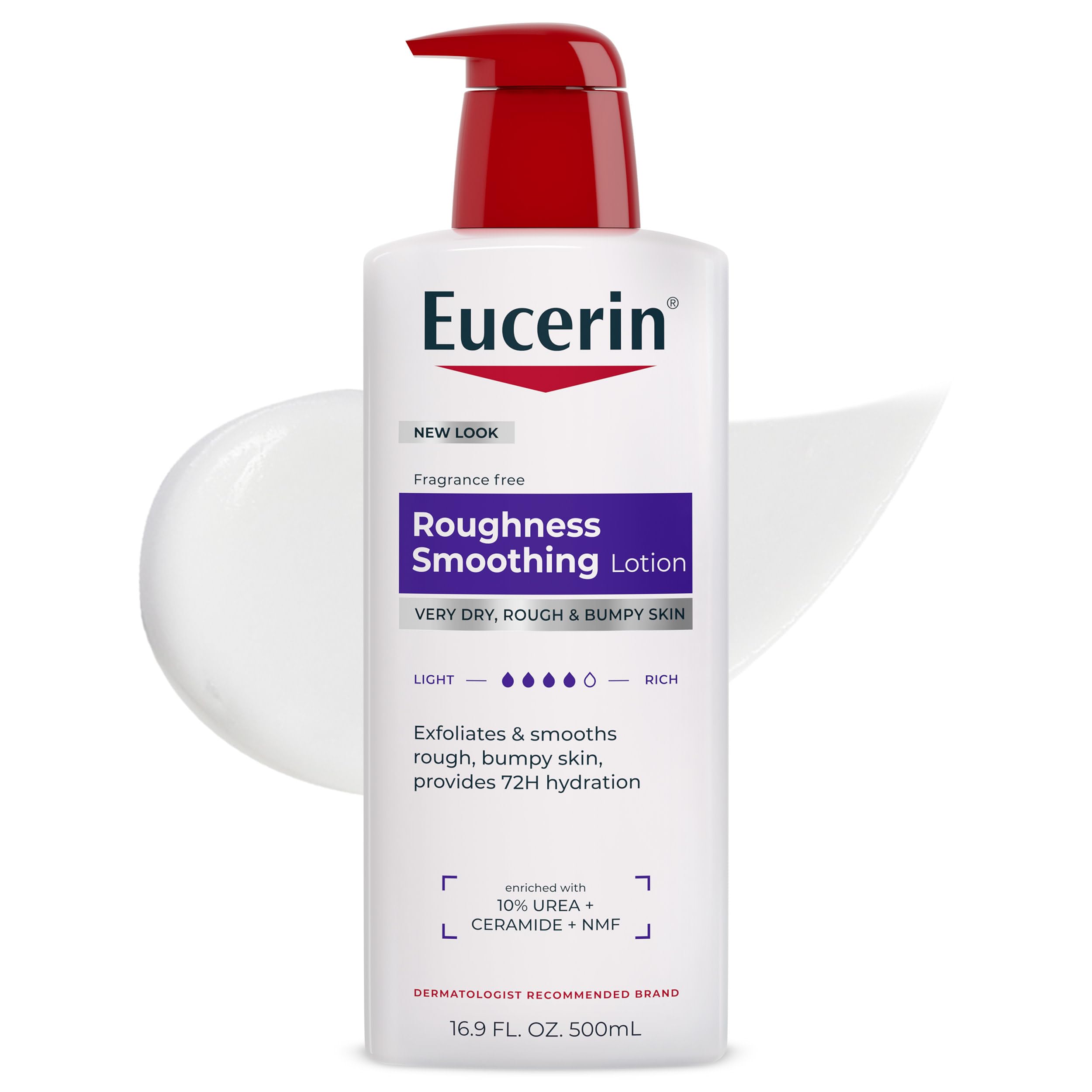
Eucerin Roughness Smoothing Lotion

93 /100
Trail Score Outstanding

Key details

Size
16.9 fl oz
Fragrance
Fragrance-free
Also Contains
Ceramide and natural moisturizing factors
Key Exfoliant
10% urea
Check Price on Amazon

The first thing you notice is how much lotion one pump delivers: a rich, slow-moving stream that takes a minute of rubbing to disappear. Behind it is 10% urea, a concentration that both pulls water into the skin and loosens the keratin that makes bumps, plus ceramide and natural moisturizing factors to hold the barrier together. We rate it as the best urea-based pick here for exactly that reason.

Eucerin puts 72 hours of hydration on the label. What we can say from using it is that a morning application on the legs held through a full day, and because the formula is fragrance-free it never announced itself at a desk or in a meeting. Staying power that quiet is harder to find than it should be.

The 16.9-ounce pump bottle is the right shape for a body lotion, and one-handed dispensing matters more than it sounds when you're reaching the back of an arm. We also appreciate that it's the cheapest per ounce of the urea options here, which makes a twice-daily habit easier to sustain.

Pros

  • 10% urea, the strongest urea concentration here
  • Fragrance-free, paraben- and dye-free
  • Pump bottle suits twice-daily use
  • Cheapest per ounce of the urea picks

Cons

  • Leaves a tacky film until it dries down
Our verdict

Our pick if you want urea rather than acids: 10% urea softens rough patches while ceramides top up the barrier, and the pump makes a twice-daily habit easy to keep.

Check Latest Price
3

Best Lightweight Lotion

Amlactin Daily 12% Lotion

89 /100
Trail Score Excellent

Key details

Size
14.1 oz
Format
Lightweight lotion
Key Exfoliant
12% lactic acid
Check Price on Amazon

Start with the smell, because it's the thing to know: 12% lactic acid has an odor of its own, and no amount of fragrance-free labeling hides it. It fades within a few minutes, but those minutes are real, and we noticed them every evening. If scent is a dealbreaker for you, the urea lotions here are the better route.

What you get in exchange is the most straightforward exfoliating lotion in this set: 12% lactic acid in a light, fast-absorbing base that's pH balanced and free of dye, parabens, and phthalates. On large areas — thighs, calves, the whole back of an arm — it spreads further and faster than any cream here, which is the entire point of a lotion over a cream.

We keep it as the daytime option, since it goes on before clothes without the waiting game a rich cream demands. Give it a few weeks of twice-daily use and the roughness softens noticeably; the bumps take longer, and the ones on the backs of the arms are the last to go.

Pros

  • 12% lactic acid in a light base
  • Absorbs fast enough to dress after
  • Fragrance-free, dye- and paraben-free
  • 14.1 ounces covers large areas

Cons

  • Stings on freshly shaved or irritated skin
Our verdict

The one we reach for in the morning: 12% lactic acid in a light lotion that sinks in fast, as long as you can live with the acid's own smell.

Check Latest Price
4

Best for Very Dry Skin

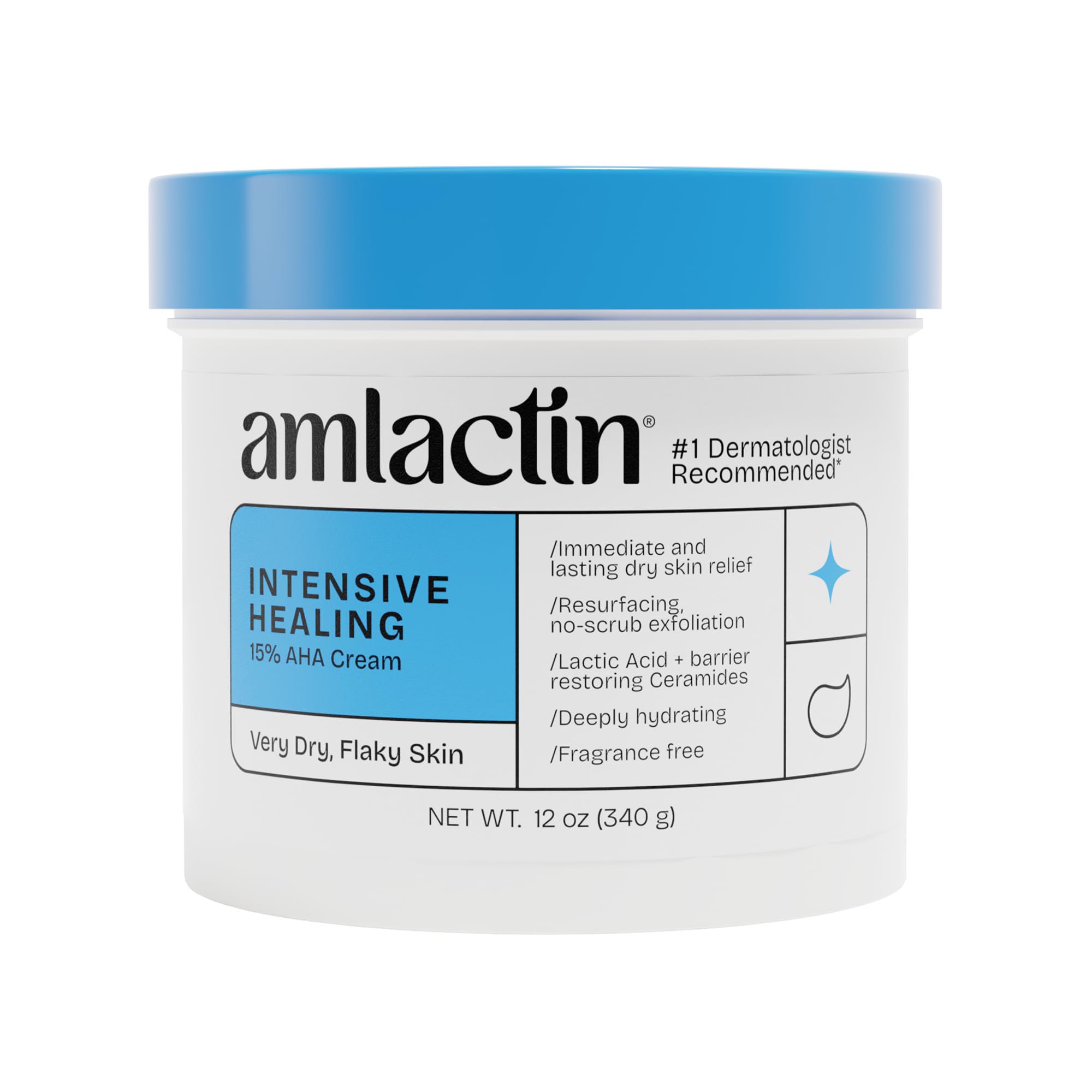
Amlactin Intensive 15% Cream

93 /100
Trail Score Outstanding

Key details

Size
12 oz
Format
Rich cream
Also Contains
Three ceramides
Key Exfoliant
15% lactic acid
Check Price on Amazon

If the 12% lactic acid lotion in this guide got you most of the way and then stopped, this is the step up: the same acid at 15%, in a cream rather than a lotion, with three ceramides added to keep the barrier intact while it works.

We keep it for the outer thighs, the backs of the arms, and anywhere the skin has gone genuinely thick. It's a heavier cream than the lotion and needs a slower, more deliberate application, which is a fair trade on a patch that has shrugged off everything else. On the shins, where skin is thinner, the lotion is simply easier.

Fifteen percent is a serious concentration, and skin that's cracked, freshly shaved, or already stinging will let you know about it. Build up to daily use rather than starting there, and keep it off any patch that's angry.

Where it lands for us is as the strongest exfoliating cream in this guide and the one to try when 12% has plateaued. It isn't the one to start with — that's the CeraVe or the Amlactin Daily — and it isn't the one to keep in a gym bag.

Pros

  • Strongest lactic acid formula in this set
  • Three ceramides support the barrier
  • Rich cream for thick, stubborn patches
  • Leaves skin noticeably softer

Cons

  • Pungent acid smell that lingers
  • Tacky for up to half an hour after application
Our verdict

For thick, stubborn patches that a 12% lotion hasn't budged, this is the strongest exfoliating cream we recommend — rich, ceramide-supported, and unapologetically pungent.

Check Latest Price
5

Best Budget

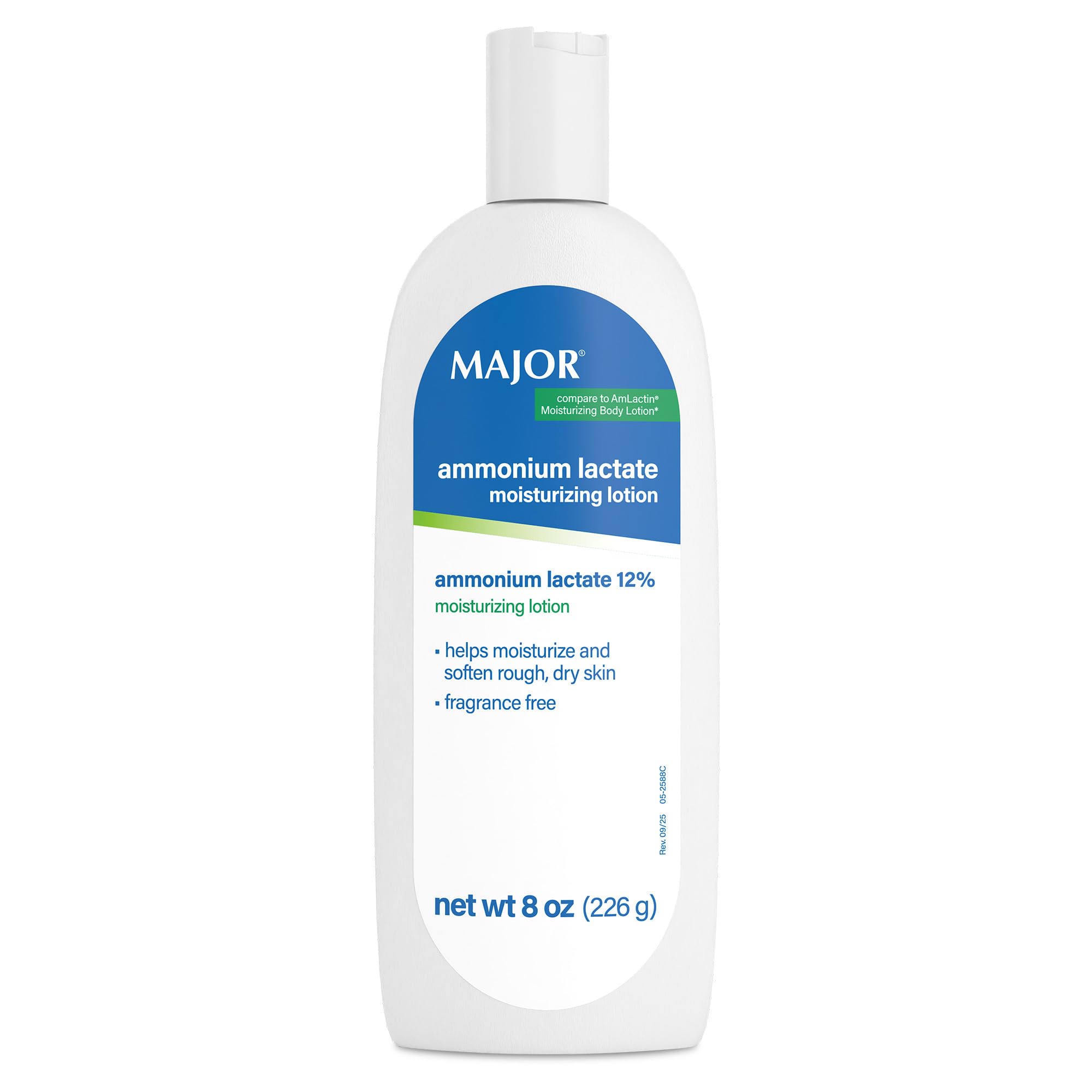
MAJOR Ammonium Lactate 12%

92 /100
Trail Score Outstanding

Key details

pH
4.5 to 5.5
Size
8 fl oz
Fragrance
Fragrance-free
Key Exfoliant
12% ammonium lactate
Check Price on Amazon

Nothing else here gets you to a 12% lactic acid formula for less. The bottle is plain and the label looks like the pharmacy generic it is, but the active — ammonium lactate 12%, buffered to a pH between 4.5 and 5.5 — is the same exfoliating idea the brand-name lotions built their followings on. We think it's the smartest first purchase if you're not sure your skin will tolerate an acid lotion at all.

It's fragrance-free, and we found the acid odor fades within a minute or two of application. Start on the arms for a week before committing to the whole leg — that's the least expensive way to learn whether your skin agrees with an acid at this strength.

Pros

  • 12% ammonium lactate at a stated pH
  • Fragrance-free formula
  • Cheapest route to an acid lotion here

Cons

  • Stings on sensitive or irritated skin
  • Small bottle for twice-daily full-body use
Our verdict

The budget pick we'd actually buy: a no-frills 12% ammonium lactate lotion that works the same way as the brand-name versions for far less.

Check Latest Price
6

Quick Smoothing

Gold Bond Rough & Bumpy Cream

91 /100
Trail Score Outstanding

Key details

Size
8 oz
Format
Thick cream
Also Contains
7 moisturizers and 3 vitamins
Check Price on Amazon

Gold Bond's packaging claims smoother, softer skin for 90% of users within a week, and our experience lined up with the fast end of that: the texture on the backs of the arms softened within days, well before the bumps themselves began to flatten.

What makes it work is a formula built around seven moisturizers and three vitamins with gentle exfoliation behind them, rather than one named acid at a stated percentage. We like that for skin that's easily irritated, because you get smoothing without the sting a 15% lactic cream can bring. It's also cheaper per ounce than the other rich creams here, which counts for something in a product you'll use daily.

The catch is physical. This is a thick cream that pills and crumbles if you keep working it after it starts to dry. Apply it to damp skin, use less than you think you need, and stop rubbing once it's spread — do that and the residue problem mostly goes away.

Pros

  • Seven moisturizers and three vitamins
  • Gentle exfoliation without a high acid percentage
  • Softens texture within the first week
  • Cheaper per ounce than the other rich creams

Cons

  • Noticeable scent that not everyone will like
Our verdict

The one for skin that flinches at strong acids: a thick, vitamin-rich cream that smooths texture fast, provided you apply it to damp skin and stop rubbing.

Check Latest Price
7

Glycolic Switch

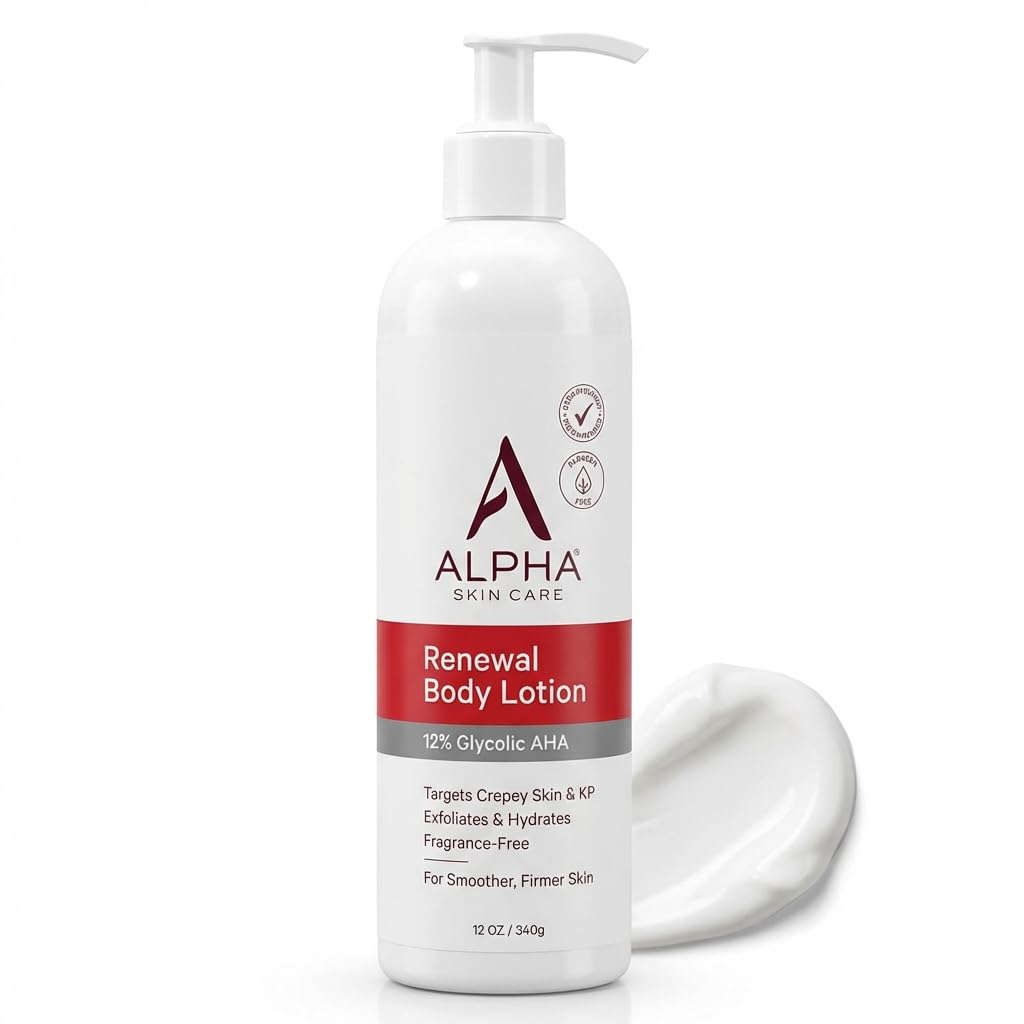
Alpha Skin Care 12% Glycolic

91 /100
Trail Score Outstanding

Key details

pH
4.0
Size
12 oz
Key Exfoliant
12% glycolic acid
Check Price on Amazon

If you've done months of lactic acid and the bumps on your arms have plateaued, glycolic is the change of scenery we suggest. Alpha's 12% formula sits at pH 4.0, which is the range where an AHA can do its job — a detail worth caring about, because glycolic at the wrong pH is an expensive moisturizer.

Where it stands apart here is the look of the skin as much as the feel. This is the acid that tends to leave legs and arms brighter rather than just smoother, and the lotion is moisturizing enough that you won't need to layer another product underneath.

Twelve percent is not gentle, so keep it off freshly shaved legs and any patch that's already stinging. It's also not a guaranteed fix for KP specifically — the roughness can improve while the bumps stay put. We rate it as the AHA alternative here rather than a first choice.

Pros

  • 12% glycolic acid at pH 4.0
  • Brightens as well as smooths
  • No added fragrance

Cons

  • Very hard to squeeze out of the bottle
Our verdict

A good switch if lactic acid has plateaued: 12% glycolic at the right pH smooths and brightens, though you'll need patience with the bottle.

Check Latest Price
8

Reactive Dry Skin

La Roche-Posay Lipikar Urea 10%

94 /100
Trail Score Outstanding

Key details

Size
13.5 oz
Format
Lotion
Key Ingredients
10% urea, shea butter, allantoin
Check Price on Amazon

La Roche-Posay builds this around comfort as much as exfoliation: 10% urea to loosen the bumps, shea butter to restore the skin's lipid film, and allantoin to settle irritation. That's a different balance from the acid-first lotions here, and it's why this is the one we suggest for skin that's dry and reactive at the same time.

The lotion is light, unscented, and closer to a milk than a cream, and it covers a whole leg in a few passes. In a category where the rich products ask you to schedule your evening around them, we found that a genuine pleasure on the nights when we wanted to be quick.

Reactive skin is both the reason to consider it and the reason to test it first. Start on the arms, apply every other day for the first week, and see how the skin answers before you commit to the legs.

It's the pick here for anyone who wants urea without a heavy cream. Against the Eucerin it loses on value and wins on how it feels going on, and for skin that objects to everything, that trade can be the right one.

Pros

  • 10% urea with shea butter and allantoin
  • Light, unscented and easy to spread
  • A gentler-feeling route to urea than a thick cream

Cons

  • Sticky while it settles, longer than the label suggests
Our verdict

The comfort-first urea option: 10% urea softened with shea and allantoin in a light lotion, for skin that wants moisture as much as exfoliation.

Check Latest Price

How We Tested 15 Moisturizers for Keratosis Pilaris

We started by pulling every moisturizer we could find that listed urea, lactic acid, salicylic acid, or ammonium lactate near the top of the ingredient list — the exfoliants that actually do something for KP — then narrowed by whether the formula was fragrance-free, what it cost per ounce, and whether the consistency was something a person would willingly use twice a day.

Fifteen made the cut, and we ran them for twelve weeks, assigning each one to a labeled patch on the upper arms and thighs of testers with KP. Application happened right after a shower on damp skin, and again in the morning before getting dressed. A few went on freshly shaved legs on purpose, because stinging is the fastest way to find out how gentle a formula really is.

Every week we photographed the same patch under the same bathroom light, ran a palm over it, and logged what we felt — graininess, flatness, whether redness had calmed. We timed how long each one stayed tacky, then pulled on jeans or a sweater and checked for transfer, and noted whether tightness crept back by mid-afternoon. Pumps and tubes beat tubs for everyday ease, and the fragrance question answered itself: the scented formulas, even the nice ones, got sidelined after a few testers reported itching.

How to Choose a Moisturizer for Keratosis Pilaris

Pick the active that matches your skin

Four actives do the work here: salicylic acid, lactic acid, glycolic acid, and urea at 10% or more. Lactic acid, glycolic acid, and urea hydrate while they exfoliate, which is why they dominate KP formulas, while salicylic acid is oil-soluble and gets into the pore where the plug actually starts. Our top pick combines salicylic and lactic acid for that reason.

If your skin stings easily, start with urea rather than an acid; the 10% Eucerin is where we point people first. If a 12% lactic lotion has stopped helping, move up to 15% or switch to glycolic rather than applying more often.

The finish decides whether you keep going

KP responds to frequency more than strength. Twice a day, every day, for a month is the baseline, and a lotion you dread is a lotion you skip. Light lotions such as the Amlactin Daily go on and disappear, which makes them right for mornings and for a whole leg at once.

Richer creams — the CeraVe, the 15% Amlactin, the Gold Bond — do more for thick, stubborn patches, but they ask for a few minutes before clothes. Buy for the moment you'll actually use it, not for the one you imagine.

Fragrance-free does not mean scentless

Lactic acid and ammonium lactate have an odor of their own, and it survives a fragrance-free label. It fades within minutes, but you'll smell it every time you apply, so decide whether you can live with it before committing to a large bottle rather than discovering it on night one.

The urea-based lotions here are the quietest on the nose, and the creams run stronger than the lotions. If you apply before bed, the smell has usually gone by the time you're under the covers. If you apply in the morning and sit in an office, sample a small size first.

Build up slowly and protect what you're exfoliating

Acids at 12% and above are not gentle, and freshly shaved or cracked skin will sting. Start every other day on the arms alone, then add the legs and daily use over a couple of weeks. Glycolic and lactic acids also leave skin more sun-sensitive, so cover up or use sunscreen on treated areas.

If a product burns rather than tingles, stop for a few days and drop to a lower strength or a urea formula. Stinging is information, not a sign the product is working harder.

Size and packaging are part of the decision

Twice-daily use on arms and legs is a lot of product, and an 8-ounce bottle disappears quickly under that habit. For a full-body routine, buy the larger formats: the 16.9-ounce Eucerin pump and the 16-ounce CeraVe are the two here that stand up to it.

If you're still testing whether your skin tolerates an acid at all, a small bottle like the MAJOR is the cheaper way to find out before you commit to the big one.

Frequently Asked Questions

Final Verdict

The CeraVe SA Cream is the one we point most people to. Salicylic and lactic acid together, ceramides and niacinamide behind them, and a finish that doesn't make you wait before you get dressed — it's the closest thing here to a single product that does the whole job.

Two alternatives earn their place for a specific reason. If your skin stings easily or you'd rather skip acids altogether, the Eucerin Roughness Smoothing Lotion gives you 10% urea in a fragrance-free pump. And if 12% lactic acid has stopped moving the bumps, the 15% Amlactin cream is the step up.