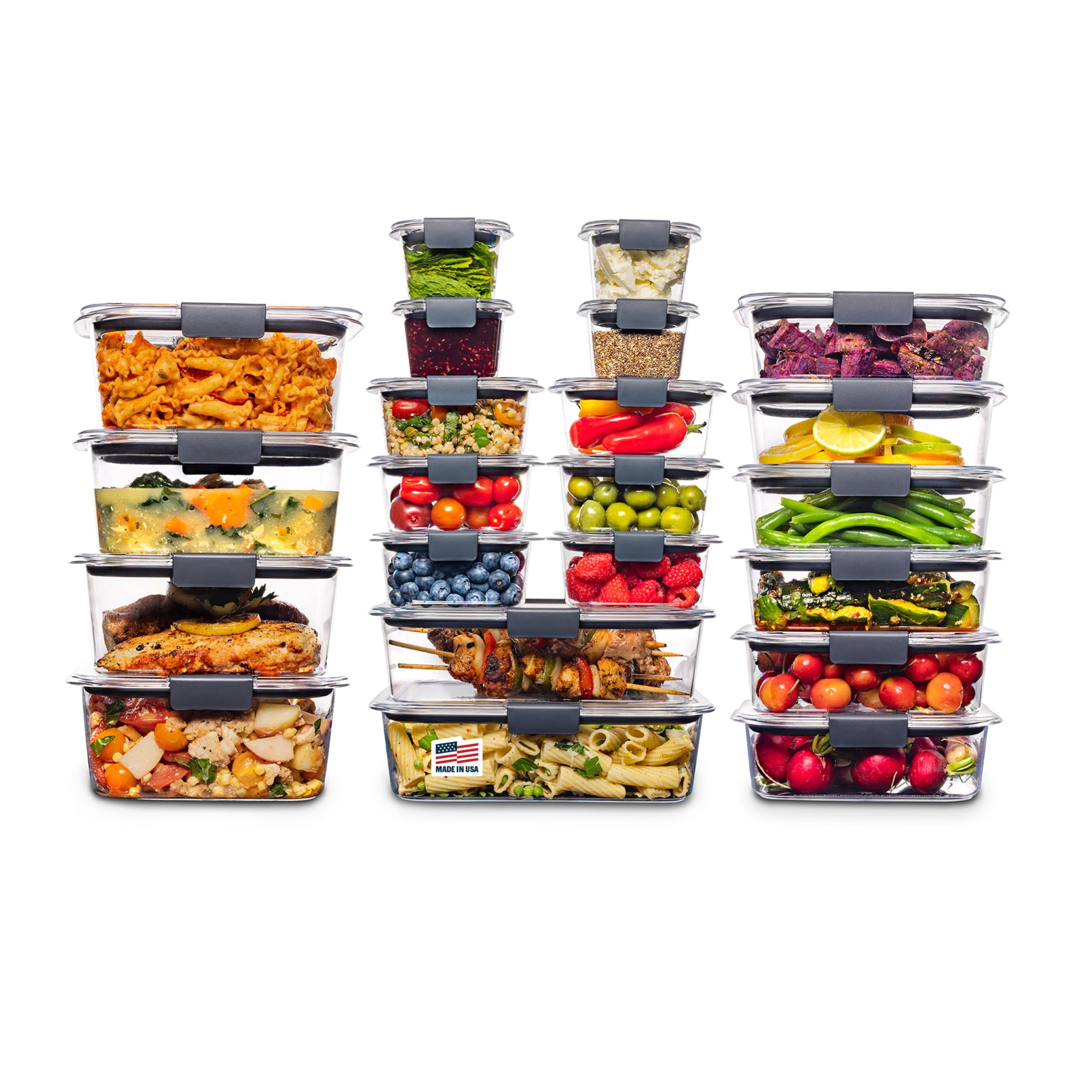
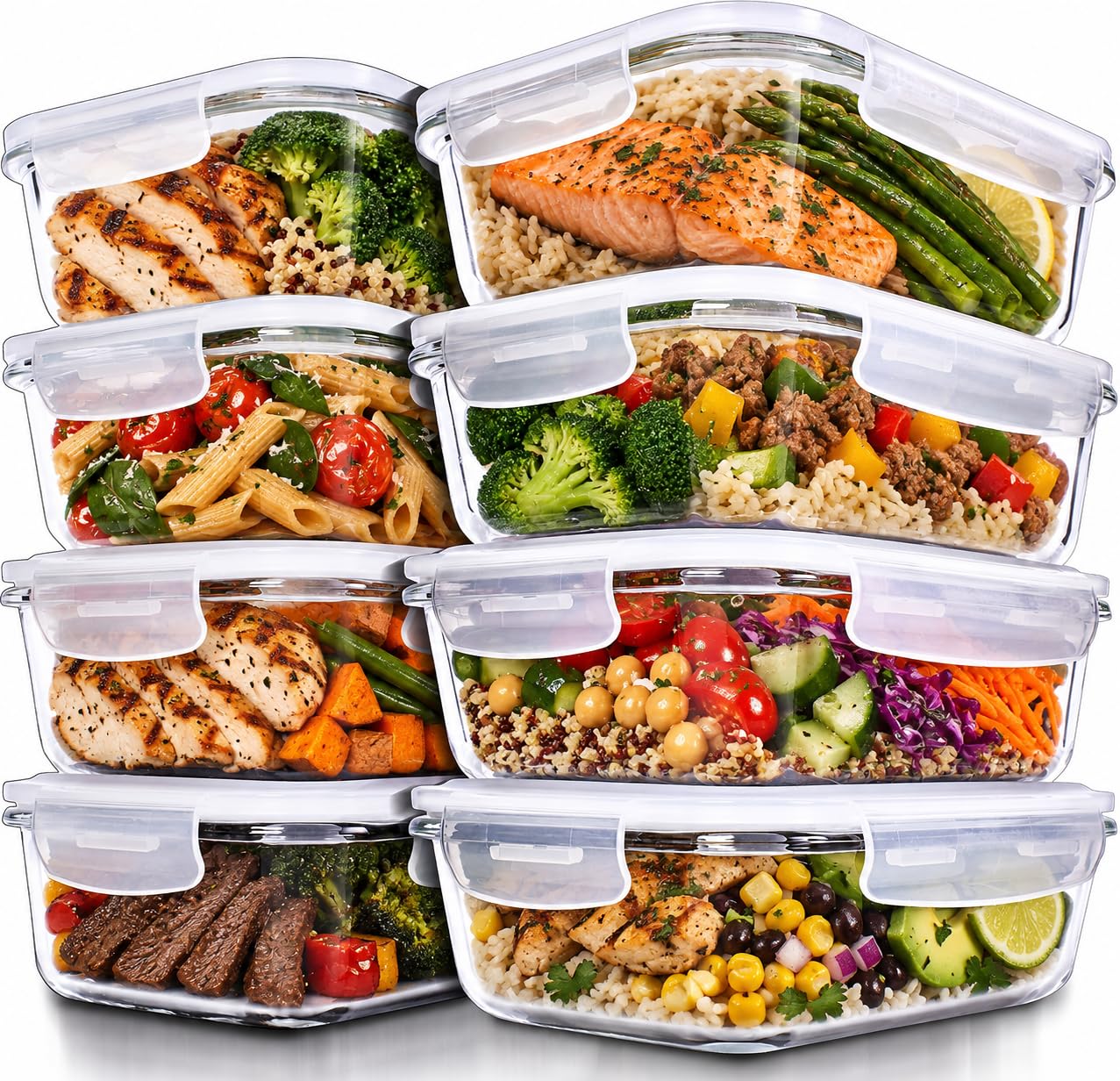
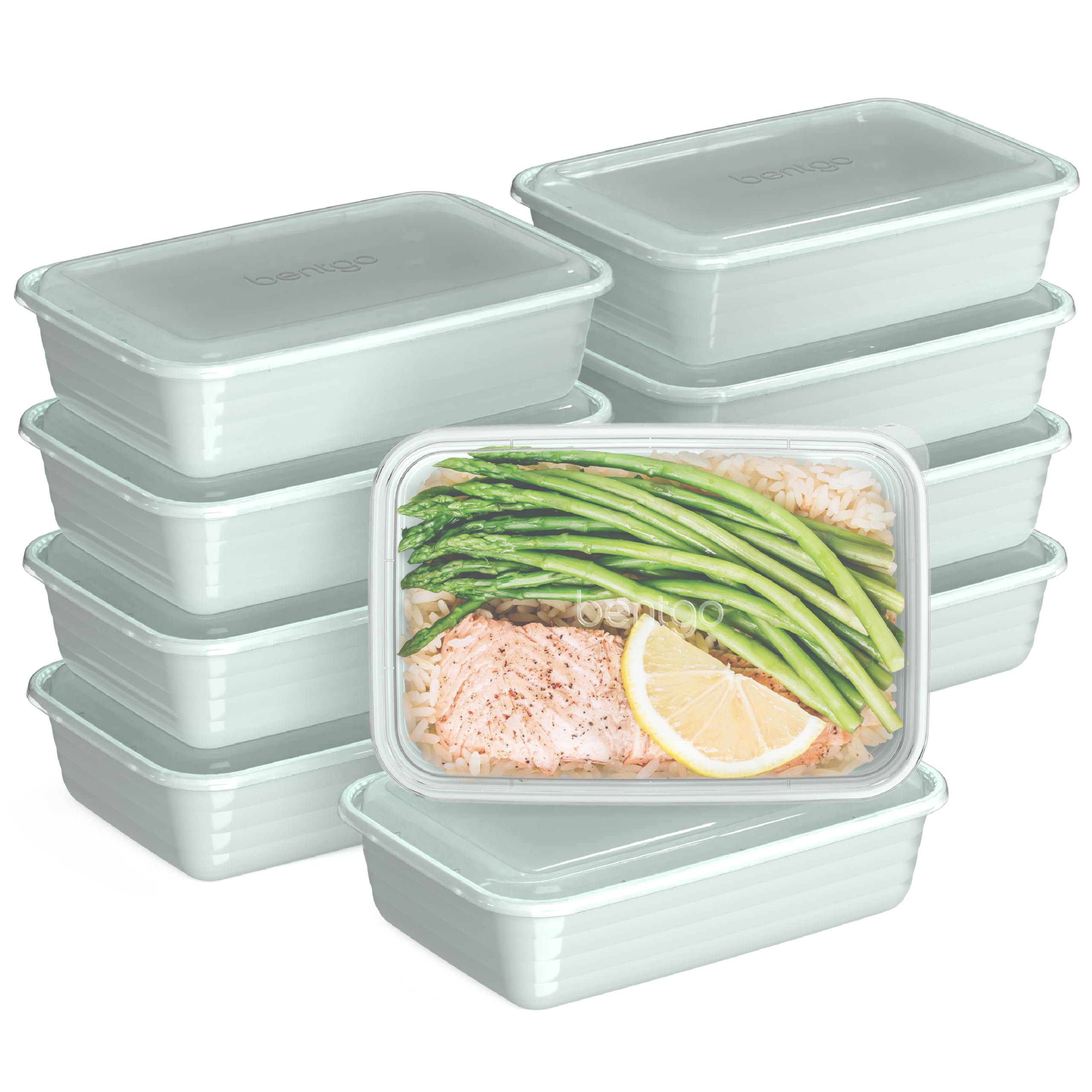
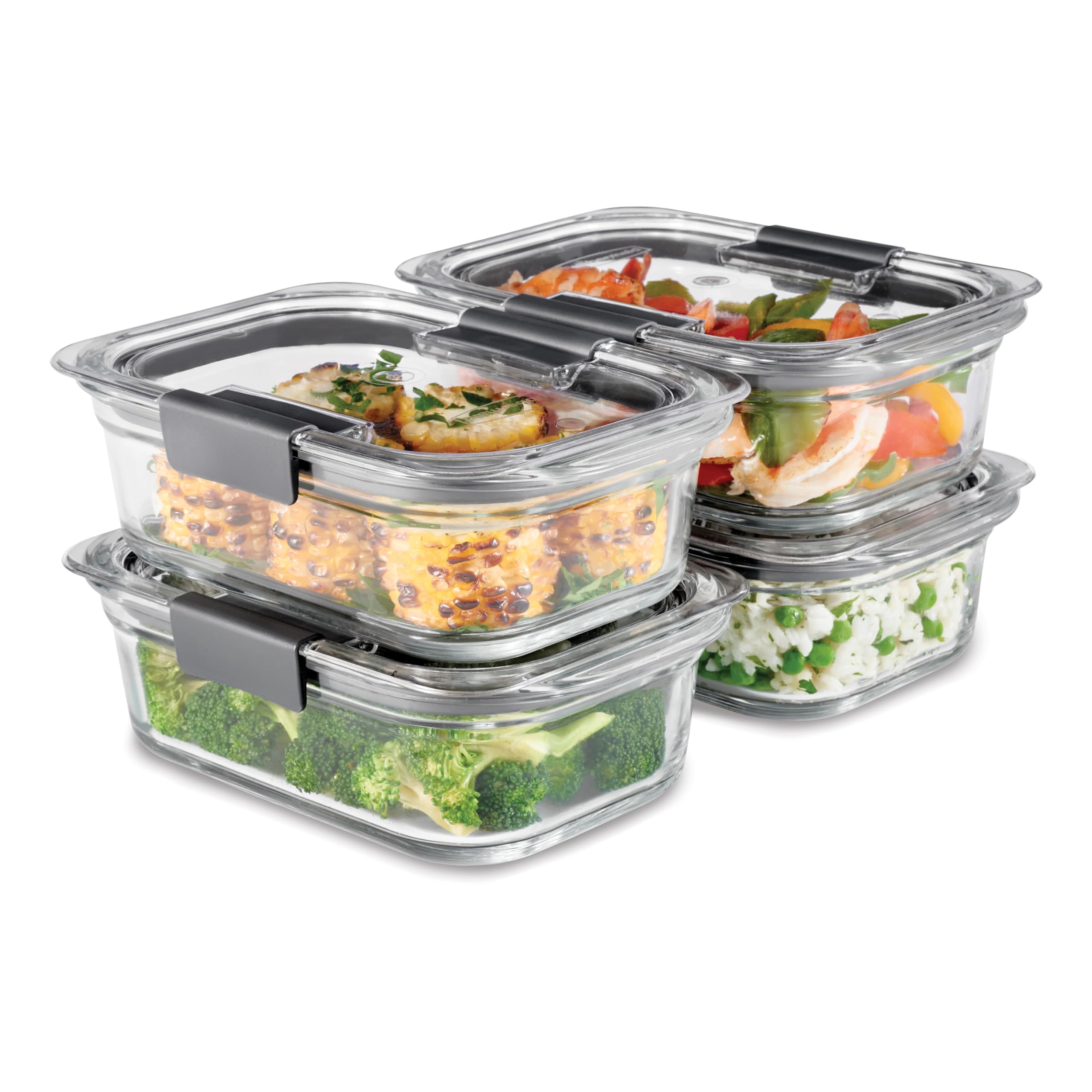
We built the shortlist by researching popular sets, then narrowing by available sizes, lid styles, materials, microwave and freezer claims, and cost per container—not just the total set price. Over six months, we tested 14 sets in a real meal-prep routine: Sunday batch cooking, weekday office lunches, freezer portions, and leftovers at home. Every container was filled with the same kinds of foods we actually eat—soups, curries, oily dressings, grains, and cut fruit—so stains, odors, and seal failures had a chance to show up.
Leakproofness got the roughest treatment. We filled each container with broth and vinaigrette, snapped or pressed the lid on as directed, turned it upside down, shook it, and packed it into a tote for a simulated commute. We noted whether the lid seated in one motion or needed several tries, whether the seal stayed put when the container was opened with wet or greasy hands, and whether liquid crept into the lid channel. Lids that were hard to align, or that popped loose at one corner, lost points even if the seal eventually held.
We also stacked each set in the fridge and freezer, checked whether the sizes fit lunch bags and reheated evenly in the microwave, and ran every container through repeated dishwasher cycles. Tomato sauce and curry were left overnight to see if plastic stained or held odor; hand-washing was timed on the days the dishwasher was full. To judge value, we compared how the containers performed against their cost per container, not against the set’s sticker price alone. Sets that cracked, warped, or let lids loosen after a few weeks were retested before we cut them.