Best IPL Hair Removal Devices of 2026

The first time I swapped a standing waxing appointment for a handheld IPL device, I was skeptical—mostly because I’d heard about the sting. But the appeal is real: a few minutes in your own bathroom every week or two, and over time you’re dealing with less hair instead of a five o’clock shadow. A good IPL fixes the endless shave-stubble-wax cycle. It won’t give you a salon-smooth finish overnight, and it’s not for every skin tone or hair color, but the best ones slow regrowth enough that you stop thinking about your razor.

Over seven months, my team and I tested nine devices on legs, underarms, and bikini lines, noting whether each flash felt like a warm snap or a rubber-band flick, how hot the handpiece got by the tenth minute, and whether the companion app made consistency easier or just added steps. We also tracked value—some units need replacement cartridges, others don’t—and watched for redness or tingling on different skin tones. The picks below are the ones that made the routine feel worth keeping.

1

Best Overall

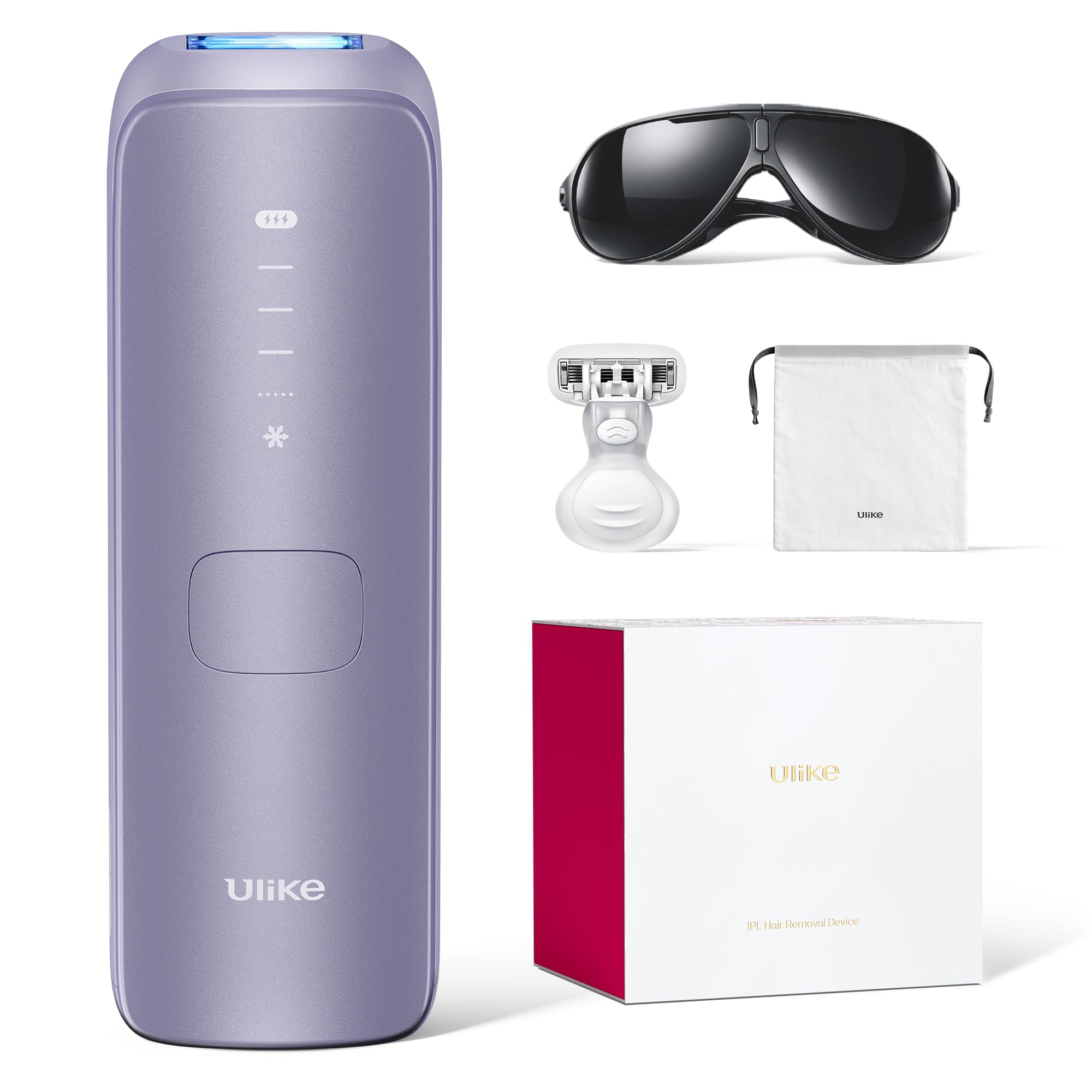
Ulike Air 10

89 /100
Trail Score Excellent

Key details

Weight
14.4 oz
Cooling
Sapphire, below 65 degrees F
Skin Sensor
Automatic tone adjustment
Energy Output
26J per 4-pulse burst
Check Price on Amazon

The sapphire window on the Ulike Air 10 holds below 65 degrees F through an entire treatment, and that is the number that put it at the top of this guide. At-home IPL works at almost any price, but only if you keep the level high enough to do something and keep coming back for eight weeks. The flash on a tenth pass over the same shin decides both. With the cooling running, we stayed at the higher settings on underarms and bikini instead of dialling down until it stopped.

Underneath the comfort there is real output. Dual Lights fires two pulses with each press, and the SHR mode delivers 26J per 4-pulse burst at stubborn, deep-rooted regrowth. In use that turns treatment into gliding rather than stamping, which is how a full leg stops being a project you keep postponing.

The SkinSensor is the quiet safety feature: it reads tone and adjusts each flash, so the device does the second-guessing instead of you. That matters on a tan line, and it matters more if your skin sits anywhere near the edge of the tone chart.

The trade is money against the Air 4 below, which runs the same routine with less output for less. If your treatment area is legs and nothing else, that saving is real. Where the Air 10 pulls ahead is the full course: face, underarms, bikini, all of it at an intensity you can sit through, which is the only thing that makes week eight different from week one.

Pros

  • Cooled head holds below 65 degrees F
  • Dual-light pulses plus 26J SHR bursts
  • Automatic skin-tone adjustment
  • Fast gliding passes on legs and back

Cons

  • Some units stop powering on
Our verdict

Cooling is what makes the Air 10 worth its price: you can hold a level that actually works on underarms and bikini, and holding it is what produces results.
Check Latest Price
2

Best Smart Guidance

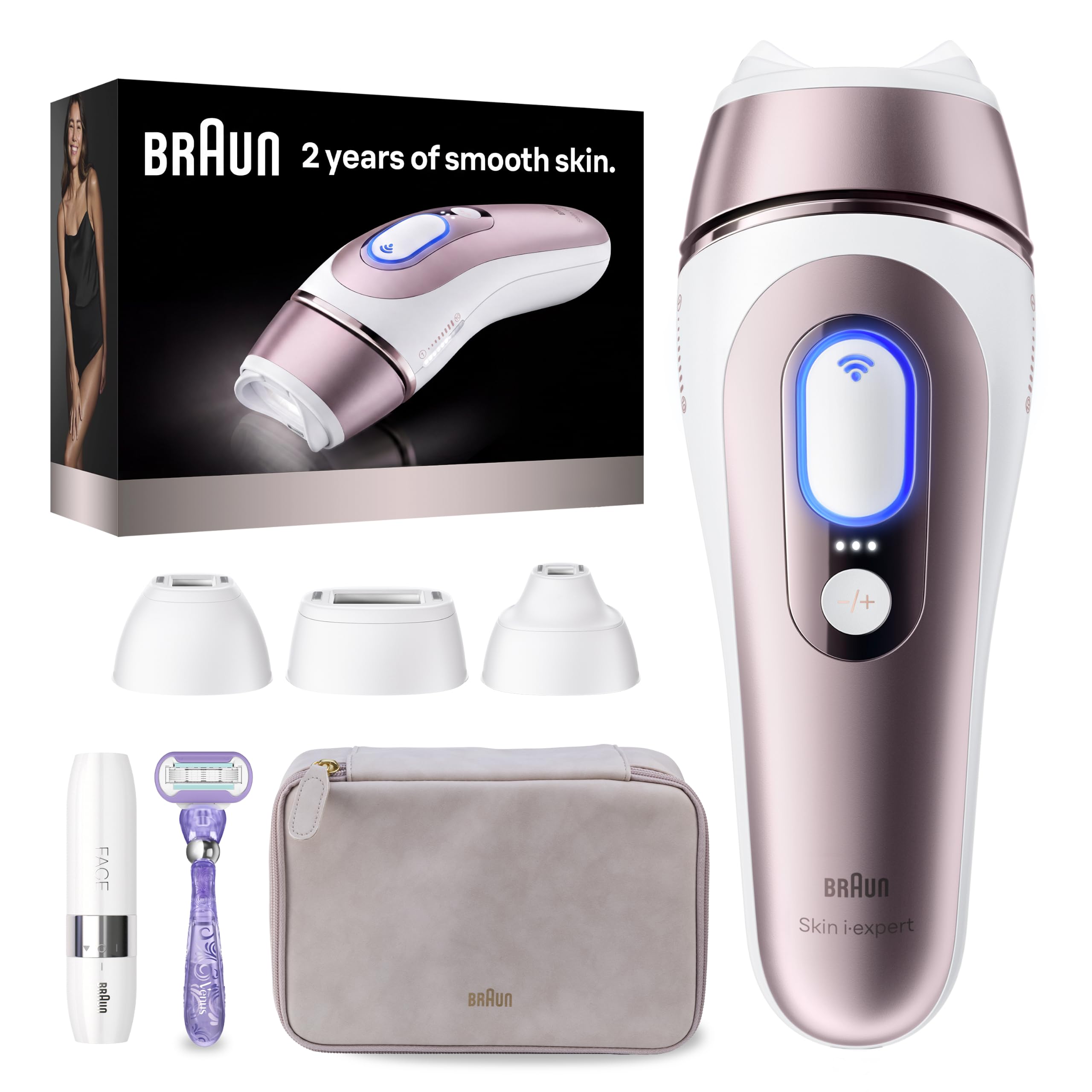
Braun i-Expert Pro 7

86 /100
Trail Score Excellent

Key details

Model
PL7219
Guidance
App coverage tracker
Heads Included
2 smart heads + facial trimmer
Full-body Session
10 minutes
Check Price on Amazon

The Skin i-Expert Pro 7 is the most expensive device in this guide, and nearly all of that premium rides on one idea: the app tells you where you have already been. Braun's software walks you through each session and tracks coverage live, so a missed strip of shin shows up on a screen instead of in the mirror two days later.

That sounds like a gimmick until you have run a few courses. The real failure mode with at-home IPL is not a weak device, it is a patchy one, and patchy comes from fatigue on the second leg. We think the tracker earns its keep on backs, thighs and anywhere you cannot see straight on, and the two smart heads plus a facial trimmer mean you are not improvising on the upper lip.

What the app cannot fix is comfort. Cooling here is milder than the sapphire systems on the Ulikes, and higher settings give a sharp sting in sensitive areas, tolerable but noticeable. The app is also the fragile part. Pairing can fail, and when it will not connect you are holding an expensive device that still flashes but loses the guidance you paid for. Buy this one for the map rather than the flash.

Pros

  • Live coverage tracking in the app
  • Two smart heads plus a facial trimmer
  • Ten-minute full-body sessions
  • Solid, well-finished build

Cons

  • App can fail to pair
  • Milder cooling than the sapphire picks
Our verdict

For anyone treating large areas and losing track of where the last pass ended, the Pro 7's coverage tracker is worth the premium; just don't expect it to be gentler than the Ulikes.

Check Latest Price
3

Best for Curves

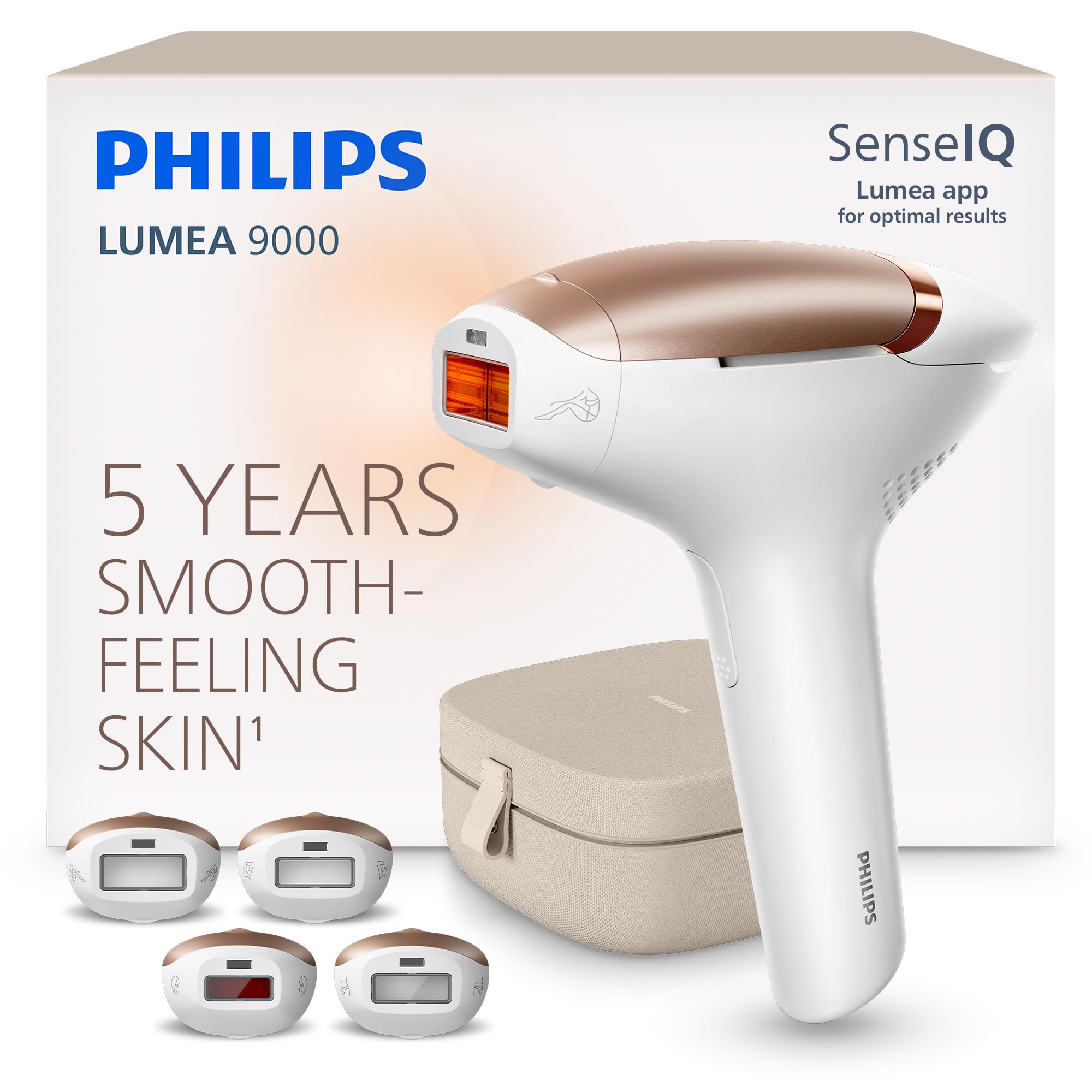
Philips Lumea 9000

84 /100
Trail Score Excellent

Key details

Model
BRI984/03
Schedule
Every 2 weeks, then monthly
Attachments
4 curved heads
Check Price on Amazon

Four curved attachments, each shaped for a different part of the body, is the whole argument for the Lumea 9000. Knees, shins, the curve where calf meets ankle: these are the places a flat window skips, and where you end up flashing the same patch three times and still missing a stripe.

The schedule is the other half. Philips asks for a session every two weeks to start, then once a month, a lighter routine than the twice-weekly ramp several devices here use. Fewer dates with the device is easier to keep, and keeping the routine is the whole game. Philips quotes more than 90% hair removal in three treatments; treat that as a ceiling rather than a forecast.

Results are where we hesitate. The Lumea's outcome is the most divided of anything here: a real reduction within a month for some, nothing at all after two months for others. That is not a knock on the build. It is IPL rewarding high contrast between hair and skin and doing very little where the contrast is low. So we recommend this one for the attachments and the lighter calendar, with eyes open about the three months it takes to know.

Pros

  • Four curved heads for body contours
  • Every-two-week start, then monthly
  • Fewer sessions than a twice-weekly ramp

Cons

  • One extra head over the 8000 for a much higher price
Our verdict

We like the Lumea 9000 for bodies with curves and a schedule that fits real life, as long as you go in knowing its results are the most variable in this guide.

Check Latest Price
4

Best Two-In-One

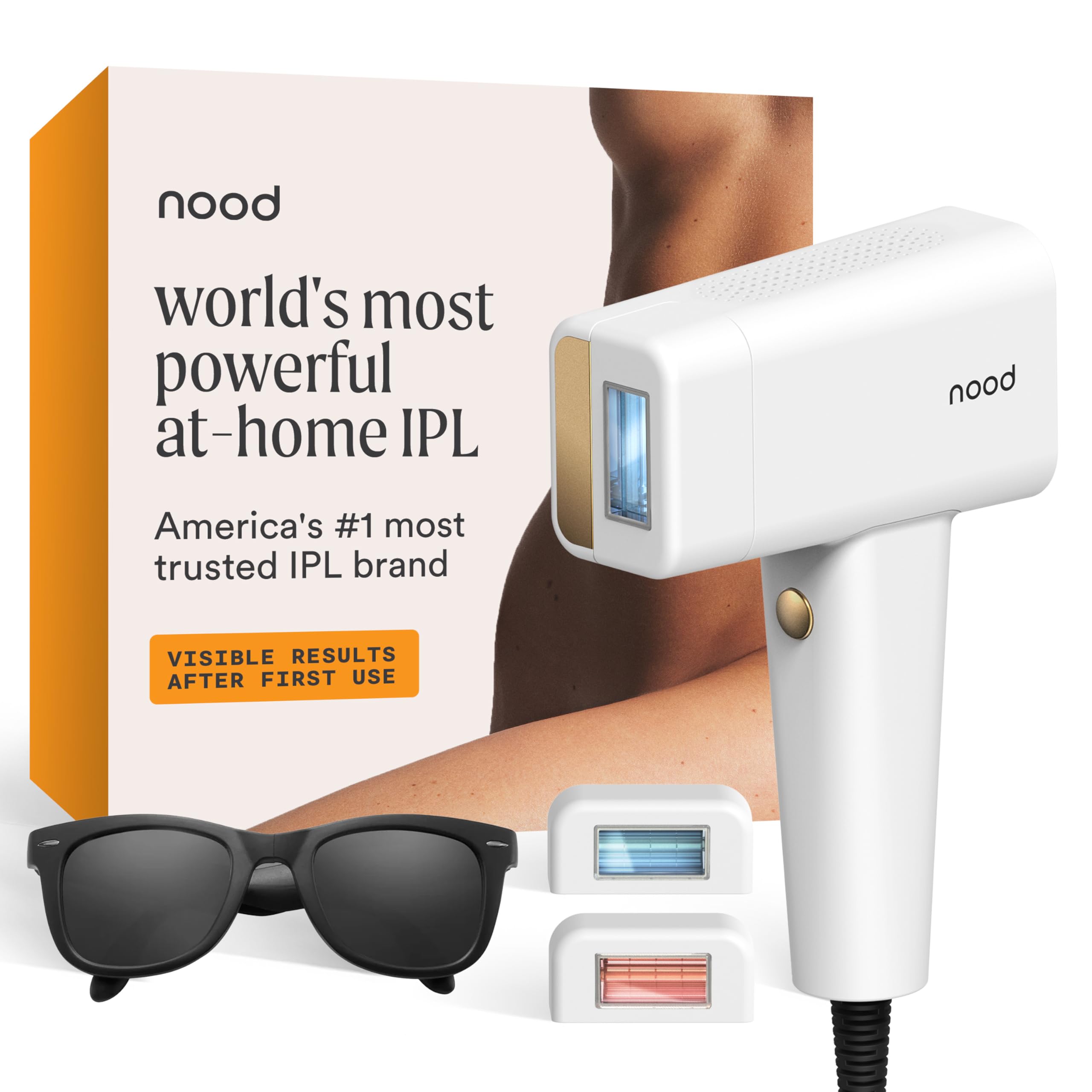
Nood Flasher Pro

83 /100
Trail Score Excellent

Key details

Model
T16A
Lenses
Hair removal + Ageless
Cooling
CryoSoothe contact plate
Flashes
Lifetime replacement guarantee
Check Price on Amazon

The Flasher Pro is the only device here that does something besides hair. Swap the treatment lens for the Ageless lens and the same handset runs a skin-firming routine, which is a genuinely different idea in a category where every box holds the same thing with a different logo. It is the reason we kept it in the guide.

The hair side stands up on its own. CryoSoothe keeps a cool plate against the skin, and on a full leg the flash reads as a warm click rather than a snap; that plate is what makes a second pass something you do rather than dread. MaxPulse output is at the strong end, small areas take minutes, and the lifetime flash replacement guarantee means you are not counting zaps or buying cartridges.

Where it trails the Braun is guidance. There is no coverage tracking, so you rely on your own eye for the strips you missed. The Ageless lens is also a bonus rather than a reason, since the results worth talking about here are still hair reduction. What it has going for it is that you will actually use it: the controls are simple enough that the manual barely matters.

Pros

  • Swappable Ageless lens for skin treatments
  • Cool contact plate for sensitive areas
  • Lifetime flash replacement guarantee
  • Quick sessions on small areas

Cons

  • No coverage tracking like the Braun
Our verdict

The Flasher Pro stays in because it is comfortable, quick, and the only one here with a second lens for skin, a fair trade for losing Braun's coverage map.

Check Latest Price
5

Best for Quick Sessions

Ulike Air 4

88 /100
Trail Score Excellent

Key details

Power
Corded
Cooling
Sapphire, 64 degrees F
Energy Output
24J
Flash Interval
0.4 seconds
Check Price on Amazon

The Air 4 is the Air 10 with the extras trimmed. No dual-light bursts, no SHR mode, same sapphire cooling at 64 degrees F and a lower price. If the flagship felt like more machine than your routine needs, this is the version to look at.

What it keeps is pace. A 0.4-second flash interval and Auto-Glide mean you sweep a leg rather than dot it, and corded power means the output does not fade halfway through the way a battery does. We also like that the box includes the razor and the protective glasses, the two things you would otherwise be ordering the night before your first session.

The gap shows up on stubborn regrowth. Without the extra output, coarse patches on the bikini line take more passes and more patience, though on legs and underarms we did not feel short-changed. For the routine most people actually keep, legs a couple of times a week and underarms when you remember, that is an easy trade to make.

Pros

  • 0.4-second flash interval
  • Sapphire cooling at 64 degrees F
  • Constant corded power
  • Includes razor and eye protection

Cons

  • Tethered to a cord during treatment
Our verdict

We point most first-time buyers to the Air 4: a cooled head, a fast flash and nothing to learn, which makes the routine the smallest part of your week.

Check Latest Price
6

Best Budget

Ubroo IPL Gold

84 /100
Trail Score Excellent

Key details

Model
CT05
Levels
9 power levels
Cooling
Ice cooling to 41 degrees F
Check Price on Amazon

Two figures tell you what the Ubroo Gold is: nine power levels and an ice-cooling system rated to 41 degrees F at the window. Both are the sort of numbers you expect from devices costing several times as much, and both are why this is the budget pick that does not feel like a penalty box.

The routine is simple: nine levels, a cooling plate, and no cartridges to buy, so what you pay up front is the whole cost. Regrowth slows and comes back finer with consistent use, and the cooling does most of the work. At the lower levels the flash barely registers, which is what lets you stay on schedule through the first few weeks.

The limit is heat. Leave it on auto for a few minutes and the head warms up, so long sessions want breaks; that is the trade for cooling at this price, and it is manageable if you treat legs in two passes rather than one long sweep. Otherwise the compromises are the obvious ones: a plain build and fewer refinements than the flagships.

Pros

  • Ice cooling rated to 41 degrees F
  • Nine adjustable power levels
  • No cartridges or refills to buy
  • Calm on skin at higher settings

Cons

  • Head warms during long auto passes
Our verdict

The Gold is the budget device that keeps its cooling promise, with nine levels, real ice cooling and nothing to buy after the box.

Check Latest Price
7

Midrange First Device

INIA HAUTE Pro

88 /100
Trail Score Excellent

Key details

Size
2.88 x 2.6 x 8.09 inches
Model
D-T018
Modes
Zone-specific settings
Cooling
Contact ice cooling
Check Price on Amazon

The HAUTE Pro is the midrange device that feels like it cost more: a handle-shaped body just over 8 inches long, contact ice cooling, and a finish that does not rattle when you set it down. When you are reaching around a knee, the shape matters more than the badge on it.

Zone modes do the thinking for you. Pick the area and the device picks a level, with adjustable settings underneath if you want to push. Moving between an underarm and a shin no longer means stopping to consult a card, a small thing that adds up across eight or ten sessions.

There is also a deep-root setting aimed at coarse hair, which is where budget devices tend to give up. The part we singled out is the cooling: it is contact-based and holds up on the areas that sting most, so the bikini line does not become the reason you skip a week.

Results are the uneven part. Some saw a difference in the first week, others none at all, which is the standard IPL story and not unique to this device. What makes it worth a place is the middle of the market: better made than the budget picks, cooled properly, and a fraction of what the flagships cost.

Pros

  • Zone-specific modes with adjustable levels
  • Contact cooling that holds up on sensitive areas
  • Deep-root setting for coarse hair
  • Handle-shaped body is easy to angle

Cons

  • Some units arrive dead
Our verdict

A well-built, properly cooled midrange device with almost no learning curve, the HAUTE Pro is the quiet value in this group.

Check Latest Price
8

Simpler Lumea

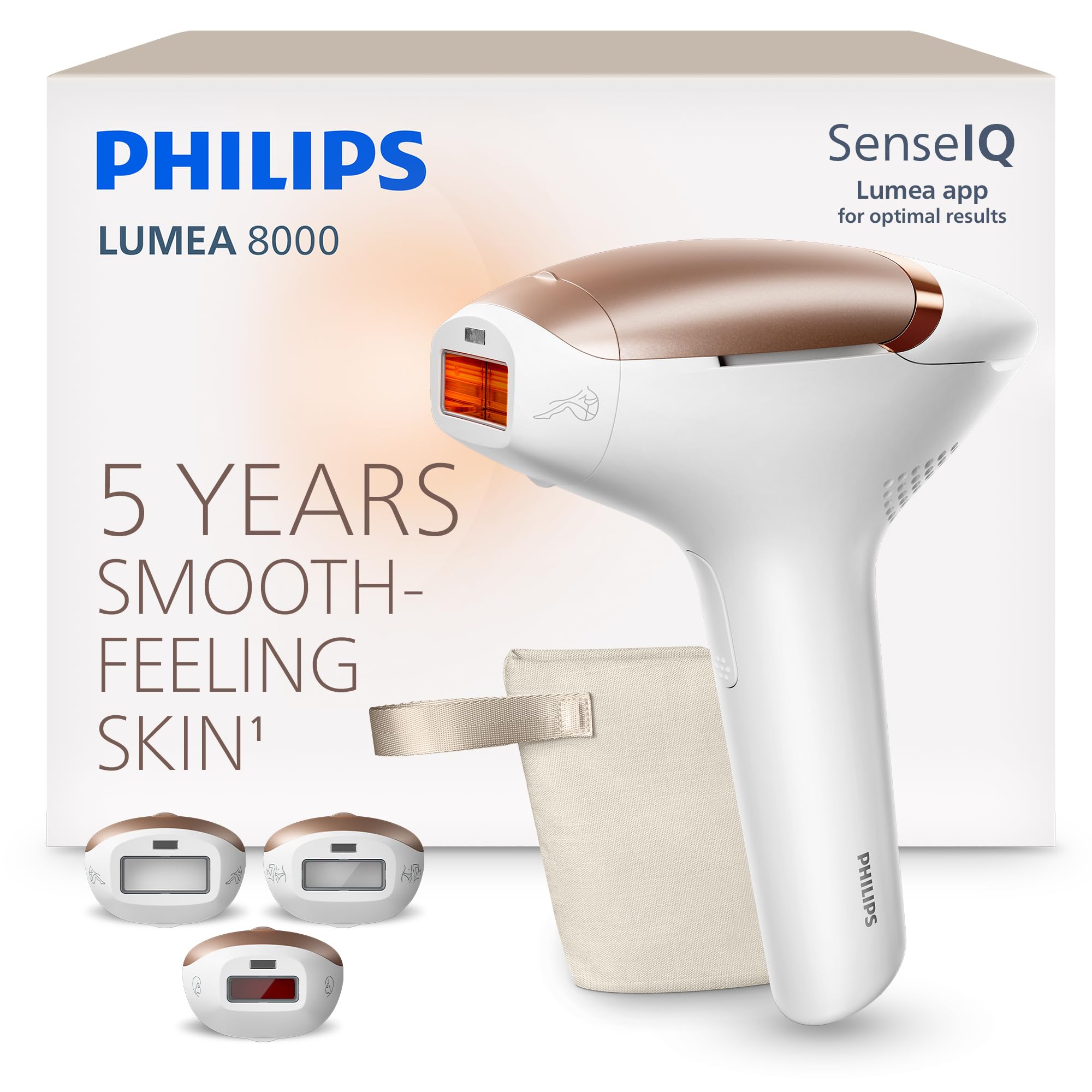
Philips Lumea 8000

86 /100
Trail Score Excellent

Key details

Model
BRI937/03
Schedule
Every 2 weeks, then monthly
Attachments
3 curved heads
Check Price on Amazon

Three curved attachments instead of four, the same every-two-week start, and the same claim of visible results after two sessions. The Lumea 8000 is the Philips you buy when the fourth head on the 9000 is one more than you will ever clip on.

That is not a downgrade where it counts. The window, the schedule and the intensity range all aim at the same job, and the head you give up is one contour-specific shape rather than a core function. Legs, underarms and bikini line are covered by what is in the box.

The routine suits people who will not keep a twice-weekly diary: every two weeks to start, then monthly once you are where you want to be. That is the lightest maintenance schedule in this guide, and a schedule you finish beats a stronger device you abandon.

The trade is the one both Philips devices carry. Results ride on the contrast between your hair and your skin, so the calendar matters as much as the machine. Buy it for the schedule and the three heads, and give it the full three months before you decide anything.

Pros

  • Three curved heads for body contours
  • Every-two-week start, then monthly
  • Same job as the 9000 for less

Cons

  • One fewer attachment than the 9000
Our verdict

Buy the 8000 if three heads cover your body and you would rather have Philips' lighter calendar than a fourth attachment in the drawer.

Check Latest Price

How We Tested IPL Hair Removal Devices

We started by pulling together the most widely reviewed IPL devices on the market, then narrowed the list by skin-tone suitability, flash count, corded versus cordless design, and cost per session—including whether the device required replacement cartridges. That left nine units, which we tested for seven months.

Each tester began with a patch test on the inner forearm, then moved to full legs and underarms, using the device at the intensity recommended for their skin tone. We timed setup from unboxing to first flash, counted passes per leg, and noted whether the handpiece felt balanced after ten minutes. After every session, we checked the temperature of the treatment head and recorded any redness, tingling, or heat that lingered past an hour. We also noted build quality—how solid the buttons felt, how long the cord was, and whether the device came with a case.

To judge hair growth, we photographed the same patch of skin under consistent bathroom lighting each week and compared regrowth density at one, two, and four weeks. We rated each flash on a simple sting scale and compared cooling features, since pain relief is often the line between sticking with a routine and abandoning it. Where a device had an app, we logged sessions and noted whether it added useful reminders or just extra taps. At the end, we compared results against cost, because a device that needs frequent cartridge replacements can quietly cost more than a pricier unit that doesn’t.

How to Choose an At-Home Ipl Device

Start with your hair and skin, not the spec sheet

IPL is light absorbed by pigment, so it needs something dark to aim at. Dark hair on light-to-medium skin is the easy case. White, grey, red and very light blonde hair usually gives it nothing to work with, and the deepest skin tones sit closest to the risk of the flash being absorbed by skin rather than follicle. Every device here ships with its own tone chart, and those charts do not all go to the same depth.

Look at your skin against that specific chart before you order. If you land near the edge of it, choose a device that senses tone and adjusts each flash rather than trusting you to stay on the right level, which the Ulike Air 10 and Air 4 both do.

Energy figures don't compare across brands

You'll see joules per square centimetre on one box, total joules per pulse on the next, and a burst total on a third. The Ubroo Gold's 13J, the Ulike Air 4's 24J and the Air 10's 26J per 4-pulse burst are not the same measurement, and a bigger number is not automatically more treatment. Flash counts work the same way: a device rated for hundreds of thousands of flashes will outlast your course many times over, so the count is a marketing convenience, not a reason to choose.

What you can compare honestly is the shape of the routine: how many levels, how long the flash interval, whether there's an automatic glide for big areas. A 0.4-second interval on the Air 4 changes how long a leg takes, and how long a leg takes changes whether you do it on a Thursday night.

Cooling is the feature you'll feel every session

Ice cooling, sapphire cooling, contact plates: the names differ but the mechanism doesn't. The window is chilled so the heat from each flash doesn't build up on skin. Stated temperatures across these devices run from 41 degrees F on the Ubroo Gold to just under 65 degrees F on the Ulike Air 10, and colder isn't automatically better. What matters is whether the plate stays cold for the length of a pass.

On legs, most people can take a warm flash. On underarms and bikini, cooling is what keeps you at a level high enough to do something instead of dialling down until it stops stinging. If those are your treatment areas, pay for the cooling.

Pick a schedule you'll finish

Courses run eight to twelve weeks, and the maintenance dose never really ends, since monthly touch-ups are the price of staying smooth. Devices differ in how they get you there: a twice-weekly ramp through the first weeks, or a session every two weeks, which is what both Philips Lumeas ask for. Choose the one that fits your actual week rather than the one that sounds more aggressive.

Count running costs before you buy. None of these need replacement cartridges, so the purchase price really is the cost. If the device is corded, as the Ulike Air 4 is, plan on a socket near the room where you treat rather than assuming you can wander.

Frequently Asked Questions

Final Verdict

The Ulike Air 10 is the one we'd hand to most people, because it solves the two things that end at-home IPL courses early: a flash you can tolerate at a level that works, and a routine short enough to run over a whole body. Comfort is not a luxury feature here. It is the mechanism by which the treatment succeeds.

If a guided map matters more than comfort, the Braun i-Expert Pro 7 is the alternative, provided you accept the sting and the app's moods. If money is the deciding factor, the Ubroo Gold delivers real ice cooling and nine levels for the least you can spend in this group, as long as you break up long sessions before the head warms.