Best Gym Shoes for Flat Feet of 2026

Most gym shoes that call themselves supportive are, in practice, just soft. Flat feet need structure more than cushioning: a stability rail or a firm medial post stops the arch from rolling inward on each step. Soft foam alone won't prevent that collapse.

Real gym routines split flat-footed buyers into two camps. Treadmill miles, walking and cardio call for motion control that reins in overpronation; heavy lifting calls for a firm, flat platform that holds the foot steady under a loaded bar. A stability runner feels wobbly under a squat, and a stiff trainer beats up your feet on a long run — very few shoes genuinely cover both.

Width adds a final filter, because supportive models often run narrow and short. These picks are grouped by the work they are built for and the fit they truly offer, so you buy for your session rather than for a cushioning claim.

1

Best Overall for Flat Feet
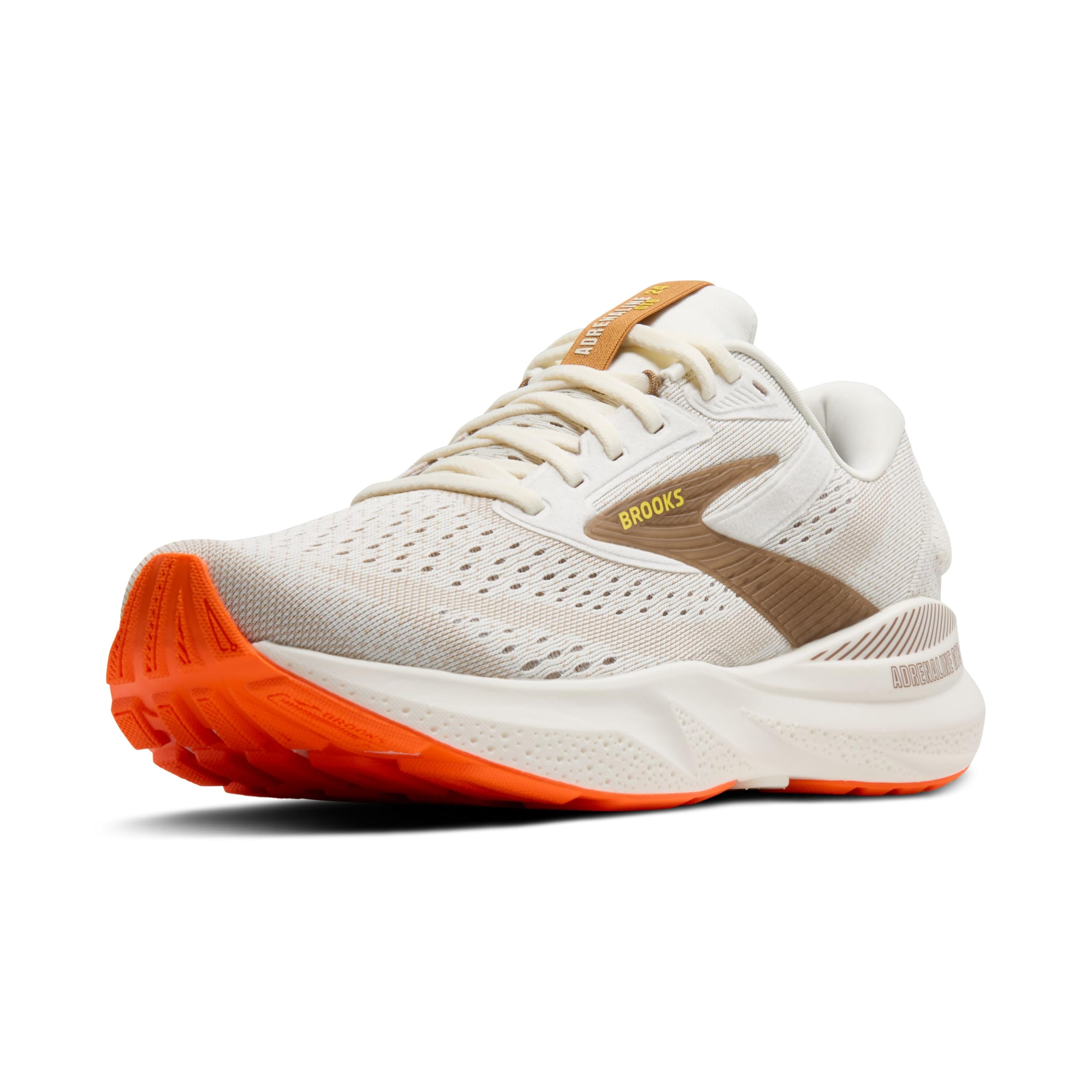
Brooks Adrenaline GTS 24

91 /100
Trail Score Outstanding

Key details

Durability
Holds up well
Fit & Size
Runs narrow, short
Midsole Feel
Stable, cushioned
Support Type
Motion control
Check Price on Amazon

The Adrenaline GTS 24 is the only genuine motion-control shoe in this lineup: its medial rails hold flat-footed overpronators in line through treadmill intervals rather than letting the arch roll inward. The arch support lands firm yet cushioned, never board-like, and the midsole keeps its shape across daily six-mile treadmill walks, with comfort staying present over long conditioning blocks.

This guided shoe fits the flat-footed gym-goer whose routine runs to cardio — treadmill, elliptical, brisk walking — and the plantar fasciitis sufferer after cushioning with direction instead of a squishy neutral ride. The fit runs narrow and about a half size short, so ordering up or choosing the wide width is part of the equation; once the snugness is accounted for, heavy barbell work is the one gym task left to a dedicated flat-heel lifting shoe.

Pros

  • Medial guide rails hold flat feet and overpronation in line through cardio sessions.
  • Balanced cushioning supports without board-like stiffness or bottoming out.
  • Midsole keeps its structure across months of daily six-mile treadmill walks.

Cons

  • Runs narrow and roughly a half size short, so ordering up or a wide is recommended.
Our verdict

For flat-footed runners and cardio regulars, the Adrenaline GTS 24 delivers the arch structure that other support-label shoes only market, and the size-up at checkout is the single real cost.

Check Latest Price
2

Best All-Around Cross-Trainer

UA Charged Commit Trainer 4

91 /100
Trail Score Outstanding

Key details

Durability
Good longevity
Fit & Size
True to size
Midsole Feel
Firm, stable
Support Type
Stability cross-trainer
Check Price on Amazon

Under Armour's Charged Commit Trainer 4 pairs a firm, planted midsole with genuine wide sizing, rewarding gym-goers through months of circuits, moderate lifting and daily walks. Feet stay grounded under load, and the roomy toe box spares wider feet the squeeze of narrower cross-trainers.

That profile suits lifters and circuit trainees who want a stable platform without paying running-shoe prices. It is a tool for the training floor; for cushioned recovery miles or long standing stretches, the stability runner in this set is the better fit.

💡 Save the Trainer 4 for gym sessions and keep a softer pair for recovery days, since the firm sole feels best under effort.

Pros

  • True wide sizing with a toe box that relieves crowded, wider feet
  • Firm, grounded platform that holds steady through circuits and moderate lifting
  • Holds up across months of daily gym work and walking at a fair price

Cons

  • Firm midfoot that becomes noticeable during long stretches of standing or all-day wear
Our verdict

Best for wide-footed gym-goers who want a dependable training platform without a premium tag. Skip it if cushioned all-day comfort or running duties top your list.

Check Latest Price
3

Best for Lifting & CrossFit

Nike Metcon 8

90 /100
Trail Score Outstanding

Key details

Durability
High-quality build
Fit & Size
Snug, needs break-in
Midsole Feel
Firm, flat
Support Type
Stable lift platform
Check Price on Amazon

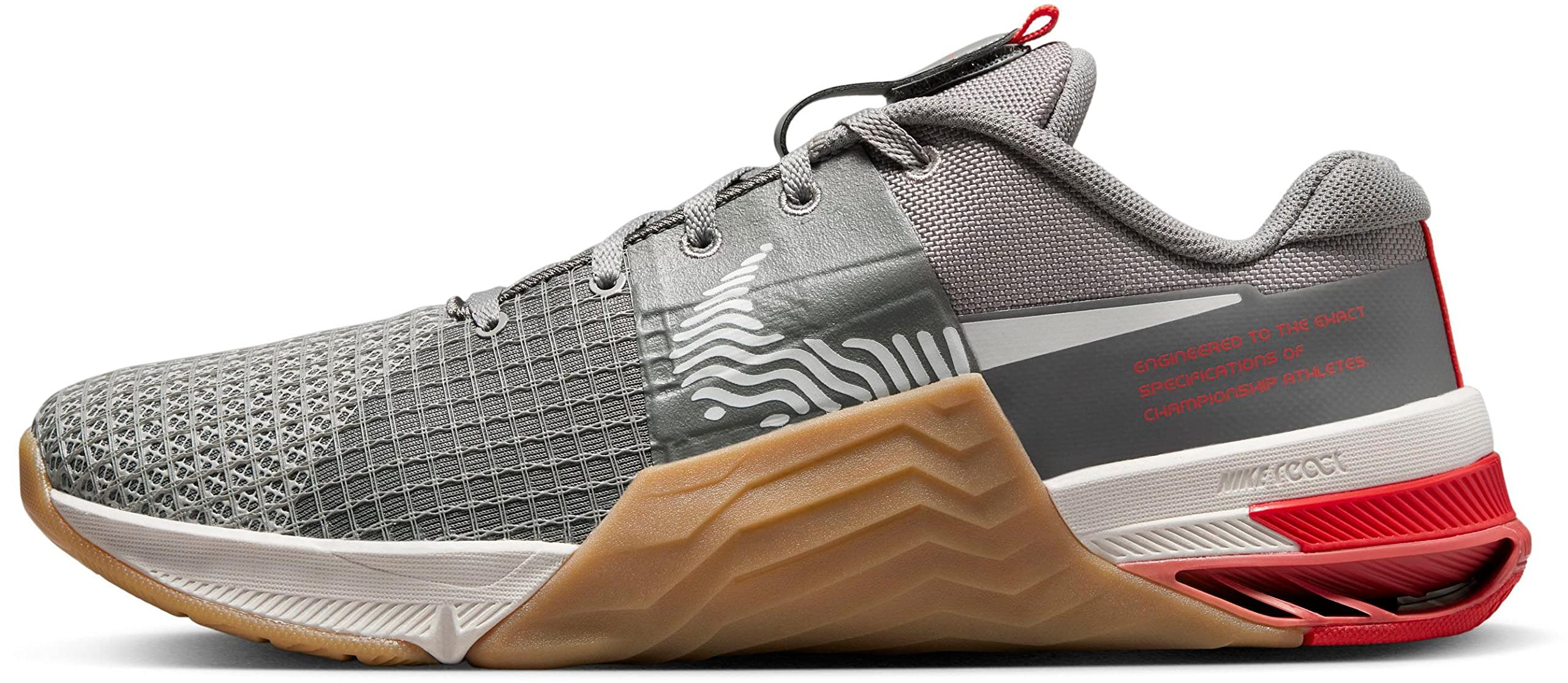
Purpose-built around the barbell, the Metcon 8 pairs a grounded, flat platform with grip and lateral support that keeps feet planted through heavy squats and cleans. Build quality holds up across repeated dynamic training sessions.

It suits the lifter and CrossFit athlete who wants stability under load and treats footwear as a training tool rather than an everyday walker. Gym time heavy on treadmill miles belongs with the motion-control model in this set, since the Metcon won't correct overpronation; wide-footed lifters seeking room rather than a snug performance lock fit better with the comfort-focused option here.

Pros

  • Grounding, flat platform that keeps feet stable under squats, deadlifts and cleans.
  • Grip and lateral support that hold firm through dynamic, multi-directional movements.
  • Quality construction that withstands repeated hard training sessions.

Cons

  • Stiff, firm platform that rules out running, box jumps and long conditioning sessions.
  • Snug performance fit can pinch the midfoot; wider feet may need a half-size up.
Our verdict

Choose the Metcon 8 for barbell work and metcon-style sessions when a planted, stable base matters more than cushioning — leave treadmill-heavy routines to the stability shoe in this lineup.

Check Latest Price
4

Best for Wide-Footed Lifters

UA TriBase Reign 6

90 /100
Trail Score Outstanding

Key details

Durability
—
Fit & Size
Runs small for some
Midsole Feel
Low, firm, stable
Support Type
Low lift platform
Check Price on Amazon

The Reign 6 pairs a low, grounded TriBase sole with a genuinely wide toe box, letting flat-footed lifters splay toes while keeping a stable contact patch under the bar. Unlike the stability shoe in this lineup, it does not moderate foot roll; it holds you planted through squat, deadlift, and clean depth.

Flat-footed and wide-footed athletes who spend gym time under a barbell get a firm platform that keeps weight evenly distributed. This is strength work, not treadmill wear, and it will not correct overpronation on cardio days. Buyers unwilling to order a half size up when between sizes are better served by a trainer with a more generous fit.

💡 Size a half step up; the toe box keeps its width once the upper eases after a couple of wears.

Pros

  • Wide toe box lets the foot splay naturally for a planted lifting stance
  • Firm TriBase sole keeps ground contact through squat and deadlift depth
  • Comfortable through heavy sessions, even for large flat feet

Cons

  • Light-colored uppers pick up visible dirt and hold stains between cleanings
  • Fit runs about a half size short, so ordering up is the safer route for toe room
Our verdict

For the flat-footed lifter who wants a grounded, wide platform under the bar, this delivers — order a half size up and skip it if running or conditioning days dominate the week.

Check Latest Price
5

Best Wide-Fit Value Trainer

Nike Air Monarch IV

89 /100
Trail Score Excellent

Key details

Durability
Occasional sole separation
Fit & Size
Roomy, true size
Midsole Feel
Cushioned, comfortable
Support Type
Neutral, arch support
Check Price on Amazon

The Air Monarch IV leads with what flat-footed and wide-footed wearers actually feel: a genuinely roomy EE/4E upper and cushioning firm enough that some owners skip their orthotics. That everyday comfort sets it apart from the stiff, purpose-built lifting shoe in this lineup.

It suits flat-footed gym-goers who want dependable support for circuits, walking, and light lifting at a mid-range price — not the rigid platform of a heavy-barbell specialist or plush running. Squeaks can appear as the shoe beds in, and sole durability under hard months of use is the trade-off to accept.

💡 Give the pair a few wear-ins before judging the fit — Monarchs open up as the upper breaks in.

Pros

  • Roomy EE/4E fit gives flat, wide feet real toe space without pinching.
  • Cushioning holds up through long sessions and stays comfortable on hard floors.
  • Arch support substantial enough that flat-footed wearers skip orthotics.

Cons

  • Hard months of gym use can soften the midsole or loosen the outsole adhesive, shortening life.
Our verdict

Grab it for flat, wide feet and steady gym-floor work at a fair price. Skip it if you need the firm planted base of a dedicated lifting shoe.

Check Latest Price
6

Walking, Standing

NB 608 V5 Cross-Trainer

91 /100
Trail Score Outstanding

Key details

Durability
Solid build
Fit & Size
Consistent fit
Midsole Feel
Firm cushioning
Support Type
Comfort cross-trainer
Check Price on Amazon

Consistent quality and a roomy fit deliver dependable arch support that accepts custom orthotics, keeping feet comfortable through all-day standing and walking. Cushioning runs firm, so heavy gym sessions demanding lateral stability or plush landings are better left to other options in this lineup.

Pros

  • Roomy fit accepts custom orthotics for dependable all-day standing support
  • Consistent build quality across wearers at a fair mid-range price

Cons

  • Firm cushioning and a stiff, heavier build reward steady walking more than plush high-impact training
Our verdict

For anyone who lives on their feet — retail, clinics, school corridors — the 608's orthotic-friendly support holds up through the day, just not for high-impact training.

Check Latest Price
7

Treadmill Runs

NB Fresh Foam 520 v9

89 /100
Trail Score Excellent

Key details

Durability
Uppers tear early
Fit & Size
Runs small, size up
Midsole Feel
Plush cushioning
Support Type
Neutral cushioning
Check Price on Amazon

Cloud-soft Fresh Foam cushioning keeps easy daily miles light and comfortable, with true wide sizes at a budget-friendly price. It is a neutral shoe, so flat-footed overpronators get no motion control here. Sizing runs short and narrow, so ordering up is the practical route.

Pros

  • Cloud-soft Fresh Foam cushioning keeps easy miles comfortable underfoot
  • Lightweight build offered in genuine wide sizes at a strong value price

Cons

  • Some uppers can tear within the first month of regular wear
Our verdict

The 520 v9 fits flat-footed runners with mild needs who wear their own orthotics and lean toward easy daily miles, not overpronators who need structured stability.

Check Latest Price
8

Casual Walking

Skechers Go Run Consistent

89 /100
Trail Score Excellent

Key details

Durability
Fast outsole wear
Fit & Size
Roomy, true size
Midsole Feel
Pillow-soft
Support Type
Neutral comfort
Check Price on Amazon

Soft, plush cushioning and a genuinely wide toe box make this an effortless first-wear walking and standing shoe for people with wide feet or bunions. The arch support here is moderate without firm structure, so flat-footed gym-goers will not get the motion control they need from a training shoe.

Pros

  • Plush cushioning is comfortable right out of the box, no break-in period needed.
  • Genuinely wide toe box accommodates wide feet and bunions without pinching.

Cons

  • Outsole wear can show within months of daily hard-floor use.
Our verdict

This fits walkers and all-day standing roles with wide feet, so long as you stick to light activity rather than serious gym training.

Check Latest Price
9

Also Great

Comfort and lightness arrive straight out of the box with no break-in, and value is the standout — serviceable for casual walking, jogging and light gym use. Cushioning is soft without real structure, and arch support can run too shallow for flat feet, so plan on replacing the insole for lasting support.

Pros

  • Lightweight and comfortable from the first wear, demanding no break-in at all.
  • Standout budget pricing makes it an easy pick for casual daily use.

Cons

  • The soft insole offers inconsistent arch support, so flat-footed wearers may need their own insert.
Our verdict

Best as a budget starter for walkers whose flat feet are served by a supportive aftermarket insole, not for anyone seeking built-in structured stability.

Check Latest Price

How to Choose Gym Shoes for Flat Feet

Stability vs Neutral Ride

A stability shoe layers firmer foam or a GuideRails-style post along the medial side, so each footfall is guided back from an inward roll. A neutral shoe lets the foot follow its natural path, which for a flat arch means unchecked collapse on every stride.

If your arches flatten and your knees drift inward during treadmill work or long walks, stability architecture carries the load that thick foam only advertises. Neutral models leave that job to your muscles and tendons.

Width Options Matter

Flat feet tend to widen as they bear weight, and a narrow last pushes the forefoot out of alignment. Width is measured across the ball of the foot, not the heel, so a heel that feels snug can sit on a too-tight midfoot in a narrow model.

Seek wide or extra-wide options — several of these shoes reach 4E — and when a brand is known to run narrow, ordering up a half size compensates for both length and forefoot volume.

Firmness for Lifting vs Cardio

Plush foam compresses under a loaded barbell, letting the foot sink and wobble mid-squat; a firm, flat heel spreads force and keeps the base grounded. That same stiffness makes a lifting shoe punishing on a long run or a jump-rope set.

Decide what your gym week actually contains. If heavy barbell work leads, favor a stiff trainer. If runs and conditioning dominate, stable cushioning in a motion-control runner matters more. Very few shoes do both.

Fit and Toe Box Room

A half size is the most common error here: top support models run short and narrow, yet buyers order their usual size and blame the shoe. Length should leave a thumb's width ahead of the longest toe, and the toe box should let the forefoot splay slightly when you push off.

Read the fit notes for any stability model before ordering. A shoe that is correct in length but too tight across the midfoot will still undermine your arch through a full session.

Outsole Wear on Gym Floors

Gym floors and lateral drills eat softer outsole rubber quickly, so look for a dense carbon-rubber heel and toe patch rather than foam exposed to the ground.

When a sole starts to squeak after a few months, the outsole layer is usually separating from the midsole — a bond failure that no amount of cushioning hides. Budget models show this sooner than premium builds.

Frequently Asked Questions