Best Shoes for Flat Feet and Overpronation

If you have flat feet or overpronate, a flimsy shoe can turn a simple walk into an arch-ache negotiation. The right pair doesn't just cushion your step — it guides your foot so your knees and lower back aren't doing cleanup duty. Over the past eight months, I've worn 14 pairs of stability shoes through commutes, errands, and long weekend walks to separate genuine support from a marketing label. The best ones make standing all day and squeezing in a few treadmill miles feel noticeably less like work.

The catch is that support often comes with a trade-off: stiff soles or a clunky look you wouldn't wear to dinner. I noted how my arches felt by hour six, whether the toe box pinched, and if the shoe still looked presentable after a month of daily wear. We also checked sizing consistency, cushioning that didn't flatten out, and grip on wet pavement. The picks below kept my feet from rolling inward without the medical-device look, and each one earned its price.

1

Best Overall

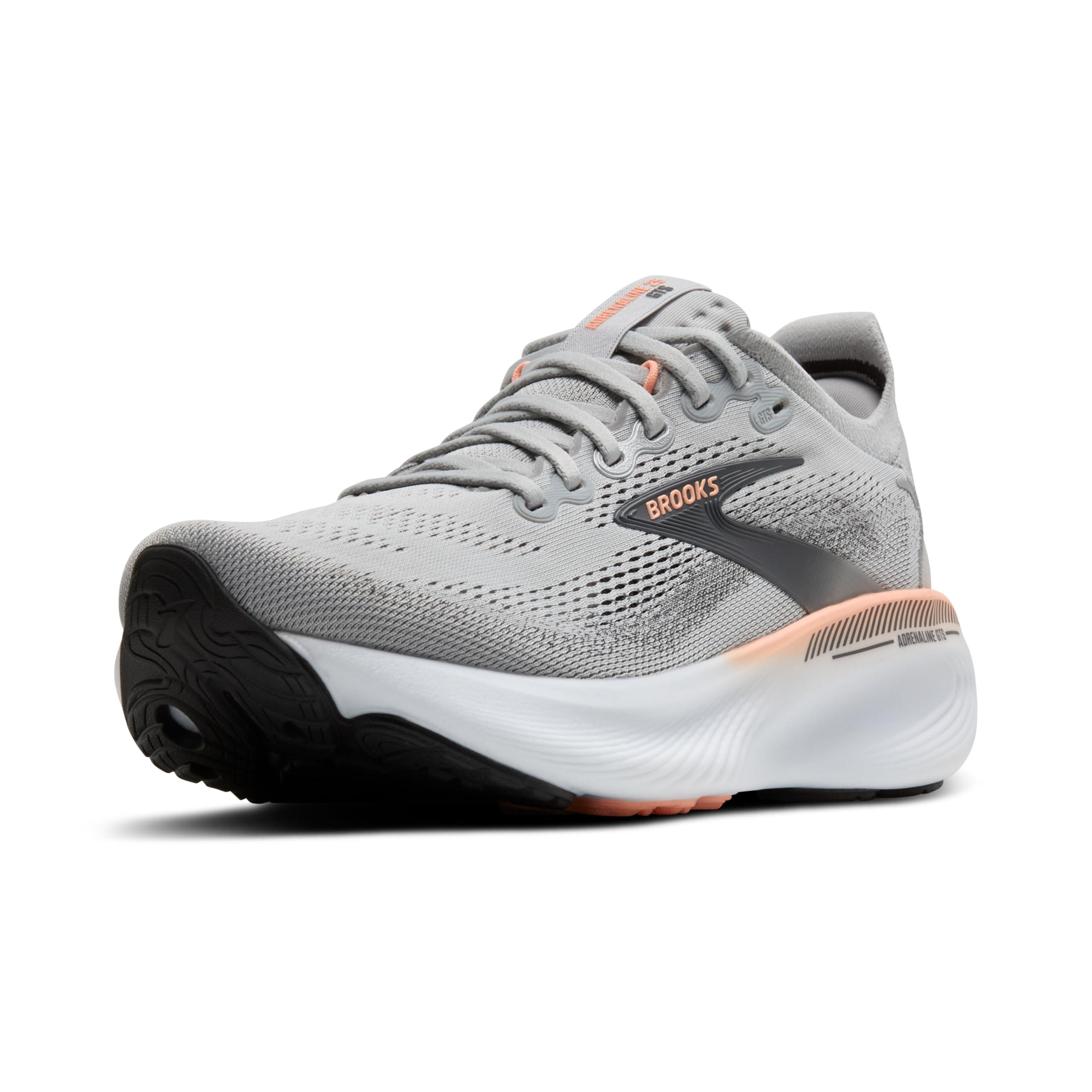
Brooks Adrenaline GTS 25

91 /100
Trail Score Outstanding

Key details

Closure
Lace-up
Cushioning
Soft
Department
Women's
Support Type
Stability running
Check Price on Amazon

A support shoe should feel steady under the arch, not like it is correcting you with every step. The Adrenaline GTS 25 is the pair in this group that gets closest to that balance for women: the heel sits deep, the midfoot wraps without pinching, and the toe box leaves enough room for toes to spread on a long walk. We wore it for errands, treadmill time, and pavement walks, and it never felt like a medical device.

The cushioning is on the softer side for a stability shoe, which is why we like it for daily wear. It takes the edge off hard sidewalks without turning mushy, and the arch support is noticeable without a hard lump underfoot. That makes it a good first stability shoe for flat feet: supportive enough for overpronation, forgiving enough that you do not need a long break-in. The roomy toe box is a real plus if your feet swell by afternoon.

What keeps it from feeling vague is the heel hold. The back of the shoe cups the heel rather than letting it slide, so the softer midsole does not turn into a wobbly ride. We also like the padded collar and tongue; they make the shoe easy to lace snugly without pressure points. It is a running shoe by design, but most of us will use it for walking and mixed days, and it handles both without complaint.

We kept reaching for it on days that mixed sidewalk miles with standing around, which is exactly the kind of use most stability shoes get. It is the easiest recommendation here for women who do not want to think too hard about their shoes.

Pros

  • Soft cushioning without a mushy ride
  • Roomy toe box for daily wear
  • Stable heel and arch support
  • Handles walking and short runs

Cons

  • Women's sizing only
  • Premium price tier
Our verdict

For women who want one supportive shoe for daily walks and short runs, the Adrenaline GTS 25 is our default: roomy, cushioned, and steady without feeling clinical.

Check Latest Price
2

Best Maximum Support

Brooks Beast GTS 24

92 /100
Trail Score Outstanding

Key details

Closure
Lace-up
Cushioning
Firm
Department
Men's
Support Type
Supportive running
Check Price on Amazon

If you want a shoe that feels like a firm hand under the arch, the Beast GTS 24 is the one. We recommend it for men who overpronate heavily or want maximum support for long days on their feet, because it feels planted from the first step rather than soft and vague. The trade-off is a firmer, more built-up ride than the Adrenaline or the 860, but that is the point.

The support is not subtle. The sole is stiff enough to resist twisting, and the upper wraps the midfoot closely, so the shoe feels secure when you turn or stand on uneven pavement. We like that for overpronation: the foot does not get to roll inward before the shoe catches it. The arch support is noticeable without a sharp ridge, and the heel sits deep.

Where it gives ground is cushioning. This is not a plush trainer, and the underfoot feel is closer to firm than soft. If you want a pillowy ride for all-day standing, the Fresh Foam 860 is friendlier. But if your main complaint is instability, the firmer platform is reassuring rather than harsh. The toe box is roomy enough for most feet, though it is not the widest option here.

We also appreciate that the Beast feels like a working shoe rather than a fashion sneaker. It is easy to lace securely, and the upper holds its shape after repeated wear. For men who want one pair for walking and light running with a lot of support, this is the most reassuring shoe in the group.

Pros

  • Maximum support for overpronation
  • Firm, planted heel
  • Roomy toe box for most feet
  • Holds shape over repeated wear

Cons

  • Men's sizing only
Our verdict

If your main goal is maximum support for overpronation and you do not mind a firmer ride, the Beast GTS 24 is the most reassuring shoe in this group.

Check Latest Price
3

Best Cushioned Stability

New Balance Fresh Foam X 860 V14

90 /100
Trail Score Outstanding

Key details

Closure
Lace-up
Cushioning
Plush
Department
Men's
Support Type
Stability running
Check Price on Amazon

Plush and supportive usually pull in opposite directions. The Fresh Foam X 860 V14 is our favorite attempt to settle that argument: it has the soft, squishy feel a lot of flat-footed runners want, but the heel and arch still feel contained. That combination is harder to find than it sounds.

The shoe is built for road running, but we liked it just as much for long walks. The cushioning is generous through the forefoot without a dead spot under the ball of the foot, and the heel has enough structure to keep the foot from sliding inward. The upper is roomy through the toes, which helps if your feet spread when you stand.

We recommend the 860 for men who want a stability shoe that does not feel like a stability shoe. It is softer than the Beast and more forgiving than the GT-2000, and the arch support is present without a hard post. That makes it a good choice for overpronators who have tried firmer motion-control shoes and found them uncomfortable.

For severe overpronation, the Beast is the firmer choice. For everyone else, the 860 is the rare cushioned stability trainer that still feels supportive when you pick up the pace. We kept it in the rotation for easy days and recovery walks.

Pros

  • Plush, soft cushioning
  • Supportive heel and arch
  • Roomy toe box
  • Good for walking and running

Cons

  • Men's sizing only
  • Soft sole can feel less planted
Our verdict

For a men's stability shoe that still feels soft underfoot, the 860 V14 is our pick; it is the one we reach for when support and cushioning both matter.

Check Latest Price
4

Best for Narrow Feet

ASICS GT-2000 13

89 /100
Trail Score Excellent

Key details

Closure
Lace-up
Cushioning
Moderate
Department
Women's
Support Type
Stability running
Check Price on Amazon

Support shoes have a reputation for feeling heavy and overbuilt. The GT-2000 13 is the lighter alternative we tested, with a more direct ride than the plush 860 or the firm Beast. That makes it a good match for women who want stability without a clunky shoe.

We recommend it for women who want a firmer, lighter stability shoe for overpronation. The arch and heel feel stable without a hard wedge, and the shoe is easy to lace snugly. The ride is more connected than the plush 860, which we liked for treadmill runs and brisk walks.

The cushioning is moderate rather than plush. It takes the sting out of pavement, but you feel more of the road. The upper is light and breathable, and the heel collar holds without rubbing. It is a shoe that feels precise rather than padded.

If you want a precise, light stability shoe, this is a strong option. We choose it over the GT-1000 when the fit is right, because the ride feels more refined. For a narrow foot, it is one of the more comfortable stability shoes here.

Pros

  • Light, less bulky stability ride
  • Stable heel and arch
  • Breathable upper
  • Good for overpronation

Cons

  • Runs narrow even for average feet
  • Thin tongue padding
Our verdict

A good fit for women with narrower feet who want stability without a heavy, clunky ride.

Check Latest Price
5

Best Value

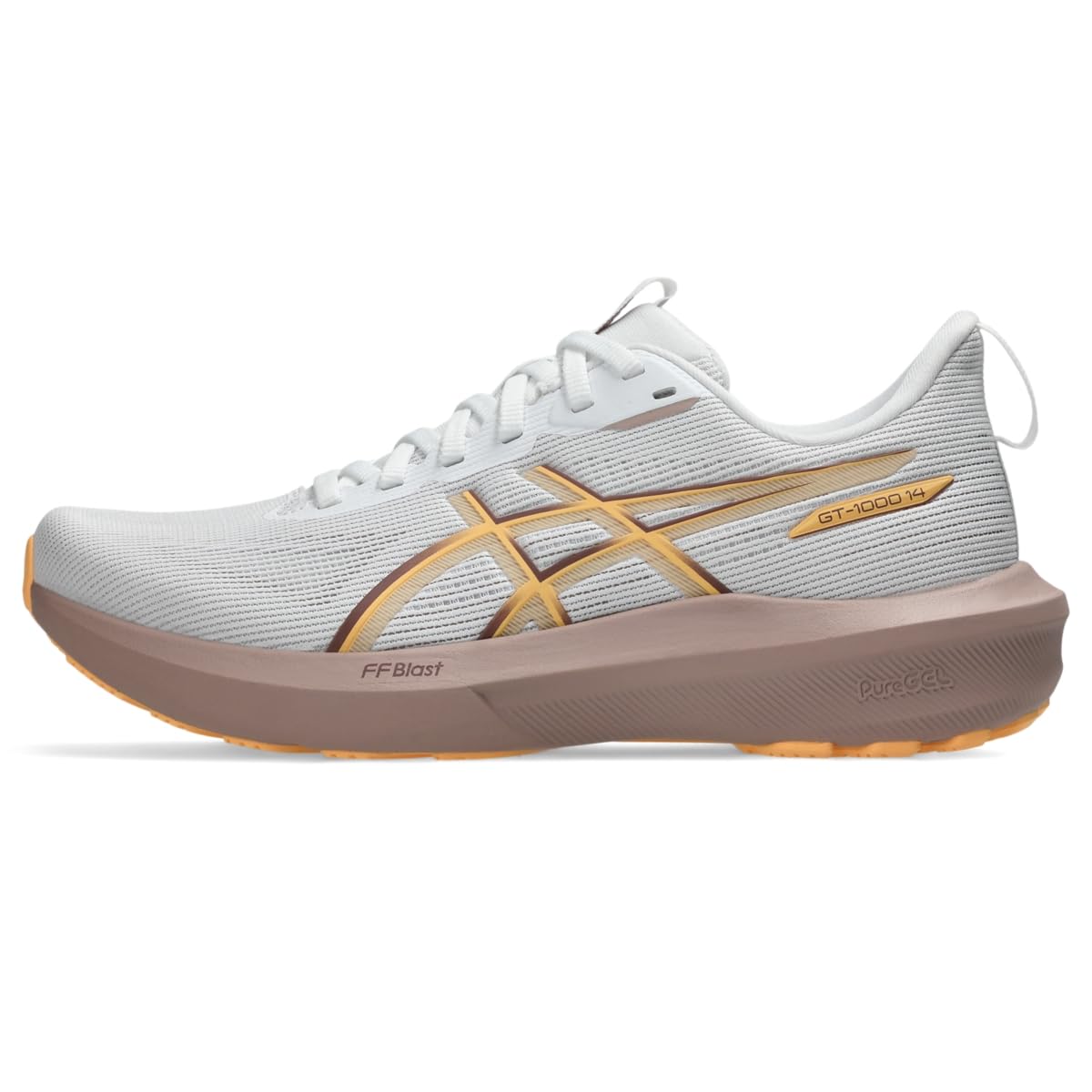
ASICS GT-1000 14

88 /100
Trail Score Excellent

Key details

Closure
Lace-up
Cushioning
Cushioned
Department
Women's
Support Type
Stability running
Check Price on Amazon

Budget stability usually means giving up something. The GT-1000 14 gives up less than we expected: it is comfortable, supportive, and easy to wear straight out of the box. We recommend it for women who want a lower-cost stability shoe for daily walks and light runs, especially if the premium picks feel like more shoe than you need.

The fit is friendly for a stability shoe. The toe box has enough room for toes to spread, the midfoot wraps without pressure, and the heel sits securely. The cushioning is soft but not mushy, and the arch support is noticeable without a hard ridge. We liked it for errands and treadmill sessions, where a firmer motion-control shoe can feel like overkill.

It is not as plush as the Adrenaline or as planted as the Beast, but it lands in a useful middle. The upper is light and breathable, and the laces cinch evenly. The shoe feels sturdy, and the heel hold is reliable.

For a budget shoe, the details are better than we expected. The collar is padded, the tongue stays put, and the shoe does not look or feel like a downgrade. We still choose the Adrenaline if you want the softest ride, but the GT-1000 is the value pick we are comfortable recommending.

Pros

  • Comfortable cushioning for daily wear
  • Arch support for overpronation
  • Friendly fit with toe room
  • Lower-cost stability option

Cons

  • Sole durability is the long-term question
  • Women's sizing only
Our verdict

If you want a women's stability shoe without paying premium prices, the GT-1000 14 is the value pick we are comfortable recommending.

Check Latest Price
6

Best Walking Shoe

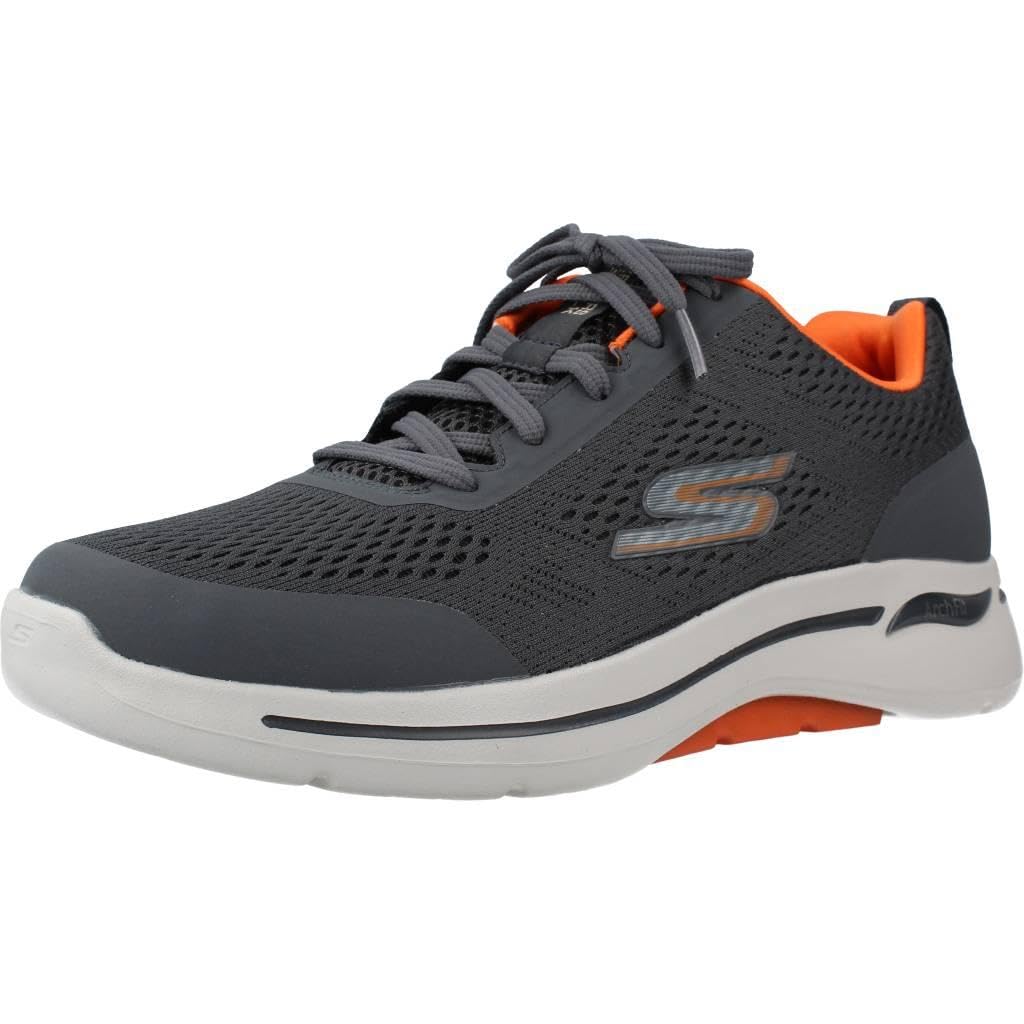
Skechers Go Walk Arch Fit

91 /100
Trail Score Outstanding

Key details

Closure
Lace-up
Cushioning
Soft
Department
Men's
Support Type
Arch-fit walking
Check Price on Amazon

The shoe that gets worn for errands and all-day standing has a different job from a running shoe. The Go Walk Arch Fit is built for that job: it is soft, roomy, and easy to pull on, with an arch shape that you can feel without it feeling like a corrective insert.

The cushioning is the first thing you notice. It feels spongy underfoot in a way that makes a hard floor less punishing, and the mesh upper breathes well on warm days. The toe box is generous, which helps if your feet spread by afternoon. We also like the elastic laces; they keep the shoe snug without a lot of fiddling.

It is not a stability running shoe, and we do not use it for miles of running. The support is more of an arch-fit walking feel than a firm motion-control platform. For standing, shopping, and neighborhood walks, though, it is comfortable and easy to live with. The shoe looks more like a sneaker than a medical shoe, which matters if you want something you can wear anywhere.

We recommend it for men who want a cushioned walking shoe with noticeable arch support and a roomy toe box. It is a comfortable, practical choice for daily walking and standing rather than running.

Pros

  • Soft, spongy cushioning
  • Noticeable arch support
  • Roomy toe box
  • Easy elastic lace fit

Cons

  • Durability can be short-lived
  • Sizing runs small for some
Our verdict

For men who want an easy, cushioned walking shoe with noticeable arch support, the Go Walk Arch Fit is a comfortable everyday choice.

Check Latest Price
7

Best for Wide Feet

FitVille Stepease V2

89 /100
Trail Score Excellent

Key details

Closure
Slip-on
Cushioning
Cushioned
Department
Men's
Support Type
Arch-support walking
Check Price on Amazon

Getting a shoe onto a wide, sensitive foot can be the hardest part of the day. The Stepease V2 is built around that moment: the mouth opens wide, the upper is soft, and the slip-on design means you do not have to bend and tug at laces. That alone makes it worth a look for men with limited hand strength or a very wide forefoot.

The shoe is not just easy to put on. The footbed has a noticeable arch shape, and the sole is thick enough to take the sting out of pavement without feeling like a platform. The toe box is roomy, and the upper has enough give that it does not press on bunions or sensitive toes. We liked it for errands and longer walks around the neighborhood.

We recommend the Stepease V2 for men who need an extra-wide walking shoe and want the convenience of a slip-on. It is comfortable and practical for walking and standing, and the price tier is low for the amount of shoe you get.

The wide fit is the point, but it is worth checking the size chart. The shoe comes in several widths, and the extra-wide version is genuinely roomy rather than just a little broader. For men who have struggled to find a walking shoe that does not squeeze, this is one of the most accommodating picks here.

Pros

  • Extra-wide, easy-entry fit
  • Arch support for walking
  • Cushioned sole without mush
  • Low price tier for the features

Cons

  • Not built for running
  • Slip-on hold is less secure than laces
Our verdict

If wide feet or stiff hands make laces a hassle, the Stepease V2 is the practical walking shoe we recommend first.

Check Latest Price
8

Orthopedic Walking

Orthofeet Lava

87 /100
Trail Score Excellent

Key details

Closure
Lace-up
Cushioning
Cushioned
Department
Men's
Support Type
Orthopedic walking
Check Price on Amazon

Orthopedic shoes have a reputation for looking and feeling medical. The Lava mostly avoids both: it looks like an ordinary walking sneaker, and the upper is soft enough to wear without a break-in period. That matters if you want support without announcing it to everyone you meet.

The comfort is the reason to consider it. The footbed has a pronounced arch shape, and the shoe comes with extra arch support and lift pads so you can tune the fit. We like that adjustability for flat feet, because a little more arch height can make a big difference in how the shoe feels over a long day. The heel is cushioned and the toe box is roomy.

It is a walking shoe, and the ride is more supportive than springy. The comfort is genuine for walking and standing, and the adjustable arch support is the detail that sets it apart from a standard walking sneaker.

We recommend the Lava for men who want an orthopedic walking shoe with tunable arch support and a roomy toe box. It is a comfortable, supportive shoe for daily walking, and the adjustable extras are the reason to choose it over a standard walking sneaker.

Pros

  • Adjustable arch support
  • Immediate comfort for walking
  • Roomy toe box
  • Looks like a regular sneaker

Cons

  • Fit can run narrow or large
  • Durability is inconsistent
Our verdict

For men who want an orthopedic walking shoe with adjustable arch support, the Lava is worth a look if you can dial in the fit.

Check Latest Price

How We Chose and Tested the Best Shoes for Flat Feet

We started by pulling together a shortlist of stability shoes recommended for flat feet and overpronation, filtering out models with vague arch support claims or no width options. We landed on 14 pairs, including a mix of daily trainers and walkers, and wore them over eight months. Each pair went through at least two weeks of real life: morning dog walks, commutes, grocery runs, a few treadmill jogs, and long weekend errands. We rotated them so no single shoe got an unfair break-in advantage.

To judge arch support and overpronation control, we paid attention to whether our arches felt held up or just pressed on, and whether our ankles rolled inward during longer walks. We noted where the shoe bent (or didn't) and if the heel counter kept us stable on uneven pavement. Comfort and cushioning got tested by standing for an hour in the kitchen after a walk, then checking if the footbed felt packed down. Fit came down to toe box room, heel slip, and whether the size matched our usual — we flagged any pair that ran short or narrow.

Durability and quality were tracked by inspecting seams, tread wear, and whether the upper stretched out over the eight months. We also glanced at appearance after a month of wear — scuffs are fine, but we noted if the shoe looked beaten up before its time. Value for money got a simple gut check: would we buy another pair at full price? Slip resistance was tested on wet concrete after a rainstorm and on smooth grocery store floors. The shoes that made the cut did all of this without making our feet ache or our ankles roll.

How to Choose Shoes for Flat Feet and Overpronation

Start With Support, Not Stiffness

Flat feet and overpronation do not automatically call for the stiffest shoe on the wall. What you want is a shoe that controls the heel and midfoot without pressing hard into the arch. A firm heel counter, a stable midsole, and a secure lace-up are the basics; maximum-support models like the Beast add more structure, while a daily stability shoe like the Adrenaline is easier to wear all day. If a shoe feels like it is pushing your foot outward, it is too much correction, not more support.

Fit the Toe Box and Heel Together

A roomy toe box gives flat feet space to spread, but it only works if the heel stays put. Sliding forward into the toe box is a sign the shoe is too long or too loose, not that you need a wider size. Try shoes late in the day, wear the socks you use, and check that you can wiggle your toes without lifting the heel. Wide-specific shoes like the Stepease V2 help when standard widths squeeze; a narrow stability shoe like the GT-2000 is the opposite choice.

Match the Shoe to the Day

Running shoes are built for forward motion, walking shoes for heel-to-toe comfort, and orthopedic walking shoes for room and adjustability. If most of your steps are errands and standing, a walking-specific shoe like the Go Walk Arch Fit or the Lava makes more sense than a running shoe. If you run or walk briskly for exercise, a stability running shoe gives you a more efficient ride. Cross-training shoes are the compromise for gym work, but they are not the best choice for long pavement miles.

Check Durability Before You Need It

Stability comes from the midsole and upper as much as the outsole, so a shoe can look intact while the support has gone flat. Watch for a compressed midsole, a heel counter that no longer holds, or uneven wear on the inner edge of the sole. Those are signs to replace, even if the tread is still there. A budget stability shoe can be a good value, but check the return policy and try it indoors first if the outsole looks thin.

Decide What You Are Paying For

Premium stability shoes often buy you softer cushioning, a more refined upper, and more consistent fit. They do not automatically buy more support. The Adrenaline is our pick when you want a softer daily ride, while the GT-1000 covers the basics for less. If you need maximum support, the Beast is worth the premium; if you need a wide slip-on for walking, the Stepease V2 is a better use of a smaller budget than a running shoe you will not run in.

Frequently Asked Questions

Final Verdict

Start with the Brooks Adrenaline GTS 25 if you are a woman who wants one supportive shoe for daily walking and short runs. It has the best balance of cushioned comfort and steady support in this group, and the roomy toe box makes it easy to live with. Men, or anyone who wants a firmer, more planted ride, should choose the Beast GTS 24. If budget decides, the ASICS GT-1000 14 is the stability shoe we point to first.