Best Creatine for Muscle Growth of 2026

Creatine has a reputation problem: the benefits for strength and muscle growth are well established, but plenty of tubs turn a shaker into a gritty, foamy slog—or leave you wondering whether you’re getting a quality dose. The right pick should mix without clumps, go down without a grimace, and be easy enough to take on a busy morning. I’ve kept a scoop in my gym bag for years, and I’m picky about the chalky stuff.

Over the past three months, our team tested 14 creatine powders and capsules, paying attention to taste, texture, dissolvability, and how they sat in our stomachs. We also checked labels and third-party testing paperwork, because “creatine quality” shouldn’t be a mystery. Value mattered, too—not just the sticker price, but cost per serving and whether we’d actually finish the tub. If you’re weighing powders against capsules, the best options below make the daily habit feel less like a chore and more like a five-second step before training.

1

Best Overall

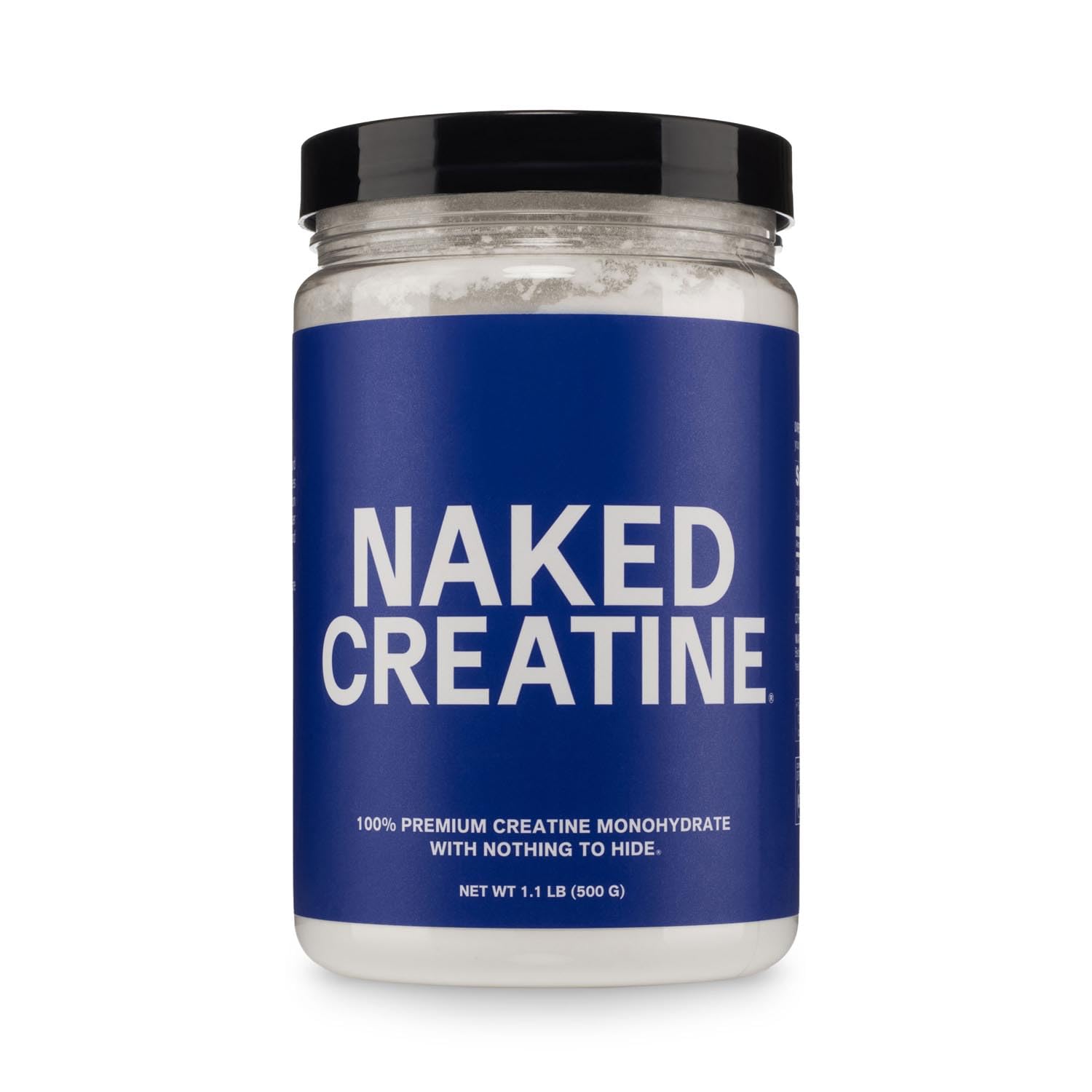
Naked Pure Micronized Creatine

95 /100
Trail Score Outstanding

Key details

Servings
100
Container
500 g tub
Ingredients
Single-ingredient, no fillers
Certification
NSF Certified
Check Price on Amazon

Certification is the first thing we check on a creatine label, and the NSF mark is why this tub sits at the top of our list. The ingredient list is a single line — micronized creatine monohydrate — and the label also covers vegan, non-GMO, soy-free, and gluten-free. For something you take every day for months, that short list matters more than any claim about gains.

It behaves the way the label promises, too. The powder is fine enough to disappear into water, juice, or coffee with a quick shake, and it leaves very little behind at the bottom of the glass — which is not something we can say for every pick here. It's genuinely tasteless, so it goes into whatever you already drink rather than dictating the drink. A 500 g tub holds 100 servings, about three months at a scoop a day.

The trade-off is size. This is half the tub of the kilo bags on our list, so you'll reorder more often, and the per-serving cost sits in the middle rather than at the bottom. Digestion is the other wildcard: creatine can cause nausea or loose stools at a full scoop, and no brand is exempt. Take it with food and plenty of water for the first week and see how your stomach answers.

Pros

  • NSF Certified with one single ingredient
  • Dissolves cleanly with almost no grit
  • Tasteless in water, coffee, or shakes
  • Vegan, non-GMO, and filler-free

Cons

  • Half the size of the kilo bags here
Our verdict

We point most people to Naked: one ingredient, NSF Certified, and it disappears into whatever you're already drinking after a workout.

Check Latest Price
2

Best Value

BulkSupplements Creatine Monohydrate

93 /100
Trail Score Outstanding

Key details

Servings
200
Packaging
1 kg resealable bag
Ingredients
Single-ingredient, no fillers
Serving Size
0.18 oz
Check Price on Amazon

Creatine arrives in a resealable bag here rather than a tub, and that's the trade you make for the lowest cost per serving in this group. A kilo at a 5 g serving is 200 servings, which is months of daily use from one package. The bag is also the annoying part: the seal is fiddly, the powder sits deep, and a scoop can send a puff across the counter. Decant it into a wide-mouthed jar and the problem disappears.

Set the packaging aside and this is the value pick we keep coming back to. The powder is micronized and mixes into water, juice, or a shake without much of a fight, and it's neutral enough to hide in anything. Batch testing and cGMP manufacturing are on the label, and the ingredient list is creatine monohydrate and nothing else.

What the label doesn't carry is a sport certification. If you compete under a testing program, pay for Thorne and don't think about it again. If you're training for yourself, this is the cheapest way to keep 5 g a day going for months, and the powder is good enough that you won't dread the scoop.

Pros

  • Lowest cost per serving in this group
  • Mixes cleanly into water, juice, or shakes
  • Single ingredient with batch testing

Cons

  • No sport certification like Thorne's
Our verdict

When cost per serving is the deciding factor and nobody drug tests you, this bag is the one we tell people to buy.

Check Latest Price
3

Best Large Tub

Nutricost Creatine Monohydrate

95 /100
Trail Score Outstanding

Key details

Diet
Non-GMO and gluten free
Servings
200
Packaging
1 kg tub
Serving Size
5 g (scoop included)
Check Price on Amazon

A kilogram of creatine is a commitment, and Nutricost makes it easy to live with: the powder comes in a proper tub with a lid and a marked 5 g scoop, so nothing ends up on the counter. Two hundred servings is the number that matters — at a scoop a day that's more than half a year of training without a reorder.

Inside, it's straightforward: micronized creatine monohydrate, no additives or fillers, non-GMO and gluten-free, produced in a GMP-compliant facility. The label doesn't promise anything beyond that, and it doesn't need to. It's the same molecule as every other pick here, in a container that's easier to use than a bag.

Where it gives ground is in the glass. This powder can clump if you stir it and walk away, and a few palates pick up a faint salty or bitter edge. Shake it in a bottle with a few ounces of liquid, or blend it into a protein shake, and both issues mostly vanish. We'll take the tub and the extra shaking.

Pros

  • Full kilogram in a lidded tub
  • Marked 5 g scoop included
  • No fillers, non-GMO, gluten free

Cons

  • Costs more per serving than the bagged options
Our verdict

For a full kilogram in a tub with a lid and a marked scoop, Nutricost is the one we keep on the shelf.

Check Latest Price
4

Best for Competitive Athletes

Thorne Creatine

95 /100
Trail Score Outstanding

Key details

Form
Micronized powder
Servings
90
Container
1 lb
Certification
NSF Certified for Sport
Check Price on Amazon

There's third-party testing, and then there's NSF Certified for Sport, which is the mark to look for if a governing body can show up at your meet. Thorne's label says it is tested for label compliance and screened against nearly 300 substances banned by major athletic organizations. That certification is the product here; the powder is almost a bonus.

The powder is good, though. It's micronized, fine, and dissolves in coffee or a cold shake without the gritty mouthful cheaper monohydrate leaves behind. The taste is mild enough to drink in plain water, which is more than we can say for tubs that need masking.

Ninety servings is a smaller tub than the kilos here, and the cost per serving is the highest of the powders in this group. That's the premium you pay for a label you can hand to a tester. For a competitive lifter, a college athlete, or anyone whose income depends on a clean sample, it's worth it. Everyone else can take Naked and keep the difference.

Pros

  • NSF Certified for Sport
  • Dissolves well in coffee and cold drinks
  • Mild enough to drink in plain water

Cons

  • Highest cost per serving of the powders here
Our verdict

If a testing body governs your sport, Thorne's NSF Certified for Sport mark is the reason to pay more here.

Check Latest Price
5

Best Capsules

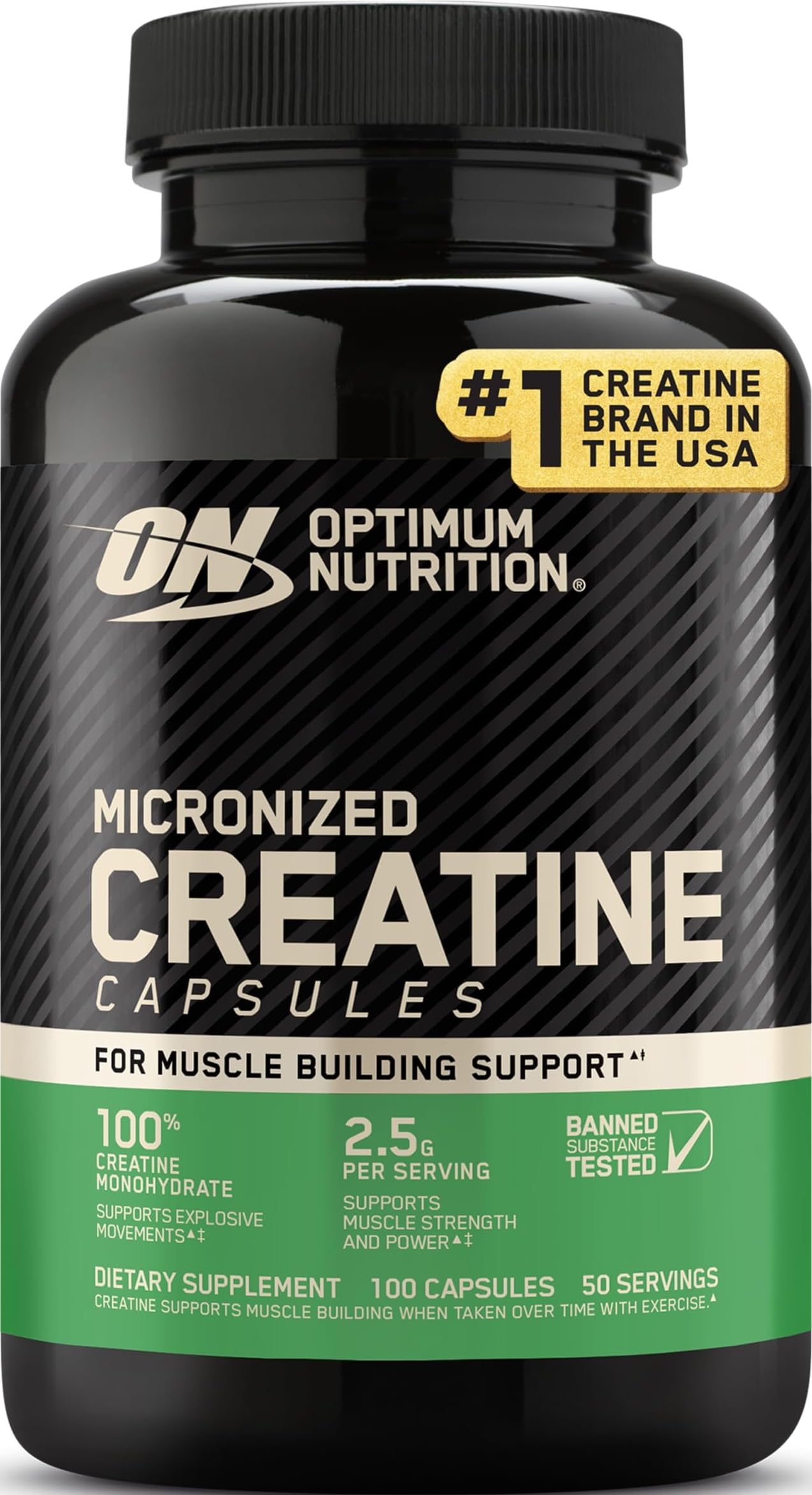
Optimum Nutrition Creatine Capsules

95 /100
Trail Score Outstanding

Key details

Form
Capsule
Servings
50
Serving Size
2.5 g per 2 capsules
Certification
Informed Choice
Check Price on Amazon

Nothing to measure, nothing to rinse. Optimum Nutrition's capsules need only a glass of water and leave no grit, no chalk, and no shaker bottle sitting in the sink at the end of the day. For anyone who has abandoned a powder because the routine got old, that's the entire argument.

The label is solid, too: banned-substance tested and part of the Informed Choice program, which is the reassurance most casual athletes actually need. Each serving is clearly printed as two capsules of 2.5 g creatine monohydrate, so there's no guessing at a rounded scoop.

The catch is that convenience is priced by the capsule, and a bottle doesn't last long at a full dose. We think it's worth it for travel, for a locker, or for the weeks when you know you won't mix anything. It isn't the way to run a whole year of daily creatine, and we wouldn't pretend otherwise.

Pros

  • Nothing to mix or clean up
  • Informed Choice banned-substance tested
  • Easy to keep in a bag or locker

Cons

  • Four large capsules make a 5 g dose
  • Bottle lasts about 25 days at that dose
Our verdict

For a gym bag or a week away with no shaker, these capsules are the simplest way to keep a daily creatine habit.

Check Latest Price
6

Best for Sensitive Stomachs

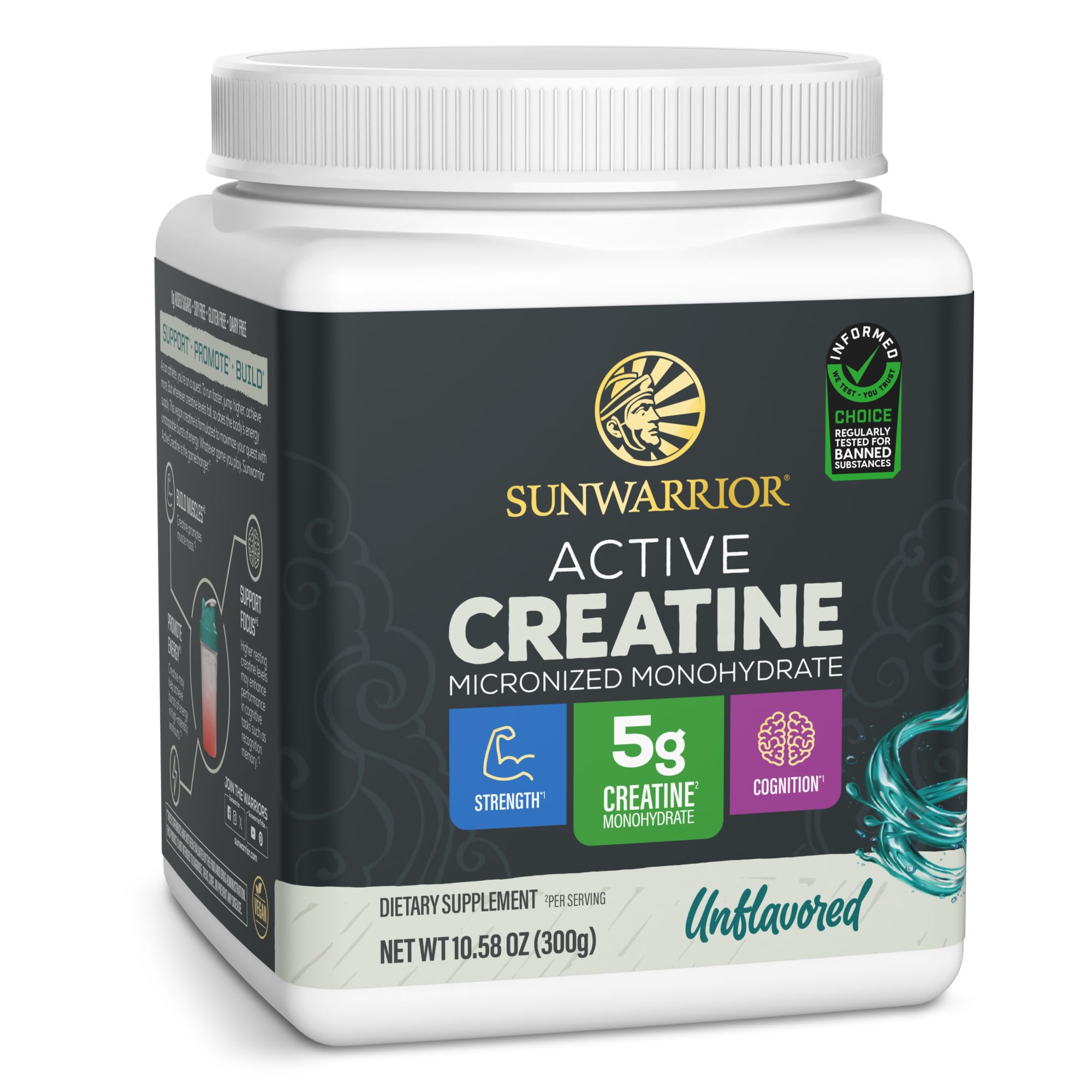
Sunwarrior Creatine Monohydrate

96 /100
Trail Score Outstanding

Key details

Form
Unflavored powder
Servings
60
Ingredients
No fillers or synthetics
Check Price on Amazon

Bloating is what makes people quit creatine after two weeks, and it's the first thing we weigh when we recommend a daily powder. Sunwarrior is the one in this group we set aside for anyone who got a heavy stomach from their last brand.

That reputation holds up against the label. The formula is unflavored with no fillers and no synthetics, the brand's whole identity is plant-based, and the powder mixes cleanly into water, coffee, or a shake without an aftertaste to cover up. It's the pick we trust for a sensitive stomach, and the one we hand to vegetarian and vegan lifters without a second thought.

Sixty servings is on the small side, and the cost per serving puts it in the premium bracket — you're paying for sourcing and gentleness rather than volume. If you go through a scoop a day, expect to reorder every couple of months. That's the price of the cleanest label here.

One small thing we appreciate: the serving spoon has a long handle. That sounds trivial until you've dug a short scoop out of a deep tub with powder up to your knuckles.

Pros

  • Easiest on the stomach of these picks
  • Vegan with no fillers or synthetics
  • Tasteless and mixes without grit

Cons

  • Premium cost with only 60 servings
Our verdict

If your last tub left you bloated, or you keep a plant-based kitchen, Sunwarrior is the creatine we recommend first.

Check Latest Price
7

First Tub

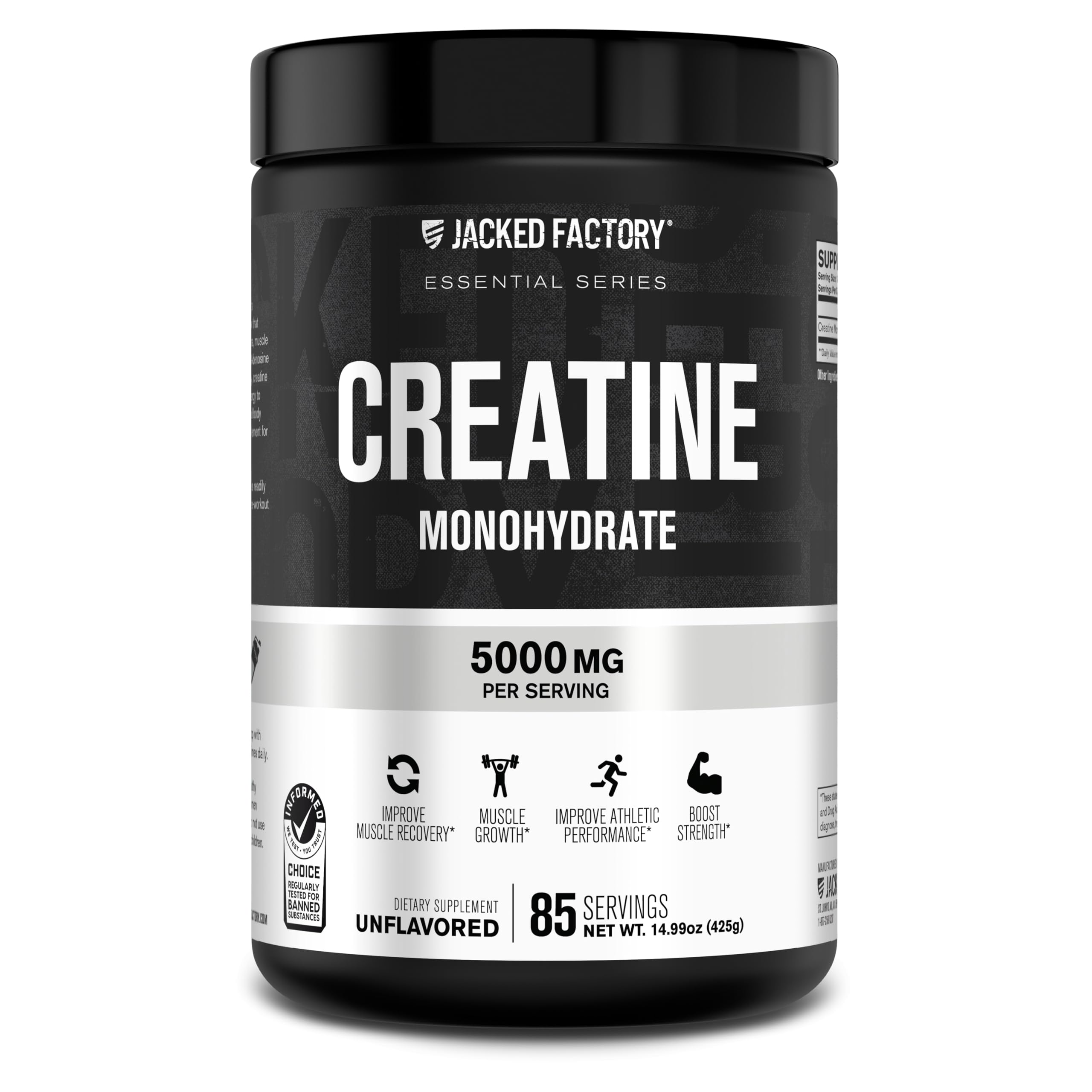
Jacked Factory Creatine Monohydrate

93 /100
Trail Score Outstanding

Key details

Servings
85
Container
425 g tub
Serving Size
0.18 oz
Certification
Informed Choice
Check Price on Amazon

A 425 g tub is a different proposition from a kilo. It fits on a crowded shelf, it's the size we suggest for a first run at creatine, and 85 servings is still about three months of daily use. Not everyone wants a kilogram of powder taking up cabinet space.

The label is better than the size suggests: Informed Choice certified, third-party tested, made in a cGMP facility, and micronized with no fillers or dyes. That's the same certification program the big brands use, on a tub that undercuts most of them.

It mixes easily into water or a shake with no odd aftertaste, and the powder is fine enough that a bottle and a few shakes will do. Our one gripe is the scoop, which has a short handle relative to the depth of the container — a long spoon or a small kitchen scale is easier.

If you already know you'll take creatine every day for a year, a kilo makes more sense. If you're finding out, this is the tub that won't sit half-used at the back of the cupboard.

Pros

  • Compact 425 g tub fits a crowded shelf
  • Informed Choice certified
  • Mixes easily with no aftertaste

Cons

  • Fewer servings per tub than the kilos
Our verdict

For a first tub or a small kitchen, the compact Jacked Factory container with Informed Choice testing is the one we reach for.

Check Latest Price
8

Biggest Tub

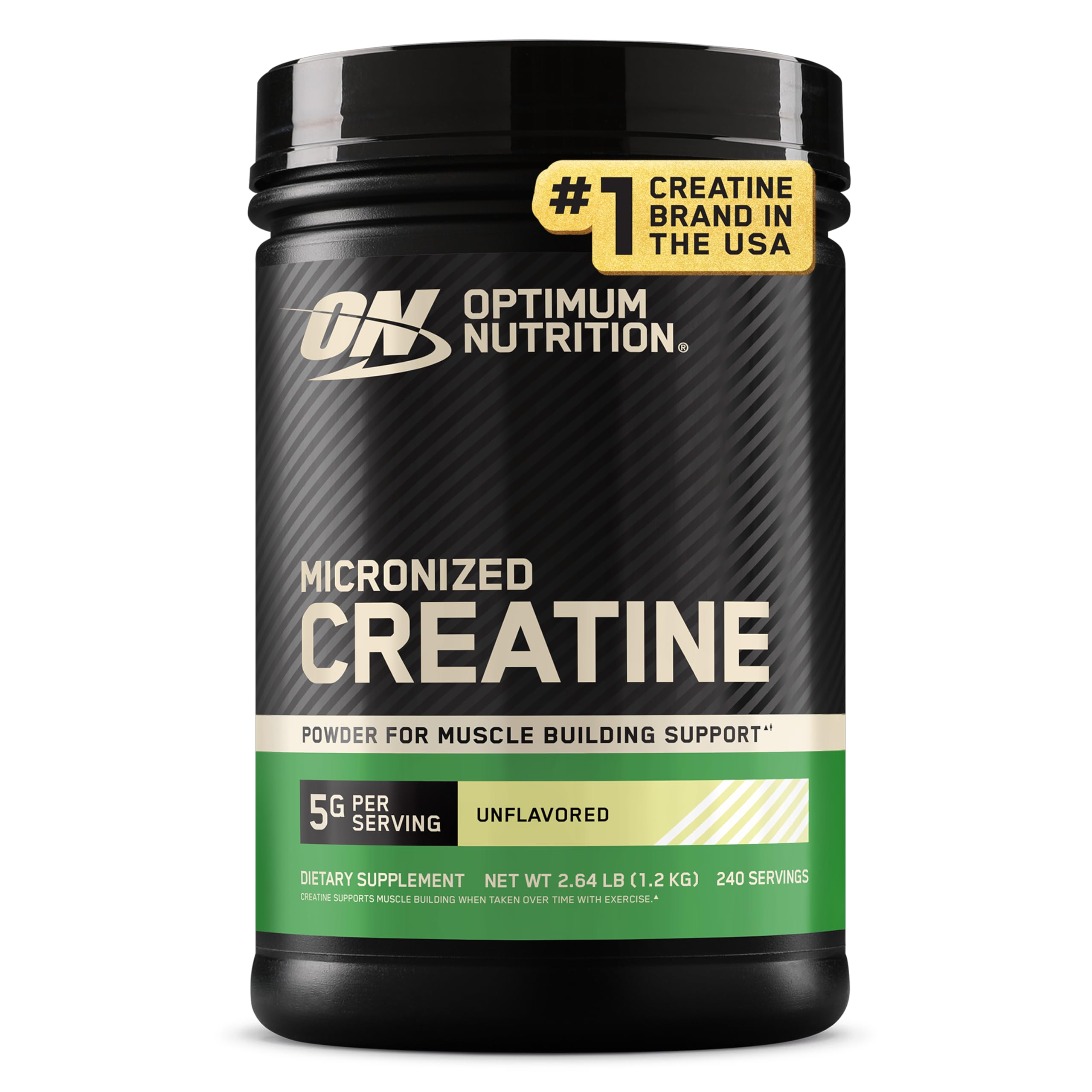
Optimum Nutrition Creatine Powder

93 /100
Trail Score Outstanding

Key details

Form
Micronized powder
Servings
240
Serving Size
0.18 oz
Certification
Informed Choice
Check Price on Amazon

Optimum Nutrition's creatine is the tub most people picture when they think about creatine at all, and 240 servings is why it turns up in so many gym bags. That's roughly eight months at a scoop a day from one container.

The value is real: banned-substance tested under the Informed Choice program, unflavored, and micronized. It stirs into juice or a protein shake and doesn't alter the taste of either, which is exactly what you want from a powder you'll use every day.

The scoop isn't always in the tub when it arrives, so keep a 5 g measure or a kitchen scale handy the first time you open it. The packaging is otherwise plain and functional, and the lid seals properly between sessions.

None of that stops it from being a smart buy if you already drink a shake every day and will blend this into it. If you want a creatine for a plain glass of water after a workout, Naked and Thorne both dissolve far more convincingly.

Pros

  • 240 servings in a single tub
  • Informed Choice banned-substance tested
  • Low cost per serving for its size

Cons

  • Gritty in plain water unless blended
Our verdict

A huge, well-tested tub at a low cost per serving — we recommend it if you'll blend it rather than stir it into water.

Check Latest Price

How We Tested Creatine for Muscle Growth

We started by pulling together the creatine products our editors and testers had heard about most often, then filtered that list by form (powder, capsule, gummy), the type of creatine named on the label, serving size, third-party testing claims, and cost per serving. We ruled out anything that didn’t disclose its creatine form or relied on vague blends the label couldn’t explain. That left us with 14 products to use for three full months.

Testing ran across early-morning gym sessions, lunchtime desk days, and weekend travel. Powder testers mixed one scoop in 8 ounces of water and, separately, in a protein shake, shaking for 10 seconds and then letting the bottle sit for five minutes to see whether sediment collected at the bottom. We sipped each plain or as directed and noted taste, grittiness, mouthfeel, and whether the last swallow was chalky. Capsule testers took them with water at the same time each day and recorded pill size, how easily they swallowed, and whether they dreaded the second capsule.

We logged every training session, tracking reps, weights, and how recovered we felt, not just whether we remembered to take the scoop. That’s how we judged effectiveness in practical terms—whether the product was easy to take consistently and whether it supported the kind of steady work you can actually see in a training log. We also asked testers to note any bloating, stomach discomfort, or other side effects, since a formula that upsets your gut won’t last in your routine. For quality and value, we reviewed ingredient labels and third-party certificates when available and calculated cost per serving, weighing that against how much we enjoyed using each one.

How to Choose a Creatine Supplement

Powder or Capsules?

Powder is the default for good reason: it's the cheapest way to get 5 g, it disappears into whatever you already drink, and a tub lasts months. Capsules buy convenience and very little else, because you're paying someone to measure for you and a full dose can mean four pills. Choose capsules for travel, a locker, or a routine you know won't survive a shaker bottle. Choose powder for everything else.

What Third-Party Testing Actually Buys You

Three kinds of claim show up on these labels, and they aren't equal. NSF Certified for Sport and Informed Sport or Informed Choice are certification programs that screen for substances banned in sport. A cGMP statement and 'batch tested' copy describe how a product is made and checked, not who verified it. If a governing body tests you, buy one of the two certification marks and stop reading. If nobody tests you, a short ingredient list is enough.

Mixability and the Packaging Trap

Micronized means a finer particle, which usually means less grit — but it doesn't guarantee the powder vanishes. Some tubs here leave a sandy layer at the bottom of a glass no matter how long you stir. Shake in a bottle with a few ounces of liquid rather than stirring, and blend into a protein shake if texture bothers you. Packaging counts too: a resealable bag is the cheapest route to a kilogram, but a tub with a lid and a marked scoop is worth more if you dig into it every morning.

Servings, Scoops, and Serving Size

Compare tubs by servings rather than by the weight printed on the front. A kilogram is 200 servings at 5 g, while a capsule bottle of similar size may hold only 50 servings of 2.5 g. Check that a scoop is included — it isn't guaranteed — and that it's marked in grams rather than a rounded tablespoon. If you keep a kitchen scale on the counter, weighing 5 g is the more reliable habit anyway.

Taste and Stomach Tolerance

Unflavored doesn't mean tasteless to every palate. Creatine can read faintly salty or bitter, and a flavored drink covers it easily. The bigger variable is your digestion: bloating, nausea, and loose stools turn up with every brand here, certified or not. Start with a full scoop alongside food and plenty of water rather than on an empty stomach before training, and give it a week before you decide it doesn't suit you.

Frequently Asked Questions

Final Verdict

Creatine is one of the few supplements where the cheap version and the expensive version are the same molecule, so our recommendation comes down to the label and the package. Naked is the tub we keep recommending: NSF Certified, one ingredient, and it dissolves cleanly enough that finishing the tub isn't a chore.

If you compete under a testing program, Thorne's NSF Certified for Sport mark is worth the premium. If cost per serving is the only thing that matters, BulkSupplements delivers the same 5 g for less in a bag that's worth decanting. And if you know you won't mix a powder, the Optimum Nutrition capsules will keep the habit alive.