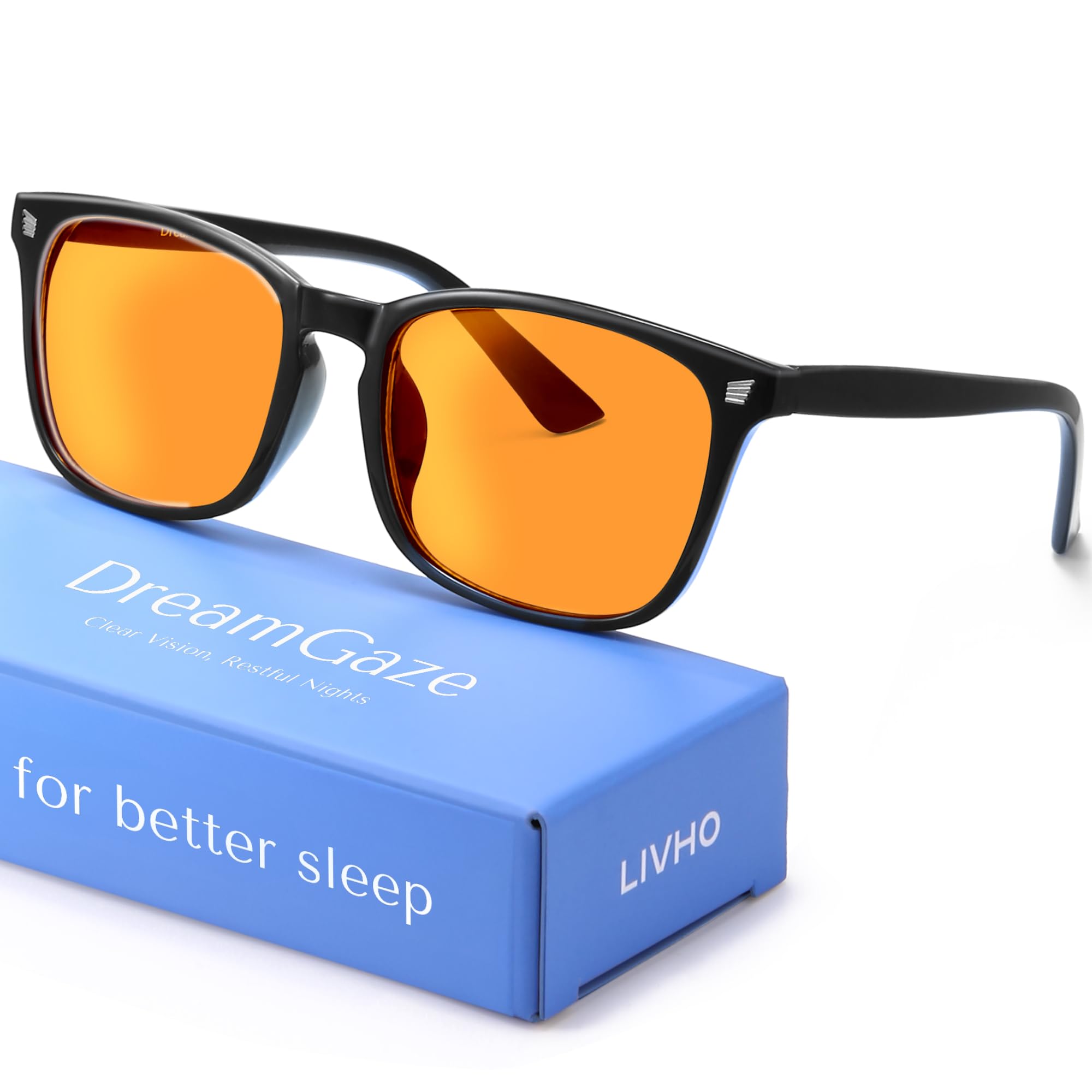
Best Blue Light Blocking Glasses for Computer Use of 2026

Blue-light glasses filter a slice of the high-energy blue end of the spectrum before it reaches your eyes — the same light a monitor pushes at you for eight hours straight. In practice that means a lens somewhere between nearly clear with a faint warm cast and noticeably amber, and the gap between a pair you forget you're wearing and one that ends up in a drawer comes down to tint, fit, and how the lenses handle a fingerprint. The right pair makes long screen days feel less gritty without turning your spreadsheet orange.

I once bought a pair on a whim that pinched behind my ears and smeared if I so much as blinked, and I could never tell whether they did anything at all. So over the past three months my team and I wore 16 pairs through full workdays, evening reading, and one very long flight. The lesson: the pair that blocks the most isn't the pair you'll actually keep on, and the specs never tell you which is which.

1

Best Overall

ANRRI Blue Light Glasses

91 /100
Trail Score Outstanding

Key details

Weight
0.63 oz
Warranty
Lifetime
Lens Tint
Clear, no yellow tint
Frame Width
143 mm
Check Price on Amazon

The lens is why this pair became our default. It is clear glass with the filter built in, so a spreadsheet stays white, a photo keeps the color you graded it to, and a video call does not make you look like you are sitting in a warm bar. Plenty of the glasses here tint the world amber; these do not, and for anyone who works on a screen all day that is the difference between glasses you keep on and glasses that end up in a drawer.

At 0.63 ounces the frame barely registers, and the flexible Areolite arms give at the temples instead of pressing. We wore these through long typing afternoons without the nose-bridge ache heavier frames produce, and the square shape reads as ordinary eyewear on camera, so people notice frames rather than a tint. The 143 mm front is a genuine medium, so measure a pair you already own across the hinges before you order.

A hard case and a cleaning cloth come in the box, and the frame carries a lifetime warranty, which is unusual among the pairs here. Width is the one thing to check first: if the glasses you wear now measure noticeably wider than 143 mm, this front will pinch, and the roomier livho frame further down is the better shape for you.

Pros

  • Clear lens keeps screen colors accurate
  • 0.63 oz frame disappears on the face
  • 143 mm width fits medium adult faces
  • Lifetime warranty on the frame

Cons

  • Flexible arms can crack with rough handling
Our verdict

Our pick for full workdays: a clear lens that keeps screen colors honest, an 18-gram frame you stop noticing, and a lifetime warranty. Measure your current frames first, because 143 mm is a true medium width.

Check Latest Price
2

Best for Tired Eyes

Gamma Ray Computer Glasses

91 /100
Trail Score Outstanding

Key details

Coating
Anti-glare, UV
Lens Tint
Amber
Package Dimensions
8 x 5 x 2 in
Check Price on Amazon

The amber lens is the product here. Put them on and a bright monitor loses its hard edge: whites warm up, blue links deepen, and the glare that has you squinting by late afternoon is simply gone. This is the most heavily filtered pair in this set, and you can see it the moment you put them on.

If headaches or end-of-day eye fatigue are the reason you are shopping, this is the pair we point to first. Eye-strain relief is where this frame sits near the top of this set, and it matched what we felt during long sessions: less squinting by mid-afternoon, no urge to drag the brightness down. The broad lens also covers more of the screen before your eyes wander past the edge of the frame.

The frames look like ordinary glasses rather than gaming gear, which matters if you will wear them in meetings, and they are roomy enough to sit over some prescription pairs. Fit runs generous rather than universal, so a narrow face will find them loose and should look at one of the 140 mm frames instead. Everyone else gets a lot of filtering for very little money.

Pros

  • Amber lens takes the edge off glare
  • Roomy enough to wear over some prescription frames
  • Looks like ordinary eyewear

Cons

  • Amber tint rules out color-critical work
Our verdict

We point anyone shopping because of headaches to this amber lens: the heaviest filtering in this guide, roomy enough for some prescription frames, and inexpensive. Skip it for color-critical work.

Check Latest Price
3

Best Budget Three-Pack

Gaoye Blue Light Glasses 3-Pack

89 /100
Trail Score Excellent

Key details

Lens Tint
Amber
Lens Width
52 mm
Frame Width
140 mm
Lens Height
42 mm
Check Price on Amazon

Three pairs in one box is the pitch, and it is a good one. Keep a pair at the desk, a pair in the bag and one for whoever keeps borrowing yours, and you stop carrying glasses between rooms all day.

The frames measure 140 mm across with a 52 mm lens that stands 42 mm tall, taller than most here, which covers more of the screen before your eyes wander past the frame edge. The lens is amber-tinted with UV400 and anti-reflective claims, and the whole thing is light enough that you forget you are wearing it.

For the money, we think it is the most sensible first multi-pack: cheap enough that losing one is not a disaster, and the taller lens suits anyone who finds standard frames skimpy. The amber tint does mean colors shift, which is fine for email and wrong for proofing a photo, so keep a clear pair around for color work.

Pros

  • Three pairs, one for each place you sit
  • Taller 42 mm lens covers more screen
  • Amber lens with UV400 protection

Cons

  • Soft pouches instead of hard cases
Our verdict

Three pairs in one box, with a taller lens that covers more of the screen than most. We think it is the smartest way to keep glasses at every desk you use.

Check Latest Price
4

Best for Sharing

MIGSIR Blue Light Glasses 6-Pack

93 /100
Trail Score Outstanding

Key details

Lens
Clear, non-prescription
Pack
6 pairs
Frame
Flexible
Colors
Six assorted
Check Price on Amazon

Six pairs in six colors sounds like a gimmick until you are the one buying glasses for a household. This is the box we hand to a family, a shared office or anyone who loses a pair every few weeks, and the color coding ends the argument about whose is whose.

It is also the best-rated frame in this set, and the things earning that rating are unglamorous: a flexible frame that survives being shoved into a bag, a light fit that does not leave marks across the nose, and non-prescription clear lenses that cut glare. The arms bend far enough that different face shapes can share the same model, which is the entire point of a six-pack.

Do the math on pairs and this works out to the lowest cost per pair in this guide, which changes how you treat them: one in the car, one by the TV, one at the office, and no more hunting for the pair you left in the kitchen. The frames handle a backpack without complaint, though we would not test them against a keyring.

Pros

  • Six pairs in six colors
  • Best buyer rating in this set
  • Flexible frame suits different faces

Cons

  • Lenses smudge and need frequent wiping
Our verdict

Six pairs, six colors, flexible frames and the best buyer rating in this guide. We recommend it to households and shared offices where one pair never stays on one person.

Check Latest Price
5

Best for Commuting

Benicci Blue Light Glasses

89 /100
Trail Score Excellent

Key details

Frame
Lightweight plastic
Included
Hard case, pouch, cloth
Department
Unisex adult
Check Price on Amazon

The hard case is the reason to pick these over the pouches. It comes with a soft bag and a cloth, and the whole kit is light enough to live in a work bag without you noticing it, which is the difference between glasses you own and glasses you actually wear.

For anyone commuting to a desk, that is the pick here. The frame is light enough to forget during a long afternoon, it stays where you put it instead of sliding down your nose, and it looks like ordinary eyewear rather than a gadget. We have worn pairs that needed pushing back up every ten minutes; this is not one of them.

Fit is generous enough to sit over some reading glasses, and the shape suits a range of faces without drama. Presentation is part of the appeal too: a proper case and a cloth rather than a baggie, and the frames have survived being carried around rather than left on a desk.

Pros

  • Hard case keeps them safe in a bag
  • Stays put instead of sliding down
  • Light enough to forget on the nose

Cons

  • Lenses scratch with everyday handling
  • Some pairs filter less blue light than expected
Our verdict

A hard case, a light frame that stays put, and enough width to wear over reading glasses. We like it for anyone whose glasses travel to work and back every day.

Check Latest Price
6

Wider Faces

livho Blue Light Glasses

88 /100
Trail Score Excellent

Key details

Weight
1.41 oz
Dimensions
6.06 x 2.36 x 1.18 in
Frame Material
Nylon
Check Price on Amazon

Fit runs big here, and that is the reason to buy them. The front is the roomiest in this set, so if most frames leave marks at your temples or sit high on your nose, this is the pair that gives you room. It is also why a small face will swim in them, so if you are petite, one of the 140 mm frames is the safer shape.

The nylon frame weighs 1.41 ounces and flexes without complaint, and the width keeps pressure off your ears through a long afternoon. Comfort is the strongest thing about this model: end-of-day strain is where it sits near the top of this set, and the light arms are the reason why.

We rate it on comfort and fit rather than on filtering, and that is the honest way to buy it: a broad face, long days, a light frame, nothing pressing behind the ears. If a dependable filter matters more to you than room does, pay for a clear-lens pair and accept a narrower front.

Pros

  • Roomy front for wider faces
  • Light 1.41 oz nylon frame
  • Comfortable across long sessions

Cons

  • Filtering varies from pair to pair
Our verdict

The roomiest frame here, and the one we suggest for broad faces: light, flexible and comfortable for hours. Check the lens you receive before trusting it, since filtering varies.

Check Latest Price
7

First-Time Trial

MAXJULI Blue Light Glasses

89 /100
Trail Score Excellent

Key details

Lens
Polycarbonate, anti-reflective
Weight
1.45 oz
Dimensions
7.09 x 3.15 x 2.56 in
Check Price on Amazon

This is the least expensive single pair in this set, and that is the whole case for it. If you have never worn blue light glasses and you are not sure you will keep them on, buying the cheapest pair that does the job beats buying the best pair and discovering you hate the feeling of frames on your face.

The lens is clear polycarbonate with an anti-reflective coating, which is the right specification for screen work: no amber cast, no yellow documents. At 1.45 ounces the frame is light enough to forget, and the square shape reads as ordinary glasses rather than gear.

The frames run large and square. On a narrow face you will be pushing them back up all afternoon, so if you are buying for a petite wearer, one of the 140 mm frames here is the safer shape. That is the trade for a pair at this end of the price range.

For a first pair, we think the experiment is worth it. Wear them for a week of ordinary screen work; if the glare relief is real you will know whether to spend more on a clearer lens, and if it is not, you have learned that for the least money in this guide.

Pros

  • Least expensive single pair here
  • Clear anti-reflective polycarbonate lens
  • Light 1.45 oz frame

Cons

  • Lens clarity is inconsistent
  • Arms have snapped on some pairs
Our verdict

The cheapest way here to find out whether blue light glasses help you at all. We recommend it as a trial pair, not as the one you keep for years.

Check Latest Price
8

Casual Screen Time

MEETSUN Blue Light Glasses 3-Pack

89 /100
Trail Score Excellent

Key details

Pack
3 pairs
Lens Width
5.3 cm
Frame Width
14 cm
Bridge Width
13 mm
Check Price on Amazon

Three finishes in one box, black, leopard and tortoise, and all of them look like frames someone chose rather than equipment, which is more than you can say for a lot of what is in this category. On a video call they read as ordinary eyewear.

The measurements are sensible: a 53 mm lens, 42 mm of lens height, a 13 mm bridge and a 140 mm front, which is a middle-of-the-road adult width. The lens is clear with UV400 and a low color-shift formula, and the black pair is the one to keep beside the computer.

Width is the compromise. At 140 mm the front is snug on a broad face and oversized on a narrow one, and the tortoise pair carries a noticeably warmer tint than the black, so start with black if you are judging color on screen. What you get in return is three pairs to scatter across the desk, the bag and a partner.

We see this as a good second-string three-pack rather than a daily driver: the black pair for calls, the others for the sofa and the car. It is the eight-hour days that expose the compromise width.

Pros

  • Three finishes that look like regular frames
  • 140 mm front suits most adults
  • Low cost per pair as a three-pack

Cons

  • Lens clarity is uneven across pairs
Our verdict

Three good-looking finishes at a low cost per pair, though the width is a compromise and lens clarity is uneven. We see it as spares rather than a daily driver.

Check Latest Price

How We Tested 16 Pairs of Blue-Light Glasses

We started by pulling together every pair we could find that claimed a blue-light filter and had enough real customer feedback to judge, then cut the list to 16 that covered the range: nearly clear lenses, pale yellow, deep amber, metal frames, acetate frames, and fit-over styles. Testing ran for three months. Each pair went home with one of us and lived the way glasses actually live — eight-hour workdays at a monitor, back-to-back video calls, late-night phone scrolling in bed, a long flight, and the walk to the coffee shop where we could catch our own reflection.

Effectiveness came first. We held each lens against a white screen at full brightness to compare how much blue it swallowed, then wore them for whole days and noted whether our eyes felt less dry and gritty by late afternoon than they did bare. Lens clarity and visibility we checked by reading small print, editing photos, and sorting color swatches, watching for the point where a tint stopped being a filter and started being sunglasses indoors. That fed straight into appearance: we wore every pair on camera and asked colleagues to say honestly whether we looked like we were about to land a plane.

Comfort and fit we judged over hours rather than minutes — pressure marks on the nose, squeeze behind the ears, how often we pushed a pair back up mid-call, and whether the frame width suited testers with different face sizes. For durability, we flexed the arms, worked the hinges, and dropped pairs into bags without a case. Smudge resistance got a deliberate thumbprint, then a wipe with whatever cloth came in the box, and we counted the passes it took to get back to clear. Value, in the end, was whether the case, the cloth, and the lens coating were still holding up in month three.

How to Choose Blue Light Glasses for Computer Work

Clear or Amber: Pick the Lens First

Clear lenses filter without changing much: a white spreadsheet stays white and a photo keeps the color you graded it to. Amber lenses filter harder, which is what to reach for if glare is what makes you squint by late afternoon, but they warm everything on screen, so a design file or a color match becomes guesswork.

If your day splits between email and creative work, buy clear. If you only read, write and browse, the amber cast costs you nothing. Check any lens against a blank white document before you commit to wearing it for a full day, because a faint cast is easy to miss in a listing photo.

Frame Width Decides Whether You Forget Them

Widths in this category cluster between 140 and 143 mm, and a few millimeters is the difference between a frame that disappears and one you push back up all day. Measure a pair you already own across the front, hinge to hinge, and stay within a couple of millimeters of that number.

The ANRRI's 143 mm is a true medium, the Gaoye and MEETSUN fronts sit slightly narrower at 140 mm, and the livho is cut roomiest of the group, which is why broad faces like it and small ones swim in it. Do not judge from a photo: a square frame shot straight on always looks average.

Weight Is Comfortable; Hinges Are What Break

Once a frame is under an ounce, weight stops being the thing you notice. The pairs here run from 0.63 ounces to about 1.45 ounces, and all of them are light enough for a full day. The long-term difference is the arms and hinges, which is exactly where thin plastic fails first.

A flexible frame forgives being bent and shoved, but it does not forgive being folded past its limit. If a hard case comes with the pair, keep it and use it, and do not toss the glasses loose into a bag next to keys.

Price Per Pair Is Not the Same as Value

A multi-pack looks like the better buy until you are wiping smudges off a third pair you never wear. Think about where a pair actually needs to live. If it is the desk, the bag and a partner's face, a pack earns its place. If it is one face, eight hours a day, a single better pair with a hard case serves you longer than six in pouches.

Lenses are polycarbonate on almost everything here, and polycarbonate scratches. A cleaning cloth and a case are part of the purchase, not free extras, and the cloth is what keeps you from polishing the coating off with a shirt hem.

They Are Eyewear, So They Have to Look Like It

You will wear these on video calls, in meetings and at the kitchen table, and a frame you find faintly ridiculous is a frame that stays in the drawer. Clear and near-clear lenses read as ordinary glasses to everyone on the other end of a call; a strong amber tint is visible to them too. If you want one pair to do everything, pick the shape you would wear without the filter.

Frequently Asked Questions

Final Verdict

The ANRRI pair is what we recommend first. A clear lens keeps your screen looking the way it should, the frame weighs 0.63 ounces, and a lifetime warranty covers the part that usually fails. If glare and headaches are why you are shopping, the Gamma Ray's amber lens filters harder for less money, and you trade accurate color for calmer eyes.

Buy the Gaoye three-pack if you want a pair at the desk, a pair in the bag and one to lend out. Everyone else can start with the clear pair and stop there.