Best Travel Electric Toothbrush of 2026

A full-size electric toothbrush cleans like a dream, but it's a hassle to pack—and most travel versions force a choice between a weak motor and a bulky case. What you want is a brush that slips into a dopp kit, holds a charge for a week, and still leaves your mouth feeling clean. Over the past six months, I've brushed with 12 travel electric toothbrushes at home and on weekend trips, and the differences showed up fast: some buzzed loudly enough to wake a sleeping partner, others needed charging every few days.

I also noted whether the settings are actually useful or just extra buttons, how the brush head tasted on first use (some new heads leave a plasticky note), and whether it survives a gym bag. Battery life, noise, and vibration mattered more than expected, especially in a shared hotel room. The picks below cleaned well, felt durable, and were worth their price—organized by what they're best at, so you can skip to the brush that matches how you travel.

1

Best Overall

Aquasonic Black Series

91 /100
Trail Score Outstanding

Key details

Modes
4
Motor
40,000 VPM
Brush Heads
8 DuPont
Travel Case
Included
Check Price on Amazon

The first thing we notice about the Black Series is how much comes in the box: eight DuPont brush heads, a travel case, and a wireless charging base. For a traveler, that combination is the appeal. We can pack the case, leave the base at home for a week, and not worry about buying heads before the trip. It is ADA accepted, which is not something every budget brush can claim, and the 40,000 VPM motor gives it more cleaning power than the price suggests.

In use, the four modes and smart timer cover the basics without making us scroll through a menu. Clean is the one we keep returning to; the whitening and sensitive modes are there when we want them. The wireless base is easy to set down on a bathroom counter, and the battery had plenty of margin for a week away. The handle is full-size—8.5 inches and 10.55 ounces—so it takes up more of a Dopp kit than a slim brush. The case at least keeps it protected.

For most travelers, though, this is the kit we recommend first. It covers the practical stuff—heads, case, charging—and the clean feels thorough. If you have very limited toiletry space, a slim brush like the Bitvae D2 makes more sense; otherwise, the Black Series is the one we pack.

Pros

  • Complete kit with eight heads and a case
  • ADA-accepted 40,000 VPM cleaning
  • Wireless charging and strong battery life
  • Four modes with a smart timer

Cons

  • Some handles stop working within months
  • High modes vibrate strongly
Our verdict

For most travelers, this is the complete kit we recommend: ADA-accepted cleaning, eight heads, a travel case, and wireless charging in one package.
Check Latest Price
2

Best for Long Trips

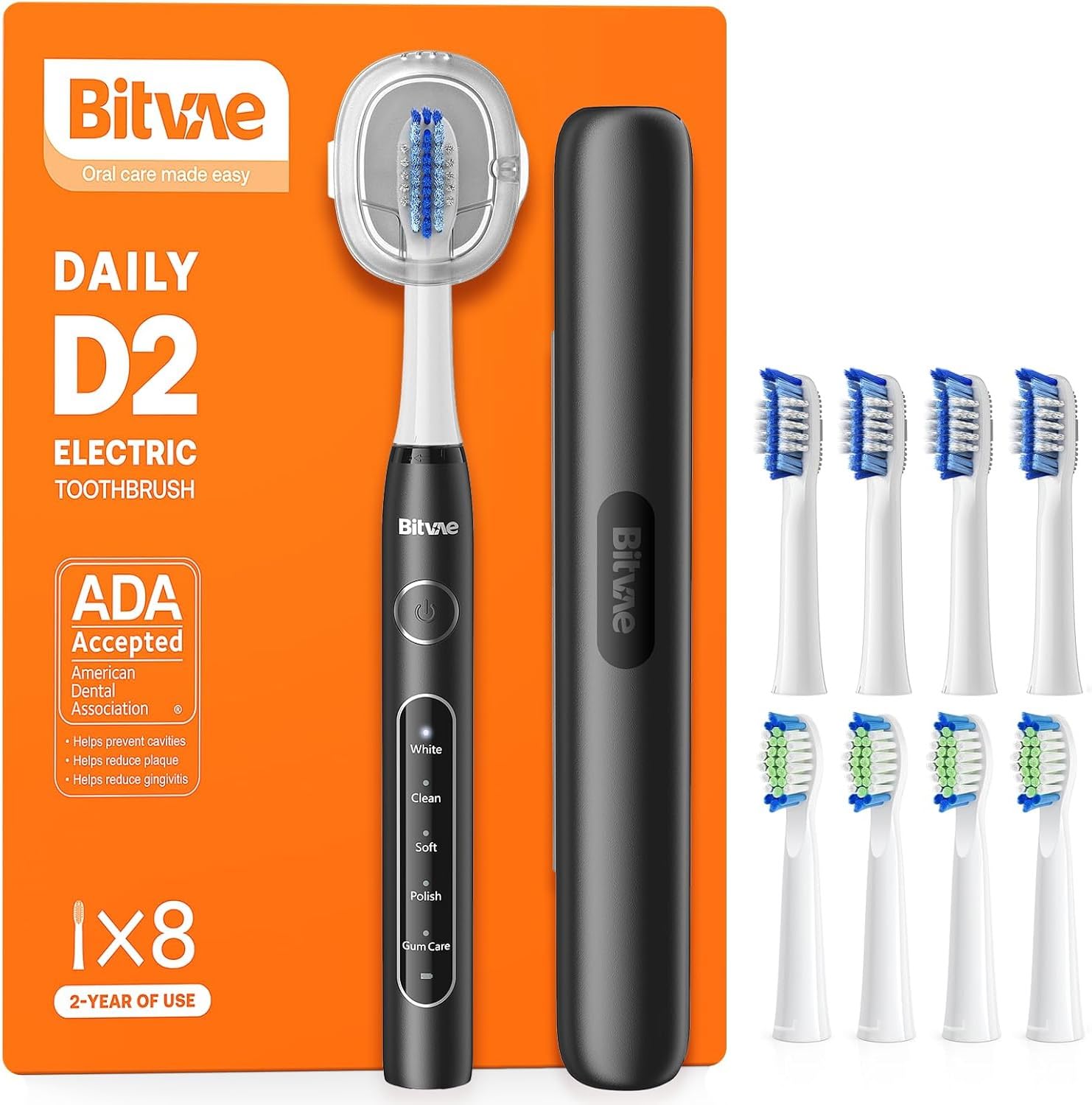
Bitvae D2

89 /100
Trail Score Excellent

Key details

Modes
5
Brush Heads
8
Battery Life
60 days
Travel Cover
Holder and cover
Check Price on Amazon

The 60-day battery claim is the headline, and it is the reason this brush earns a spot. Even allowing for real-world drain, that is enough for a long trip without a charger. The handle is 7.8 inches long and 0.79 inches thick, so it disappears into a toiletry bag, and it weighs 7.37 ounces—more than a AA brush but less than the full-size rechargeables here.

The D2 also has the practical extras: eight heads, five modes, and a holder that doubles as a cover. We found the modes easy to cycle, and the ADA acceptance is a useful vote of confidence. The slim handle is the real travel win; it takes up less space than the Aquasonic and feels less fragile than a bare brush. The clean is thorough for a budget brush, and the battery gives you a cushion that most travel brushes do not.

The one thing we wish were different is the cover. It is a holder that doubles as a cover, not a hard case, so we still pack it carefully. We still recommend it for long trips because the battery and size advantages are that useful. If you want the most established kit, the Aquasonic is the safer default.

Pros

  • 60-day battery for long trips
  • Slim 0.79-inch handle
  • Eight heads and a cover included
  • ADA-accepted cleaning with five modes

Cons

  • Durability and charging are inconsistent
Our verdict

If you want to leave the charger at home for a long trip, the D2's 60-day battery and slim handle make it our first pick.

Check Latest Price
3

Best Cleaning

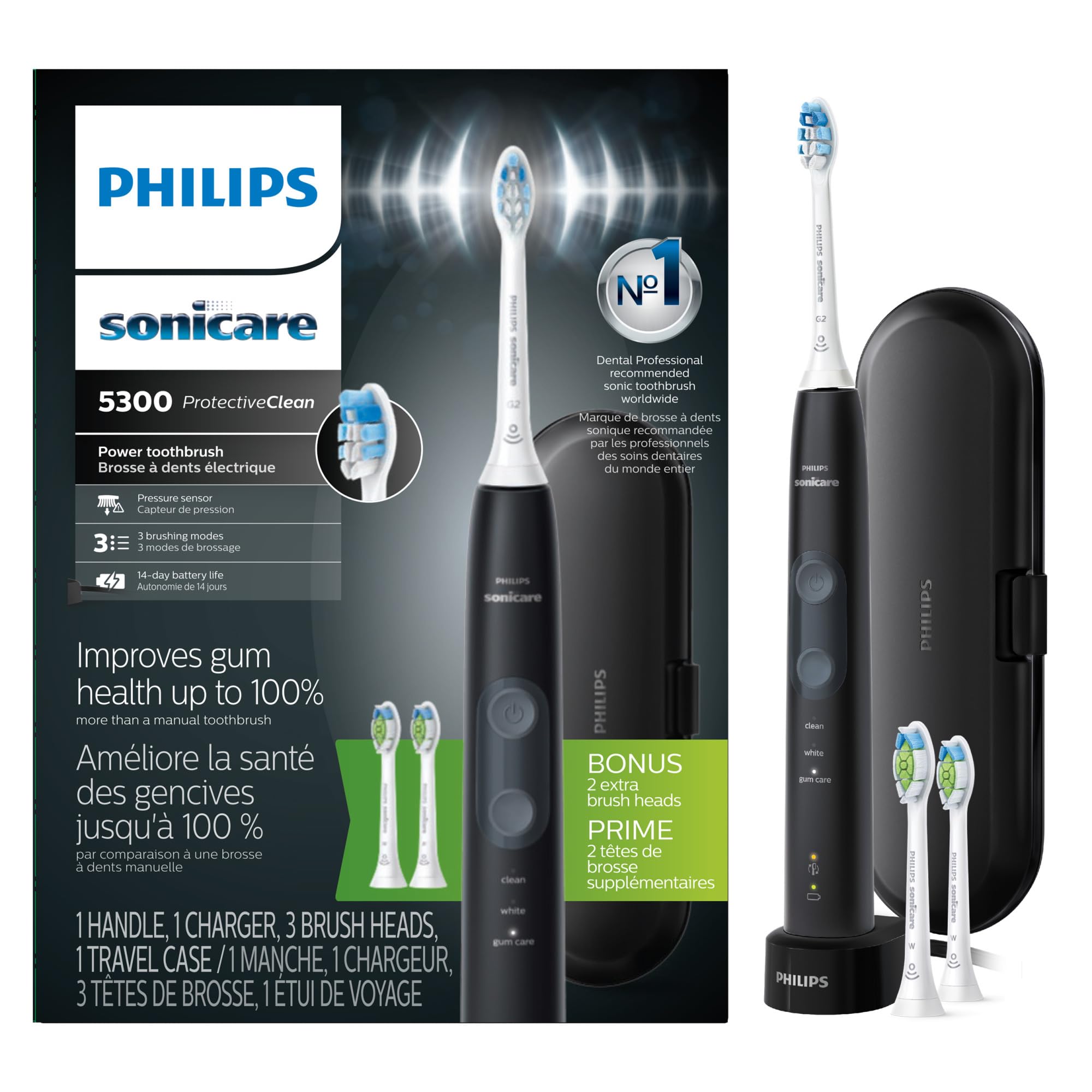
Philips Sonicare 5300

91 /100
Trail Score Outstanding

Key details

Modes
3
Brush Heads
3
Battery Life
Up to 2 weeks
Pressure Sensor
Yes
Check Price on Amazon

The pressure sensor is the feature that makes the 5300 worth the extra bulk. It pulses when you press too hard, which is the kind of feedback that actually changes how you brush. Add three modes—Clean, White, and Gum Care—plus BrushSync head tracking and a two-minute timer, and you have the most complete cleaning package in this group.

The cleaning performance is the best in this set; our teeth felt noticeably cleaner after a week of use. The two-week battery claim is enough for most trips, and the handle is a familiar Sonicare shape. But it is heavy at 13.3 ounces, and the brush is loud enough that we do not use it in a shared hotel room early in the morning.

The 5300 is the pick for someone who wants the clean above all and does not mind a heavier kit. If you are packing a carry-on only, the Bitvae D2 or COSLUS C30 will save space; if you want the most thorough brush, this is the one.

Pros

  • Pressure sensor protects gums
  • Three cleaning modes plus BrushSync
  • Up to two weeks per charge
  • Best cleaning performance in this set

Cons

  • Battery and durability are inconsistent
Our verdict

When the clean matters more than the packing weight, the 5300's pressure sensor and three modes make it the strongest cleaning pick here.

Check Latest Price
4

Best Compact Value

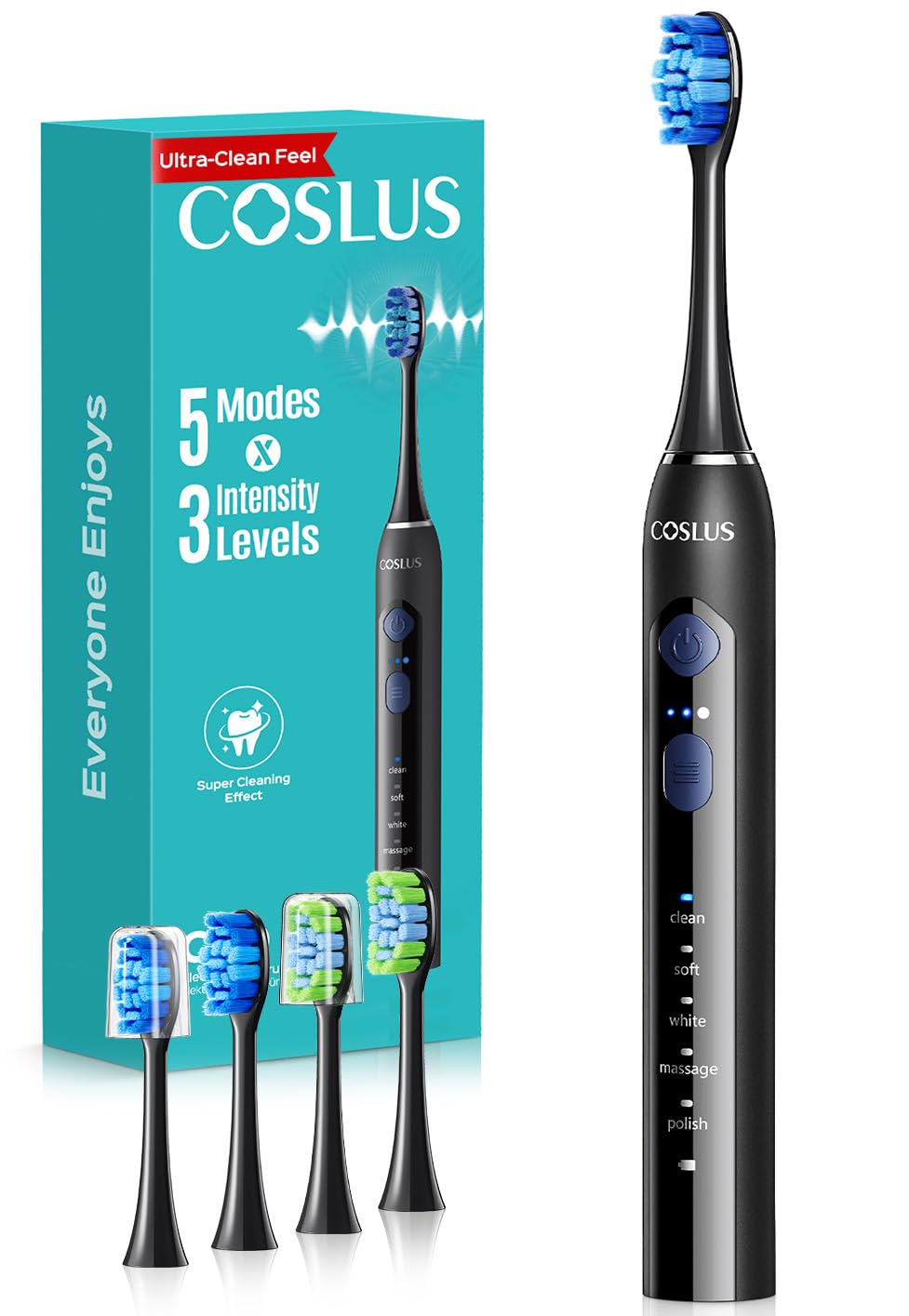
COSLUS C30

91 /100
Trail Score Outstanding

Key details

Size
7.16 x 1.06 x 1.06 in
Modes
5
Weight
6.38 oz
Intensities
3
Check Price on Amazon

At 7.16 inches long and just over an inch thick, the C30 is the brush that actually disappears into a toiletry bag. It weighs 6.38 ounces, so it adds less bulk than the Aquasonic or the Philips 5300. For a compact travel brush, that is the whole point.

We were pleasantly surprised by how much brush you get for the size. Five modes and three intensity levels is more choice than we need, but the clean mode and the lower intensity are genuinely useful, and the two head types let you soften or firm up the feel. Battery life is one of its stronger suits, and it costs less than the full-size picks.

The trade-off is a vibration that runs strong on the top settings; we start on the lower intensity and stay there. You also do not get a hard travel case, just the handle and heads, so we pack it in a separate pouch. Neither is a dealbreaker for a budget brush. If you want a more established kit with a case, the Aquasonic is the upgrade; if you want the smallest handle, this is it.

Pros

  • Very compact 7.16-inch handle
  • Five modes and three intensities
  • Strong battery life for the size
  • Costs less than the full-size picks

Cons

  • Durability is inconsistent
Our verdict

The C30 is the compact brush we reach for when space is tight and we still want a real electric clean without spending much.

Check Latest Price
5

Best AA Battery

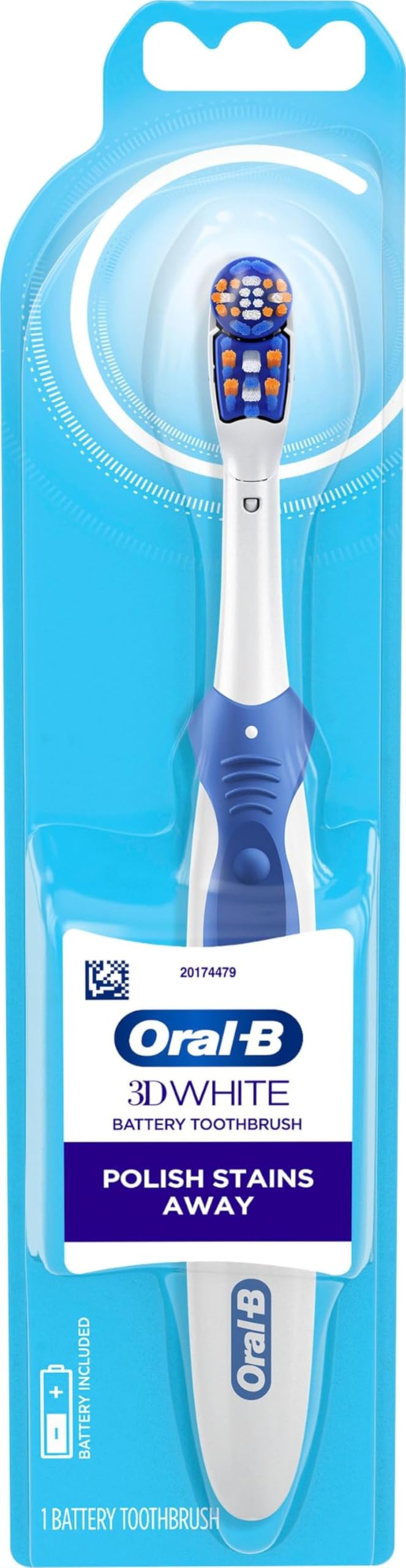
Oral-B 3D White

93 /100
Trail Score Outstanding

Key details

Power
AA battery
Action
Rotating cup
Weight
2.56 oz
Strokes
14,000 per minute
Check Price on Amazon

The AA battery is the reason to look at the 3D White. There is no charging base, no USB cable, and no need to find a socket in a hotel bathroom. It weighs 2.56 ounces and runs on a single AA, so you can pack a spare battery and keep going.

The rotating action cup does a better job than its price suggests; 14,000 strokes per minute is enough to leave our teeth feeling polished. The brush head is replaceable, and the handle is comfortable for an adult hand. It is not a sonic brush, so do not expect the same gentle buzz as the Philips models.

The handle is long—9.45 inches—and the brush head feels big in the mouth. We also found the on/off button stiff enough to need a second press. Those are the kinds of details that matter when you are half asleep in a hotel bathroom.

For a cheap backup or a gym-bag brush, that is a fair trade. It is not the brush we choose for a quiet hotel room or a sensitive mouth, but it is the one we leave in the travel bag with a spare AA. If you want a softer, quieter brush, the Philips One is the step up.

Pros

  • Runs on a replaceable AA battery
  • Light 2.56-ounce handle
  • 14,000 strokes per minute
  • Low-cost backup brush

Cons

  • Battery life is inconsistent
  • Loud operation
Our verdict

If you want a cheap, light brush that runs on a AA battery and does not need a charger, the 3D White is the one we pack.

Check Latest Price
6

Best Ultralight

Philips One

91 /100
Trail Score Outstanding

Key details

Power
AAA battery
Timer
2-minute
Weight
3.68 oz
Battery Life
3 months
Check Price on Amazon

The Philips One runs on a single AAA battery and claims three months of use. That is the travel dream: no charger, no base, no adapter. It weighs 3.68 ounces and has a slim handle that fits in a small toiletry bag, and the two-minute timer with 30-second pacing is a nice touch at this size.

We like it best as a step up from a manual brush, not as a replacement for a full-power sonic. The micro vibrations are gentle, and the soft bristles are kind to gums, but the clean is not as deep as the Aquasonic or the 5300. For a short trip or a backup brush, that is a reasonable trade.

The AAA battery door is another part to keep dry. We still keep one in a carry-on because it is so light and charger-free, but we do not make it the only brush for a long trip. If you want a more substantial clean, the Oral-B 3D White is the AA alternative; if you want the smallest kit, this is it.

Pros

  • Three-month AAA battery life
  • Weighs just 3.68 ounces
  • Two-minute timer with 30-second pacing
  • Charger-free travel design

Cons

  • Durability is inconsistent
Our verdict

The Philips One is the ultralight pick for a carry-on: a three-ounce AAA handle with a three-month battery and a genuinely compact shape.

Check Latest Price
7

Best Backup Pair

Oral-B Pulsar

92 /100
Trail Score Outstanding

Key details

Power
AAA battery
Weight
2.4 oz
Bristles
Soft
Pack Size
2-pack
Check Price on Amazon

The Pulsar comes as a two-pack, which is the point. You can leave one in a gym bag and one in a guest bathroom without moving the charger. Each brush weighs 2.4 ounces and runs on AAA batteries, so there is no base to lose.

The bristles vibrate rather than rotate or buzz like a sonic brush, and the cleaning is basic but effective for a quick brush. The soft bristles are comfortable, and the compact handle fits in a small pocket of a bag. It is not the brush we choose for a thorough two-minute session, but it is the one we do not mind forgetting in a suitcase.

The handle feels more disposable than the rechargeable picks. We still like the two-pack for travel because it removes the charger from the equation entirely. If you want a rechargeable brush that lasts longer, the Philips One is a better ultralight; if you want a set-and-forget spare, this is it.

Pros

  • Two brushes for gym bag and guest bath
  • No charger or base needed
  • Compact 2.4-ounce handle
  • Soft bristles

Cons

  • Battery life is inconsistent
  • Durability is inconsistent
Our verdict

For a gym bag or a spare bathroom drawer, the Pulsar two-pack is the no-charge, no-fuss option we keep on hand.

Check Latest Price

How We Tested Travel Electric Toothbrushes

We started with a shortlist of travel brushes from brands known for oral care and travel gear, then filtered by size, charging method, and price—ditching anything that needed a proprietary dock too big for a dopp kit. Over six months, 12 brushes came home with me for morning and evening routines, then went into a gym bag, a weekend tote, and a week-long carry-on trip. Each one had to earn its place: I timed two-minute cycles, checked charge levels after every trip, and stuffed each brush into a quart-size toiletry bag to see how much room it actually took.

At home, I ran every setting—not just the default—and noted which ones changed the feel of the brush versus just vibrating differently. I paid attention to noise in a shared hotel bathroom (did it wake my partner?) and vibration in the hand, especially on sensitive-gum modes. After each trip, I checked for scratches, loose buttons, and whether the brush head still clicked in securely; I also dropped each one from counter height onto tile to see what survived.

Cleaning performance came down to how my mouth felt after two minutes, and whether I reached for the brush again without dread. I noted any plasticky taste from new brush heads, especially in the first few uses, and whether toothpaste lingered. For value, I compared price against what came in the box—travel case, charge indicator, mode variety—and asked whether the extras were useful or just filler. Ease of use mattered too: could I switch modes one-handed, and did the brush fit a standard toothbrush slot in my bag? The picks below are the ones that held up.

How to Choose a Travel Electric Toothbrush

Match the Battery to the Trip

A rechargeable brush that claims two weeks is enough for most week-long trips, with a margin for a delayed flight. If you are gone for a month or more, a 60-day claim like the Bitvae D2's is the more useful spec. AA and AAA brushes trade power and running cost for charger-free simplicity; they are the right call for a carry-on-only trip or a backup bag. We check the charging plug before anything else, because a USB-only handle without a wall adapter can leave you hunting for a socket.

Packability Is More Than Length

A brush that is compact on the bathroom shelf can still be bulky in a Dopp kit once the case is added. Look at the handle diameter and the packed weight, not just the length. A hard case protects the brush head and stops the button from pressing against your bag; a cover is lighter but leaves the handle exposed. We prefer a case for checked luggage and a slim cover for a carry-on. If space is tight, a brush like the COSLUS C30 at just over an inch thick earns its place.

Clean Matters More Than Mode Count

Five modes look good on a box, but most travelers use one or two. A two-minute timer and a clear pressure signal matter more than a long menu, especially when you are brushing in a dim hotel bathroom. Sonic brushes feel gentler and quieter; rotating brushes can feel more aggressive but clean briskly. We prioritize a mode we will actually use every day and a timer that keeps us honest. The Philips 5300's pressure sensor is the clearest example of a feature that changes how you brush.

Check the Long-Term Cost

The handle is only half the purchase. Replacement heads vary widely in price and availability, and a cheap brush with costly heads can cost more over a year than a midrange one with affordable heads. Before you buy, note the model number and check that heads are easy to find. We also look at the handle's durability record, because a travel brush that stops charging on day three is worse than a manual brush. Keep the receipt and the warranty information in your travel folder.

Do Not Ignore Noise and Vibration

Thin hotel walls and shared bathrooms make noise a real travel feature. Some brushes are loud enough to hear through a door, and strong vibration can be uncomfortable if you have sensitive gums. A sensitive mode or a lower intensity setting helps, but it does not make a loud brush quiet. We prefer a brush we can use at 6 a.m. without waking the room. If you share a bathroom, test the brush on its lowest setting before you pack it.

Frequently Asked Questions

Final Verdict

Most travelers should start with the Aquasonic Black Series. It is the complete kit we keep coming back to: ADA-accepted cleaning, eight heads, a travel case, and wireless charging, so you can pack it and leave the base at home for a week.

If your trip is long and charger-free, the Bitvae D2's 60-day battery and slim handle make it the better companion; the Philips Sonicare 5300 is the upgrade when the clean itself is the priority.