Best Protein Powders of 2026

Protein powder has a reputation problem, and it's mostly earned. Too many tubs turn a shaker bottle into a science experiment: gritty at the bottom, cloyingly sweet, and heavy enough that you feel it an hour later. The good ones disappear into water or milk, taste like something you'd actually finish, and sit easy enough to use on a busy morning, not just after a workout. My team and I spent the past three months working through 16 tubs to find those.

What surprised me most is how much texture predicts whether you'll keep using a powder. A scoop that clumps in a shaker will clump in your routine; one that only blends smooth with a banana and ice is a weekend luxury, not a daily habit. We weighed cost per serving, too, because a bargain tub with 12 scoops isn't a bargain. The picks below include unflavored workhorses and flavored ones you'll crave, and each earned its place on taste, mixability, how it settled over consecutive days, and whether it actually kept us full until lunch.

1

Best Overall

Optimum Nutrition Gold Standard Whey

95 /100
Trail Score Outstanding

Key details

BCAAs
0.19 oz
Tub Size
5 lb
Protein Source
Whey isolate and concentrate
Protein Per Scoop
0.85 oz
Check Price on Amazon

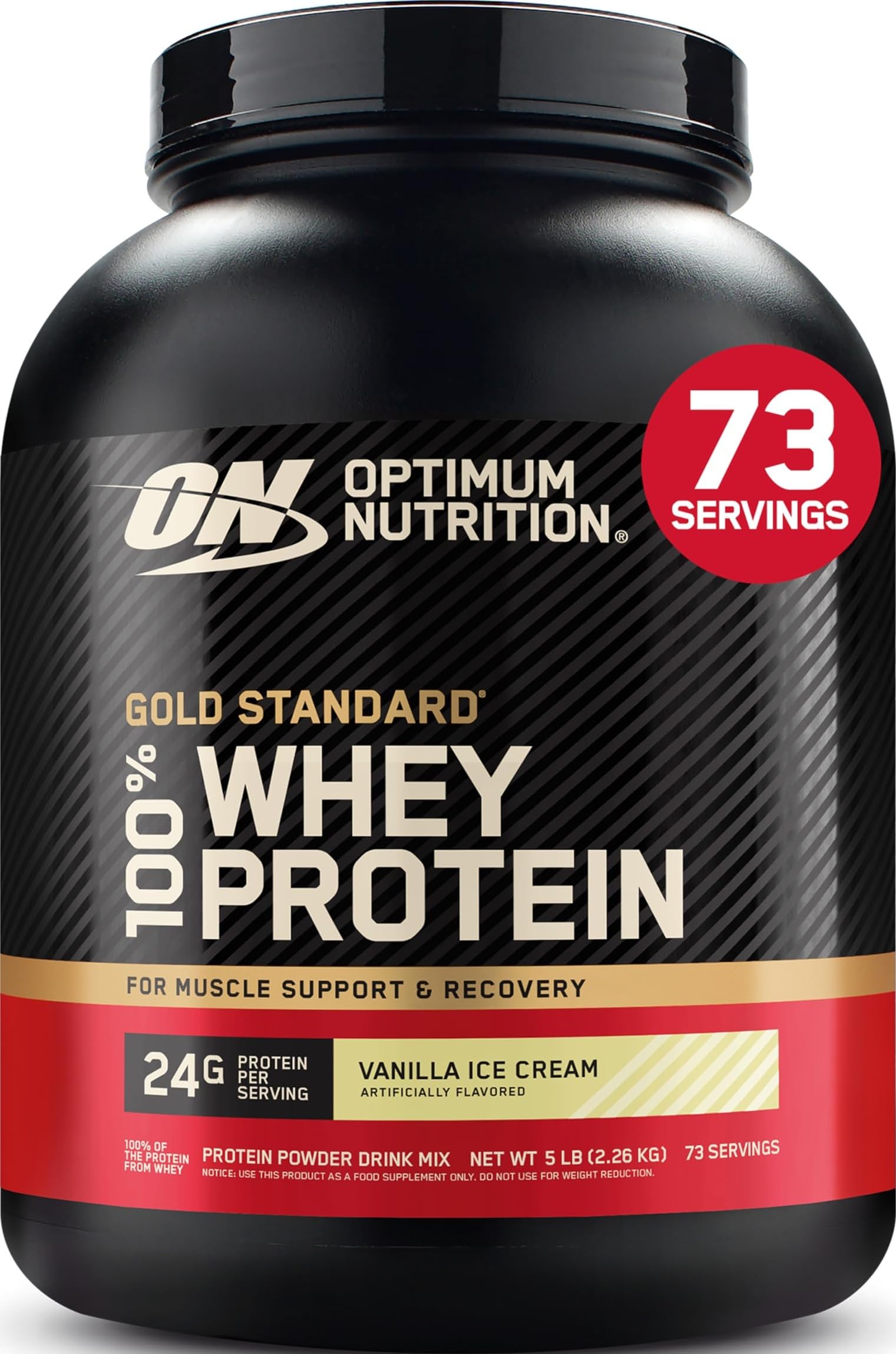
The 5 lb tub and 24 g scoop are why this is the one we reach for first. It is a whey isolate and concentrate blend, so you get a complete protein with 5.5 g of BCAAs and 11 g of EAAs per scoop. That matters less on a label than in the shaker: it mixed clean for us in water and milk, with no gritty finish, and the vanilla is creamy rather than thin. The flavor is sweeter than some vanilla ice creams, though, so chocolate is the safer choice if you want less dessert.

We paid attention to digestibility because a daily powder has to be easy on the stomach, not just high in protein. This is still a whey product, and it can cause bloating for people who are sensitive to lactose or whey concentrate. If that is you, an isolate is the better route. For everyone else, the 5 lb size is the practical part: it is a staple tub, not a sample, and the scoop is easy to level.

The vanilla flavor is the one place we hesitate. It is pleasant, but it does not read as vanilla ice cream to us; it leans sweet and slightly artificial. The chocolate flavors have a better reputation in our own rotation, and the neutral profile takes fruit and peanut butter well. If you want a flavor that disappears into a smoothie, this is still a strong choice.

Pros

  • 24 g protein with 5.5 g BCAAs and 11 g EAAs
  • Mixes clean in water or milk
  • 5 lb tub suits regular use
  • Banned-substance tested

Cons

  • Large tub commits you to one flavor
Our verdict

Our default for a daily shake: 24 g of protein per scoop, reliable mixing, and a 5 lb tub that suits a household.
Check Latest Price
2

Best Plant-Based

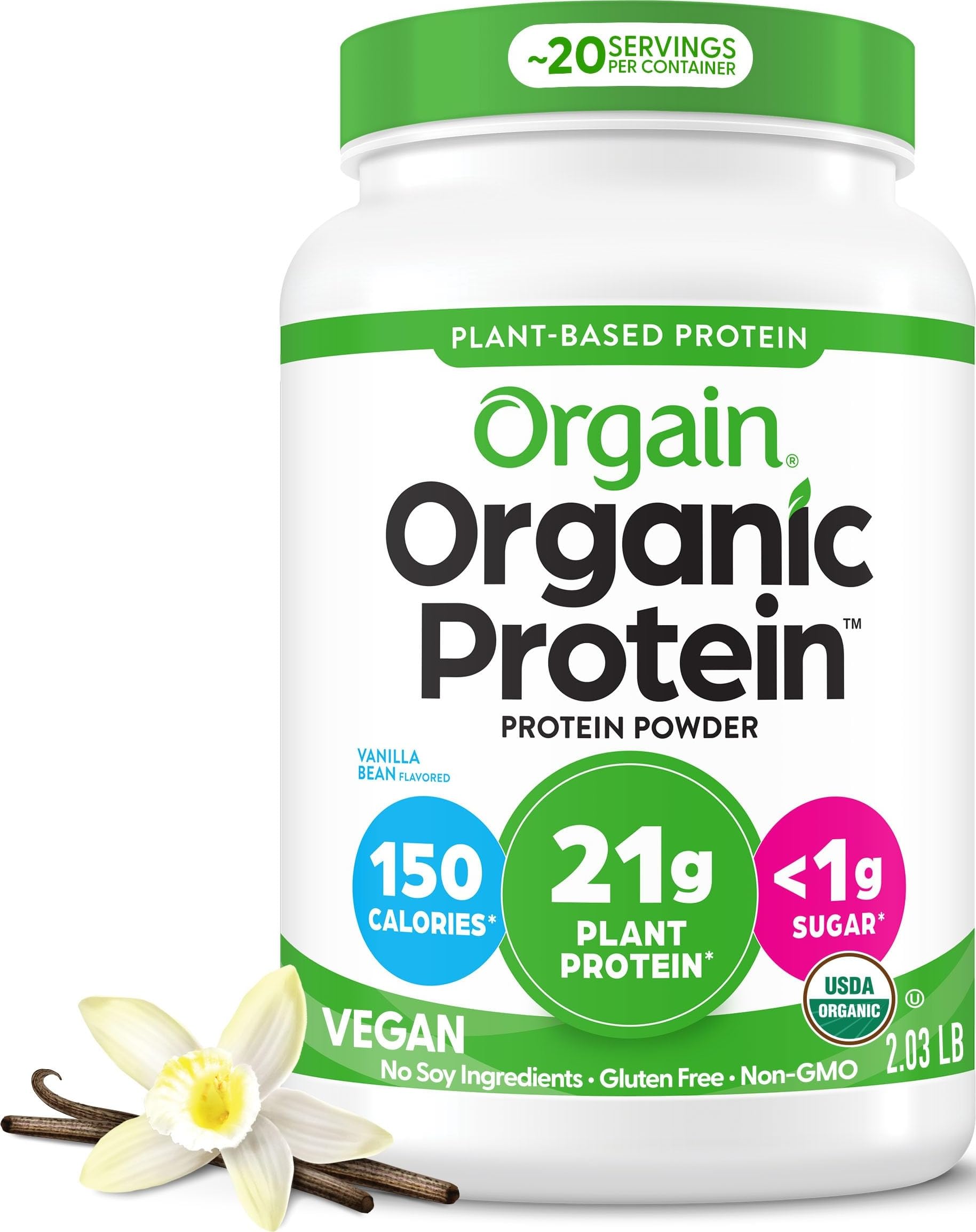
Orgain Organic Vegan Protein

91 /100
Trail Score Outstanding

Key details

Tub Size
2.03 lb
Dietary Notes
USDA Organic, vegan, soy-free
Protein Source
Pea, brown rice, chia
Protein Per Scoop
0.74 oz
Check Price on Amazon

Dairy-free is the constraint that makes Orgain worth considering, not a consolation prize. The blend of organic pea, brown rice, and chia gives you 21 g of plant protein per scoop, with all nine essential amino acids, and it is certified USDA Organic, vegan, non-GMO, and soy-free. It also avoids carrageenan and erythritol, two ingredients that can be deal-breakers for people who read labels closely. It mixes into almond milk without a blender, which is more than we can say for some plant powders.

We appreciate that it does not taste like a chalky compromise. The vanilla bean is sweet and creamy, and it turns a smoothie into something you look forward to rather than tolerate. Texture is where plant powders usually lose us, and Orgain is not immune: in water it can turn gritty, and the vanilla can dominate a delicate mix. We had better luck with almond milk and a banana, where the powder has something to hide behind. If you want a neutral base for green smoothies, start with half a scoop and taste before adding more.

The 2.03 lb tub is a reasonable size for a first plant powder, and the scoop is not so large that you burn through it in a week. For us, the bigger question is whether you want a plant protein that tastes like a treat or one that disappears into a smoothie; Orgain leans toward the former. If you are dairy-free and tired of thin, bitter plant shakes, this is the one we point to first.

Pros

  • 21 g plant protein from pea, rice, and chia
  • USDA Organic, vegan, and soy-free
  • Mixes into almond milk without a blender
  • No carrageenan or erythritol

Cons

  • Fill level can look low on arrival
Our verdict

Dairy-free smoothies are where Orgain earns its place for us: 21 g of organic pea, brown rice, and chia protein with no soy or lactose.

Check Latest Price
3

Best Whey Isolate for Cutting

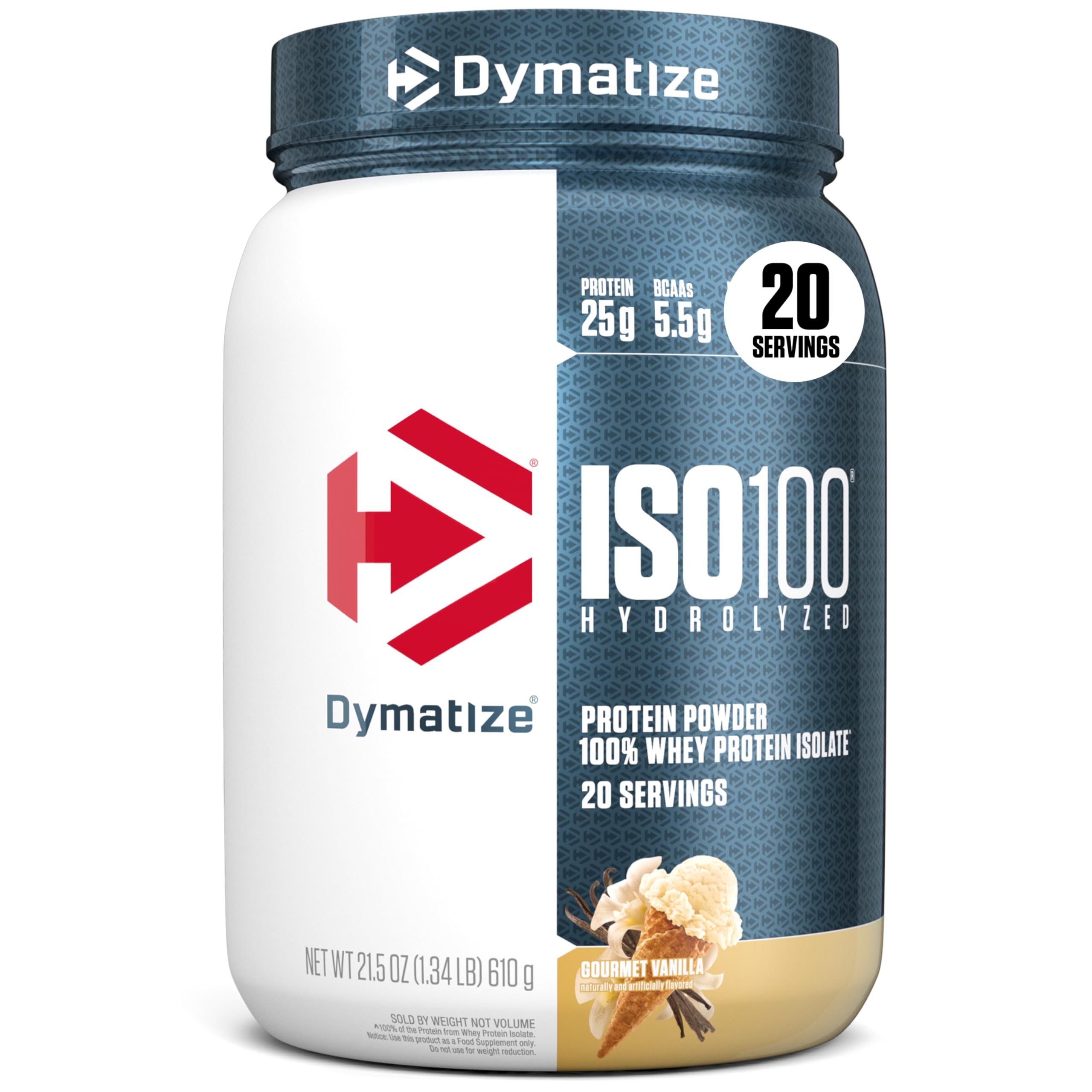
Dymatize ISO100

91 /100
Trail Score Outstanding

Key details

Calories
Under 120
Tub Size
1.34 lb
Protein Source
Whey isolate
Protein Per Scoop
0.88 oz
Check Price on Amazon

The under-120-calorie, 1 g sugar label is the reason this one earns a place. ISO100 is a whey isolate, and the powder is fine enough that it mixed clear in water for us with a few shakes, no gritty residue at the bottom. The gourmet vanilla is creamy and not overly sweet, closer to a light vanilla milkshake than a dessert. If you are watching calories but still want 25 g of protein, this is the most straightforward pick here.

We were also impressed by how light it sits. It has 5 g of BCAAs and 1 g of fat, and it did not leave us feeling heavy before a workout. The texture is thin enough to drink quickly, which is what we want in a pre-workout or hot-weather shake. If you prefer a thick, milkshake-style powder, this is not the one; the thinness that makes it easy to drink also makes it less satisfying as a snack.

The vanilla is one of the better isolate flavors we tried, without the metallic edge that some isolates carry. It also takes coffee and almond milk well, though water is where it shines. For a low-calorie shake, that versatility matters more than a thicker mouthfeel.

Pros

  • 25 g protein with under 120 calories
  • Mixes clear in water
  • Light on the stomach
  • 1 g sugar per serving

Cons

  • Small tub empties quickly
Our verdict

If you are cutting calories, we choose this isolate: 25 g of protein, 1 g of sugar, and under 120 calories per serving.

Check Latest Price
4

Best Tasting

BSN SYNTHA-6

93 /100
Trail Score Outstanding

Key details

Fiber
0.18 oz
Servings
97
Tub Size
10.1 lb
Protein Per Scoop
0.78 oz
Check Price on Amazon

The milkshake texture is the first thing you notice. SYNTHA-6 mixes thick and creamy in water, with a flavor that reads more like a shake than a supplement, and it does not leave the chalky coating that thinner blends can. It also brings 5 g of fiber and 10 g of EAAs per serving, which is unusual in a powder that tastes this indulgent. If you have ever choked down a protein shake for the macros alone, the texture here is a different experience.

The trade-off is the protein number. At 22 g per scoop, it is lower than the 24-25 g scoops that dominate this list, and the fiber adds carbs and calories that a leaner isolate avoids. It suits people who want one shake a day to feel like a treat, not someone trying to hit the highest protein total per scoop. If you are stacking two scoops to compensate, the calorie load climbs fast.

What tips it for us is the flavor-to-fiber balance. The flavor holds up in water, and it dissolves easily in a shaker, though it is thick enough that you may want more water than the label suggests. For a sweet-tooth buyer, that is a feature, not a bug. We keep it for the days when a plain whey shake feels like a chore.

Pros

  • Creamy milkshake texture in water
  • 5 g fiber per serving
  • 10 g EAAs per serving
  • Mixes easily in a shaker

Cons

  • Large 10 lb tub is a commitment
Our verdict

BSN SYNTHA-6 is the one we buy when a protein shake needs to taste like a milkshake, with 22 g of protein and 5 g of fiber.

Check Latest Price
5

Best Low-Carb

Isopure Low Carb

91 /100
Trail Score Outstanding

Key details

Sugar
0 g
Tub Size
2.9 lb
Protein Source
Whey isolate
Protein Per Scoop
0.88 oz
Check Price on Amazon

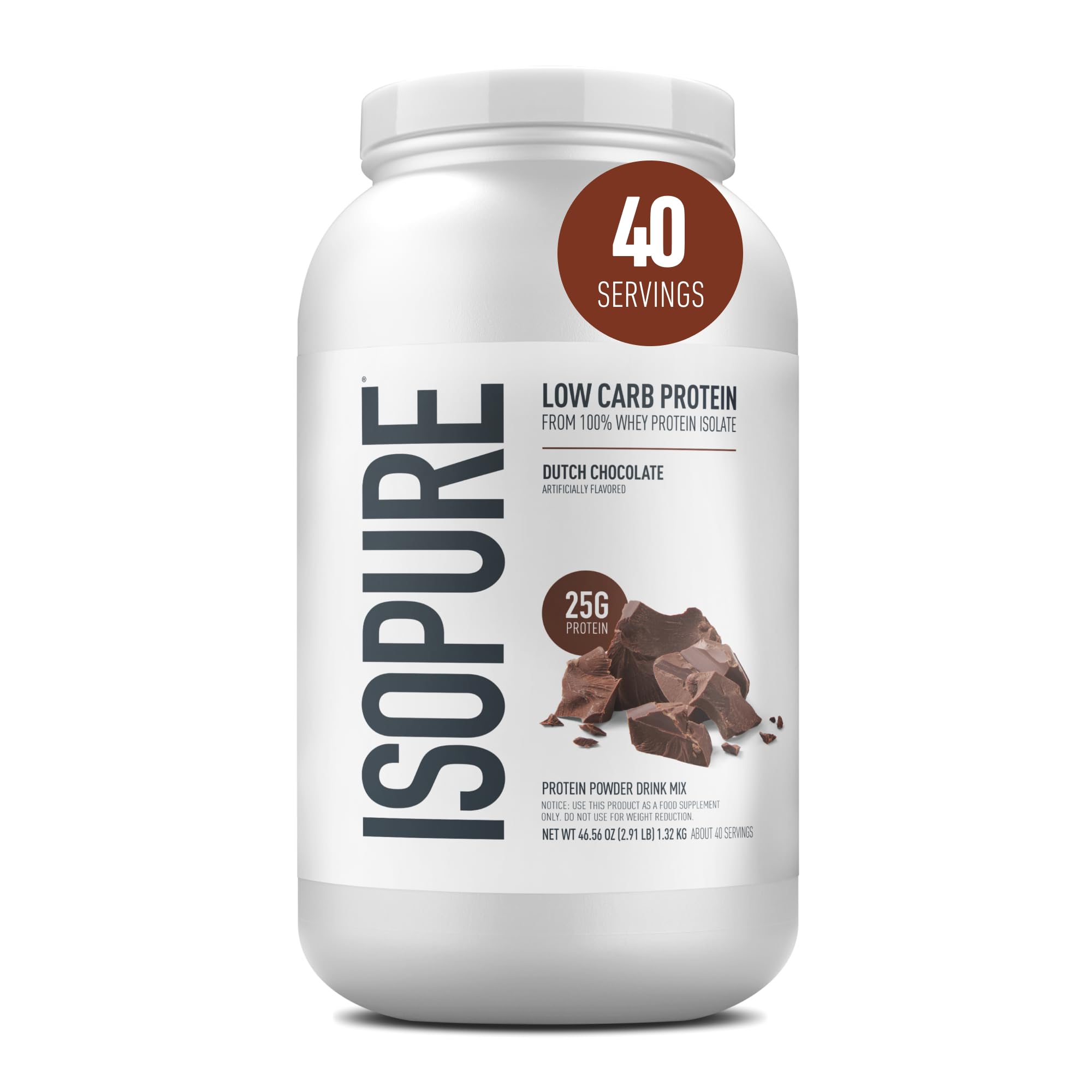
The zero-sugar, vitamin-fortified label is what makes Isopure Low Carb stand apart. Each serving has 25 g of whey isolate protein, 0 g sugar, 5.5 g of BCAAs, and 20 vitamins and minerals, so it is closer to a fortified shake than a bare protein scoop. The Dutch chocolate flavor tastes like chocolate milk, not a vitamin packet, and it mixed smooth in water with no grit.

We like that it is low-carb without tasting thin. The texture is on the lighter side, which suits a post-workout shake or an afternoon drink, but it can feel watery if you use more liquid than the label calls for. The 2.9 lb tub is a manageable size, and the scoop is easy to level. If you want a thick dessert shake, BSN is the better pick; this one is for a leaner, more functional drink.

The Dutch chocolate is one of the few isolates we tried that does not need a banana to mask the flavor. It also holds up in overnight oats, which is more than we can say for thinner isolates. The bigger question is whether you want the added vitamins; if you already take a multivitamin, a plain isolate is simpler. If you want one powder to cover more of the label, this earns its place.

Pros

  • 25 g whey isolate protein
  • 0 g sugar and low carb
  • 20 vitamins and minerals
  • Chocolate flavor mixes smooth

Cons

  • Can taste chalky if under-shaken
Our verdict

Isopure Low Carb is our pick for a leaner flavored shake: 25 g of whey isolate, 0 g sugar, and 20 vitamins and minerals.

Check Latest Price
6

Best Value Large Tub

Muscle Milk Genuine

93 /100
Trail Score Outstanding

Key details

Sugar
0.07 oz
Serving Size
2 scoops
Certification
NSF Certified for Sport
Protein Per Serving
1.13 oz
Check Price on Amazon

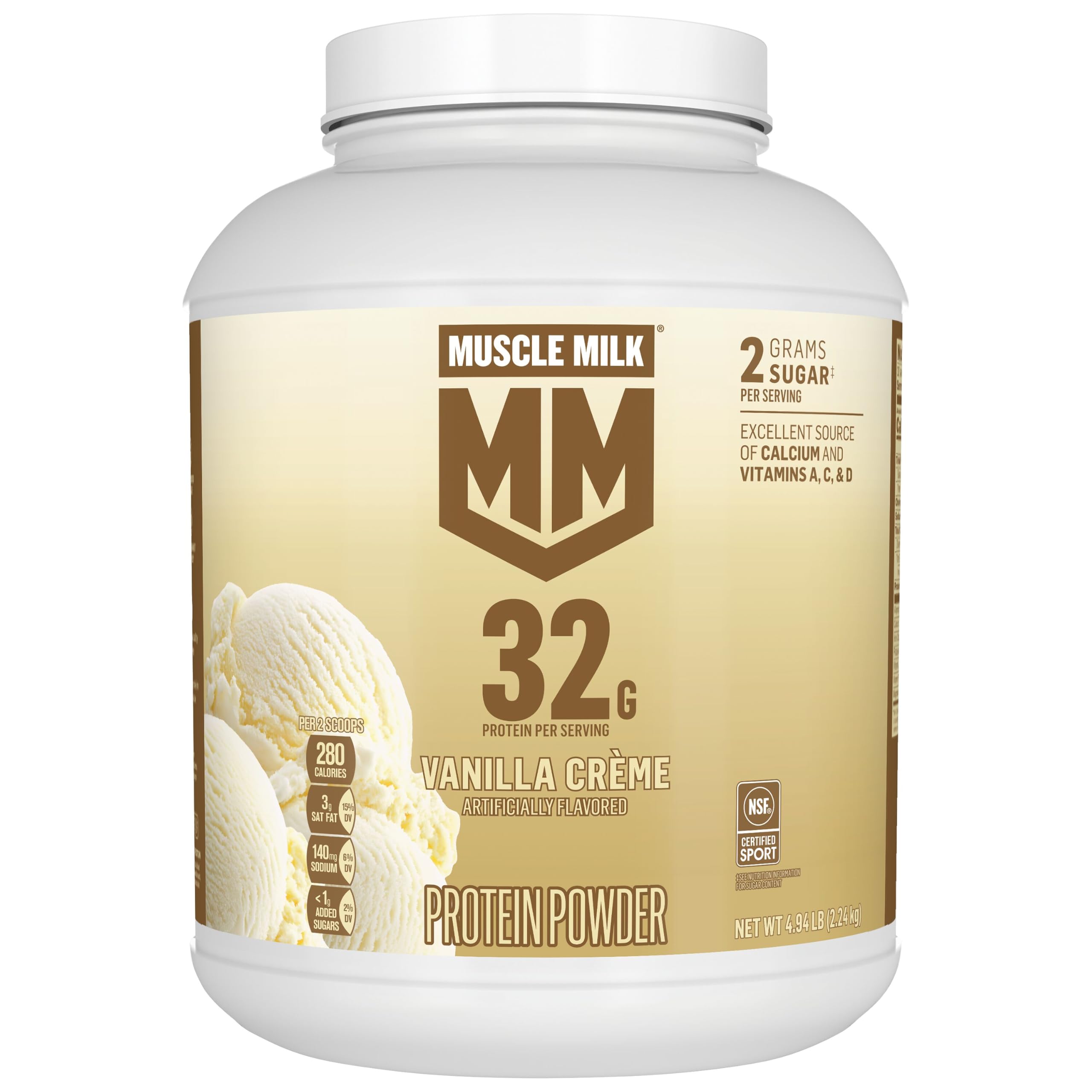
The two-scoop serving is the first thing to understand. Muscle Milk Genuine delivers 32 g of protein and 2 g of sugar per serving, but that serving is two scoops, not one. The vanilla creme flavor is mild and mixable, and it dissolves in water without a blender, which makes it an easy post-workout option. The 4.94 lb tub has 32 servings, so the math is less generous than the weight suggests.

That two-scoop serving is the trade-off. It suits a household that goes through two shakes a day, but a single daily user may want a smaller tub. The flavor is sweet enough to carry water or milk, and it does not need a blender. If you want a thicker shake, BSN is the better choice.

The NSF Certified for Sport label is a real advantage if you compete in drug-tested sport; it is the clearest certification on this list. The vanilla creme is not the most exciting flavor, but it is neutral enough to take on coffee or fruit without a fight. For the buyer who wants protein and a certification in a straightforward tub, this is the practical choice we reach for.

Pros

  • 32 g protein per serving
  • NSF Certified for Sport
  • Mixes easily in water
  • 2 g sugar per serving

Cons

  • Grainy texture in water
Our verdict

For a bigger protein hit, we keep Muscle Milk Genuine: 32 g per two-scoop serving, 2 g sugar, and NSF Certified for Sport.

Check Latest Price
7

Best Starter Tub

Body Fortress Super Advanced Whey

93 /100
Trail Score Outstanding

Key details

Tub Size
1.78 lb
Protein Source
Whey
Added Nutrients
Vitamins C, D, and zinc
Protein Per Scoop
1.06 oz
Check Price on Amazon

The small 1.78 lb tub is the practical part. Body Fortress Super Advanced Whey delivers 30 g of protein per scoop, plus vitamins C and D and zinc, and it is low in sugar and free of aspartame. That is a lot of label for a starter powder, and the strawberry flavor tastes like strawberry milk rather than candy. The tub is small enough to keep in a cabinet, and the scoop is easy to level.

Mixing is where it gets less consistent. In a shaker with water, it came together for us with a few lumps, and it needed more shaking than the isolates here. In a blender with milk or a banana, those lumps disappeared and the texture turned creamy. If you only ever use a shaker bottle, expect to work a little harder; if you make smoothies, it is a nonissue.

The strawberry flavor is sweet and slightly artificial, but it hides the vitamin note better than a plain vanilla might. It also makes a decent smoothie with frozen fruit, which is how we use it. If you want a flavor that disappears into coffee, choose unflavored instead.

For a tight budget, this is the starter tub we point to first. It gives you 30 g of protein and added vitamins in a size that does not take over the cabinet. If you want a smooth, neutral shake, choose an isolate; if you want to test a whey routine, start here.

Pros

  • 30 g protein per scoop
  • Added vitamins C, D, and zinc
  • Small tub is easy to try
  • Mixes into smoothies

Cons

  • Small tub runs out quickly once you commit
Our verdict

Body Fortress is the starter tub we point to: 30 g of whey protein, added vitamins C, D, and zinc, and a small 1.78 lb size.

Check Latest Price
8

Unflavored Recipes

Isopure Zero Carb

89 /100
Trail Score Excellent

Key details

Sugar
0 g
Flavor
Unflavored
Protein Source
Whey isolate
Protein Per Scoop
0.88 oz
Check Price on Amazon

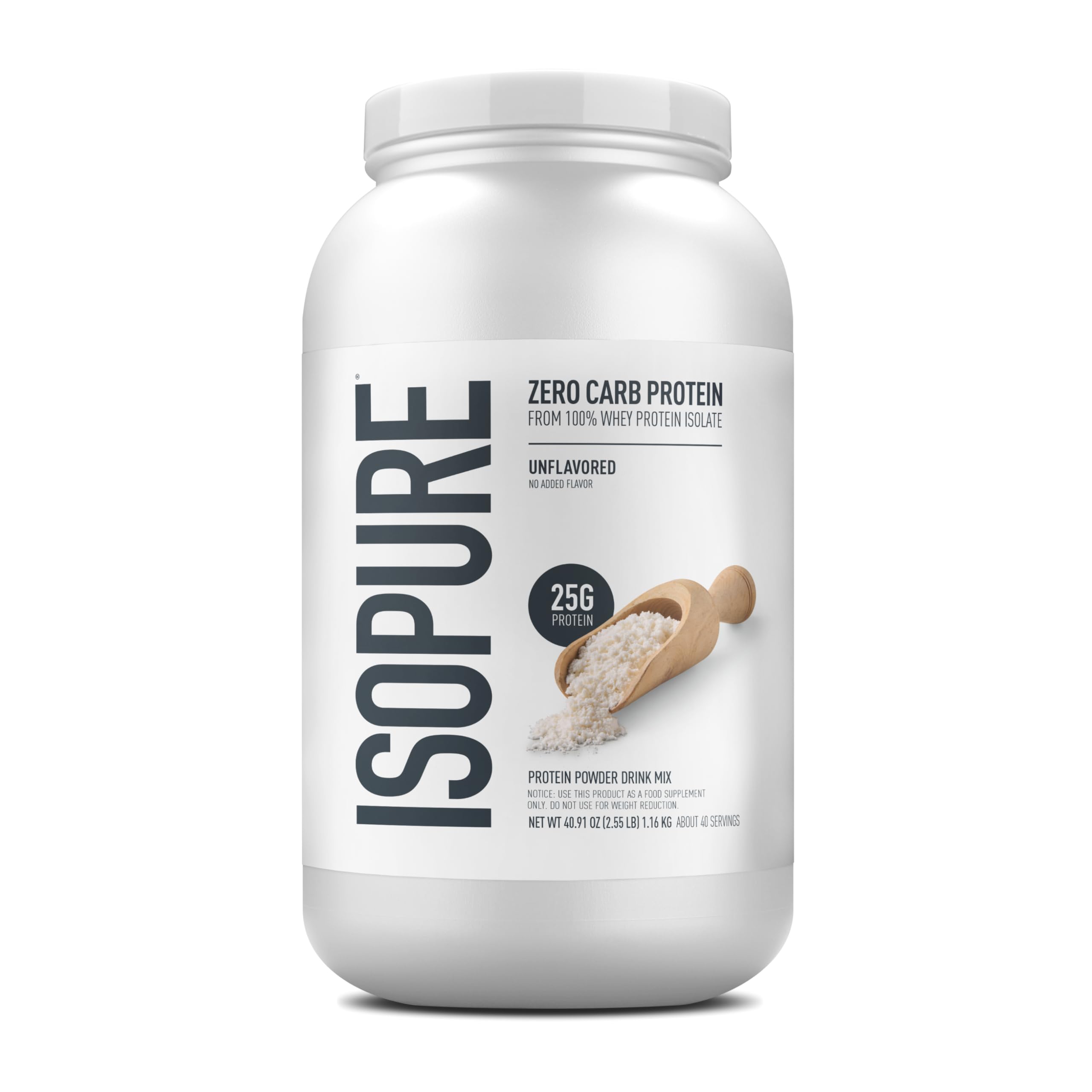
The plain, unflavored powder is the point. Isopure Zero Carb is a whey isolate with 25 g of protein, 0 g sugar, 5.5 g of BCAAs, and 20 vitamins and minerals per serving, and it adds almost no taste to whatever you mix it into. It dissolves into cold smoothies, overnight oats, and yogurt without turning them milky. The 2.55 lb tub is a reasonable size for a pantry staple, and the scoop is easy to level.

It is not the powder for someone who wants a shake that tastes like dessert. The unflavored version is best in cold recipes, where it thickens slightly without changing the flavor. It also works in a savory soup without adding a milky note. If you want a drinkable shake out of the tub, choose a flavored isolate instead.

The label is simple: 25 g of protein, 0 g sugar, and 20 vitamins and minerals, with no sweetener to clash with your food. That makes it a good choice for someone who already has a flavored shake they like and wants a neutral powder for cooking. The lack of flavor is the feature, not a compromise.

What makes it worth a spot in the cabinet is the neutrality. It is the one we reach for when a recipe needs protein but not another banana, and it does not fight the flavor of oats, soup, or fruit. If you want a drinkable shake out of the tub, choose a flavored isolate instead; if you want a protein base for cooking, this is the one.

Pros

  • 25 g protein with 0 g sugar
  • Unflavored and unsweetened
  • 20 vitamins and minerals
  • Mixes into cold recipes

Cons

  • Clumps in hot coffee
Our verdict

We keep this unflavored isolate for coffee, oatmeal, and savory recipes: 25 g of protein, 0 g sugar, and no flavor to fight.

Check Latest Price

How We Tested 16 Protein Powders

We started with a list of more than 40 powders, then cut anything with less than 20 grams of protein per scoop, a long list of added sugars, or a price per serving that didn't make sense. We also looked for third-party testing and clear sourcing, since a powder is only as good as what's on the label. That left 16 tubs, which we tested over three months.

Each powder got the same run: a shaker bottle with 8 ounces of water, ten hard shakes, then a pour into a clear glass to check for clumps and grit. We tasted it plain, then in milk, and noted aftertaste, sweetness, and whether the texture coated our mouths. We blended a scoop with frozen banana and ice to see which ones turned creamy and which turned gluey. We also used each one for a full week in our normal routines — before work, after lifting, and as an afternoon snack — and wrote down how we felt an hour later, especially any bloating or cramping.

To judge value, we counted actual servings per tub and calculated cost per 25 grams of protein, since scoop sizes vary wildly. We tracked how each powder held up in a cabinet for a month — no hardening or clumping — and whether the packaging was recyclable or mostly landfill-bound. Effectiveness came down to simple notes: Did it keep us full? Did it mix into oatmeal without turning it into paste? Did we reach for it again on day five? The winners did.

How to Choose a Protein Powder

Pick the protein source that fits your diet

Whey is the default for a reason: it is complete, mixes easily, and usually costs less per serving than isolates. Within whey, concentrate contains more lactose and fat, while isolate is filtered further and suits people who feel bloated after a concentrate shake. Plant blends rely on combinations such as pea, brown rice, and chia to cover the amino acid profile; they are the right choice for vegan or dairy-free diets, but they tend to be grittier. Start with the source your stomach and diet can live with, then compare flavors.

Read the serving size before the protein number

A 32 g protein label can mean two scoops, not one, and that changes both the cost per serving and how long the tub lasts. Check the servings per container, then divide the cost by that number rather than by the scoop count. A 5 lb whey blend and a 1.3 lb isolate can look far apart on the shelf but land in different places once you compare actual servings. If you are new to a powder, buy the smaller tub first; if you already know the flavor works, the larger tub is usually the better value.

Treat taste and mixability as function

A powder you dread drinking is a powder you stop using. Whey isolates usually mix thinner and cleaner in water, while blends with fiber or plant proteins turn thicker and can feel gritty. If you use a shaker, add the liquid first, then the powder, and shake hard; if you use hot coffee, mix the powder with a little cold water first so the whey does not cook into clumps. A blender solves most texture problems, but it is not always convenient. Choose the format that fits your routine, not the one with the best-sounding flavor.

Check digestibility, sweeteners, and certifications

Stomach comfort is personal. Whey isolate is a better starting point for lactose sensitivity, while plant blends can be easier for some and grittier for others. Look at the sweetener if you react to sucralose or stevia; unflavored is the safest route for cooking. If you compete in drug-tested sport, choose a product with a stated banned-substance testing program, such as NSF Certified for Sport. For everyone else, a clean label is a preference, not a requirement. Start with one scoop, not two, and see how you feel before committing to a large tub.

Frequently Asked Questions

Final Verdict

Our default is Optimum Nutrition Gold Standard Whey: 24 g per scoop, a 5 lb tub, and the mixability to keep it in daily rotation. If dairy is off the table, Orgain is the plant-based pick. If you want the lowest-calorie isolate, Dymatize ISO100. Start with the constraint that matters most, then choose the flavor and tub size that fit your routine.