Best Protein Powder for Weight Loss of 2026

Most protein powders sold for weight loss make a big promise and then taste like a chalky compromise. I’ve choked down enough gritty shakes to know that a powder can be high in protein and still be something you dread drinking—which is a problem when the whole point is to make a calorie deficit feel more manageable. The right one should keep you full, mix into water without a blender, and go down easily enough that you finish the shaker. Over eight months, my team and I worked through 14 powders, comparing how they tasted plain, how they sat afterward, and whether the labels backed up the protein claims.

What separated the winners wasn’t just a number on the label. I looked at price per serving, how many scoops a tub actually held, and whether reordering was straightforward; I also noted whether the packaging was recyclable or headed for the trash. The powders below are the ones I’d buy again—and the ones I’d hand to a friend who wants to lose weight without hating every sip.

1

Best Overall

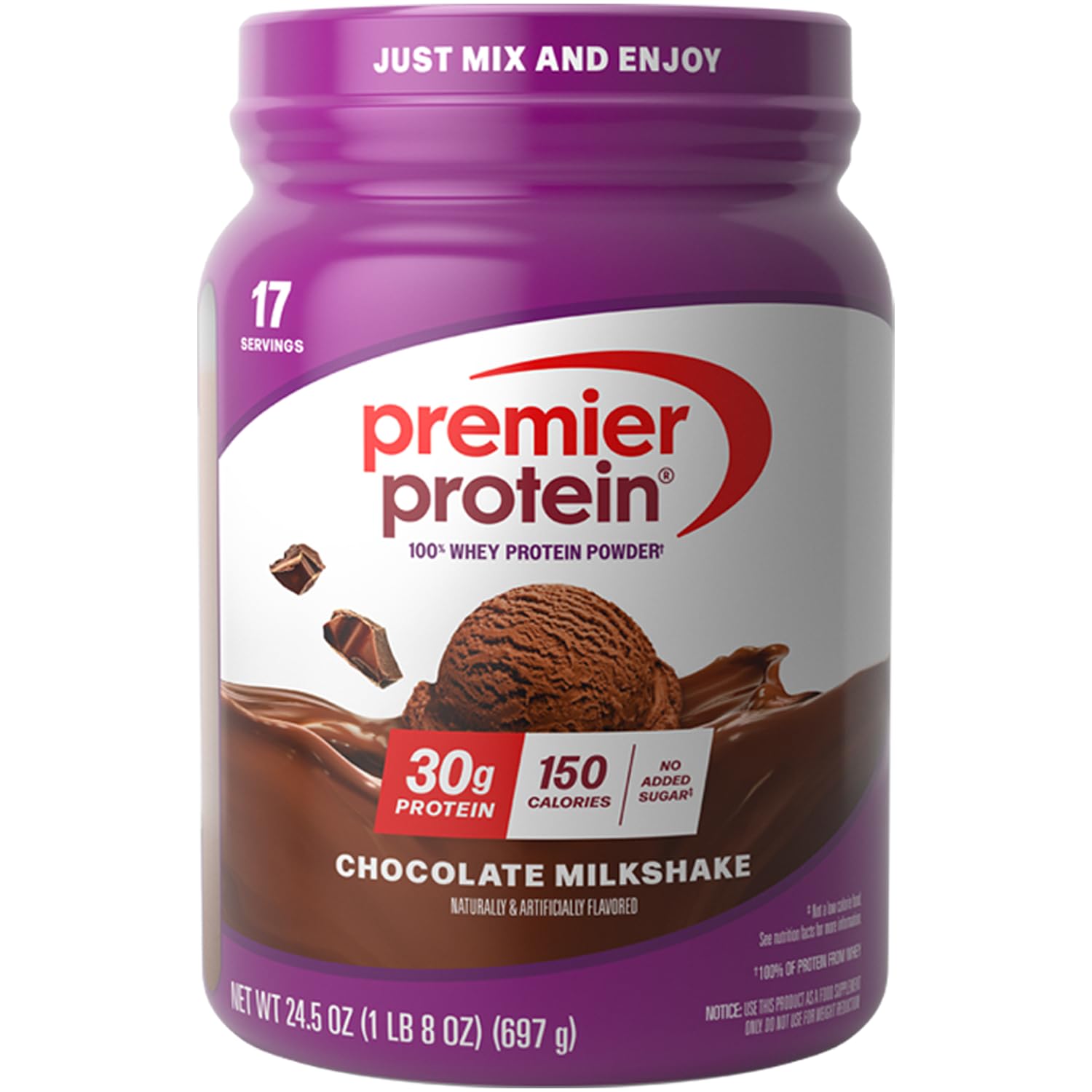
Premier Protein 30g Whey Powder

93 /100
Trail Score Outstanding

Key details

Servings Per Tub
17
Sugar Per Serving
0.04 oz
Protein Per Serving
1.06 oz
Calories Per Serving
150
Check Price on Amazon

Thirty grams of protein, one gram of sugar, three grams of carbs, 150 calories. Those four figures are the whole argument for starting here: a weight-loss shake has to earn its calories, and this one spends nearly all of them on protein. The chocolate is the second half of it. It's sweet, it's smooth, and it's the closest thing in this guide to chocolate milk, which matters more than any spec when you're drinking one every day for months.

We think that combination is what holds the top spot. Nothing else here pairs a 30-gram scoop with a single gram of sugar and puts the calorie count on the front of the tub, and the Dymatize isolate that comes closest gives you five fewer grams for a premium price. What we noticed in the shaker is that order decides everything: powder into a dry bottle and then water gives you a lumpy, foamy mess, while water first, then powder, with a shaker ball, comes out smooth in a few seconds.

Where it lands for us is repeatability. A shake you finish beats a leaner one you avoid, and this is the tub we kept reaching for — water and a shaker ball after a workout, milk and a banana when it stood in for breakfast. If you're choosing between two powders with similar panels, choose the one you'll still be drinking in March.

Pros

  • 30 grams of protein per scoop
  • 1 gram of sugar and 150 calories
  • Chocolate flavor that drinks like a shake

Cons

  • Only 17 servings per tub
Our verdict

Our pick for most people: 30 grams of protein for 150 calories and a gram of sugar, in a chocolate shake you'll actually finish.
Check Latest Price
2

Best for Low-Calorie Diets

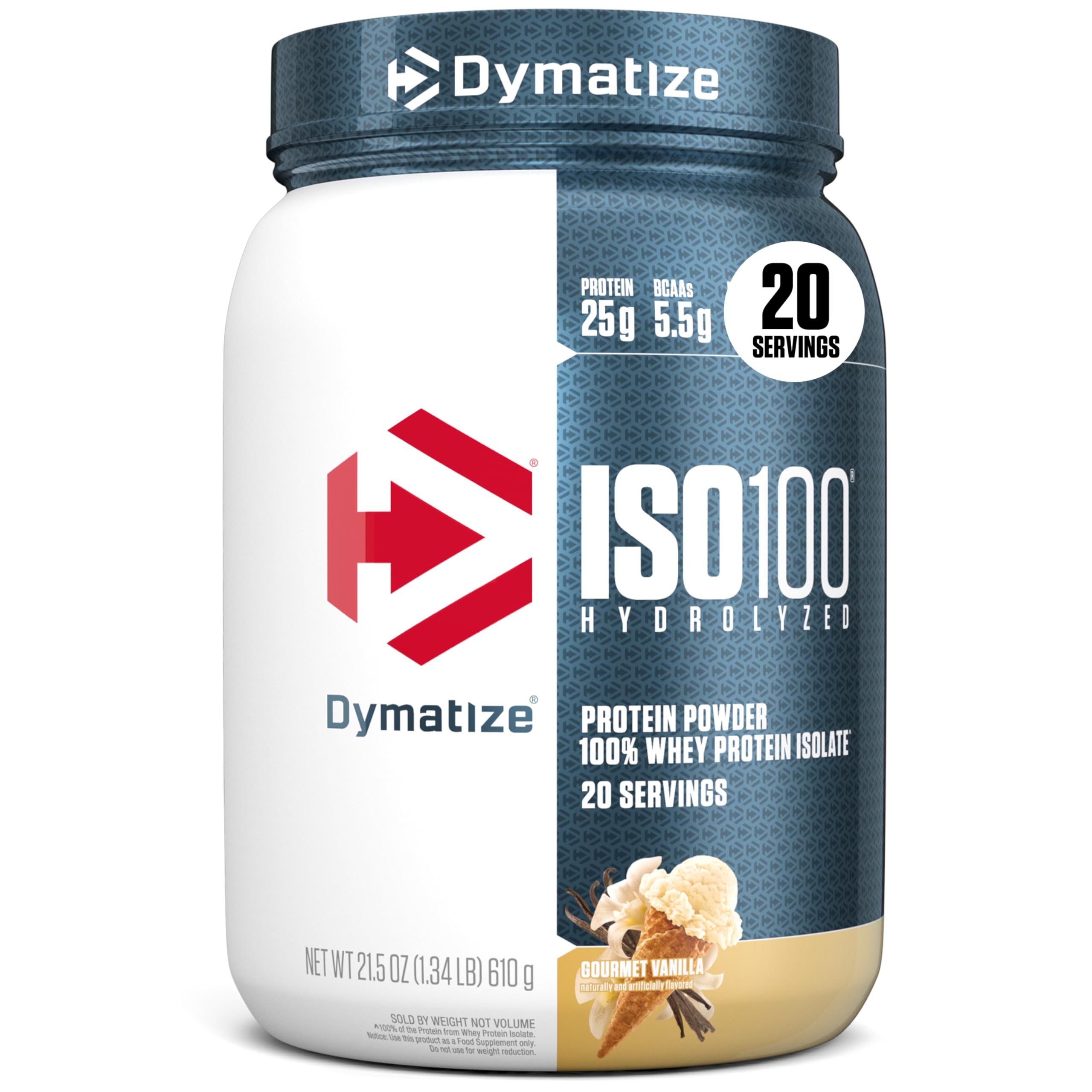
Dymatize ISO100 Whey Isolate

91 /100
Trail Score Outstanding

Key details

Protein Source
Whey isolate
Sugar Per Serving
0.04 oz
Protein Per Serving
0.88 oz
Calories Per Serving
Less than 120
Check Price on Amazon

Less than 120 calories for 25 grams of protein, one gram of sugar, one gram of fat. Nothing else here is that lean, and it comes from a whey isolate — filtered to leave most of the fat and carbs behind, which is the case for fast absorption after training.

In the shaker it takes a few turns and then it's done: no film on the walls, no grit at the bottom. The gourmet vanilla tastes like the last of a vanilla milkshake, and it doesn't leave that drying coat on your tongue that turns a daily shake into a chore. The stomach side is what we paid closest attention to. Isolate has most of the lactose filtered out, and this is the powder we point to when a concentrate has left someone bloated and gassy.

Where it wins for us is the trade between calories and comfort. A shake under 120 calories leaves room for fruit or yogurt in the glass, and the isolate sits light enough that we forget about it afterward. If you're counting hard, that headroom is the whole reason to choose it.

Pros

  • 25 grams of protein under 120 calories
  • Isolate is gentler on sensitive stomachs
  • Mixes clean in a shaker with water
  • Vanilla tastes like dessert

Cons

  • Premium price for the servings you get
Our verdict

We hand this to anyone counting calories hard or whose stomach has rejected cheaper whey — 25 grams of protein under 120 calories, and it mixes clean.

Check Latest Price
3

Best All-Around Whey

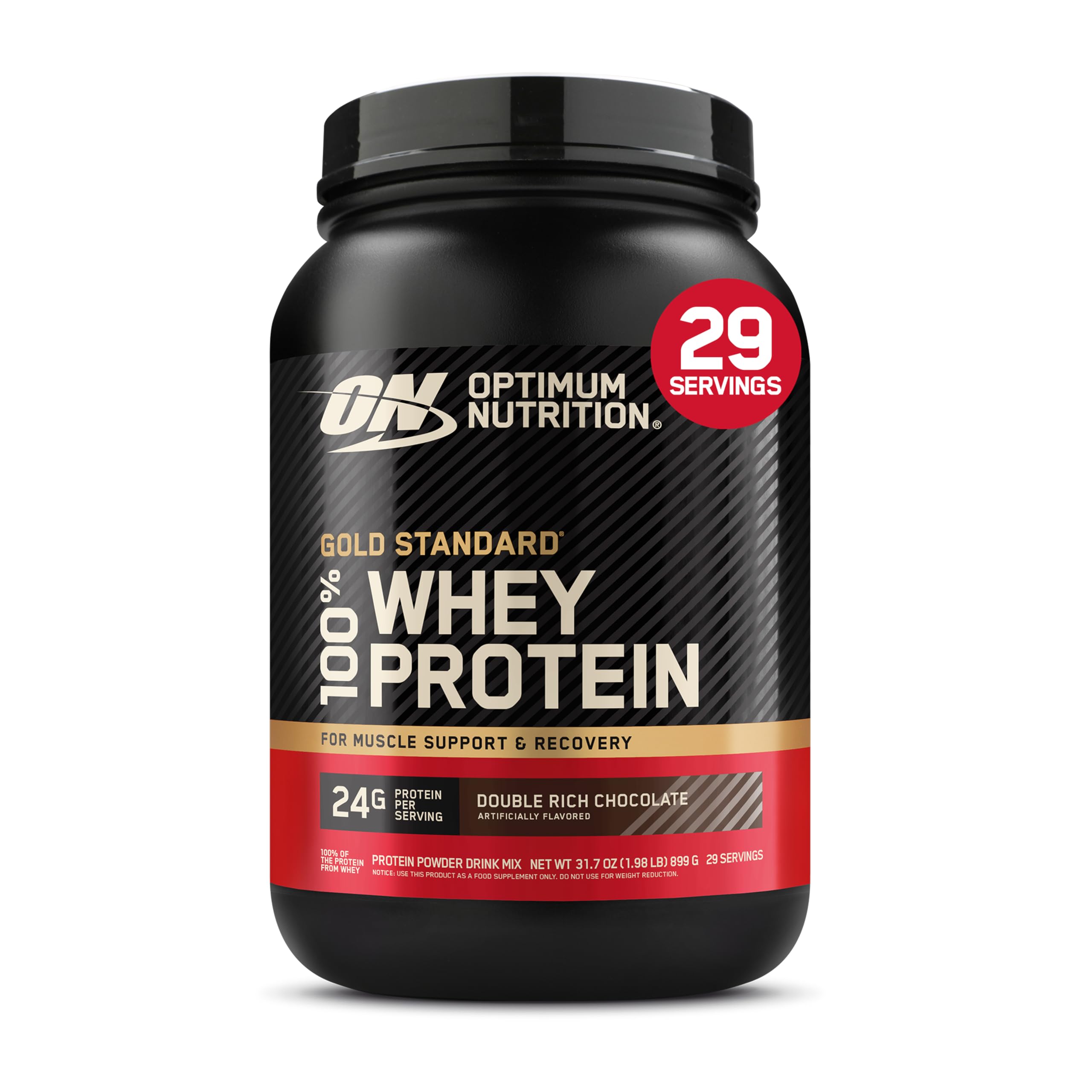
Optimum Nutrition Gold Standard Whey

93 /100
Trail Score Outstanding

Key details

Tub Size
2 lb
Protein Source
Whey isolate and concentrate
BCAAs Per Serving
0.19 oz
Protein Per Serving
0.85 oz
Check Price on Amazon

Twenty seconds is roughly what it takes this powder to disappear into six ounces of water — no blender, no ball, no clumps sitting at the bottom of the bottle. That instantized mixing is why Gold Standard has been the default whey in gym bags for years, and it is still among the smoothest mixes in this guide.

Isolate plus concentrate, rather than a pure isolate — concentrate is cheaper to produce and carries more lactose. If dairy has never bothered you, that's a non-issue, and the blend is part of why the price stays reasonable. If a whey shake has ever left you bloated and gassy, skip straight to an isolate instead.

What keeps it in the guide is range. We've stirred it into overnight oats, baked it into pancakes, and shaken it with water in a parking lot, and it behaved every time. There's also the plain comfort of a product with this long a record: the chocolate tastes like chocolate, the scoop does what the label says, and nothing about it surprises you. It's the tub we keep around for everything that isn't a strict weight-loss shake.

Pros

  • Mixes smooth without a blender
  • Works in oats, baking, and shakes
  • Flavor that has been a benchmark for years

Cons

  • 24 grams per scoop, below the leanest picks
Our verdict

The easiest powder here to work with: it stirs smooth without a blender and holds up in oats and batter, which suits anyone who wants one tub to do everything.

Check Latest Price
4

Best Plant-Based

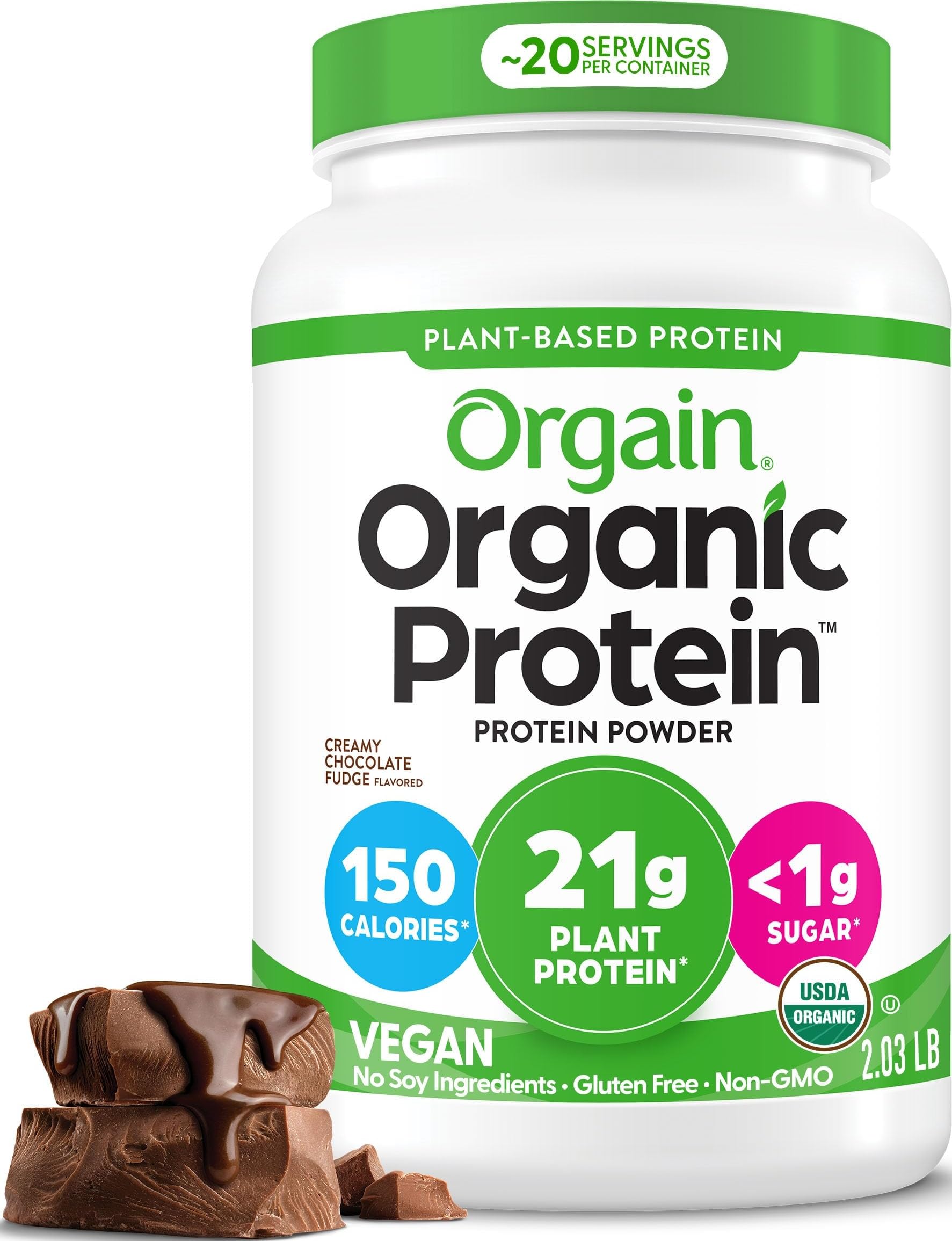
Orgain Organic Vegan Protein

91 /100
Trail Score Outstanding

Key details

Certifications
USDA Organic, Non-GMO
Protein Source
Organic pea, brown rice and chia
Sugar Per Serving
0 g
Protein Per Serving
0.74 oz
Check Price on Amazon

Zero grams of sugar is the headline, and it's why this is the plant powder we recommend: plenty of vegan options sweeten their way past the point of being a weight-loss shake, and this one doesn't. Twenty-one grams of protein comes from organic pea, brown rice, and chia — a trio chosen because together they carry all nine essential amino acids that a single plant source would leave short. The trade is texture: in a blender with almond milk it's thick and properly chocolatey, in a shaker with water it's gritty, and no amount of shaking fixes that.

So we treat it as a smoothie powder, which is what it's good at. It's sweet, closer to a dessert shake than a dark chocolate one, and a spoon of unsweetened cocoa or a shot of espresso pulls it back into line. The label is short and legible too — organic, no erythritol, no soy, no carrageenan — which counts for something in a powder you use every day. Keep the blender on the counter and it earns its place.

Pros

  • Zero grams of sugar per serving
  • Complete protein from three plant sources
  • Short, clean ingredient label

Cons

  • Gritty in a shaker; needs a blender
  • 21 grams is the lowest protein per scoop here
Our verdict

If you want plant-based without sugar, this is the one: 21 grams of protein, zero grams of sugar, and a flavor that leans dessert.

Check Latest Price
5

Best Unflavored

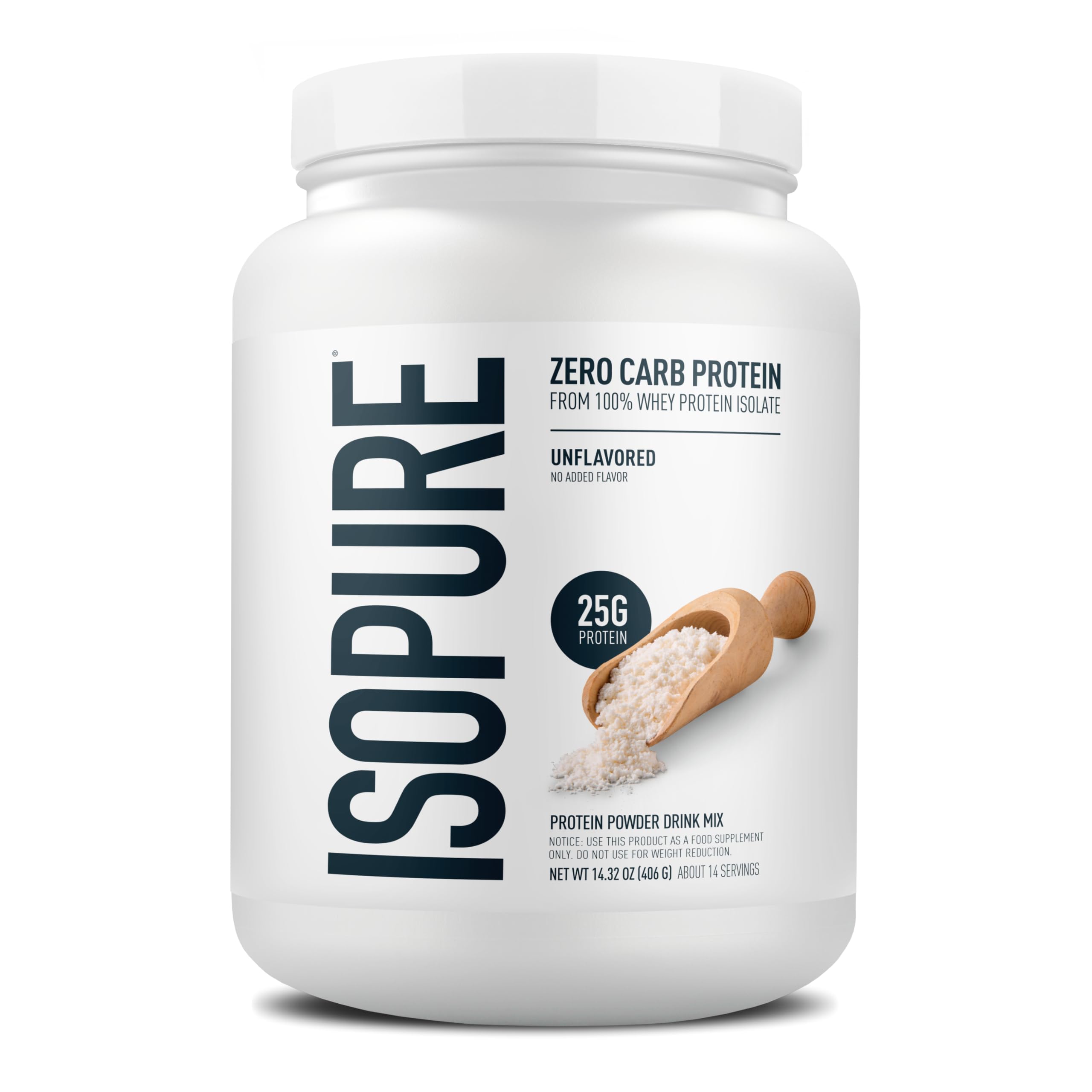
Isopure Zero Carb Unflavored

89 /100
Trail Score Excellent

Key details

Flavor
Unflavored
Tub Size
1 lb
Protein Per Serving
0.88 oz
Carbohydrates Per Serving
Zero
Check Price on Amazon

Most protein powders are drinks. This one is an ingredient. Twenty-five grams of protein and zero carbs, no flavor and no sweetener, so it goes into iced coffee, soup, oatmeal, or a smoothie without announcing itself — which is the whole point if you're trying to hit a protein target while eating mostly whole foods.

We reach for it on the days when meals have left a protein gap and another sweet shake isn't appealing. It stirs into cold liquid cleanly, vanishes in a blender, and doesn't drag a vanilla or chocolate flavor into whatever you're making. The one thing to know is heat: dumped into hot coffee or broth it seizes into little curds that won't stir out, so whisk it into a couple of tablespoons of cold water or milk first and then add the hot liquid. Do that and even soup works.

One pound is a small tub, so this isn't the powder we suggest for a daily chocolate shake — it's the one we keep for the weeks when we're cooking more than blending. As a way to add protein to food you were going to eat anyway, nothing else here does the job without changing the taste of the dish.

Pros

  • Unflavored and completely unsweetened
  • Zero carbs and 25 grams of protein
  • Stirs into cold drinks and blended foods

Cons

  • Premium price for a 1-pound tub
Our verdict

For adding protein to food rather than making a shake, we haven't found better in this set: unflavored, zero carb, and invisible in anything cold.

Check Latest Price
6

Higher Protein Goals

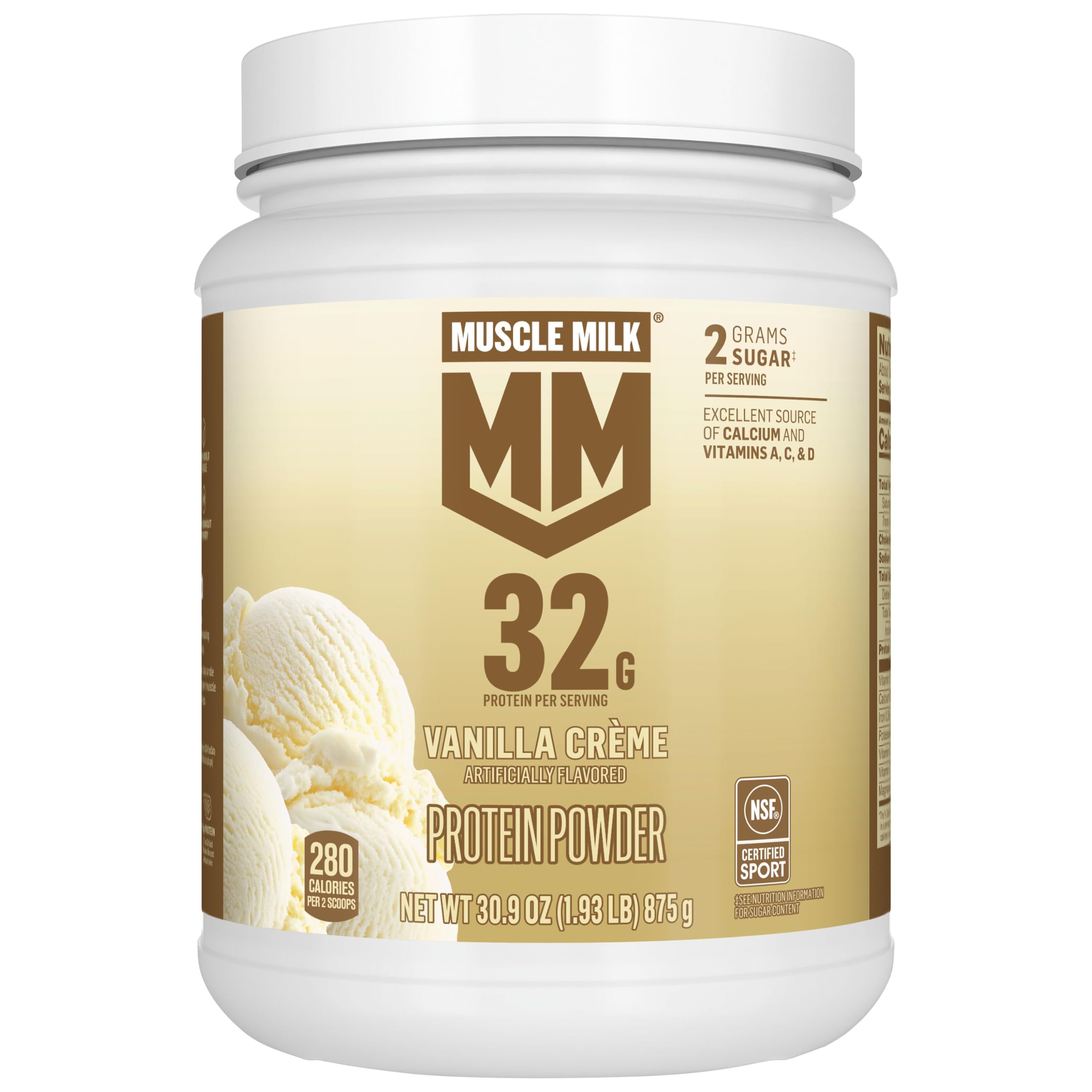
Muscle Milk Genuine Protein Powder

93 /100
Trail Score Outstanding

Key details

Certification
NSF Certified for Sport
Servings Per Tub
12
Sugar Per Serving
0.07 oz
Protein Per Serving
1.13 oz
Check Price on Amazon

Thirty-two grams of protein is the biggest number in this guide, and it comes with a catch worth understanding before you buy: that's two scoops, and a tub holds twelve of those servings. We still think it earns a place. It's the only powder here with NSF Certified for Sport, it carries calcium and vitamins A, C, and D, and it costs the least of the bunch — but a daily shake finishes the canister in under two weeks.

The vanilla crème is sweet and thick, closer to a milkshake than to a lean supplement — either the reason you finish the tub or the reason you don't. It stands up to milk and a banana better than the isolates do, so it works as a breakfast shake when you want one, and the certification makes it the pick for anyone whose sport tests for banned substances. We keep coming back to it for the days when a shake has to feel like a treat.

Pros

  • 32 grams of protein per serving
  • NSF Certified for Sport
  • Lowest-priced tub of the picks

Cons

  • Grainy texture when shaken with water
Our verdict

We point people here for the biggest protein number in the guide and the lowest price, with the catch that a serving is two scoops.

Check Latest Price

How We Tested 14 Protein Powders for Weight Loss

We started by reading labels, not marketing copy. We compared protein sources, grams per scoop, calories, added sugars, and serving counts, then narrowed a long list to 14 powders that were widely available, clearly labeled, and priced for regular use. Over eight months, those tubs lived in kitchen cabinets, gym bags, and desk drawers rather than on a lab bench.

Each powder got the same first test: one labeled serving shaken with eight ounces of water for ten seconds, then poured through a fine strainer so we could see what stayed behind. We tasted every one plain and blended with a banana, noting whether it was chalky, grainy, overly sweet, or thin. We also left a few containers in a warm car and a humid gym bag to see whether they clumped.

For digestibility, we drank a serving mid-morning and logged how we felt an hour later—bloated, fine, or hungry again before lunch. Effectiveness came down to whether that serving carried us to the next meal without a detour to the snack drawer. We tracked price per serving, counted actual scoops per tub, and checked how easy each was to reorder. Protein quality meant comparing the label’s protein source and dose against what we could verify, and we noted whether the packaging was recyclable or bound for landfill.

How to Choose a Protein Powder for Weight Loss

Compare protein per calorie, not protein per scoop

A 30-gram scoop and a 25-gram scoop can cost you almost the same calories. Our top pick delivers 30 grams in 150 calories; the Dymatize isolate delivers 25 in under 120. Both spend roughly a fifth of their calories on protein, so neither is meaningfully leaner than the other — one simply gives you more protein per shake. What separates them is everything else in the scoop: sugar, carbs, fat, and whether a serving is one scoop or two.

That scoop count is the trap. Muscle Milk's 32 grams takes two scoops, so its tub holds twelve servings rather than two dozen. Read calories, sugar, and servings per container together, in that order, before you start comparing flavors.

Match the protein source to your stomach

Whey isolate has most of the lactose filtered out, which makes it the safer starting point if a concentrate has ever left you bloated or gassy. Concentrate — the other half of Optimum Nutrition's blend — is cheaper to produce and fine for most people, but it carries more lactose. If you are drinking one of these daily, matching the source to your digestion matters more than a couple of extra grams of protein.

Plant blends need to combine sources. Orgain's pea, brown rice, and chia together cover the amino acids a lone pea or rice protein would leave short. And if dairy is off the table because of an allergy rather than a preference, treat it as a hard line: whey is milk.

Decide how you will use it before you buy

A powder you shake at your desk needs to dissolve in water and taste good cold. A powder you stir into oatmeal, soup, or coffee needs to be flavorless and to survive heat, and those are different products. Isopure's unflavored isolate is the second kind, and it is the one to pick if you want protein in food rather than in a glass.

For shakes, technique beats brand. Liquid goes in first, then powder, then a shaker ball, and you shake hard for a few seconds. Powder dropped into a dry bottle and then flooded is where most lumps come from, and no amount of extra shaking rescues it.

Count servings, and expect a gap at the top

Powder settles in transit, so a new tub rarely looks full, and a canister that reads half empty is usually a packaging decision rather than a short fill. Weigh the closed tub against the net weight printed on the label if you want to be sure, then judge value by servings rather than volume — twelve servings and twenty-four servings are very different purchases even at a similar price.

Protein per tub is the honest comparison: multiply grams per serving by the number of servings you actually get. That number tells you how long the tub lasts at one shake a day, which is the only measure that matters once you are buying your third one.

Frequently Asked Questions

Final Verdict

Premier Protein's 30 grams for 150 calories is the number we keep returning to, because it gives you the most protein per shake without asking you to drink something you don't like. If you want one tub that handles a daily shake and a post-workout one, start there.

Two things change the answer. If you count calories tightly, or if a whey concentrate has ever left you bloated, Dymatize ISO100's isolate is the leaner, gentler scoop. And if you want protein in food rather than in a glass, Isopure's unflavored isolate is the only pick here that disappears into soup, oats, or coffee without changing how they taste.