Best Organic Protein Shakes of 2026

Organic certification and protein gram counts dominate the packaging, but the real difference between a shake you finish and a case you regret shows up on the first sip. Plant-based formulas in particular turn chalky or grainy, no matter how clean the ingredient list reads.

The dependable bottles tend to split by protein source. Grass-fed dairy shakes mix smoother and taste richer, while vegan blends demand closer screening for texture. Serving size adds another wrinkle: an 11-ounce bottle holds fewer calories than a 14-ounce version that looks similar next to it on the shelf.

The shake worth keeping in your fridge is the one matched to your goal, whether that is a grab-and-go breakfast, a low-carb recovery drink, or a gentle option for a sensitive stomach. Most adults do fine around 16 grams of protein, while serious lifters need closer to 26. Match the bottle to the week you actually live, and taste, not the label, becomes the deciding factor.

1

Best Overall

Orgain Chocolate Fudge

93 /100
Trail Score Outstanding

Key details

Pack Size
12-pack, 11 oz
Protein Source
Grass-fed dairy
Flavor And Texture
Rich chocolate, smooth
Protein Per Serving
16g
Check Price on Amazon

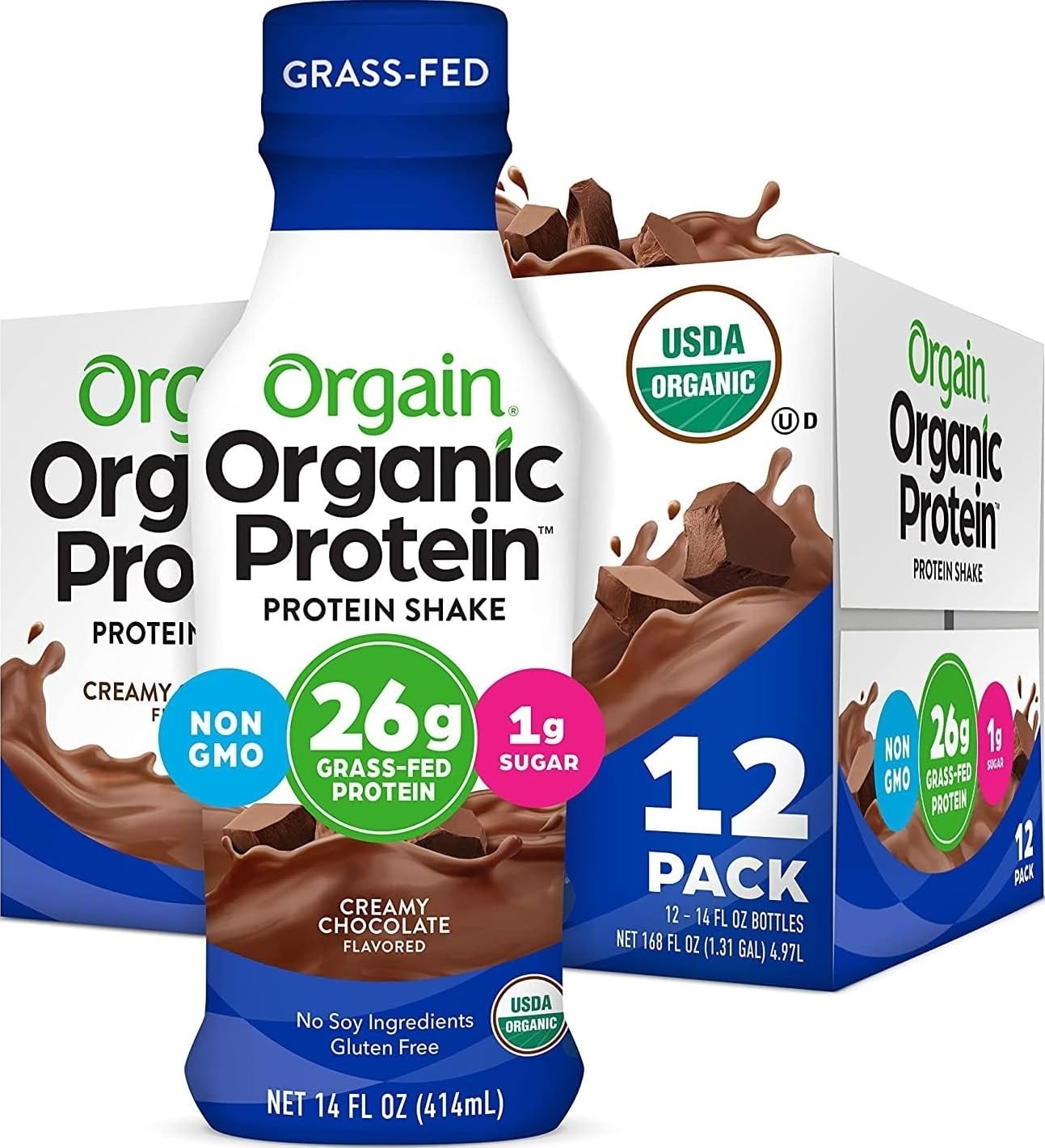
Chocolate-fudge flavor is the reason this shake earns its shelf space: rich enough to resemble a dessert, dialed back so it never turns syrupy, and underpinned by organic grass-fed dairy that lends a smooth, milky body. Each 11-fluid-ounce bottle delivers 16 grams of protein along with 20 vitamins and minerals and a gram of fiber, a macro profile that fits a rushed breakfast, a midday snack, or light recovery rather than a heavy lifting session.

The ready-to-drink format removes the usual friction of powders, shakers, and measuring, while the restrained sweetness keeps the flavor pleasant from first sip to last. Across typical daily use, the milkshake-like texture and clean ingredient list hold up well enough that this becomes a default grab for customers who otherwise might skip a meal entirely during a packed day.

Best fit lands with adults who prioritize taste and want clean organic nutrition they can drink on the move — the busy professional who needs a portable breakfast. The boundary sits at dairy: this is grass-fed whey, so vegans and anyone avoiding dairy should pass, and 16 grams of protein undershoots what dedicated lifters want, pointing them toward the 26-gram whey variant in this set. For strict low-carb or keto plans, the sugar load runs higher than that approach allows, and occasional batch variation in texture is worth weighing before committing to a case blind.

💡 Shake the bottle briskly before drinking — any lumps that settle in a stray bottle usually dissolve with a quick swirl.

Pros

  • Rich chocolate-fudge taste that satisfies a sweet craving without ever becoming cloying.
  • Organic grass-fed dairy base with a clean ingredient list and no artificial additives.
  • Doubles as a quick breakfast with 16g protein, 20 vitamins and minerals in one bottle.
  • Smooth, milkshake-like mouthfeel that keeps the drink pleasant to the last sip.

Cons

  • Sugar amount runs higher than strict low-carb or keto meal plans permit.
  • Dairy-sensitive stomachs can experience mild digestive discomfort after a bottle.
Our verdict

The shake to default to when dependable flavor and clean organic dairy matter more than chasing extreme macros — ideal for anyone who needs a trustworthy grab-and-go breakfast or snack.
Check Latest Price
2

Best for High Protein

Orgain 26g Whey

86 /100
Trail Score Excellent

Key details

Pack Size
12-pack, 14 oz
Protein Source
Grass-fed whey
Flavor And Texture
Chocolate, creamy, sweet
Protein Per Serving
26g
Check Price on Amazon

Each 14-ounce bottle delivers 26 grams of organic whey against just 1 gram of sugar and about 3 grams of net carbs. Where the top pick spreads 16 grams across a general-purpose shake, this variant concentrates calories toward muscle recovery and satiety, giving low-carb dieters a denser protein payoff per serving. The chocolate flavor reads rich and satisfying for most palates, so the aggressive macros arrive without a chalky compromise.

Bodybuilders, heavy strength trainers, and low-carb dieters tracking strict targets get the clearest benefit, whether the bottle works as a post-workout top-up or a larger meal replacement. The premium per-bottle cost makes this a dedicated-training purchase rather than a daily staple, best suited to buyers who budget for concentrated organic protein over casual convenience.

Pros

  • 26 grams of whey per serving support muscle recovery and extend fullness beyond typical shakes.
  • One gram of sugar and roughly 3 net carbs tuck neatly into low-carb and keto tracking.
  • Chocolate flavor comes across rich and satisfying to most palates.

Cons

  • Palates sensitive to sweetness may find the chocolate leans sugary rather than balanced.
  • An occasional production batch can arrive lumpy or curdled instead of smooth.
Our verdict

Committed lifters and macro-strict dieters willing to pay a premium for concentrated organic whey will find this bottle earns its slot; casual sippers are better served by the 16-gram top pick.

Check Latest Price
3

Best Vegan / Allergen-Free

Kate Farms Nutrition

87 /100
Trail Score Excellent

Key details

Pack Size
6-pack
Protein Source
Plant-based, soy-free
Flavor And Texture
Mild chocolate, non-chalky
Protein Per Serving
16g
Check Price on Amazon

Kate Farms delivers the smooth mouthfeel most plant-based shakes miss. The chocolate flavor reads as clean and mild with no artificial aftertaste, and the texture avoids the gritty, protein-powder feel that dominates the budget end of this category. The certified organic, soy-free, dairy-free formula is also vegan and gluten-free, which makes it the rare shake that satisfies both a clean-label check and a sensitive stomach in the same bottle.

This suits buyers who prioritize ingredient trust and gentle digestion over macro density or price. At 16 grams of protein, it aligns more with the everyday shakes in this set than the athletic 26-gram contender, and the premium per-bottle cost reflects its clinical-grade positioning rather than value per serving. It is best for people managing dietary restrictions, those with reactive digestion, and clean-label purists who will pay more for certified sourcing. The smaller 6-pack case means restocking happens sooner than with the larger multi-packs.

A small number of buyers with severe gluten sensitivity have reported adverse reactions despite the gluten-free certification, which may point to an ingredient-specific response rather than contamination. Shoppers with celiac-level sensitivity should weigh that possibility before relying on this as a daily staple.

💡 If you have celiac-level sensitivity, consult your care team before making this a daily staple.

Pros

  • Smooth, clean chocolate taste with no artificial aftertaste
  • Certified organic and free of soy, dairy, and gluten for restrictive diets
  • Gentle on sensitive stomachs compared to other plant shakes

Cons

  • Premium per-bottle price with only six bottles per case
  • Severe gluten sensitivities may still trigger reactions despite certification
Our verdict

For those managing food sensitivities or demanding certified organic ingredients in a smooth, drinkable shake, this is the clear choice — provided the premium cost fits the budget.

Check Latest Price

How to Choose Organic Protein Shakes

Protein Per Serving

Protein targets cluster at 16 or 26 grams, and that gap changes how a shake behaves in your day. Sixteen grams in an 11-ounce bottle covers a fast breakfast or between-meal pickup, while 26 grams in 14 ounces stretches satiety through a long morning and supports recovery after heavy training. The price at the register climbs with each extra gram of certified organic protein, so the dense option only earns its cost for athletes who actually use it.

Sugar and Net Carbs

Certified-organic drinks commonly add cane sugar to mask the natural bitterness of plant proteins, so double-digit sugar counts show up even on clean labels. Sugar also counts fully against net carbs, which quietly derails a low-carb day.

Of these picks, only the 26-gram whey formula drops sugar to roughly one gram per bottle with about three grams of net carbs. Every other option runs sweet enough to matter if you track calories coming from liquid.

Dairy vs. Plant Protein

Whey from grass-fed dairy dissolves into a creamy, milky body, while pea-and-rice proteins carry larger insoluble fractions that settle and finish chalky in the bottle. Vegan lines compensate with gums and emulsifiers, yet many buyers still catch a dry finish.

Choose dairy whenever lactose is not an issue, because it delivers the smoothest, most reliable texture. Choose plant-based only when dairy is off the table, and expect to trade a little mouthfeel for the clean label unless you pick a formula engineered around gentle digestion.

Flavor Consistency

Texture, more than flavor, decides whether a shake earns a repeat purchase, because you cannot re-shake a bottle that separated in the warehouse. Reports of lumps usually trace to temperature swings during shipping and batch handling, not the recipe itself.

The practical guard is to favor flavors backed by a large volume of verified buyer feedback, which signals a consistent batch track record. Newer vegan blends carry thinner feedback trails, making them a harder bet before you taste one.

Pack Size and Cost

Cases arrive in six- or twelve-packs, and the smaller box costs less upfront even when its per-bottle price lands higher. The premium vegan six-pack runs markedly more per serving than the twelve-packs of grass-fed dairy.

When a flavor is new to you, buy the smallest pack available before committing to a full case. A half-finished twelve-pack you dislike is the most expensive mistake in this category.

Frequently Asked Questions