Best Oatmeal for Diabetics of 2026

Oatmeal has a health halo a mile wide, but anyone watching their blood sugar knows the wrong bowl can leave you hungry and foggy by mid-morning. I've stood in the cereal aisle turning boxes over, squinting at fiber grams and added sugar lines, trying to figure out which one would actually work for me. The right oatmeal — usually a less-processed cut, portioned with a little care — gives you slow, steady energy, real fiber, and a serving that actually feels like breakfast.

Over the past three months, my team and I cooked our way through 16 varieties, from steel-cut to instant to flavored packets, and the pattern was hard to miss. The biggest surprise wasn't a brand — it was how much the cut of the oat mattered. Thick rolled and steel-cut oats consistently held their texture and ate slower than the instant stuff, and the flavored packets we wanted to love were often sweeter than we'd serve ourselves. Taste, texture, and flavor varied wildly, and the best ones earned a permanent spot in the pantry.

1

Best Overall

Bob's Red Mill Organic Thick Rolled Oats

96 /100
Trail Score Outstanding

Key details

Oat Cut
Extra-thick rolled
Protein
6 g per serving
Pack Size
4 × 32 oz bags
Ingredients
Whole grain oats
Check Price on Amazon

Tip a handful of these into your palm and the difference is obvious: the flakes are wide and thick, closer to a small grain than to the dusty contents of an instant packet. That shape survives the pot, so the bowl keeps some chew instead of collapsing into paste. The ingredient line is one entry — whole grain oats — with 6 grams of protein and a good source of fiber per serving, organic and non-GMO, and nothing sweetened or flavored to work around.

A bowl you have to chew slows breakfast down and gives you something to pair with nuts, yogurt, or an egg, which is how we build ours most mornings. We also use these for overnight oats and granola: thick flakes still have structure after a night in milk, where quick oats have already turned to porridge by morning.

The catch is the format. It ships as four 32-ounce bags, which is a real commitment of shelf space — split a pack with a neighbor if your cupboard is tight. What you get for it is one of the better costs per bowl in this group, plus unopened bags that keep for a long stretch. Expect a few more minutes on the stove than quick oats; the chew is what you're paying for.

Pros

  • Extra-thick flakes keep a chewy bite
  • One ingredient, no added sugar or flavoring
  • 6 g protein and a good source of fiber
  • Four-bag pack keeps cost per bowl low

Cons

  • Sold only as a four-bag pack
Our verdict

The bag we point most people to: one ingredient, no added sugar, and flakes thick enough to stay chewy under nuts and berries instead of collapsing.
Check Latest Price
2

Best Steel-Cut Shortcut

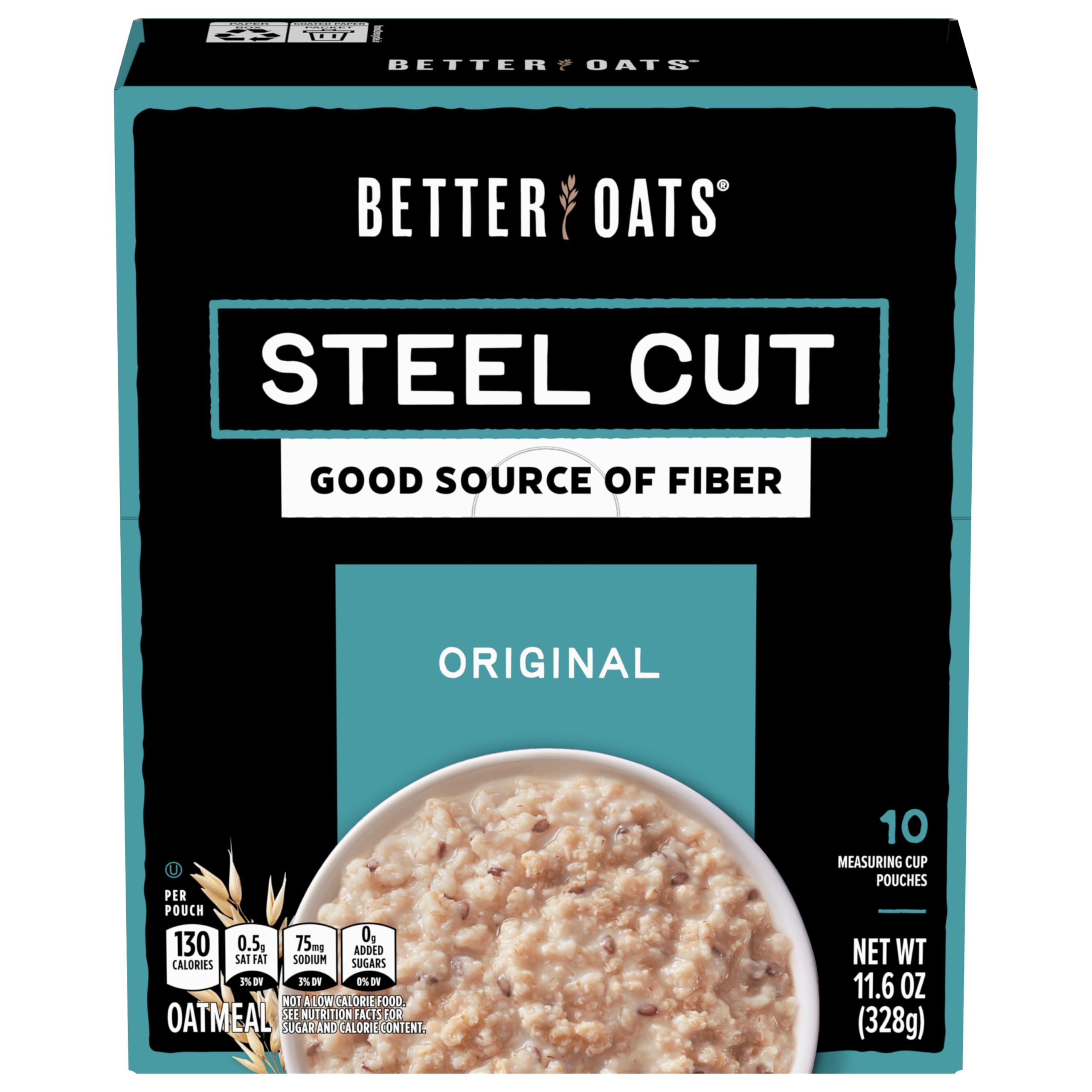
Better Oats Steel Cut Original

96 /100
Trail Score Outstanding

Key details

Oat Cut
Instant steel cut
Packets
10 × 1.16 oz
Includes
Flax seeds
Cook Time
2 1/2 minutes
Check Price on Amazon

Steel-cut oats are the cut that gets recommended most and cooked least, because a pot of them eats the better part of half an hour. These pouches close that gap: tear one open, fill to the line printed on the paper, microwave for two and a half minutes, and you're eating steel-cut oats with flax seeds. This is the box we reach for on mornings when the alternative is no breakfast at all.

The fill line is the detail we appreciated most. There's no measuring cup to wash and no guessing at the ratio, which is exactly where a rushed bowl usually goes wrong. The flax is mixed through rather than sprinkled on top, so it gives the oats a slightly nubby texture instead of a flavor of its own, and the Original pouches carry no added sugar or sweetener — the berries and cinnamon are yours to add.

What you give up is economy: per bowl, packets cost more than scooping from a bulk bag, and a box of ten disappears quickly in a house with two oatmeal eaters. The texture is gentler than a long-simmered pot, too — closer to a hearty rolled oat than the toothsome bite you get off the stove. For a desk drawer, a hotel room, or a bag packed for daycare, neither point matters much.

Pros

  • Steel-cut oats in 2 1/2 minutes
  • Fill line replaces a measuring cup
  • Flax seeds built in, no added sugar

Cons

  • Costs more per bowl than bulk oats
Our verdict

Real steel-cut oats, flax included, in two and a half minutes — the packet we keep for mornings when a pot is never going to happen.

Check Latest Price
3

Best Gluten-Free

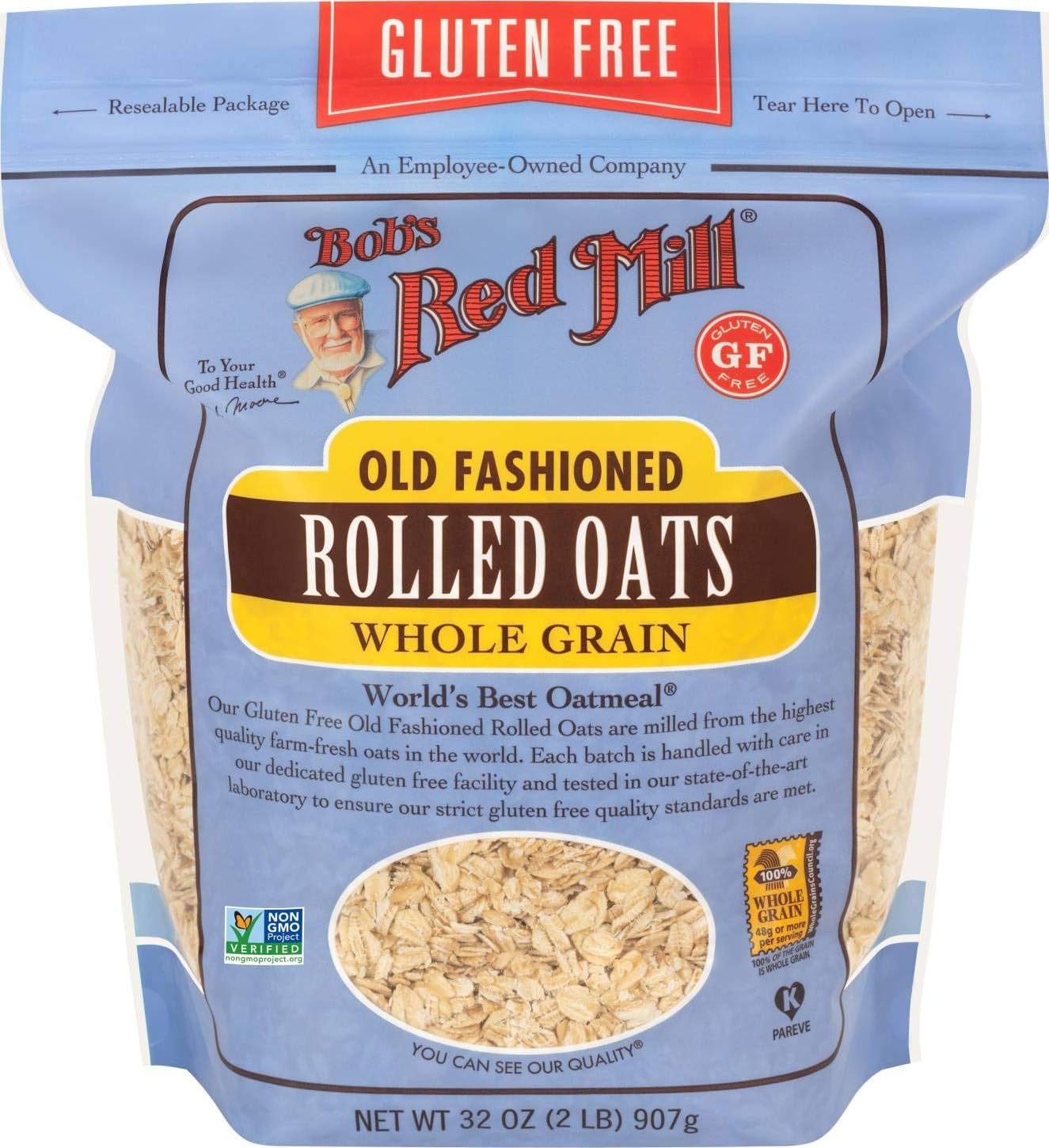
Bob's Red Mill Gluten Free Rolled Oats

96 /100
Trail Score Outstanding

Key details

Oat Cut
Old-fashioned rolled
Protein
6 g per serving
Testing
Batch-tested gluten free
Pack Size
32 oz
Check Price on Amazon

The premium on this bag buys a process, not a flavor. These oats are milled and packed in a separate gluten-free facility and batch tested, which is the standard a person with celiac disease needs from an oat. That's the whole reason it's here, and it's why we're comfortable recommending it over a bag that only says wheat free on the front.

The oats underneath are good on their own terms. Old-fashioned rolled, a little finer than our top pick, so they cook fast — a couple of minutes in the microwave with water or milk — and come out creamy rather than gluey. Six grams of protein and a good source of fiber per serving, and enough structure to hold up in overnight oats, granola, and cookies.

For a household managing celiac disease or a wheat sensitivity alongside blood sugar, this is the bag we hand over without a second thought: certified, consistent, and plain enough that you decide what goes in the bowl. What you aren't getting is a better oat than the brand's regular rolled line — if gluten isn't a concern, the thick rolled bag is the better buy. Keep this one in its own sealed jar, away from the flour canister.

Pros

  • Batch-tested in a separate gluten-free facility
  • Cooks in a couple of minutes, stays creamy
  • 6 g protein and a good source of fiber

Cons

  • Costs more than the brand's regular rolled oats
Our verdict

The bag we trust for a celiac household: separate facility, batch tested, and plain enough that everything in the bowl is your call.

Check Latest Price
4

Best Quick Everyday

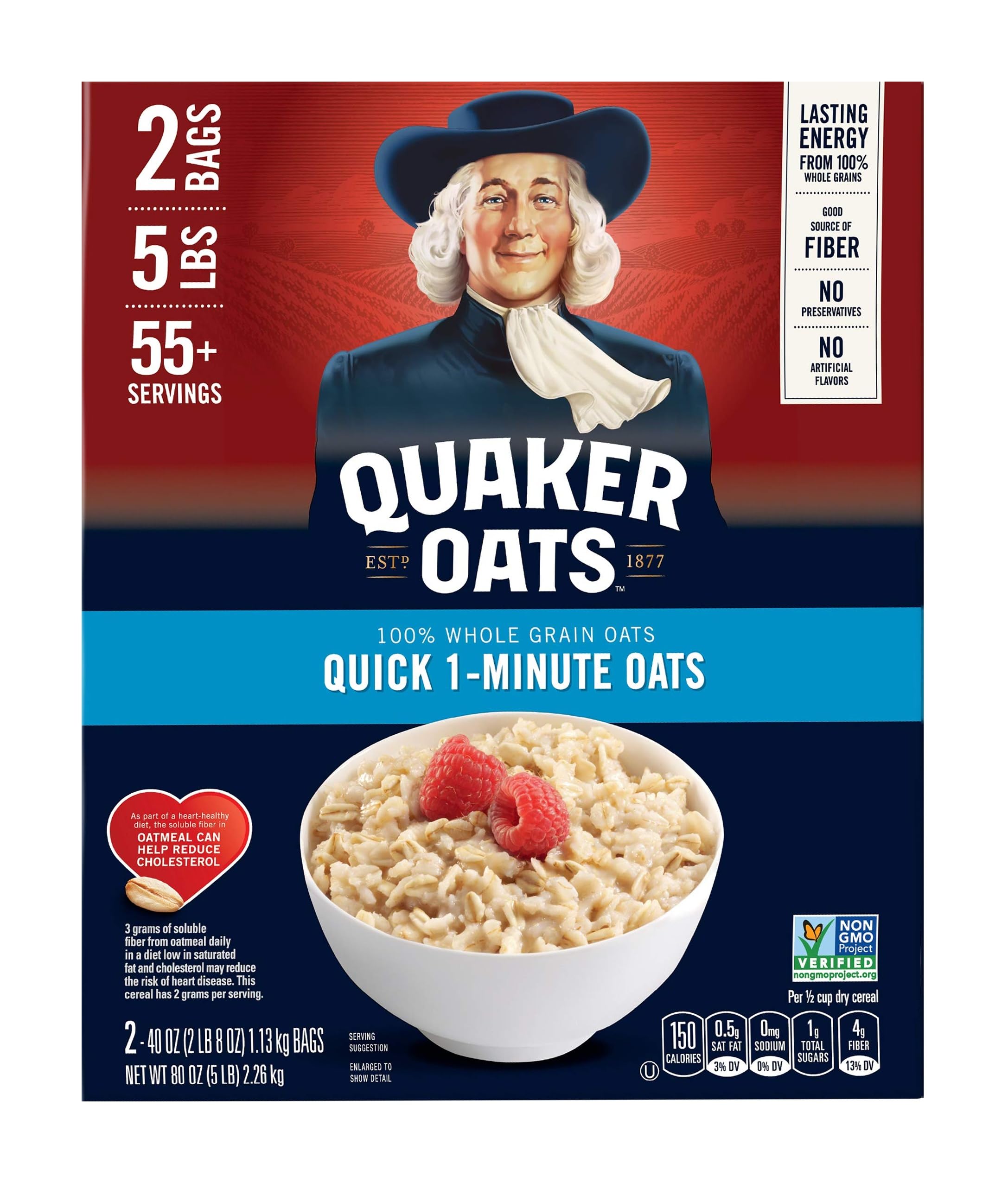
Quaker Quick 1-Minute Oats

95 /100
Trail Score Outstanding

Key details

Fiber
Good source
Grain
100% whole grain
Oat Cut
Quick (1-minute)
Pack Size
2 × 2.5 lb
Check Price on Amazon

This is the oatmeal in the back of a lot of American pantries, and it earns the spot on price and speed: two 2.5-pound bags of 100% whole grain oats that cook in about a minute, with nothing flavored and nothing sweetened. If you're new to reading labels for diabetes, it's an easy place to start because there's almost nothing to read.

We rate it as the fast, cheap bowl rather than the best one. Quick oats are cut finer and rolled thinner than old-fashioned flakes, so they soften almost immediately and give up the chew that makes our top pick worth a few extra minutes. On a weekday when the choice is this or a granola bar, it wins without much argument.

Cooked right, it's soft and creamy; let it stand while you hunt for your keys and it stiffens into paste, so use a splash more water than the directions call for and eat it while it's hot. Nobody at our table has complained about a bowl of this with chopped apple and walnuts on it.

Pros

  • 100% whole grain with nothing added
  • Cooks in about a minute
  • Low cost per bowl

Cons

  • Two loose bags, not a resealable tub
Our verdict

The fast, cheap, plain bag for a weekday — 100% whole grain, nothing added, and better than skipping breakfast.

Check Latest Price
5

Best Flavored Lower-Sugar

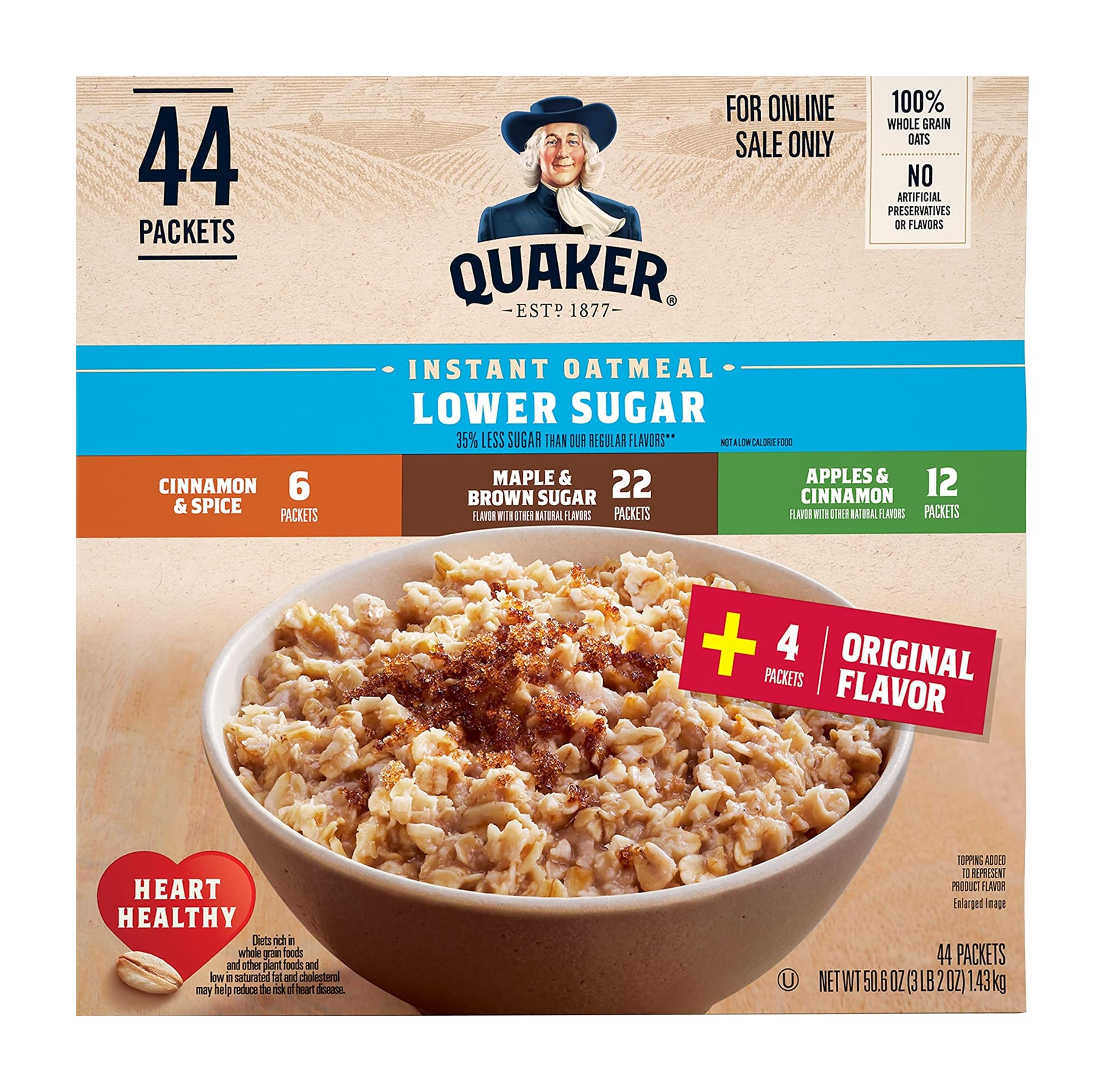
Quaker Lower Sugar Instant Oatmeal

94 /100
Trail Score Outstanding

Key details

Sugar
35% less sugar
Flavors
4 varieties
Packets
44
Sweeteners
No artificial sweeteners
Check Price on Amazon

Every flavored instant oatmeal is a compromise, and this one is upfront about it: the packets are still sweetened, just with 35% less sugar than the standard line and no artificial sweeteners. We treat it as a bridge for someone who won't eat plain oats, not as a replacement for them.

The four flavors are the familiar ones — original, maple and brown sugar, apples and cinnamon, cinnamon and spice — and the sweetness reads noticeably milder than the regular versions, which took us a bowl or two to stop noticing. In a house where one person wants plain oats and another wants maple, the 44-packet box covers both without three boxes in the cupboard.

Portioning is the other argument: each packet is a single serving, so there's no scooping more than you meant to at six in the morning — though if you're used to a bigger bowl, cook two and count them both. A spoon of peanut butter or a handful of walnuts on top does more for how long the bowl holds you than the flavor inside the packet.

Pros

  • 35% less sugar than the regular flavors
  • No artificial sweeteners or preservatives
  • 44 packets across four flavors

Cons

  • Still contains added sugar
Our verdict

Four familiar flavors at 35% less sugar than the regular line — a sensible step down for anyone who won't eat plain oats.

Check Latest Price
6

Organic Baking Staple

365 Organic Old Fashioned Rolled Oats

91 /100
Trail Score Outstanding

Key details

Fiber
Soluble fiber
Oat Cut
Old-fashioned rolled
Pack Size
18 oz
Certification
Organic
Check Price on Amazon

Store brands are supposed to be the value play, and this 18-ounce tub of organic rolled oats is the one we point to when someone wants organic without national-brand money. The ingredient line is oats, full stop — more useful in this category than anything printed across the front of the package.

They cook like a proper old-fashioned flake: soft at the edges, still a little chewy in the middle, and not prone to the mush that finer oats turn into. We've used them for baked oatmeal and energy balls as readily as for a bowl, and the finer roll actually helps there — the flakes blend into the mix instead of standing out as distinct pieces.

Against our top pick, these are a touch thinner and the bowl comes out a little softer, and the gap is small enough not to matter much on a weekday. It's the tub we keep in a small kitchen, where four bags take over the pantry.

Pros

  • Organic rolled oats with a classic chewy texture
  • Finer roll works well in baking
  • Small tub suits tight kitchens

Cons

  • Tub can arrive dented or unsealed
Our verdict

A dependable organic rolled oat for everyday bowls and baking, at a price that makes the store brand make sense.

Check Latest Price
7

One-Minute Bowls

365 Organic Quick Oats

0 /100
Trail Score Fair

Key details

Oat Cut
Quick (1-minute)
Pack Size
18 oz
Added Sugar
None
Certification
Organic
Check Price on Amazon

A one-minute oat is a thin oat, and it's worth knowing that before you buy: these are rolled thin so they soften fast, which is why they cook in about a minute and why they'll never have the chew of a thick flake. On a lot of mornings that's a fair trade.

The label is tidy for a store brand: organic, no sugar added, a good source of fiber and iron, and low in fat and sodium. There's no flavoring to argue with either — cinnamon, berries, or a spoon of yogurt and the bowl is done.

Where quick oats trip people up is water. Start with a little less than the tub calls for, stir, and loosen it with a splash if it sets up stiff — you can thin a bowl, but you can't thicken one back. Left standing, these go soft quickly.

As a pantry backstop this is an easy yes: organic, plain, inexpensive, and ready before the toaster pops. It isn't the bowl we build a blood-sugar-friendly breakfast around — quick oats are the most processed cut here — but it beats a sweetened packet on any rushed Tuesday.

Pros

  • Organic with no sugar added
  • Good source of fiber and iron
  • Cooks in about a minute

Cons

  • The most processed cut in this group
Our verdict

A cheap, organic one-minute oat for mornings when speed wins — plain, so everything in the bowl is your call.

Check Latest Price

How We Chose and Tested the Best Oatmeal for Diabetics

We started by pulling every oatmeal we could find that made a diabetes-friendly claim or simply kept added sugar low, then read the labels side by side: fiber, protein, added sugar, ingredient list, and cost per serving. We eliminated anything with a long ingredient list or a packet that looked more like dessert than breakfast. That left 16 varieties, which we cooked over three months.

Testing happened where oatmeal actually gets eaten: hurried weekday mornings before work, slower Sunday breakfasts, and one batch cooked on the stovetop and another in the microwave to see how each held up. We weighed dry portions on a kitchen scale, then noted how much space a single serving took up in a bowl and whether it kept us full until lunch. We tasted every variety plain first, then with a spoonful of peanut butter or a splash of milk, because pairing matters. We noted whether the oats turned gluey or kept a pleasant chew, and whether flavored varieties tasted artificial or balanced.

Value came down to cost per cooked serving, not price per box — a cheap packet that left us hungry wasn't a bargain. We also tracked how easy each one was to buy: whether it showed up in our regular grocery store, whether the package resealed, and whether it was worth ordering online. At the end of three months, we made a note of which ones we actually restocked without thinking, because repurchase frequency told us more than any first-impression score.

How to Choose Oatmeal for Diabetes

Start With the Cut, Not the Flavor

The oats on the shelf are the same grain cut to different sizes. Steel-cut oats are chopped groats and take the longest to cook; old-fashioned rolled oats are steamed and flattened and take a few minutes in a pot; quick oats are rolled thinner still and cook in about a minute. The more intact the oat, the more slowly it tends to be digested, which is why steel-cut and thick rolled oats are the ones usually recommended when blood sugar is the concern.

Pick the cut you'll actually cook. A bag of steel-cut oats that never leaves the pantry helps nobody, which is why we keep both a thick rolled bag for home and a box of steel-cut packets for the mornings when a pot is not happening.

Read the Packet, Not the Front of the Box

Words like whole grain and heart healthy can sit on a box that is mostly sugar. What matters is the Nutrition Facts panel: added sugars, total carbohydrate, and the serving size those numbers are based on. Lower sugar is a relative claim — Quaker's line runs 35% below its standard flavored packets and is still sweetened — so treat it as a step down rather than a free pass.

Plain oats give you the same grain with nothing to subtract, and cinnamon, berries, or a spoon of nut butter costs you nothing in added sugar. If you buy flavored packets anyway, compare the added-sugar line against the regular version on the same shelf before you decide.

Build a Bowl That Holds You

Oats on their own are mostly carbohydrate, and a plain bowl at seven in the morning can leave you hungry by nine. Add protein and fat — Greek yogurt, milk, nuts, seeds, peanut butter, or an egg alongside — and the same portion lasts longer. Our top pick's thick flakes take toppings without turning to mush, which is a small thing that makes the habit easier to keep.

Measure the dry oats with the same scoop every morning until you know what your bowl looks like. Eyeballing is where portions drift, and cooked oats look like far more than they started as.

Tubs, Packets, and Gluten-Free Labels

Bulk tubs cost less per bowl; packets cost more and buy you portioning, portability, and no measuring cup. Most households end up with one of each, and there's no reason not to.

If you have celiac disease or a wheat sensitivity, buy oats labeled gluten-free and batch tested. Oats are routinely grown and milled alongside wheat, and wheat free on the front is not the same promise as a dedicated facility. Keep that bag in its own sealed container, away from the flour canister.

Frequently Asked Questions

Final Verdict

Buy plain, buy a size you'll finish, and put the flavor in yourself. Bob's Red Mill's thick rolled oats are our default because the flake holds its shape, the bag holds one ingredient, and four bags keep the cost per bowl down to something you can eat every day without thinking about it.

If gluten is a concern, the Bob's gluten-free bag is the one to switch to — the certification is what you're paying for. If your morning can't spare a pot, the Better Oats steel-cut packets get you the same cut in two and a half minutes.