Best Low-Carb Protein Powders of 2026

Low-carb protein powder has a reputation problem: the label promises 20-plus grams of protein and almost no sugar, but the scoop often delivers a chalky texture, a fake-sweet aftertaste, or a shaker bottle full of clumps. I’ve poured plenty of those down the drain. To find the ones worth keeping, my team and I mixed, shook, blended, and baked with 16 low-carb powders over three months, paying attention to taste, mixability, and how each one sat afterward.

The first thing I learned is that protein content is only half the story: a powder can post an impressive number per scoop and still lose on value if the scoop is enormous or the tub disappears in a week. Texture matters just as much—gritty powders ruin a morning shake even when the flavor is right—and digestibility is personal but predictable once you compare labels and live with a few tubs. We kept the clump-prone and the stomach-churners out of the list below, and favored powders that earn their shelf space serving after serving.

1

Best Overall

Ascent 100% Whey

92 /100
Trail Score Outstanding

Key details

BCAAs
0.19 oz
Diet Fit
Low carb and keto
Added Sugar
0g
Protein Per Serving
0.88 oz
Check Price on Amazon

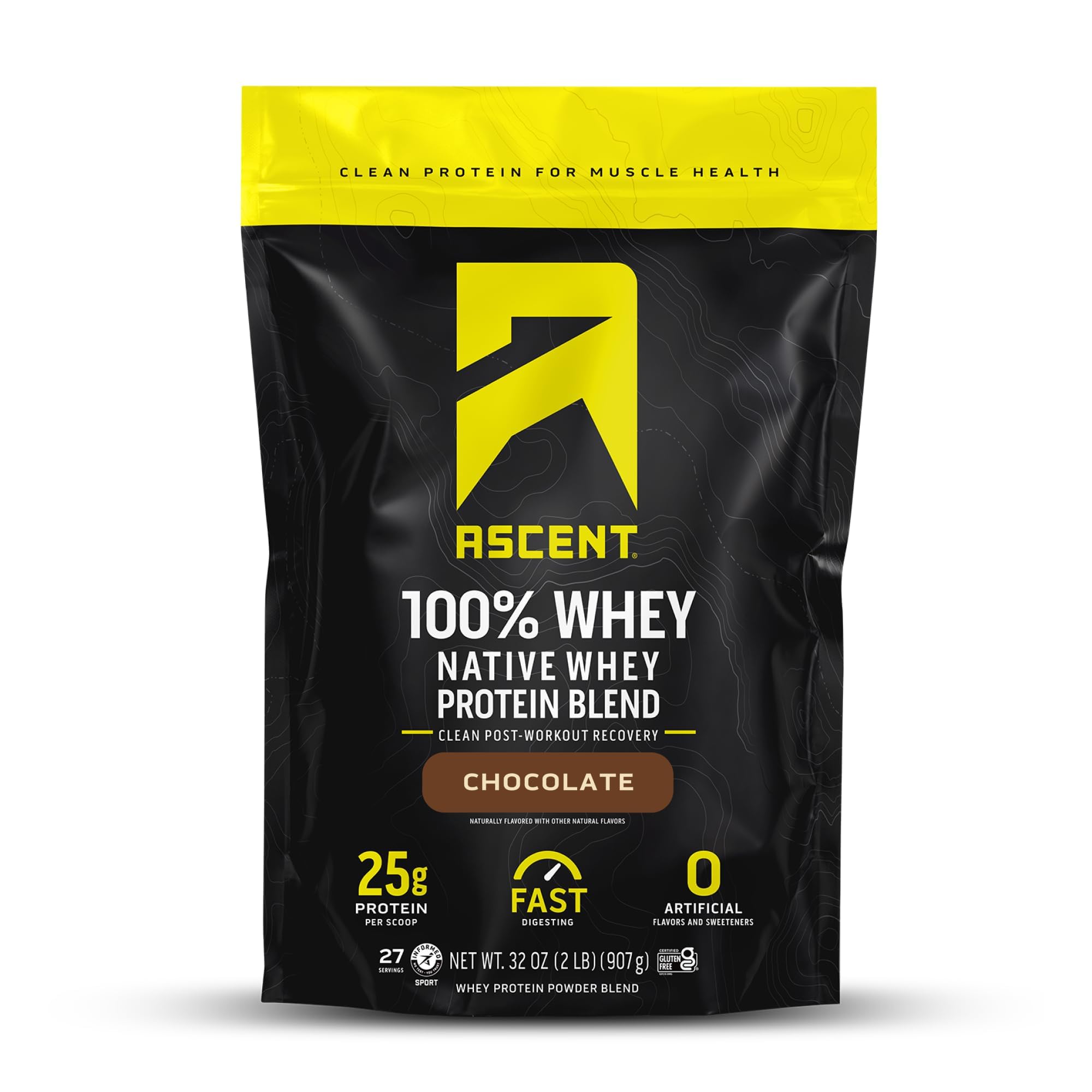
The first number we look for on a low-carb protein powder is added sugar, and Ascent's label reads zero. A scoop also brings 25g of protein, 5.5g of BCAAs, and 2.6g of leucine, with stevia doing the sweetening instead of artificial flavors. That combination is why it is our top pick for a daily low-carb shake: the protein dose is high enough to matter, and the sugar number does not eat into the day's carbs.

Mixing is where Ascent separates itself from the rest of this group. We shook it in water and got a smooth, light texture with no gritty finish, and it mixes as cleanly as anything here. The chocolate flavor is sweet without being syrupy, which is a useful trait when you are drinking the same shake several days a week. The bag is also a small practical win: it collapses down and fits in a cabinet where a round tub would not.

The caveat is that the front of the bag says low carb and keto without printing total carbs, so if you are counting strictly, read the panel before you commit. A 2 lb bag also will not last as long as a 5 lb tub. We think the trade is worth it for the texture and clean label, especially if you drink your protein rather than bake with it.

Pros

  • 25g protein with 0g added sugar
  • Mixes smooth with little grit
  • Clean label with no artificial sweeteners
  • Bag stores easier than a tub

Cons

  • Premium price
Our verdict

We recommend Ascent first for a low-carb whey that tastes clean and mixes without grit, with 25g protein and no added sugar.
Check Latest Price
2

Best High-Protein Value

Premier Protein Powder

93 /100
Trail Score Outstanding

Key details

Sugar
0.04 oz
Calories
150
Carbs Per Serving
0.11 oz
Protein Per Serving
1.06 oz
Check Price on Amazon

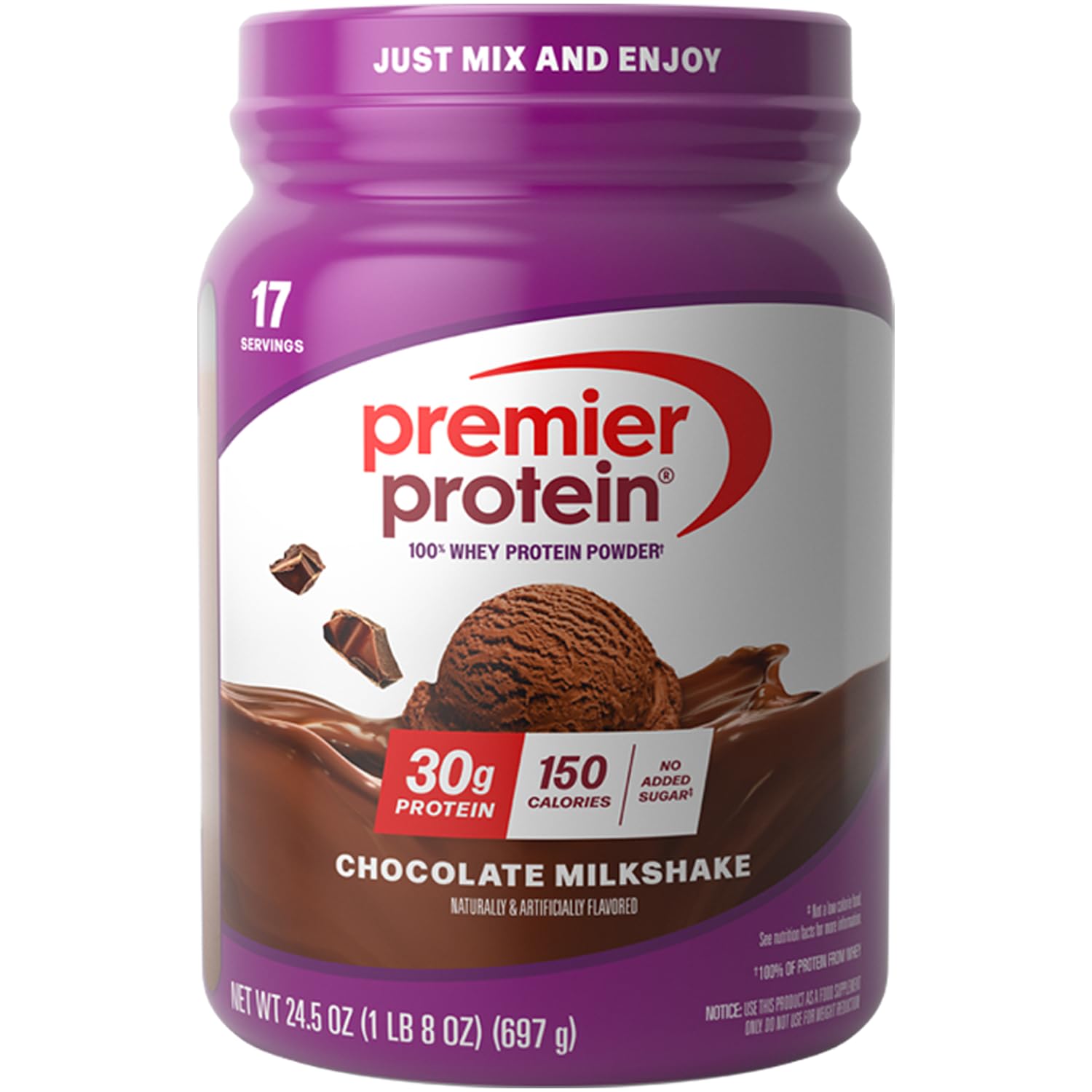
Premier puts the numbers we care about right on the front: 30g of protein, 3g of carbs, 1g of sugar, and 150 calories. That is the highest protein hit in this roundup with a printed carb count, which makes it the easy choice when you are trying to close a protein gap without spending many carbs. We reach for it on days when lunch was light and dinner is still hours away.

The texture is the trade-off. In water, it can turn lumpy if you just stir it, and the chocolate flavor is sweet enough that some tasters will want more liquid. We got the best result by putting the water in the shaker first, then adding the powder and shaking hard. It is not the smoothest powder here, but it is far from undrinkable, and the protein-to-carb ratio is hard to beat.

The container can look partly empty when it arrives, which is normal for powder that settles in transit; the serving count on the label is the number to trust. If you want the highest protein per scoop and do not mind a little shaker work, this is the one.

Pros

  • 30g protein per serving
  • Only 3g carbs and 1g sugar
  • 150 calories per serving

Cons

  • Only 17 servings per tub
Our verdict

We reach for Premier when we want the highest protein hit here with a printed 3g carb count, and we accept the smaller tub.

Check Latest Price
3

Best Zero-Carb

Isopure Zero Carb

89 /100
Trail Score Excellent

Key details

Form
Unflavored whey isolate
Sugar
0g
Carbs Per Serving
0g
Protein Per Serving
0.88 oz
Check Price on Amazon

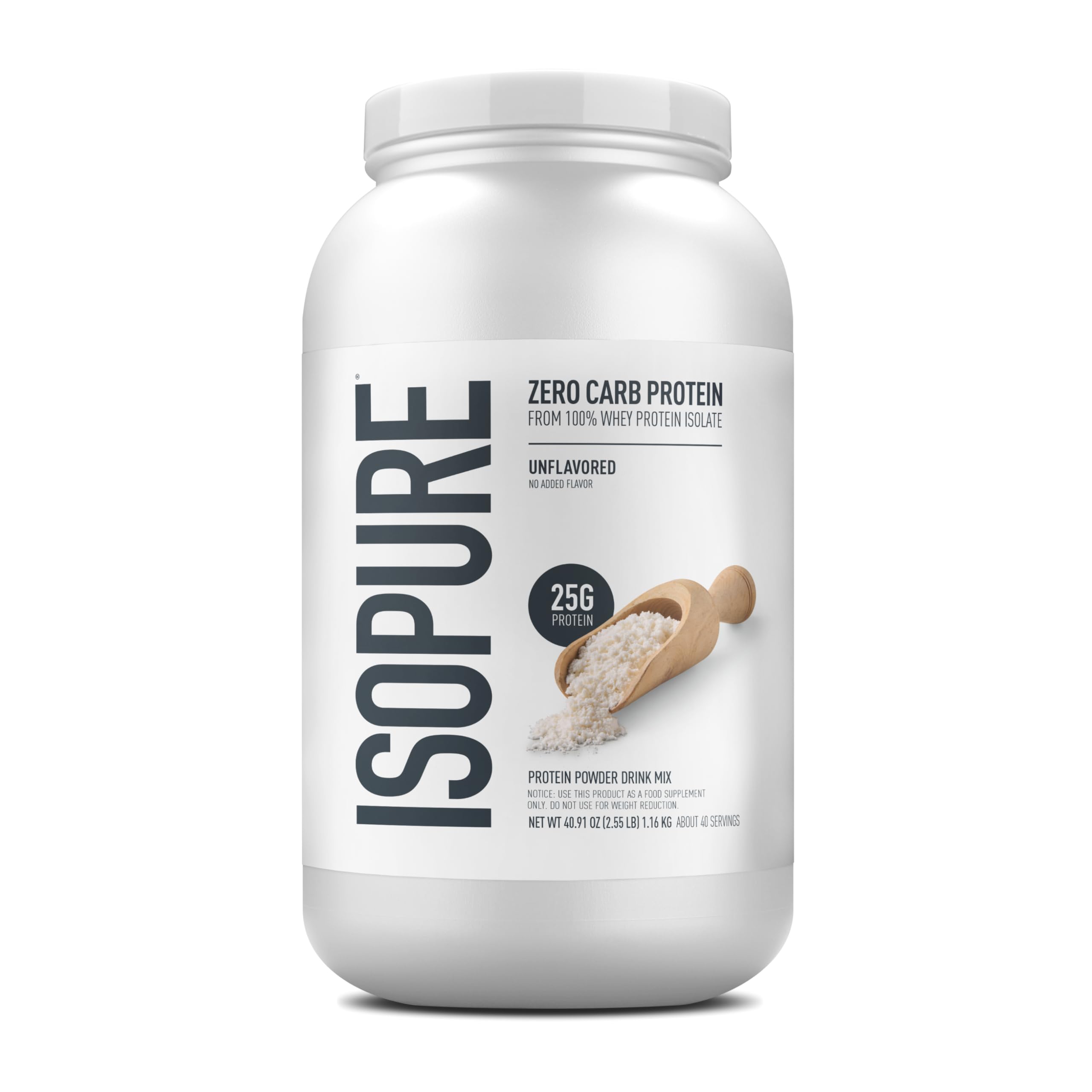
Zero carbs is the entire premise here, and Isopure delivers it without flavoring or sweetener. A serving brings 25g of protein, 5.5g of BCAAs, and 20 vitamins and minerals, which makes it more than a blank protein source. We like it for strict keto days and for recipes where a flavored powder fights the other ingredients.

Unflavored does not mean invisible in every liquid. In a cold smoothie or a shaker with almond milk, it disappears well enough. In hot coffee or broth, it can clump into little curds, so we mix it with a splash of cold liquid first and then add the hot liquid slowly. That extra step is the price of a powder that will not tilt the carb count.

This is a specialist, not a daily chocolate shake. For that, Ascent or Premier is easier to recommend. For a zero-carb, unflavored powder that lets you control everything else, Isopure earns its place.

Pros

  • Zero carbs and zero sugar
  • 25g protein per serving
  • Unflavored for coffee and recipes
  • Added vitamins and minerals

Cons

  • Premium price
Our verdict

We keep Isopure for strict keto and recipe use: zero carbs, zero sugar, and unflavored enough to disappear into what you are making.

Check Latest Price
4

Best Lean Isolate

Dymatize ISO100

91 /100
Trail Score Outstanding

Key details

Form
Whey isolate
Sugar
0.04 oz
Calories
Under 120
Protein Per Serving
0.88 oz
Check Price on Amazon

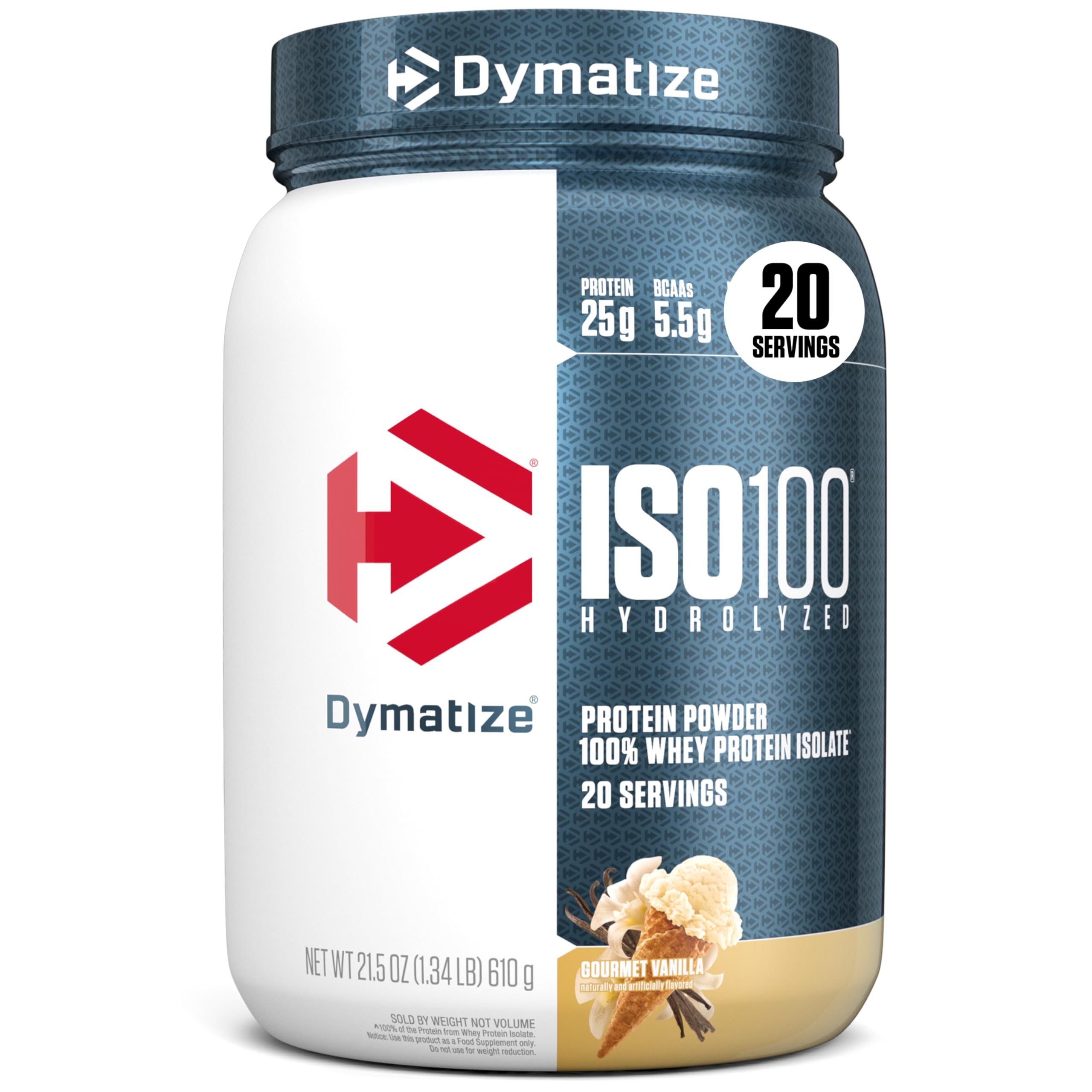
The label on ISO100 is lean: 25g of protein, 1g of sugar, 1g of fat, and under 120 calories, all from a hydrolyzed whey isolate. That is the profile we want when we are cutting and every calorie has to carry some protein. The gourmet vanilla has a soft, almost melted-ice-cream character, which is a nice change from powders that taste like a vitamin.

It mixes quickly in water, and the texture stays thin rather than chalky. We also appreciate that it does not sit heavily on the stomach; it is one of the gentler whey isolates here. If you are sensitive to concentrate, this is the form to try first, though anyone with a dairy allergy should stay away.

For a lean cut or a low-calorie shake, the macros are worth it; for a family-sized tub, look at Dymatize Elite instead. The vanilla is the flavor to start with if you plan to add fruit or coffee, because it stays in the background.

Pros

  • 25g protein with 1g sugar
  • Under 120 calories per serving
  • Mixes well and feels light

Cons

  • Tubs arrive partly full
  • Pricey for the scoop count
Our verdict

We like ISO100 for cutting days, when 25g protein, 1g sugar, and under 120 calories matter more than a thick shake.

Check Latest Price
5

Best Creamy Texture

BSN Syntha-6 Edge

94 /100
Trail Score Outstanding

Key details

Sugar
Low sugar
Servings
48
Protein Sources
Whey and casein matrix
Protein Per Serving
0.85 oz
Check Price on Amazon

Syntha-6 Edge is the one we reach for when a low-carb shake needs to taste like a dessert. The texture is thick and creamy, closer to a milkshake than a watery protein drink, and it gets there with low sugar rather than a heavy carb load. A serving supplies 24g of protein from a matrix of whey concentrate, isolate, hydrolyzed whey, casein, and milk protein concentrate.

That matrix is why the shake feels so smooth, and it also explains why it is not a pure isolate. If you want the fastest possible post-workout absorption, ISO100 is the leaner choice. If you want something that feels like a treat and still fits a low-carb day, this is the one we pick. It mixes well in water or milk, and the chocolate flavor is the standout.

The 48-serving tub is a decent value for the texture, though it takes up real shelf space. We like it as an evening shake or a weekend treat, not as the only protein powder in the house.

Pros

  • 24g protein with low sugar
  • Milkshake-thick texture
  • Mixes well in water or milk
  • 48 servings per tub

Cons

  • Contains casein and milk
Our verdict

We choose Syntha-6 Edge when a low-sugar shake needs to feel like a treat, and the 24g protein matrix keeps it useful.

Check Latest Price
6

High-Volume Training

Dymatize Elite Whey

93 /100
Trail Score Outstanding

Key details

BCAAs
0.19 oz
Servings
63
Tub Size
5 lb
Protein Per Serving
0.88 oz
Check Price on Amazon

A 63-serving tub is the reason Dymatize Elite is in this guide. Each scoop brings 25g of protein and 5.5g of BCAAs, and the rich chocolate flavor is sweet enough to keep a daily shake from feeling like a chore. If you go through protein quickly, the bulk format is the practical choice.

It mixes well for most of us, though water is less forgiving than milk and a lazy stir can leave a few clumps. We use a shaker with a wire whisk and get a smooth, medium-thick shake. The texture is not as creamy as Syntha-6 Edge, but it is not chalky either.

The catch is that this is not marketed as a low-carb formula, and the carb count is not front and center. If you are strict keto, read the panel before you commit; Premier and Isopure are the safer labels. For a high-volume whey that tastes good and brings 25g per scoop, the bulk tub earns its place.

Pros

  • 25g protein and 5.5g BCAAs
  • 63 servings per tub
  • Mixes well for most

Cons

  • Large upfront tub
Our verdict

We recommend Dymatize Elite for high-volume shoppers who want 63 servings and 25g protein, provided they check the carb panel.

Check Latest Price
7

Classic Flavor

ON Gold Standard Whey

95 /100
Trail Score Outstanding

Key details

EAAs
0.39 oz
BCAAs
0.19 oz
Tub Size
2 lb
Protein Per Serving
0.85 oz
Check Price on Amazon

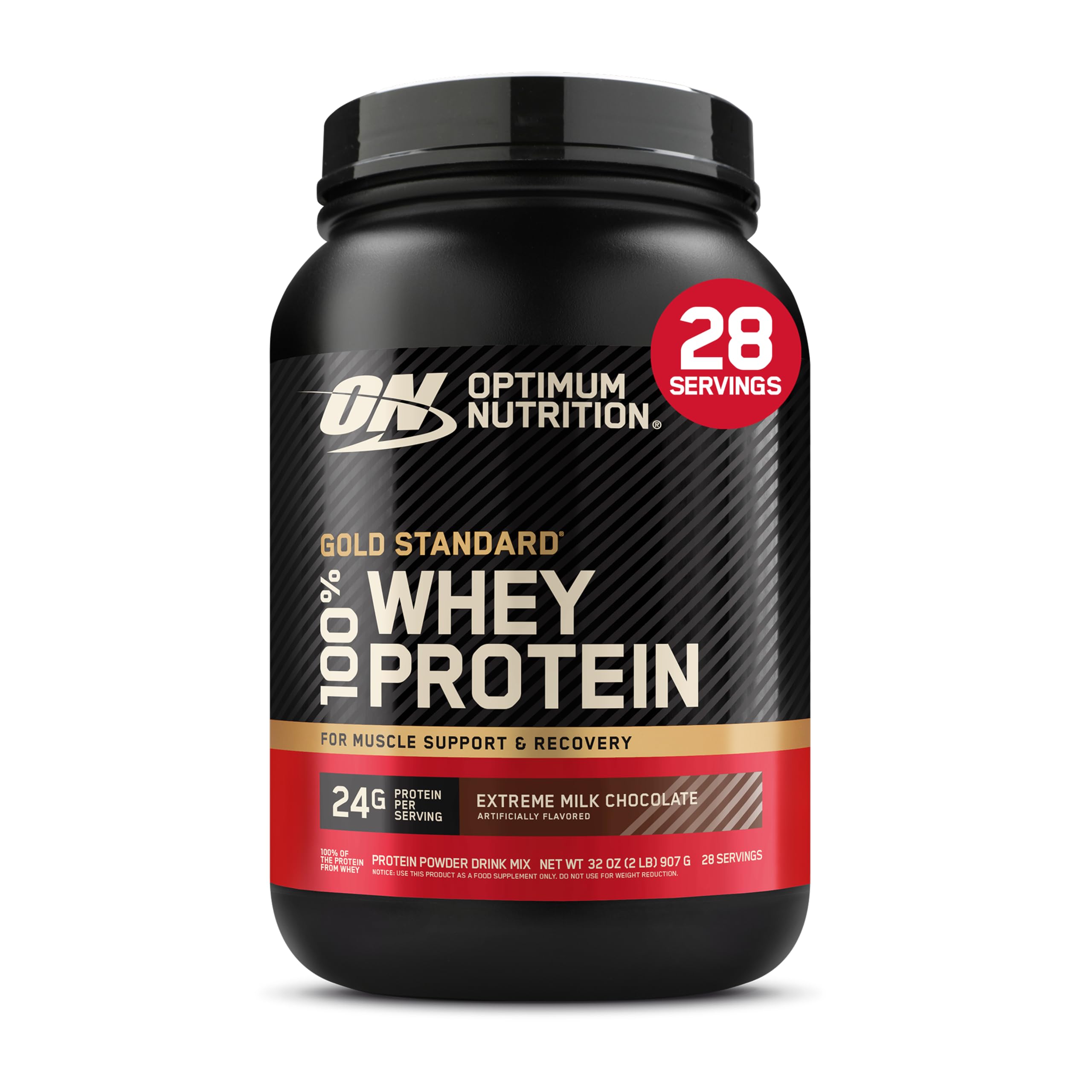
Gold Standard is the familiar chocolate whey that got here on flavor and mixability, not on a low-carb claim. A scoop has 24g of protein, 5.5g of BCAAs, and 11g of EAAs, and it mixes into water or milk with almost no effort. The extreme milk chocolate flavor is the crowd-pleaser, sweet and chocolatey without a chemical aftertaste.

We wish the label led with the carb count, because this is a low-carb guide and the front of the tub does not make that number easy to find. That is not a dealbreaker, but it means you need to read the panel before you buy. If you are strict keto, Premier and Isopure are the easier labels.

The 2 lb tub is a manageable size for a first purchase, and the value is solid for a whey that mixes this easily. We keep it around for days when we want a chocolate shake without thinking too hard. It is a good all-rounder, just not the first bag we hand someone who is counting carbs to the gram.

That is the role it plays here: a dependable flavor pick with a caveat, not the low-carb default. If you already know Gold Standard works for you, it is an easy rebuy; if this is your first low-carb powder, start with Ascent or Premier.

Pros

  • 24g protein and 5.5g BCAAs
  • Mixes easily with water or milk
  • Classic chocolate flavor

Cons

  • Digestibility varies
Our verdict

We still recommend Gold Standard for its familiar chocolate flavor and easy mixing, but it is not the low-carb label to grab first.

Check Latest Price

How We Tested Low-Carb Protein Powders

We started by pulling together every low-carb powder we could find that listed 15 grams of net carbs or fewer and at least 20 grams of protein per serving, then narrowed the field by price per serving, protein source, and whether the ingredient label was clear enough to trust. That left 16 powders, which we used over three months.

Each one went into a shaker with water after a morning workout, a blender with unsweetened almond milk at my desk, and a microwave protein mug cake on weekends. We shook for 10 seconds with a metal whisk ball and poured the shake through a fine strainer to see what stayed behind, then noted whether the texture was smooth, gritty, or foamy. We sipped every powder plain and flavored, scoring taste and aftertaste, and kept track of which tubs we actually looked forward to finishing.

We also weighed each scoop on a kitchen scale to see whether the label’s serving count held up, calculated cost per 20 grams of protein, and compared stated protein content with the scoop size. Digestibility got its own log: how each powder sat over the next few hours, whether it caused bloating, and how hunger held up between meals and the next morning after a workout. We noted whether tubs, scoops, and seals were recyclable or destined for landfill, and gave extra credit to powders with a clearly disclosed protein source and third-party testing.

How to Choose a Low-Carb Protein Powder

Read the Carb Line, Not the Front Label

Added sugar is not the same as total carbs, and a powder can be low in sugar while still carrying starch or maltodextrin. Look for total carbohydrates per serving first, then check whether the serving is one scoop or two. A product that advertises 30g of protein may need two scoops to get there, which doubles the carbs with it.

Premier is the clearest example here because it prints 3g of carbs and 1g of sugar for a 30g protein serving. Isopure goes further with 0g carbs. If a label only gives you sugar, treat the total carb number as something to verify before you buy.

Match the Protein Dose to Your Day

Most low-carb powders land between 20g and 30g of protein per serving, and that range covers two different jobs. A 25g scoop is a good snack or post-workout shake; a 30g scoop is more useful when you are trying to bridge a meal. Going higher than that is not automatically better if it comes with a larger scoop and more calories.

We keep Ascent and ISO100 in the 25g camp for everyday use, and reach for Premier when we need the extra 5g. Check the calories alongside the protein, because a 150-calorie shake and a 120-calorie shake fit different daily budgets.

Choose the Form for Your Gut and Your Glass

Whey isolate is filtered to leave more protein and fewer carbs and fats than concentrate, which is why it dominates the lean end of this group. A blend with casein, like Syntha-6 Edge, feels thicker and slower, which can be pleasant in the evening but less useful when you want a fast post-workout shake. Plant blends can work, but check the carb line because pea, rice, and superfood additions can add grams quickly.

If you drink your powder in water, prioritize mixability. If you bake or add it to recipes, an unflavored isolate like Isopure gives you more control, provided you mix it cold first.

Sweat the Sweetener and the Serving Count

Low-carb powders often use stevia, monk fruit, allulose, or sugar alcohols to keep sugar down, and the sweetener can decide whether you finish the tub. Stevia can read bitter to some; monk fruit and allulose tend to taste rounder. If you are sensitive, start with a smaller tub or an unflavored powder you can sweeten yourself.

Serving count matters as much as scoop size. A 2 lb bag with a 25g scoop and a 5 lb tub with 63 servings are different commitments, and the larger format only saves money if you actually use it. Compare the stated servings, not the size of the container.

Frequently Asked Questions

Final Verdict

Ascent is the powder we recommend first for most low-carb shoppers: 25g of protein, 0g added sugar, and a texture that does not turn gritty in water. It is not the cheapest pick here, and the label asks you to check the total carb panel, but it is the one we reach for when we want a daily shake that tastes good and mixes clean.

Premier is the better choice if you want 30g of protein and a printed 3g carb count, while Isopure is the one for strict keto and unflavored recipes.