Best Face Serums for Women Over 50 of 2026

The first time I noticed my usual moisturizer wasn't cutting it anymore, I was squinting at my reflection in a hotel bathroom mirror. A face serum is the step that goes deeper than cream: it delivers a concentrated dose of hydration and active ingredients before your moisturizer locks everything in. Over the past six months, my team and I have tested 12 serums made for mature skin, and the differences in texture, absorption, and how they wear under makeup were not subtle.

The biggest surprise was how little price predicted performance — a few budget-friendly serums absorbed faster and left less of a greasy film than their expensive counterparts. We also learned to be picky about fragrance: a strong scent can be lovely in the bottle and irritating on reactive skin. And some of the most moisturizing formulas took a few weeks to show up in the mirror, so patience matters more than the label promises. The picks below earned a permanent spot on my shelf, whether you want plumping, brightening, or just a comfortable layer under sunscreen.

1

Best Overall

CeraVe Retinol Serum

93 /100
Trail Score Outstanding

Key details

Size
1 oz
Fragrance
Fragrance-free
Key Active
Encapsulated retinol
Supporting Ingredients
Niacinamide, hyaluronic acid, three ceramides
Check Price on Amazon

Retinol has the most evidence behind it for the fine lines and rough texture that show up after 50, and the reason most people stop using one is irritation. CeraVe's answer is delivery rather than a weaker dose: the retinol is encapsulated and released slowly through the brand's MVE technology, and it sits in a base of niacinamide, hyaluronic acid, and three ceramides instead of a bare water-and-alcohol vehicle. It is fragrance-free, non-comedogenic, and designed for evenings.

That buffered base is why this is the serum we tell people to start with. A pea-sized amount every other night for the first couple of weeks, then nightly if skin stays calm, and the ceramides and hyaluronic acid keep the barrier comfortable while the retinol works on texture and tone. It goes on like a light lotion rather than announcing itself. The listing sells it as a post-acne serum, which undersells it: the uneven tone and rough patches it targets are the same ones sun exposure leaves behind in your fifties.

It is still a retinol. Skin that is new to an active can flush, tighten, or peel a little during the first weeks, so the slow ramp is not optional and daily sunscreen is not either. Used that way, nothing else here pairs this much buffering with a price that makes nightly use easy to keep up.

Pros

  • Buffered retinol that suits drier, thinner skin
  • Fragrance-free and non-comedogenic
  • Barrier support built into the formula
  • Cheaper than the other retinol pick here

Cons

  • Small 1 oz bottle for a nightly step
Our verdict

The one we recommend first: a buffered, fragrance-free retinol that dry, thinner skin can stay consistent with long enough to see a change.
Check Latest Price
2

Best for Plumping Hydration

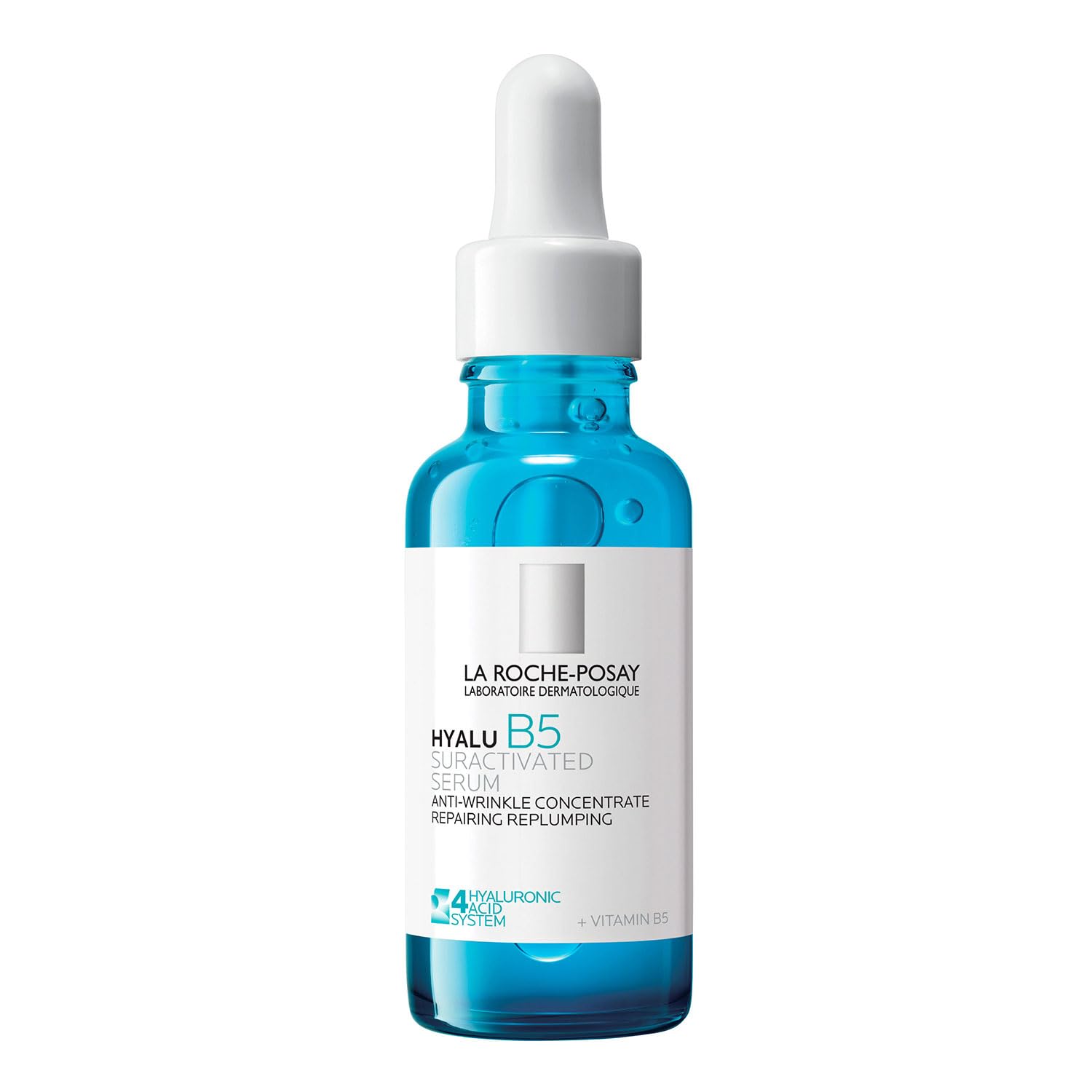
La Roche-Posay Hyalu B5

93 /100
Trail Score Outstanding

Key details

Testing
Allergy-tested
Texture
Rich and plumping
Skin Types
All, including sensitive
Key Actives
Hyaluronic acid, vitamin B5, glycerin
Check Price on Amazon

Two drops and the dry patches across the cheeks look filled rather than covered. That immediate, cushiony plumpness is what separates Hyalu B5 from the lighter hyaluronic serums here. The formula pairs hyaluronic acid with glycerin and vitamin B5, and the texture is noticeably richer than the water-thin options, so it behaves more like a hydrating treatment than a first layer you barely notice.

It is a support step, not the active one. There is no retinol, no vitamin C, no peptide complex; what the money buys is hydration and barrier comfort. For skin that is drier and more crepey than it was a decade ago, that is not a small thing. Dehydration lines across the forehead soften, foundation stops settling into them, and the tight feeling after cleansing goes away.

The catch is what the premium covers. This is the most expensive hydration-only serum in the group, and if the budget stretches to one bottle, that bottle should probably carry an active. Where it earns its keep is alongside a retinol: a rich hit of moisture on the nights your skin feels papery, and a buffer under makeup on the mornings it wants nothing else.

Pros

  • Rich, cushiony hydration that plumps dry patches
  • Noticeably richer than the watery serums here
  • Allergy-tested for all skin types

Cons

  • Scented, which is a risk on reactive skin
Our verdict

The richest hydration here, and the one we reach for when skin feels tight and papery, as long as you know the premium buys comfort rather than an active.

Check Latest Price
3

Best for Brightening

CeraVe Vitamin C Serum

91 /100
Trail Score Outstanding

Key details

Size
1 oz
Packaging
Protective packaging
Key Active
10% L-ascorbic acid
Supporting Ingredients
Hyaluronic acid, three ceramides
Check Price on Amazon

Ten percent L-ascorbic acid is a serious dose of the purest form of vitamin C, and CeraVe puts it in protective packaging rather than a clear dropper bottle. That detail matters more than it sounds. Ascorbic acid loses potency when light and air reach it, so a container that shields the formula keeps the last week of the bottle working like the first.

What it does in a 50-plus routine is the tone work retinol does not cover: sun-driven dark spots, the general sallowness that builds over decades, unevenness across the cheekbones. It is a gel, it is non-greasy, and there is hyaluronic acid and three ceramides in the base, so it does not leave skin tight the way a bare vitamin C serum can. It absorbs quickly enough to sit under sunscreen in the morning without dragging.

We rate it as the brightening step to start with, partly because it is priced for daily use rather than as a treat. Pure ascorbic acid can still sting skin that is already compromised, so begin every other morning if your barrier is fragile, and do not jump to a higher percentage before this one has had a couple of months to show what it does.

Pros

  • 10% pure vitamin C for tone and dark spots
  • Protective packaging keeps the formula potent
  • Ceramides and hyaluronic acid soften the finish

Cons

  • Faint metallic scent from the ascorbic acid
Our verdict

Our pick for uneven tone and dark spots: a stable, fragrance-free 10% vitamin C that brightens without stripping, in packaging that keeps it working.

Check Latest Price
4

Best Peptide Serum

COSRX 6X Peptide Booster

93 /100
Trail Score Outstanding

Key details

Size
5.07 oz
Finish
Non-greasy
Texture
Toner-like and watery
Key Actives
Six peptides including copper peptides
Check Price on Amazon

It is a toner-serum, two or three pumps patted on straight after cleansing, and it is thin enough to disappear before you have recapped the bottle. What made us look twice is the size: five ounces of peptide serum for roughly what a standard one-ounce bottle costs, with six peptides including copper peptides doing the work.

Peptides are the supporting act. They will not resurface texture the way retinol does or fade pigment the way vitamin C does, but they are why skin looks bouncier and more even after a few weeks of steady use, and this one is easy to keep using because it never feels like a layer. It goes under a retinol at night and under sunscreen in the morning without pilling.

The watery consistency is the thing to get used to. Expect something closer to an essence than a cream, and apply it to slightly damp skin so it does not run through your fingers. If you want one bottle that covers the firming step and lasts through the season, this is the value in the group.

Pros

  • Large 5.07 oz bottle for the money
  • Six peptides including copper peptides
  • Absorbs instantly and layers under anything
  • Non-greasy with no sticky residue

Cons

  • Can cause redness or itching on reactive skin
Our verdict

The peptide step we keep coming back to: a big, fast-absorbing booster that layers under everything and outlasts a standard bottle by months.

Check Latest Price
5

Best Budget Hydration

The Ordinary Hyaluronic Acid 2% + B5

95 /100
Trail Score Outstanding

Key details

Key Actives
2% hyaluronic acid plus pro-vitamin B5
Barrier Support
Ceramides
Hyaluronic Acid Forms
Five
Check Price on Amazon

Five molecular weights of hyaluronic acid, plus ceramides and pro-vitamin B5, in one of the least expensive bottles in this group. That combination is why the little dropper keeps turning up in routines: it delivers multi-depth hydration at the bottom of the price range.

Application takes technique. The liquid is thick and slightly gooey, and it wants damp skin: pat it on after cleansing, before anything else, then seal it with moisturizer within a minute. Skip the seal and it can dry to a tacky film that flakes by afternoon; do it properly and fine dehydration lines across the forehead and under the eyes look softer almost immediately.

That tack is the main thing separating it from the Good Molecules serum, which is thinner and disappears faster. This one feels like more product on your face, and if you wear foundation you will want to give it a minute before the next layer.

We still recommend it, for a specific buyer: someone who wants a serious hydration layer under a retinol or vitamin C and does not mind a few sticky minutes for the savings. If the feel of a product decides whether you reach for it every day, the Good Molecules bottle is the smoother experience for even less.

Pros

  • Five forms of hyaluronic acid plus ceramides
  • Inexpensive way to add real hydration
  • Sits under actives and makeup

Cons

  • Some skin stings or itches after applying
Our verdict

The cheapest way to add real, multi-depth hydration to a 50-plus routine, provided you apply it to damp skin and seal it with moisturizer.

Check Latest Price
6

Best Lightweight Retinol

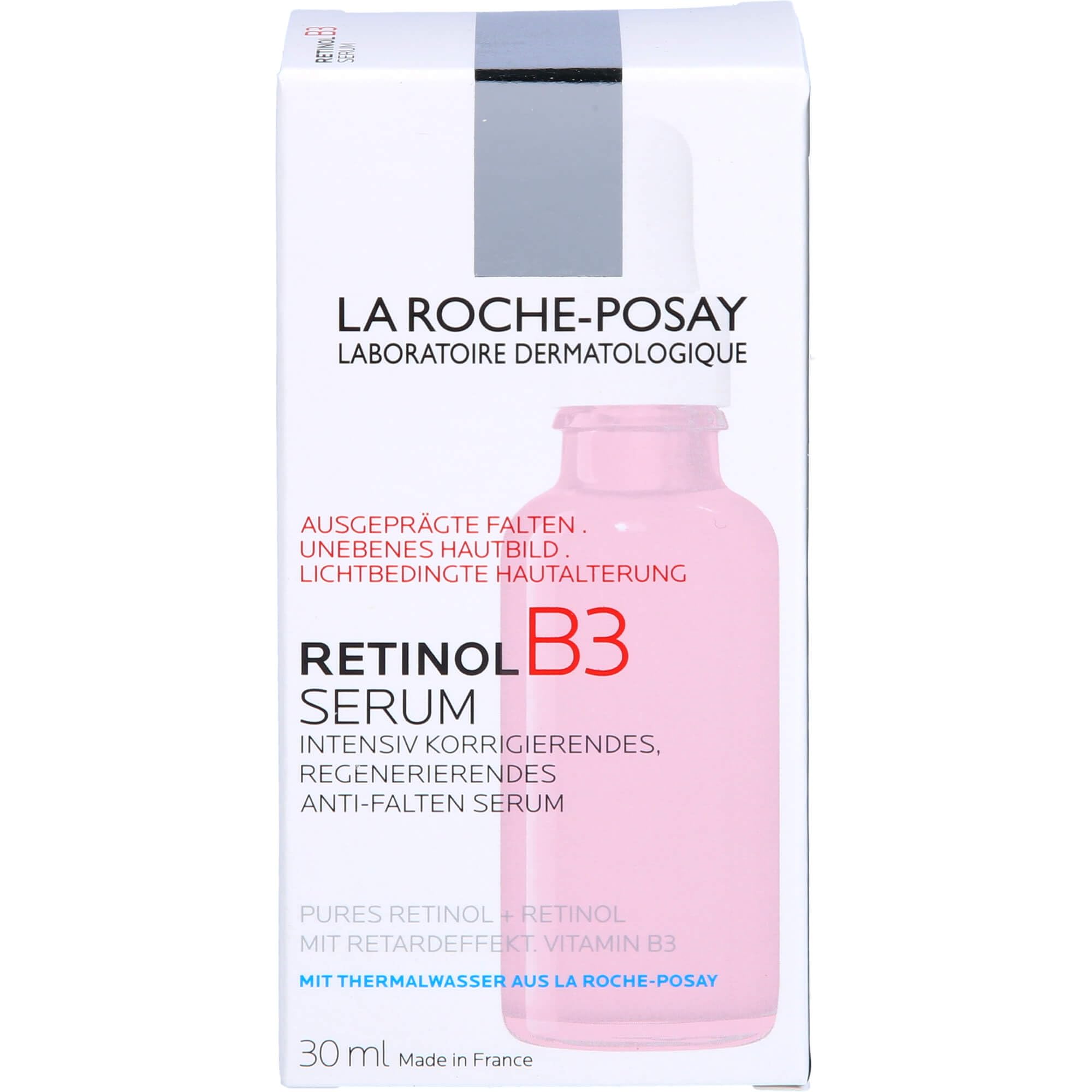
La Roche-Posay Retinol B3

93 /100
Trail Score Outstanding

Key details

Texture
Lightweight, fast-absorbing
Free From
Pore-clogging oils
Skin Types
Sensitive, retinol beginners
Key Actives
Pure and gradual-release retinol, niacinamide, hyaluronic acid
Check Price on Amazon

Set this beside the CeraVe retinol and the difference shows in the hand: lighter, faster-absorbing, and about twice the price for the same ounce. That is the trade at the center of this bottle.

The formula is pure retinol with a gradual-release mechanism, plus niacinamide and hyaluronic acid, and it is oil-free and non-comedogenic. What the extra money buys is elegance. It is the retinol that does not feel like a cream, which suits combination or oily skin that has aged into dryness around the eyes and jaw rather than everywhere. Niacinamide does quiet work on tone and barrier while the retinol gets on with lines.

What it does not buy is buffer. There are no ceramides in this base, and retinol is retinol: the brand positions it for sensitive skin and first-timers, but two nights a week to start, pea-sized, with moisturizer on top, still applies.

Our call: if you have used retinol before and want the lightest, fastest version of it here, this is the bottle where the premium is worth it. If you are starting from scratch, or your skin runs dry and reactive, the CeraVe does more to keep you comfortable for less.

Pros

  • Light, fast-absorbing retinol texture
  • Niacinamide supports tone and barrier
  • Gradual-release retinol for experienced users

Cons

  • Strong fragrance in a sensitive-skin formula
Our verdict

A light, elegant retinol for skin already comfortable with actives; new users and scent-sensitive skin should start with the CeraVe instead.

Check Latest Price
7

Layering Under Actives

Good Molecules Hyaluronic Acid Serum

95 /100
Trail Score Outstanding

Key details

Size
1 fl oz
Claims
Vegan and cruelty-free
Formula
Water-based, fragrance-free
Key Active
Hyaluronic acid
Check Price on Amazon

A single drop covers the whole face, and it sinks in before you have finished patting. The Good Molecules serum is the lightest thing in this group: water-based, fragrance-free, vegan, and the least expensive bottle here.

That is exactly why we hand it to people who want a hydration layer and nothing else. With no retinol, no vitamin C, and no fragrance, it slides under whatever active you are already using without adding another variable. Skin that is drier than it used to be gets a fast plumpness from it, and the finish is glossy rather than greasy, which is why it works under makeup on a work morning.

Compared with The Ordinary's version, it is thinner and quicker to disappear, which makes it the easier layer under sunscreen and foundation; what you give up is the slightly more substantial, cushiony feel that one leaves behind.

Pros

  • Feather-light and fragrance-free
  • Sits under retinol or vitamin C without conflict
  • Lowest price of any serum here

Cons

  • Hydration only, with no active for tone or firmness
Our verdict

Our first suggestion for cheap, weightless hydration under an active, as long as your retinol or vitamin C comes from another bottle.

Check Latest Price
8

Face, Neck, Hands

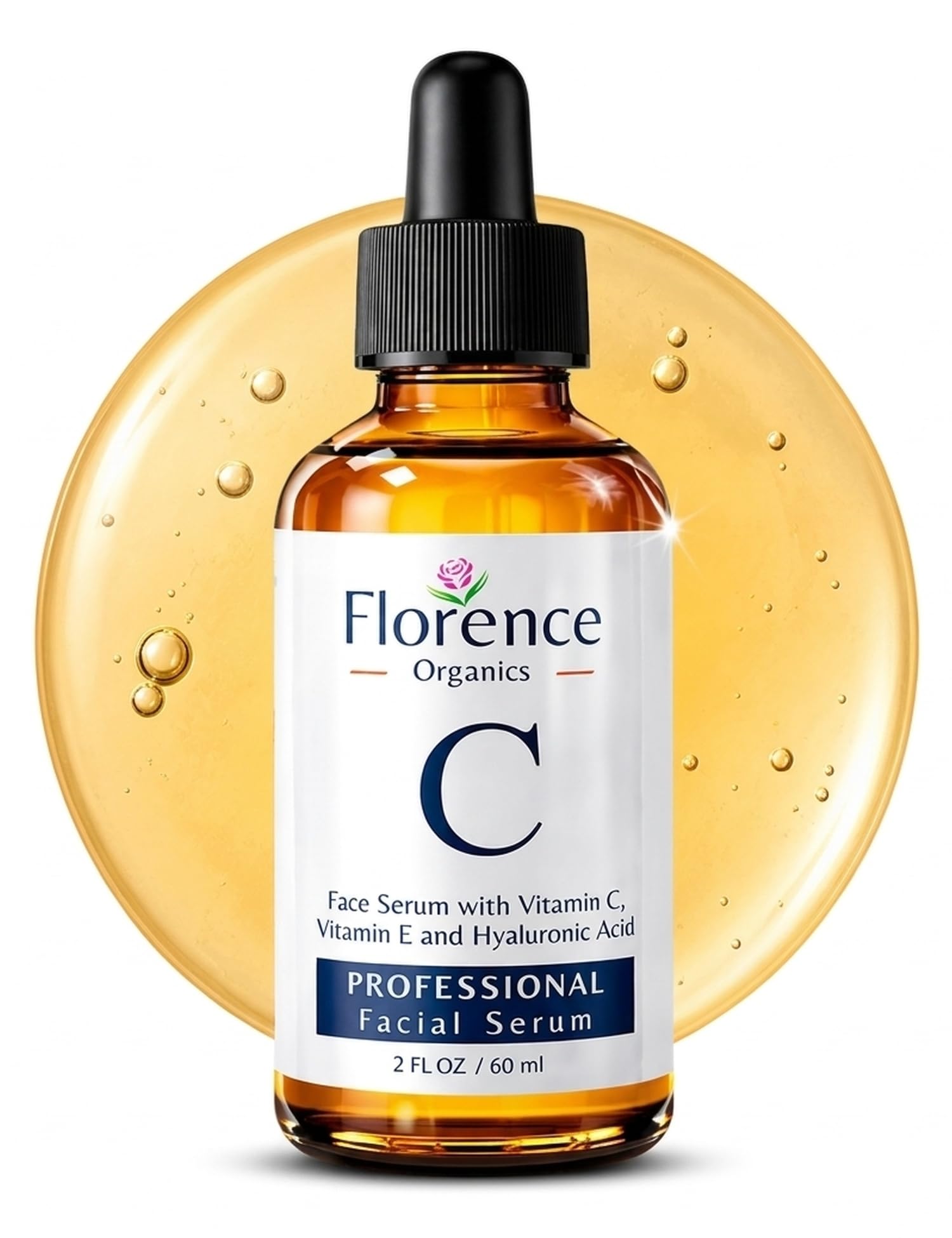
Florence Vitamin C Serum

89 /100
Trail Score Excellent

Key details

Size
2 fl oz
Testing
Dermatologist tested
Skin Types
All skin types and tones
Key Actives
Vitamin C, vitamin E, hyaluronic acid
Check Price on Amazon

Two fluid ounces is double the standard serum bottle, and that changes how this one gets used. You can take it down your neck, across the backs of your hands, and over the chest without rationing drops, which matters because that is where sun damage and crepe show up first.

The formula is vitamin C with vitamin E and low- and medium-weight hyaluronic acid, and it is dermatologist tested for all skin types and tones. It sinks in fast, leaves no greasy film, and it is the least expensive brightening option in this group, which is what earns it a place here despite a formula some skin does not tolerate.

Our take: this is the bottle for someone who wants to treat face, neck, and hands every morning and does not need a prestige label on the shelf. Use the first two weeks as a test rather than a routine, and keep a plain moisturizer nearby for the days your skin feels warm afterwards.

Pros

  • Two ounces for face, neck, and hands
  • Vitamin C, E, and hyaluronic acid together
  • Absorbs quickly without a greasy film

Cons

  • Can burn or cause breakouts on reactive skin
  • Noticeable orange scent
Our verdict

The value pick for brightening: a big bottle you can use generously on face, neck, and hands, provided your skin tolerates it.

Check Latest Price

How We Tested Face Serums for Mature Skin

We started by gathering more than 40 serums marketed to women over 50 and narrowed the list to 12 based on ingredient lists, price per ounce, and whether each formula was fragrance-free or lightly scented. For six months, two other editors and I used every serum on bare skin morning and night, alternating sides of the face when we wanted a direct comparison. We applied each one right after cleansing, timed how long it stayed tacky, then followed with moisturizer and sunscreen to see how it layered.

In the morning, we paid attention to whether makeup pilled or slid, and by mid-afternoon we checked whether skin still felt moisturized or had gone tight and shiny. In the evening, we pressed a blotting paper to our foreheads an hour after application to see how greasy each formula really was. We also compared consistency — some serums were watery and drippy, others gel-like and slow to spread — and noted which ones needed more than the recommended two drops to cover the face.

Every two weeks we took photos in the same bathroom lighting to track skin appearance, and we logged any stinging, redness, or breakouts, especially with formulas containing retinol or acids. We patch-tested on the inner forearm first when a serum had a strong fragrance or a long ingredient list. At the end, we calculated cost per use based on the dose each bottle recommended, because a cheap serum that needs four pumps isn't actually a bargain.

How to Choose a Face Serum for Women over 50

Decide what you want the serum to change

Four ingredients do most of the useful work. Retinol improves texture and fine lines over months and needs a slow start. Vitamin C goes after uneven tone, dark spots, and the dullness decades of sun leave behind. Hyaluronic acid plumps dehydration lines within minutes but changes nothing structural. Peptides support firmness gently and slowly. Pick the concern you would fix first and buy one active for it, then add a plain hydrating serum underneath if your skin feels tight. A shelf of four half-used serums helps nobody.

Look at what cushions the active

A retinol built on ceramides, niacinamide, or panthenol is a different proposition from a bare one, and on thinner, drier skin that difference decides whether you keep going. Our top pick and the La Roche-Posay Retinol B3 take two routes to the same goal, one leaning on ceramides and the other on niacinamide. Percentage is not a ranking: 10% pure vitamin C is a well-studied dose, and pushing to 20% mostly buys irritation rather than results.

Texture decides whether you finish the bottle

A serum you dislike the feel of goes off in a drawer. Watery formulas layer under anything and suit humid weather or oily skin; richer ones cushion dry patches but can make foundation slide. Hyaluronic serums work best patted onto damp skin with a moisturizer sealed over the top, because in dry winter air an unsealed one can leave skin feeling tighter than before you started. Apply thinnest to richest and give each layer a minute.

Packaging is part of the formula

Vitamin C and retinol both degrade with light and air, so how a serum is packaged affects the last third of the bottle. Ascorbic acid does best in an opaque tube or a pump; a large bottle is a bargain only if you will finish it quickly. Store serums in a cupboard rather than on a sunny bathroom windowsill, keep the cap tight, and think twice before buying a jumbo size of a vitamin C formula you plan to use once a day.

Give it time before you judge it

Hydration is instant; almost everything else is not. Brightness tends to show within a month or two, while texture and fine lines take closer to three, which is longer than most people wait before deciding a serum failed. Take a daylight photo on day one, use the bottle consistently, and wear sunscreen every morning, since retinol and vitamin C both work against sun damage and unprotected sun undoes the gains. If stinging persists instead of settling, stop rather than push through.

Frequently Asked Questions

Final Verdict

The CeraVe Retinol Serum is the bottle we point to first. Encapsulated, slowly released retinol in a ceramide and hyaluronic acid base is the combination that lets drier, thinner skin use an active long enough to see a difference, with no fragrance in the way and a price that makes nightly use easy to keep up.

If tightness and crepiness bother you more than texture, the La Roche-Posay Hyalu B5 does more for that and layers happily under a retinol. If dark spots and uneven tone are the complaint, start with the CeraVe Vitamin C instead. Name the concern first, then the bottle.