Best Electric Toothbrushes of 2026

An electric toothbrush is one of those purchases that sounds simple until you're standing in the aisle comparing oscillation counts and brush-head shapes. What you're really after is a cleaner mouth with less guesswork—something that reaches the back molars, eases off when you press too hard, and still has juice when you're rushing out the door on a Tuesday morning. A manual brush can do the job, but it won't tell you when two minutes are up or whether you've been scrubbing the same spot for 40 seconds.

Over the past six months, I've lived with 14 electric toothbrushes, rotating them through my own bathroom and handing them to family members with different gum sensitivity and brushing habits. The ones that stuck around got there by cleaning thoroughly without rattling my fillings, holding a charge through a week of normal use, and feeling worth the money. One thing I learned quickly: more settings don't automatically mean a better brush—most people use one or two modes and ignore the rest. The picks below are the brushes that survived the rotation and kept my mouth feeling clean.

1

Best Overall

Aquasonic Black Series

91 /100
Trail Score Outstanding

Key details

Modes
4 with smart timer
Charging
Wireless charging base
In The Box
8 brush heads, travel case
Cleaning Action
40,000 VPM ultrasonic
Check Price on Amazon

Eight brush heads and a travel case come in the box — more than any other brush here supplies — and that changes the arithmetic of owning one. The handle runs at 40,000 vibrations per minute, carries the ADA Seal of Acceptance, and sits on a wireless charging base with no exposed contacts to crust over beside a wet sink. Four modes cover an everyday clean, a gentler pass, a polish, and a gum massage, and a smart timer keeps you honest about the two minutes.

For most people this is the brush we recommend first. The clean holds up against handles costing considerably more, the base is a small disc rather than a cradle you have to rinse out, and the head supply means your next purchase is toothpaste rather than refills. The vibration is genuinely strong — the tickle on the lip takes a few days to settle — so start in the gentler mode and work up; that adjustment is the whole price of the extra power.

Where it gives ground is adjustability. Four modes and no intensity dial means the gentle setting is the only lever you have if your gums turn tender, and a brush with a pressure sensor is the better answer for that. For everyone else, this is the simplest way to get a genuinely good clean without paying for a feature list you'll never scroll through.

Pros

  • Eight heads and a travel case included
  • ADA Seal of Acceptance
  • 40,000 VPM cleaning with four modes
  • Wireless base with no exposed contacts

Cons

  • Handles that quit within the first year
Our verdict

Our default recommendation: an ADA-accepted clean, eight heads, and a travel case in one mid-range box, which is the best value story in this group.
Check Latest Price
2

Best for Sensitive Gums

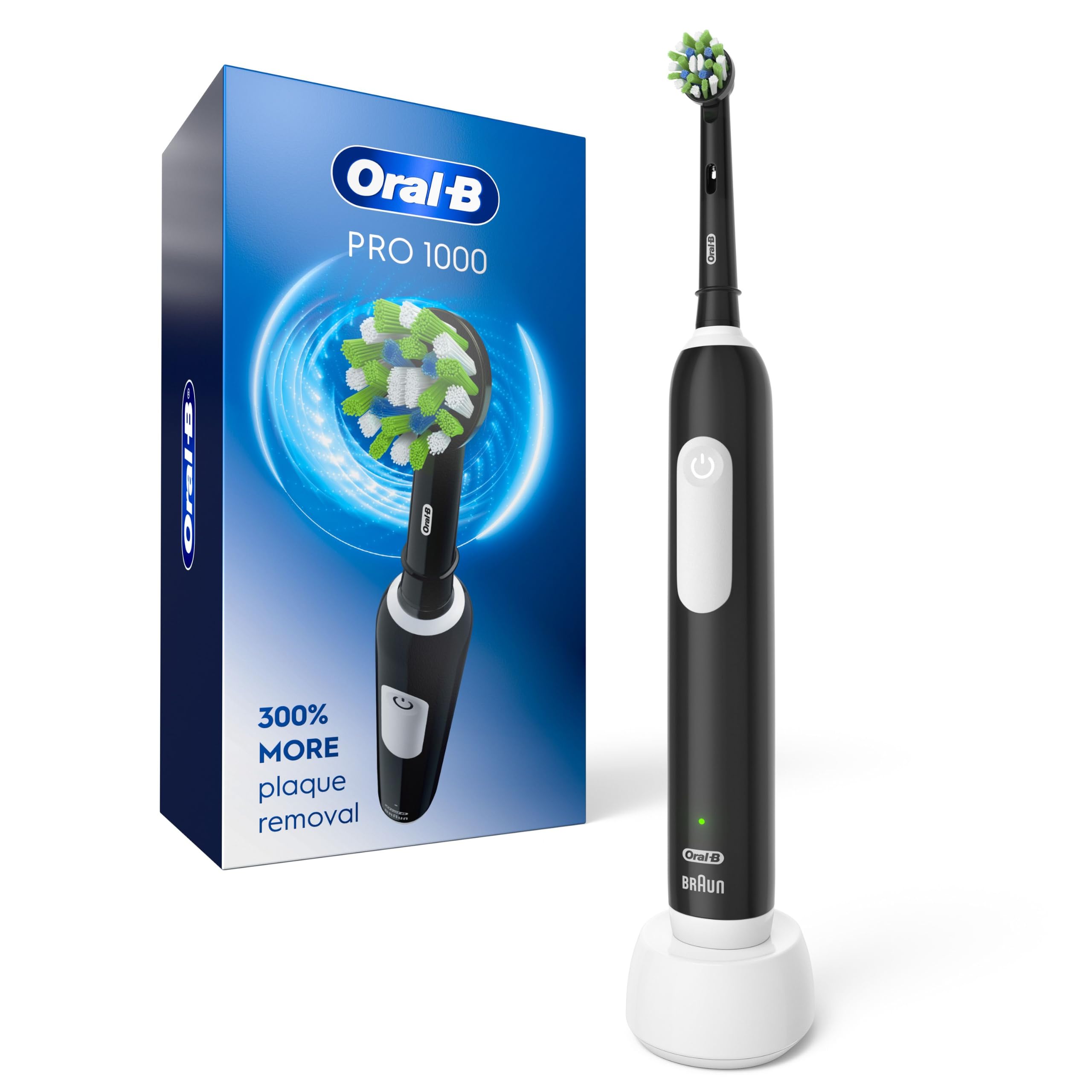
Oral-B Pro 1000

91 /100
Trail Score Outstanding

Key details

Modes
3
Timer
30-second quadrant pacer
Gum Protection
Pressure control stops pulsations
Cleaning Action
Oscillating-rotating, round head
Check Price on Amazon

A round head that oscillates, rotates, and pulsates feels nothing like a sonic brush: it cups each tooth and works the gumline instead of buzzing fluid between them. Paired with the gum pressure control, which stops the pulsations the moment you press too hard, that makes this the brush we hand a heavy-handed brusher or anyone whose dentist has mentioned bleeding gums. The feedback is immediate, and it is the feature that changes a habit rather than decorating a box.

Three modes and a quadrant timer that pulses every 30 seconds keep the routine simple — no app, no pairing, nothing to set up. The button is the annoyance: switching off means clicking through the modes, and it takes a few days before your thumb stops overshooting the one you want.

Charging is the part to insure. A handle that stops accepting a charge is the failure that ends this brush, so buy it somewhere returns are simple and keep the receipt. In exchange you get a deep bench of head styles — deep clean, gentle, whitening — which matters if your dentist has asked for something specific.

Pros

  • Pressure control stops pulsations when you press
  • Round head reaches along the gumline
  • Simple: three modes, 30-second quadrant timer

Cons

  • Loud, mechanical whine
Our verdict

If your gums bleed or you brush hard, this is the one to buy — the pressure control does more for your mouth than any extra mode.

Check Latest Price
3

Best Sonic Clean

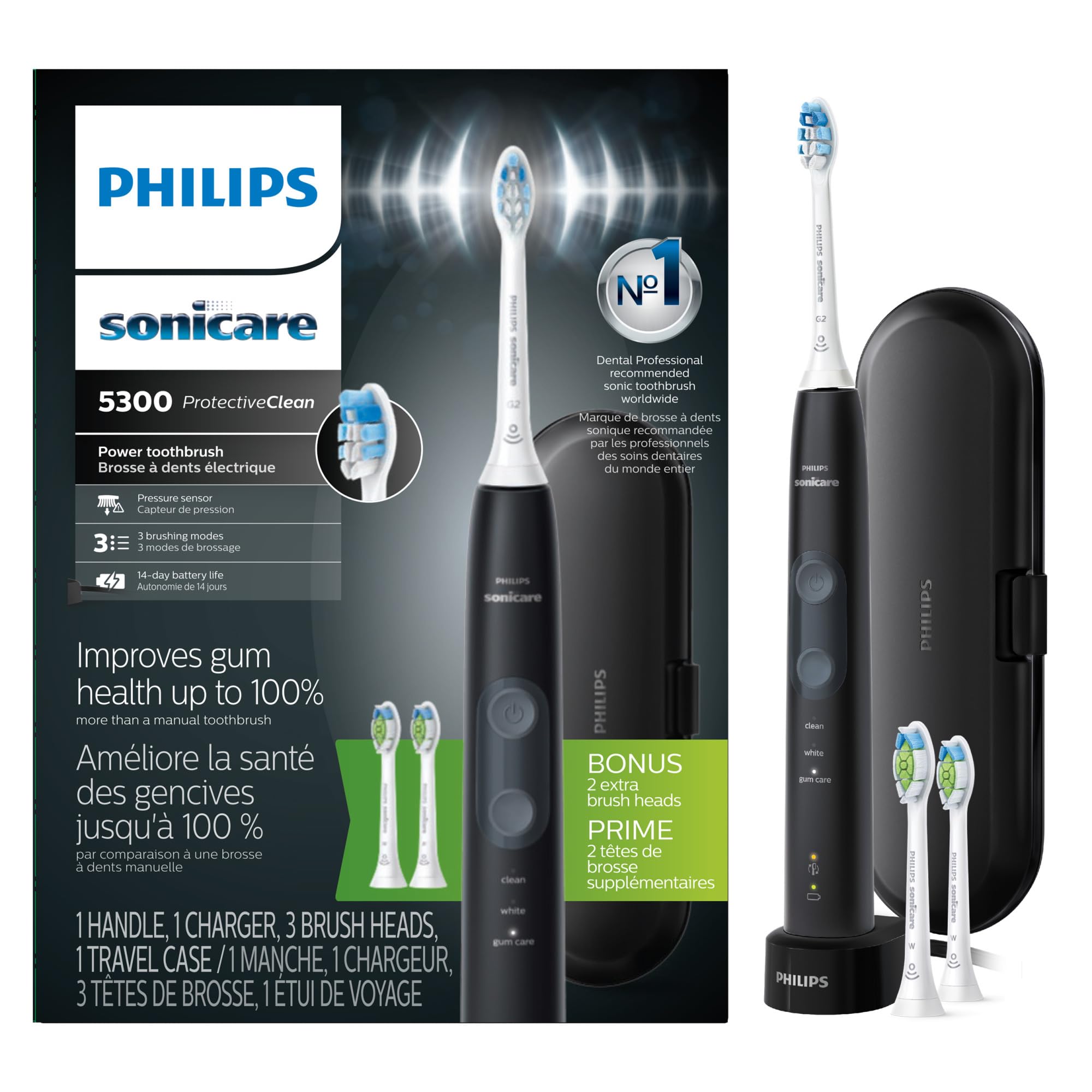
Philips Sonicare 5300

91 /100
Trail Score Outstanding

Key details

Modes
Clean, White, Gum Care
Battery
Up to 2 weeks per charge
Included Heads
3
Cleaning Action
Sonic
Check Price on Amazon

Philips builds this one around a pressure sensor, and it's the useful kind: brush too hard and the handle buzzes a warning while easing the motor back, so the correction happens without you thinking about it. Around that sit three modes — Clean, White, and Gum Care — plus BrushSync, which tracks how often and how hard you've brushed and lights a reminder when the head is due.

The Smartimer runs two minutes with a QuadPacer nudge every 30 seconds, and Philips rates the battery at up to two weeks between charges — long enough to leave the base at home for a week away. Three heads come in the box, which covers the first few changes without another order.

Where it earns its place is the feel: a high-frequency, lighter clean than the round-head brushes, with pressure feedback that suits anyone whose gums have started to recede. It asks more money than our top pick, and what that buys is the sensor and the sensation rather than more cleaning power. If you want the calmest clean here with the most adjustment, the ProtectiveClean 6500 is the step up.

Pros

  • Pressure sensor warns and protects gums
  • Three heads included
  • Two weeks of use per charge
  • BrushSync head-replacement reminder

Cons

  • Loud, high-pitched motor
  • Replacement heads are the expensive part
Our verdict

Choose it over the top pick when a gentler, higher-frequency clean and a two-week battery matter more than the cost of heads.

Check Latest Price
4

Best Budget

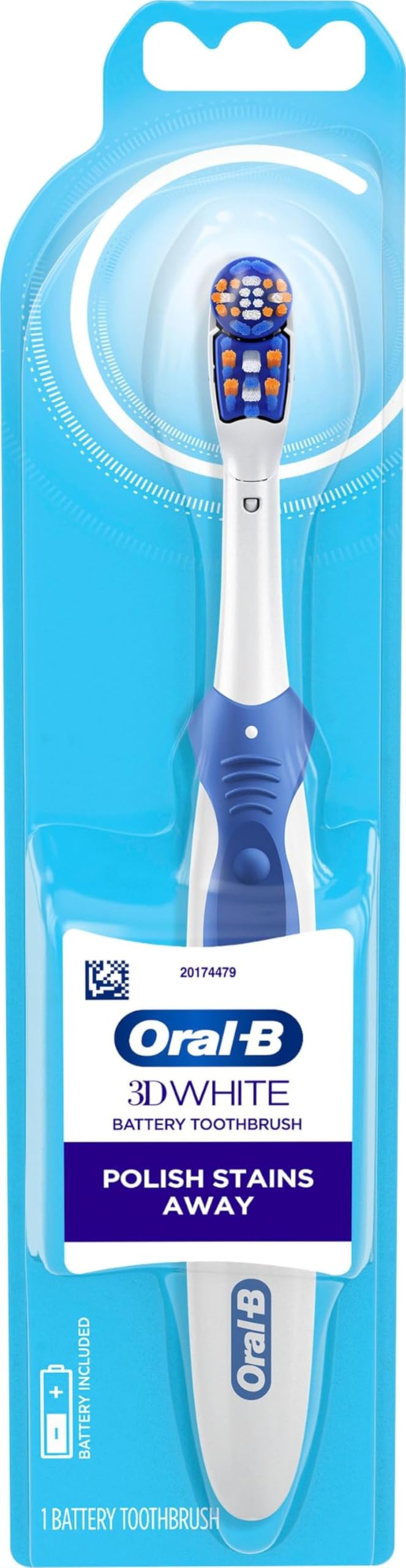
Oral-B 3D White Action

93 /100
Trail Score Outstanding

Key details

Power
1 AA battery (included)
Weight
2.56 oz
Cleaning Action
Rotating cup head, 14,000 strokes/min
Replacement Heads
Every 3 months
Check Price on Amazon

One AA battery, 14,000 strokes a minute, and a head you replace every three months: this is the brush we point people to when they want a powered clean without another charging base living on the sink. It is the budget pick of this group and it earns the spot honestly — the cup head rotates and vibrates, the bristles polish, and at 2.56 ounces it disappears into a toiletry bag.

What you give up is the scaffolding. Nothing counts your two minutes for you, nothing tells you when you're pressing too hard, and the motor makes a rattling buzz loud enough to carry — closer to a weed-whacker than the whine of a sonic handle. The head runs large, too, which smaller mouths will notice. None of that troubles someone who wants a cheap second brush for the gym bag or a first electric for a teenager; it troubles anyone replacing a Sonicare.

The battery is the design's saving grace. When it fades you drop in a fresh AA rather than mailing a handle back, so a flat brush is a two-second fix instead of a warranty claim — keep a spare in the drawer. Heads are shared with Oral-B's Deep Clean and Anti-Microbial lines, which makes restocking simple.

Pros

  • Runs on one swappable AA battery
  • Light 2.56-ounce handle for travel
  • Replaceable heads shared across Oral-B lines

Cons

  • Loud, rattling motor
  • Head runs large for smaller mouths
Our verdict

The brush we recommend when the budget is tight and the sink is small — it cleans, it travels, and a dying battery costs one AA.

Check Latest Price
5

Best for Travelers

Philips Sonicare ProtectiveClean 6500

93 /100
Trail Score Outstanding

Key details

Modes
3 modes, 3 intensities
Travel
Charging travel case
Battery
14 days per charge
Cleaning Action
Sonic, up to 62,000 movements/min
Check Price on Amazon

The case is the reason this brush exists in a lineup: it charges the handle through a built-in connection, so two weeks away means packing the case and leaving the base at home. Philips rates the handle at 14 days of regular use per charge, and the case tops it back up between stops — which is the difference between a travel case and a box you carry a dead brush in.

Inside is the most adjustable clean here: up to 62,000 brush movements a minute, three modes (Clean, White, Gum Care) and three intensity levels stacked on top, so a tender patch can have the gentle version without switching brushes. The pressure sensor warns you and then reduces the vibration itself, which is the version of that feature worth having.

For anyone who travels monthly, or a couple who want one brush that can be soft for one mouth and thorough for the other, this is the pick — the intensity levels and the charging case are the two upgrades that justify stepping up from the 5300. Both brushes clean to the same standard; what you're paying for is adjustment and packing. If the handle lives on a shelf at home, keep the money.

Pros

  • Travel case charges the handle
  • Three modes plus three intensity levels
  • Pressure sensor eases vibration automatically
  • Up to 62,000 brush movements per minute

Cons

  • Reliability past year one is unproven
Our verdict

Worth the premium only if you travel often or want intensity control; for a bathroom-only brush, our money goes to the 5300.

Check Latest Price
6

Slim Shared-Bathroom Brush

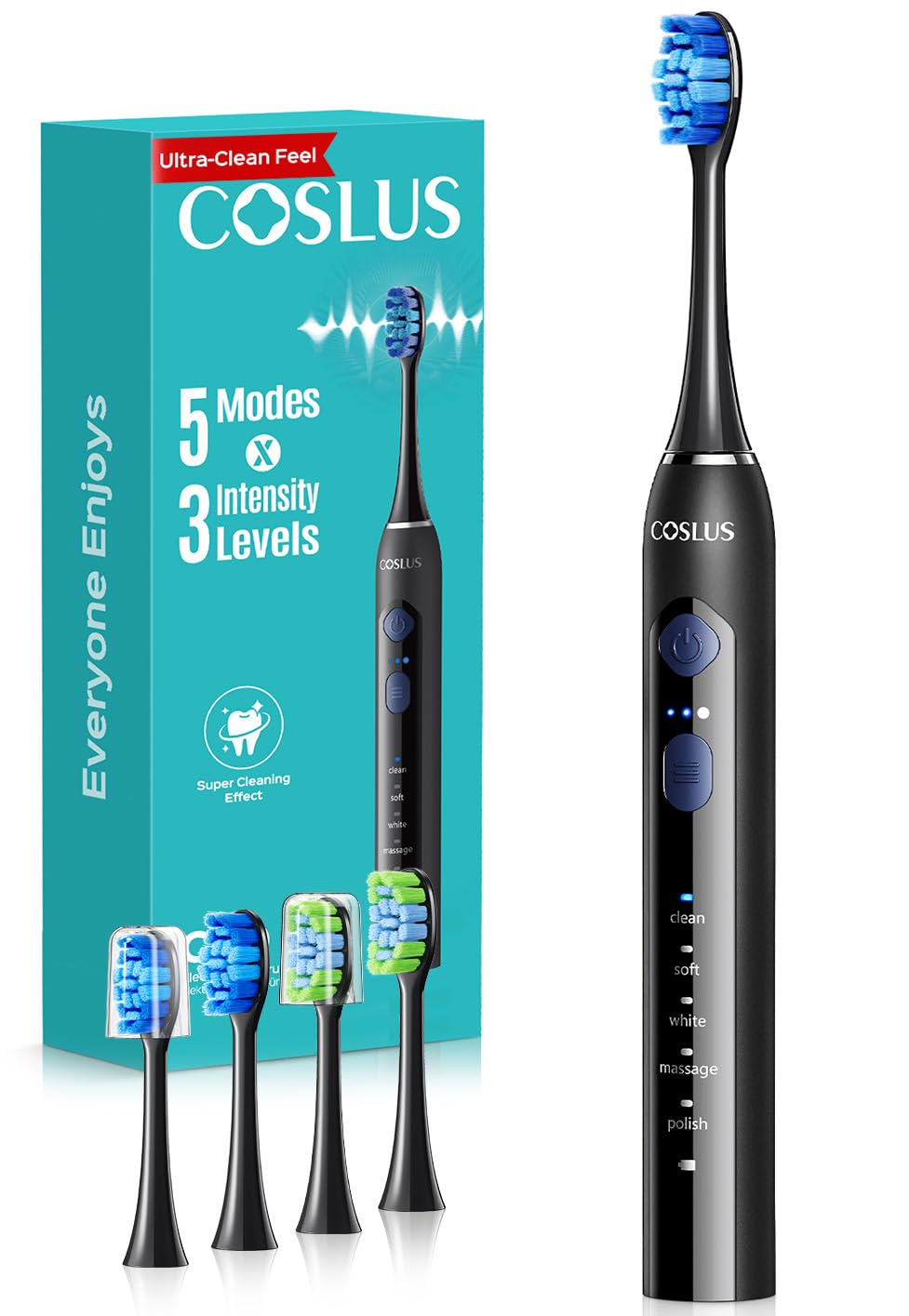
COSLUS C30

91 /100
Trail Score Outstanding

Key details

Ages
12 and up
Modes
5 modes, 3 intensities
Handle
1.06 in diameter, 6.38 oz
Cleaning Action
Sonic, magnetic levitation motor
Check Price on Amazon

At 1.06 inches across and a shade over six ounces, this is the slimmest handle in the group — closer to a manual brush in the hand than the fat, rubberized grips on the Oral-B and Sonicare handles. It runs a magnetic levitation motor with five modes and three intensity levels stacked on top, and it ships with two bristle hardnesses rather than one.

That combination makes it the one we like most for a shared bathroom: five modes and an intensity dial mean a single handle can be soft for a kid with braces and firm for an adult, and it's rated for everyone 12 and up. The narrow barrel is also the easiest of these to hold for anyone with small hands or a weaker grip.

The vibration is strong even by electric standards, and the top settings are more than most people need — the intensity control turns that into a dial rather than a fixed personality, so start low and stay there until your gums stop noticing. As an inexpensive, genuinely travel-friendly brush with more adjustment than the price suggests, this is the interesting bet in the group.

Pros

  • Slim 1.06-inch handle, 6.38 ounces
  • Five modes and three intensity levels
  • Two brush head hardnesses included

Cons

  • Short track record on durability
Our verdict

A slim, adjustable brush we're happy to put in a shared bathroom, provided you're comfortable buying a first-generation design.

Check Latest Price

How We Tested the Best Electric Toothbrushes

We started by pulling together brushes from brands we've trusted for years and newer ones that kept showing up in reviews, then narrowed the list by price, brush-head availability, and whether the specs made sense for everyday use. That left 14 models, which we rotated through two bathrooms over six months—morning and night, after coffee, before bed, and on weekends when nobody is rushing.

To judge cleaning, we brushed normally for a week with each brush, then chewed a disclosing tablet and checked for pink patches along the gumline and back molars. We also paid attention to how the brush felt against sensitive gums, whether it slowed down when we pressed too hard, and how easy it was to reach the last molar without gagging. Each new brush head got a sniff and a taste test in the first few days—some had a faint plastic flavor that faded, others didn't.

Battery life got tracked with a simple note: the date of the last charge and the date it died, with two people brushing twice a day. We listened from the hallway to gauge noise, paid attention to vibration through the handle, and dropped each brush from counter height onto tile to see if the seams or battery door held up. We counted settings, then ignored all but the default for a week to see if the extras actually changed the clean. Ease of use came down to whether the buttons were easy to find with toothpaste hands and whether the timer was readable without glasses. Value came down to what was in the box, how easy replacement heads were to buy, and whether the brush felt solid or plasticky after a few weeks.

How to Choose an Electric Toothbrush

Sonic Vibration or a Round Rotating Head

Both actions remove plaque well, so the choice comes down to sensation and how much feedback you want at the gumline. A sonic brush vibrates at high frequency and pulses fluid between the teeth, which feels light and quick. A round oscillating head cups each tooth and scrubs the gumline with a small brush, which feels more like cleaning. If tenderness or recession is why you're shopping, the sonic handles with intensity levels let you step the clean down; if your problem is pressing too hard, the round heads with pressure control tell you immediately.

What a Week Away Actually Requires

Battery figures are quoted per charge, and the question that matters is whether the handle survives a trip without its base. Several brushes here are rated at roughly two weeks of regular use, which covers a short trip. A charging travel case goes further because it tops the handle up in the bag, while a plain case is just a box. Two traps: a USB cord in the box does not mean a wall adapter is included, and a battery-powered brush needs disposable cells rather than a charger — nothing to pack, but the right battery has to be in the drawer.

Heads Are the Real Running Cost

The handle is the cheap part. With heads changed every three months, as most makers specify, a few years of replacements will outspend the brush, and head prices vary more between brands than handle prices do. Before you commit, price a multi-pack for the model you're considering and check how many heads come in the box — a brush that arrives with several is genuinely cheaper to own than one that arrives with a single head. A replacement reminder on the handle is a small thing that keeps you off splayed bristles.

Pressure Sensors, Timers, and Modes

Of the extras, the pressure sensor is the one worth paying for: it buzzes, pauses, or cuts vibration when you lean on the brush, which is the habit most likely to damage gums over time. A two-minute timer with a 30-second pacer is the other feature to insist on, and every rechargeable here has one. Modes and intensity levels earn their place when two people share a handle or your gums are sensitive on one side. If you know you'll brush on the same setting forever, don't pay for five.

Noise and Handle Size

These are the things you notice twice a day. High-frequency sonic handles whine, and the oscillating Oral-B brushes rumble loudly enough to carry through a closed door — relevant next to a sleeping partner or in a small apartment. Handle diameter matters more than weight: the COSLUS C30 is barely an inch across and easier for small hands, while the Oral-B grips are thicker and rubberized. Measure the counter, too. A wireless charging base takes more room than a USB stand, and a shared sink has no spare inches.

Frequently Asked Questions

Final Verdict

Buy the Aquasonic Black Series unless something specific sends you elsewhere. It cleans as well as anything in this group, carries the ADA Seal of Acceptance, and arrives with enough heads that you aren't pricing refills in your first month — that combination is why it's the one we recommend first.

If your gums are the reason you're shopping, the Oral-B Pro 1000's pressure control makes it the better habit-forming choice. And if you simply want to find out whether an electric brush suits you, the Oral-B 3D White Action answers that question for very little.