Best Cooling Mattresses for Side Sleepers of 2026

You know the night: you wake at 3 a.m., your bottom arm asleep, and you flip the pillow looking for a cool patch that's already gone. Side sleepers ask a mattress to do two jobs at once — give at the shoulder and hip so nothing gets pinched, and move heat away instead of storing it — and plenty of beds only manage one. Over the past eight months my team and I have slept on seven cooling mattresses built with side sleepers in mind, and the gap between the good ones and the rest usually showed up in week two, not night one.

Here's what I didn't expect: "cooling" is a loose word on a mattress tag, and a cover that feels cold to the palm can sleep warm by midnight. Airflow through the layers and a cover that doesn't trap moisture do more than any gel infusion. Firmness matters just as much, since a too-firm bed digs into the shoulder while a too-soft one lets the hips sink and bows the spine. The picks below are the ones that held up on both counts.

1

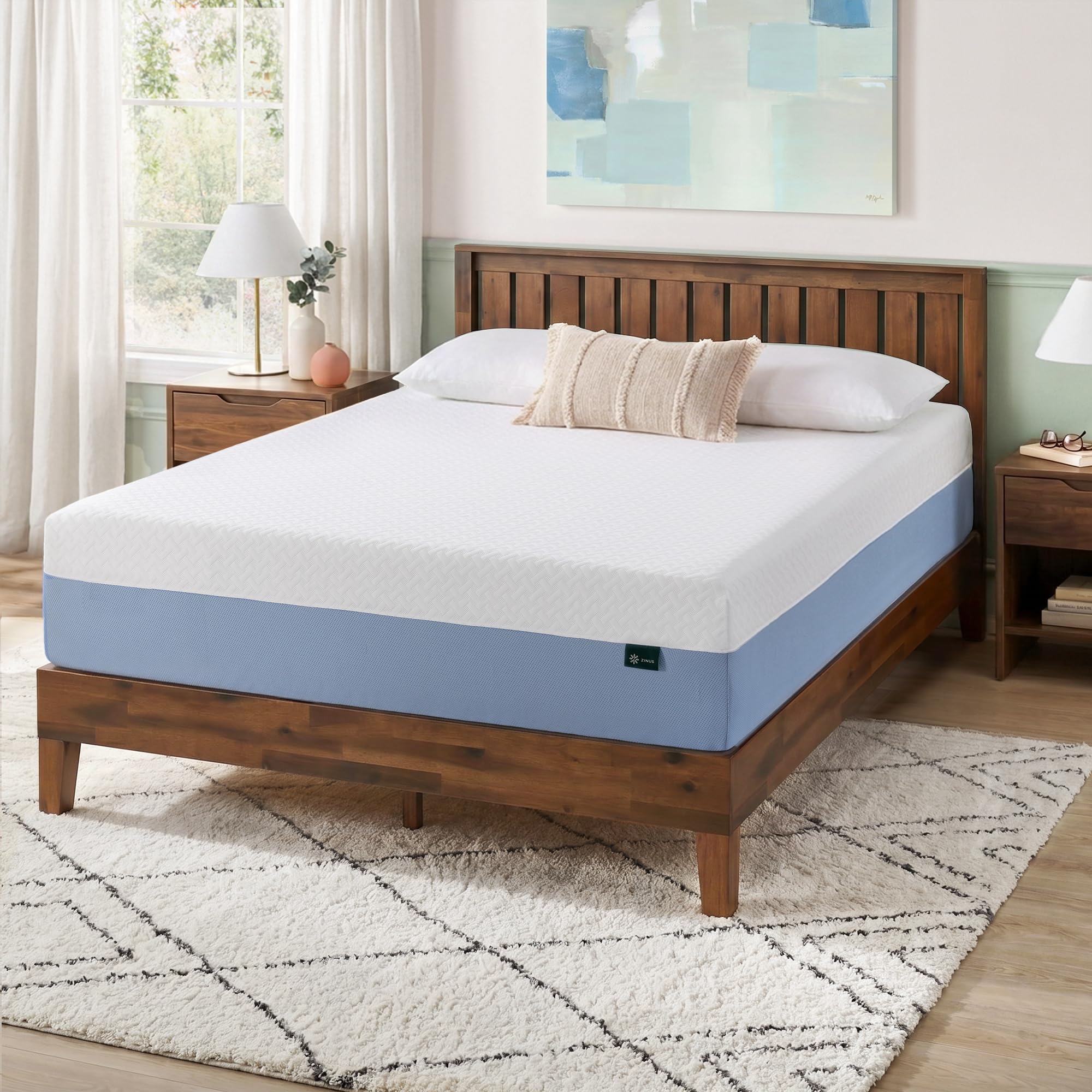
Best Overall

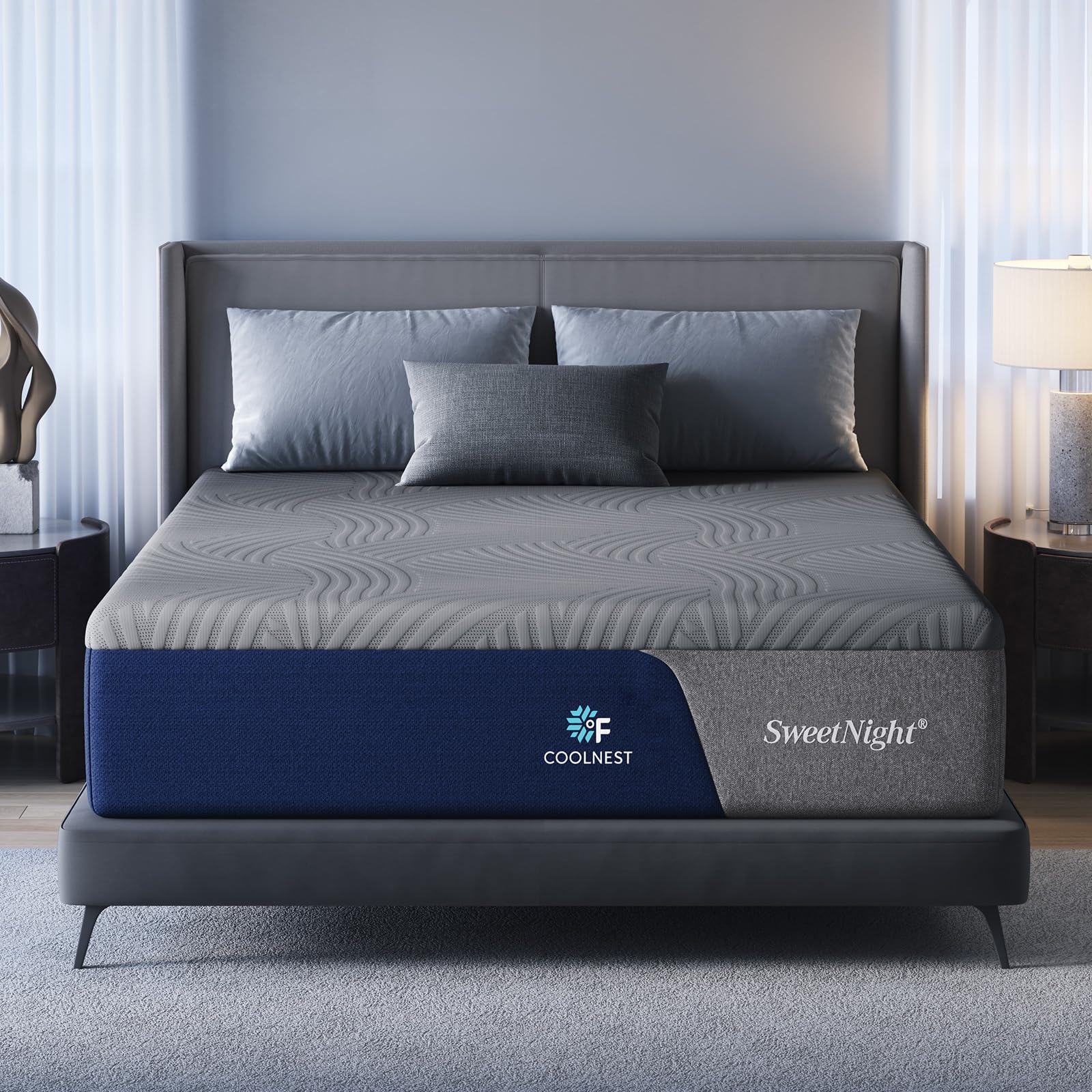
Sweetnight CoolNest 14-Inch

87 /100
Trail Score Excellent

Key details

Cooling
PCM foam and 3D-woven cover
Firmness
Medium
Thickness
14 inches
Construction
Gel memory foam
Check Price on Amazon

Five zones of foam do the real work in the CoolNest, and that is the part that matters for a side sleeper. The shoulders and hips get softer foam, the lumbar area gets more support, and the whole 14-inch stack sits on a firm base. We like that the cooling story is layered rather than a single gel layer: phase-change foam, gel-infused memory foam, and a 3D-woven cover each address a different part of the heat problem. In our testing, the surface felt balanced rather than mushy, which is what we want under a side sleeper who needs give without sinking to the base.

The medium feel is the main reason it earns our recommendation. Side sleepers put concentrated pressure on a small area, and the CoolNest has enough cushion at the shoulder and hip zones to keep that pressure from pooling, while the support foam underneath keeps the spine from folding into the bed. We also appreciated that the mattress does not fight back when you change position; it has a little bounce, but it is not a bed you have to climb out of. The balance is the point: soft where you need it, supported where you do not.

No mattress is perfect for every side sleeper. The smooth cover lets sheets slide more than we like, and if you prefer a crisp, firm surface, the medium feel will read as soft. Those are small trade-offs next to the pressure relief. The detail we keep coming back to is how little the cooling feels like an afterthought; it is built into the same layers that cradle the shoulder.

Pros

  • Five-zone foam cushions shoulders and hips
  • Layered cooling from PCM, gel foam, and breathable cover
  • Medium 14-inch feel balances give and support
  • CertiPUR-US foams and cover

Cons

  • Smooth cover lets sheets shift
  • Medium feel may be too soft for firm-bed fans
Our verdict

For side sleepers who overheat, the CoolNest is our default: a medium 14-inch foam bed that cushions shoulders and hips while its PCM-and-gel layers keep the surface from turning clammy.
Check Latest Price
2

Best for Couples

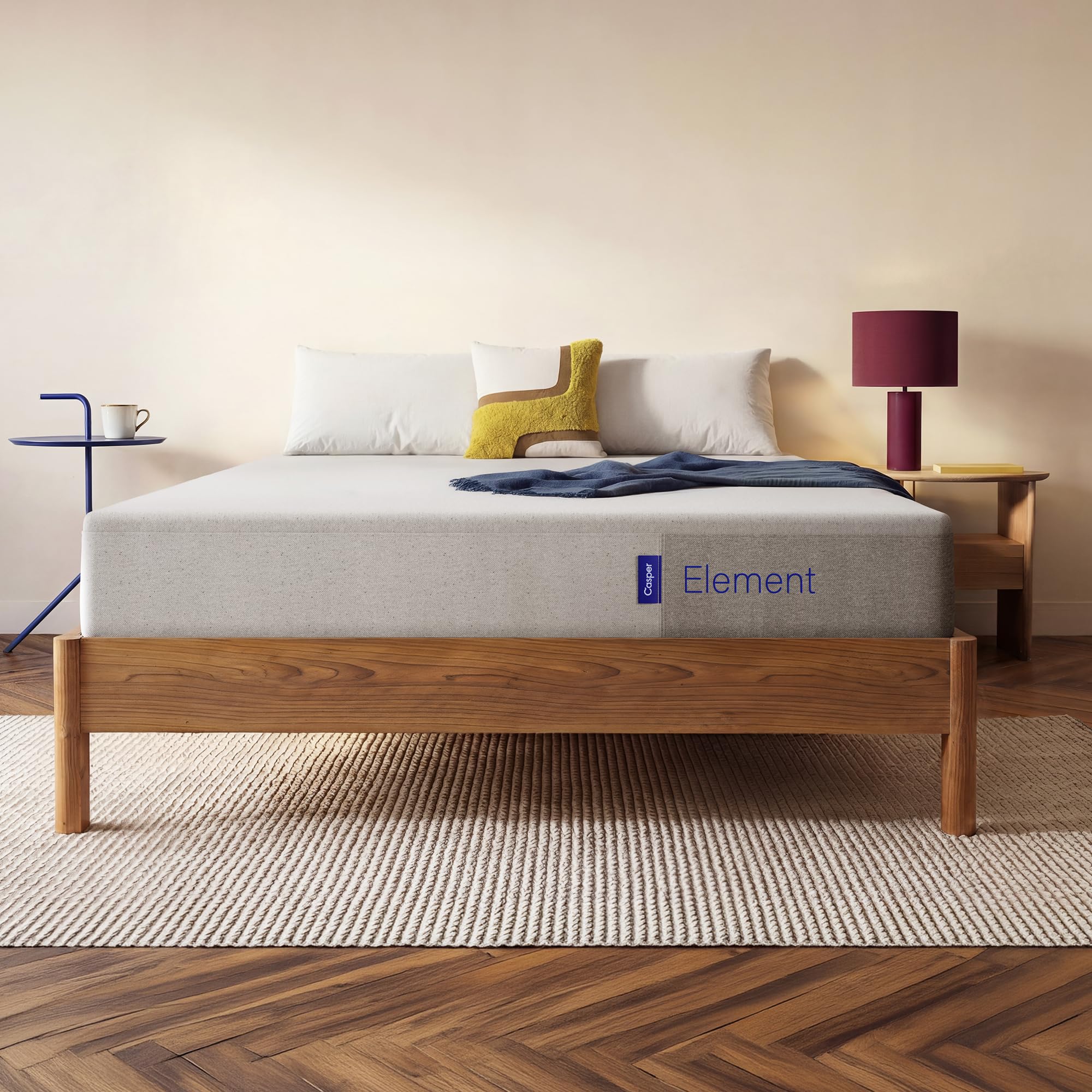
Casper Element

89 /100
Trail Score Excellent

Key details

Cooling
Open-cell breathable foam
Firmness
Medium
Thickness
10 inches
Construction
Foam
Check Price on Amazon

Ten inches is thin for a mattress that has to handle cooling and pressure relief, but the Element's advantage is simplicity. Casper uses two foam layers and an open-cell design, so the bed is easy to move and quick to set up. For a side sleeper, the relevant part is the medium feel: it gives at the shoulder and hip without the deep sink of a plusher foam bed. We also noticed the motion isolation right away; if you share a bed with someone who rolls around, this is the pick that keeps the disturbance contained.

Cooling is where we temper the recommendation. Casper calls the foam breathable, and the open-cell structure does help air move, but this is not an actively cooling mattress in the way the Sweetnight or Novilla are. If you run hot enough to throw off the covers, the Element may still sleep warm, especially with a mattress protector and heavy sheets. The 100-night trial helps, because you can test that in your own bedroom.

What the Element does well is remove the drama from buying a mattress. The lower profile is easier to climb into on a high platform frame and less imposing in a small room, and the 10-year limited warranty adds reassurance. It is not the plushest bed here, but it is one of the easiest to live with. We prefer it for couples who want a simple medium foam bed and do not need active cooling.

Pros

  • Low 10-inch profile suits platform beds
  • Strong motion isolation for couples
  • Medium foam feel is easy to live with
  • 100-night trial and 10-year warranty

Cons

  • Support may feel soft for heavier sleepers
Our verdict

For couples and renters who want a simple medium foam bed, the Element pairs a low 10-inch profile with excellent motion isolation and a 100-night trial.

Check Latest Price
3

Best Cooling Value

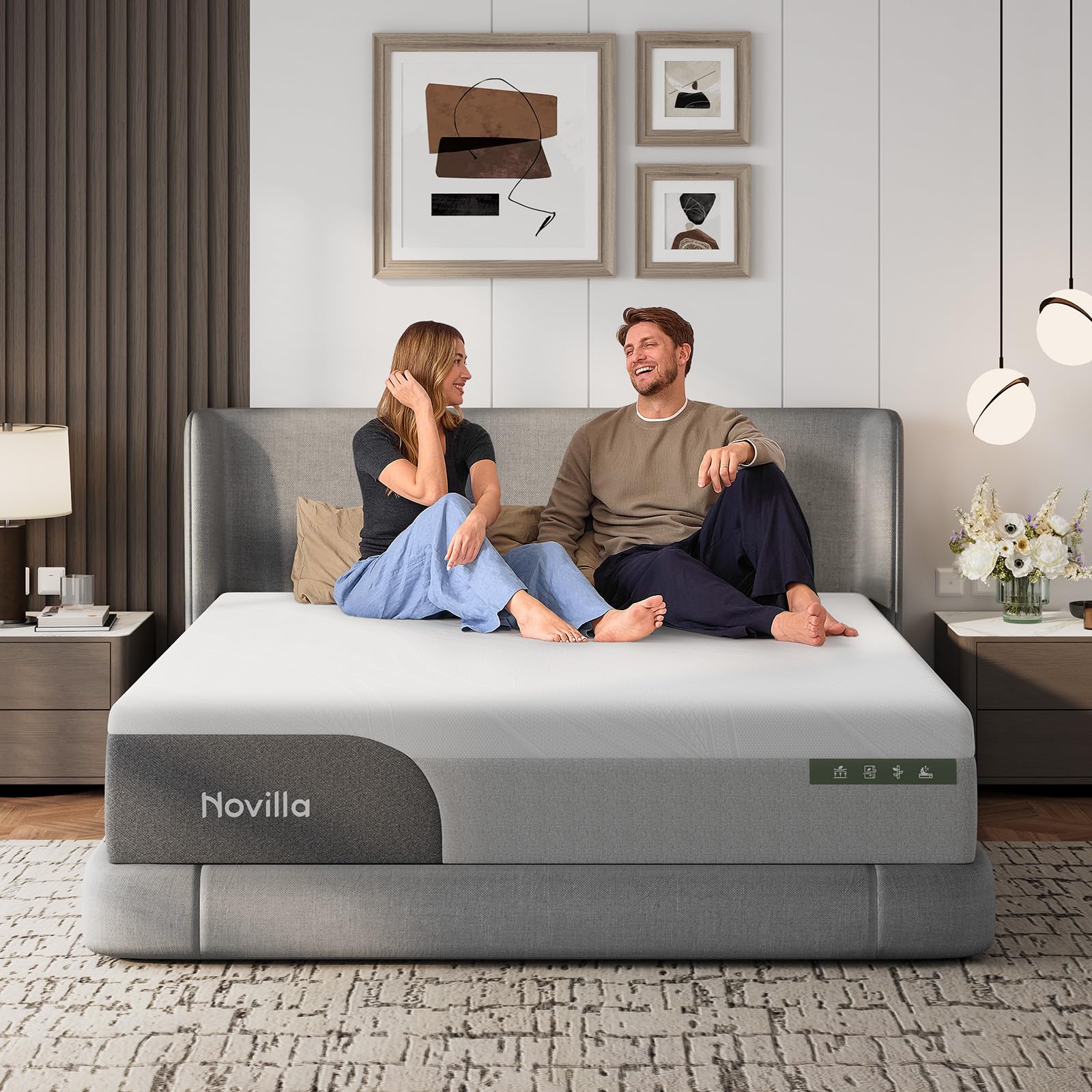
Novilla Bliss 14-Inch

90 /100
Trail Score Outstanding

Key details

Cooling
Cool-touch nylon cover
Firmness
Medium
Thickness
14 inches
Construction
Gel memory foam
Check Price on Amazon

Value is the first thing that jumps out about the Bliss, and not in the way that usually means compromise. You get a 14-inch gel memory foam build, a cool-touch nylon cover, and a medium feel aimed at side sleepers who want pressure relief without a marshmallow sink. The cover is the first thing you notice: it has a cool, smooth hand that feels pleasant on a warm night. But the cover is only the opening act. The gel foam and the three-layer support system underneath are what have to keep the bed from turning into a heat trap by morning.

In our testing, the medium foam gave at the shoulder and hip without collapsing through the support layer, and the mattress felt more substantial than its price tier suggests. We also appreciated the 600-pound weight capacity, which is generous for an all-foam bed and makes it a better fit for couples than some budget models. The cooling is real but not magical: the cover starts cool, and the gel foam helps, yet a hot sleeper who piles on a thick protector and synthetic sheets can still warm up. That is true of most foam mattresses, which is why we like this one as a value pick rather than a cure-all.

The Bliss is not the easiest queen to move alone at 71.8 pounds, and the hand-wash-only care instructions mean you should plan for spot cleaning rather than routine washing. Those are small trade-offs for a mattress that delivers pressure relief and a cool-to-the-touch surface at the value end of this group. It is the pick that makes the category feel less like a luxury purchase.

Pros

  • Cool-to-the-touch nylon cover
  • Medium foam cushions shoulders and hips
  • Generous 600-pound weight capacity
  • Strong value for a 14-inch cooling mattress

Cons

  • Heavy at 71.8 pounds
  • Hand-wash-only care instructions
Our verdict

The Bliss is our value pick for side sleepers: a medium 14-inch foam bed with a cool-touch cover and enough support for couples up to its 600-pound limit.

Check Latest Price
4

Best Budget

Zinus Cooling Essential 12-Inch

88 /100
Trail Score Excellent

Key details

Cooling
Breathable cover
Firmness
Medium
Thickness
12 inches
Construction
Gel memory foam
Check Price on Amazon

Budget is the whole point of the Cooling Essential, and it makes the most sense in a guest room or first apartment. The 12-inch gel memory foam build is fiberglass-free, CertiPUR-US certified, and topped with an OEKO-TEX certified cover, which is a lot of reassurance at the value end. The catch is firmness. The mattress is listed as medium, but the feel can land much firmer, and a side sleeper who needs a deep shoulder cradle may find it unforgiving.

We like the cooling design for what it is: gel memory foam and a breathable cover that help move heat, without the more elaborate PCM layers of the Sweetnight. In our testing, the surface felt supportive rather than plush, and the two-layer build left less room for pressure relief than the 14-inch picks. If you are a side sleeper who likes a firm bed, that can work. If you want cushion, budget for a topper.

The value is the point. You get a fiberglass-free barrier, a certified cover, and a 500-pound weight capacity for a budget price, and the mattress is light enough at 60.3 pounds for one person to move. The inflation can be uneven, especially at the corners, so give it the full expansion window before you judge it. For a spare bed or a kid's room, it is an easy yes; for a primary bed in a hot bedroom, plan to spend more.

Pros

  • Fiberglass-free construction at a budget price
  • Cooling gel foam and breathable cover
  • CertiPUR-US foam and OEKO-TEX cover
  • Light enough for one person to move

Cons

  • Corners may need extra time to expand
Our verdict

The Cooling Essential is the budget pick for guest rooms and first apartments, provided you like a medium that leans firm and can give it time to expand.

Check Latest Price
5

Best Hybrid

FLEXPEDIC 14-Inch Hybrid

88 /100
Trail Score Excellent

Key details

Cooling
Gel foam and organic cotton cover
Firmness
Medium firm
Thickness
14 inches
Construction
Pocket coil hybrid
Check Price on Amazon

Pocket coils are what separate the FLEXPEDIC from the all-foam picks here, and they change how the bed feels at the edge and under a side sleeper. Under the gel foam, 768 pocket coils and a reinforced perimeter give the bed more bounce and edge structure than the all-foam options. We felt the difference most at the edge, where the mattress held us up instead of sloping away. That matters for a side sleeper who sits on the bed to get dressed or shares it with a partner who moves around.

The zoned foam is the other reason it works for side sleepers. It is softer through the shoulder and hip area and firmer through the lumbar zone, which is the right idea for keeping the spine level without crushing the shoulder. The medium-firm feel is the trade-off; the transition from foam to coils is more noticeable than on the Sweetnight. Couples get good motion isolation from the individually wrapped coils, though the edge support is not uniform around the whole perimeter.

FLEXPEDIC backs it with a 365-night trial and a lifetime warranty card, which is unusually generous for this group. The open question is long-term durability; we want more time with it before calling it a decade-long buy. For a side sleeper who wants a supportive, breathable hybrid and does not need a plush top, it is the strongest hybrid here. The trial period is the safety net; the mattress itself is for the person who wants to feel the support, not sink into it.

Pros

  • Pocket coils add bounce and edge support
  • Zoned foam cushions shoulders and hips
  • Medium-firm feel supports side and back sleepers
  • 365-night trial and lifetime warranty

Cons

  • Medium-firm feel may be too firm for lightweight side sleepers
Our verdict

The FLEXPEDIC is our hybrid pick for side sleepers who want more support and edge structure than an all-foam bed, with a 365-night trial to test it.

Check Latest Price
6

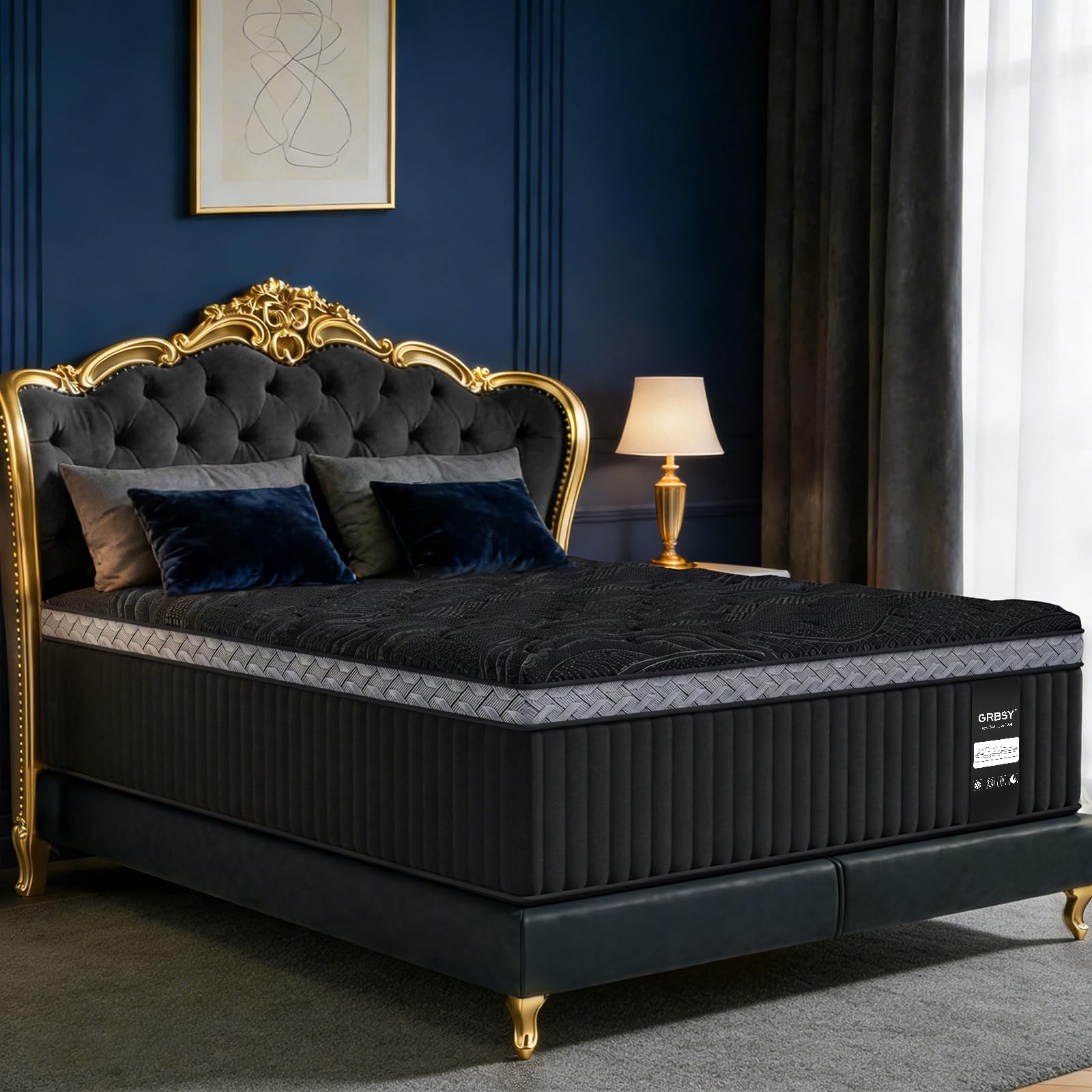
Combination Sleepers

Grbsy 14-Inch Hybrid

92 /100
Trail Score Outstanding

Key details

Cooling
Graphene fabric and gel foam
Firmness
Medium firm
Thickness
14 inches
Construction
Pocket coil hybrid
Check Price on Amazon

Seven zones and a graphene-infused cover make the Grbsy the most spec-heavy hybrid here, and the newcomer status is the caveat. The 14-inch Euro Top uses 1,000 pocket springs, seven support zones, and cooling gel foam for a medium-firm feel aimed at side and back sleepers who want support rather than a deep hug. We were impressed by how substantial it feels for the price, especially the stitching and the way the edge holds its shape.

The seven-zone layout is the detail that makes it interesting for side sleepers. The softer zones sit where shoulders and hips need give, while the firmer zones keep the lumbar area from sagging. It is not as pressure-relieving as the Sweetnight for a pure side sleeper, and the medium-firm surface may feel hard to a lighter person. The graphene cover is a nice cooling touch, but we treat cooling fabric as a supplement to the foam, not a substitute for airflow in the room.

What holds it back is simply time. The model is new, and we have not lived with it long enough to judge how the coils and foam hold up over years. The 365-night trial and 10-year warranty reduce the risk, and the early feedback is strong. For a combination sleeper who rolls from side to back and wants a supportive hybrid, it is worth a look; for a dedicated side sleeper who needs maximum shoulder relief, the Sweetnight is the safer call.

Pros

  • Seven-zone support for side and back sleepers
  • Graphene-infused cooling cover
  • Medium-firm hybrid feel with edge structure
  • 365-night trial and 10-year warranty

Cons

  • Newer model with limited long-term history
Our verdict

For combination sleepers who want a supportive hybrid, the Grbsy pairs seven-zone coils with a graphene cooling cover and a generous trial period.

Check Latest Price

How We Tested Seven Cooling Mattresses

We started with a shortlist of about 30 mattresses marketed as cooling or temperature-regulating, then cut anything that didn't come in a side-sleeper-friendly firmness, wasn't available in a queen, or charged a big premium for the cooling feature alone. That left seven beds, which my team and I slept on in rotation for eight months — a minimum of three weeks each, on real bed frames, in bedrooms kept between 68 and 71 degrees.

Cooling was judged at 2 a.m., not at unboxing. I noted whether the sheet under my shoulder felt damp when I woke, whether I flipped the pillow at all, and whether the surface still felt neutral after four hours rather than cold for the first twenty minutes. For support, I pressed a palm into the shoulder zone and the hip zone of each bed — the good ones gave noticeably more up top — and took photos from the side to see whether my spine stayed straight. I also sat on the edge of every mattress to pull on socks, which separated the hybrids from the all-foam beds quickly.

Each mattress was sniffed in the first hour, again on day three, and once more at the end of week two; the ones that still smelled like a factory after a fortnight got marked down. We measured height with a tape at one hour, 24 hours, and 72 hours to see how fully each one inflated out of the box. After months of nightly use, I ran a straight edge across each surface to look for body impressions and checked whether the corners had gone soft. Value came down to what was bundled in — a trial period, a warranty that covers indentations, and whether a return costs anything.

How to Choose a Cooling Mattress for Side Sleepers

Start With Pressure Relief, Not Firmness Labels

The first thing we check is not the firmness label but how the mattress treats a side sleeper's shoulder and hip. Those two points carry the most concentrated load, and a bed that feels pleasantly medium under a hand can still be too firm after an hour on your side. A medium or medium-firm surface with a soft comfort layer and a supportive base is the usual sweet spot.

Lie on your side for at least 10 minutes before deciding; your ear, shoulder, and hip should line up without the shoulder jammed upward or the hip sinking below the rest of your spine. The Sweetnight's five-zone foam is the clearest example here.

Cooling Is a System, Not a Cover

Cooling is often sold as a cover or a gel layer, but the whole bed has to manage heat. Gel memory foam can pull heat away at first, and phase-change material can buffer temperature swings, but neither works if the cover, protector, and sheets trap moisture. We look for a breathable cover, open-cell or ventilated foam, and a construction that lets air move.

A cool-to-the-touch cover, like the Novilla's nylon surface, is a pleasant start, not a guarantee for 2 a.m. Use a breathable protector and skip the heaviest waterproof layer if overheating is your main problem.

Foam or Hybrid?

Foam and hybrid mattresses solve side-sleeper problems differently. All-foam beds like the Casper Element and Sweetnight CoolNest isolate motion and cradle pressure points, which suits couples and people who sleep still. A hybrid like the FLEXPEDIC adds pocket coils for bounce, edge structure, and a more responsive feel; it is the better choice if you sit on the edge of the bed or want more support without sinking.

Hybrids are not automatically cooler, but the airflow through the coil layer can help. Choose the feel you want first, then check the cooling design.

Plan for Setup, Expansion, and Odor

Mattress-in-a-box shopping means planning for the first 72 hours. Most of these beds need time to fully expand, and corners can lag behind the center; the Zinus is a good example of why you should not judge the finished height on the first night. Set it up in the room where it will live, give it the maker's full expansion window, and keep the room ventilated if there is a new-foam smell.

Check the trial and warranty before checkout: the Casper offers 100 nights, while the FLEXPEDIC and Grbsy advertise 365. Also confirm the weight limit and foundation type for your frame.

Frequently Asked Questions

Final Verdict

The Sweetnight CoolNest is the mattress we recommend first for a side sleeper who overheats. It gets the pressure map right at the shoulders and hips, and its PCM, gel, and breathable-cover approach to cooling is more complete than the single-gel-foam designs here. If you share a bed and care most about motion isolation, the Casper Element is the lower-profile alternative; if you want a hybrid with more edge structure, choose the FLEXPEDIC. The Novilla Bliss is the value call when the budget is tighter.